


Imagine your loyal old pup, once the life of every backyard party, suddenly forgetting simple routines or looking lost in their own home. It’s heartbreaking—and more common than many dog lovers realize. The shocking truth is, dogs can get dementia, just like people. But there’s hope and plenty you can do to help your furry friend keep wagging through their golden years.
What Is Dog Dementia, Anyway?
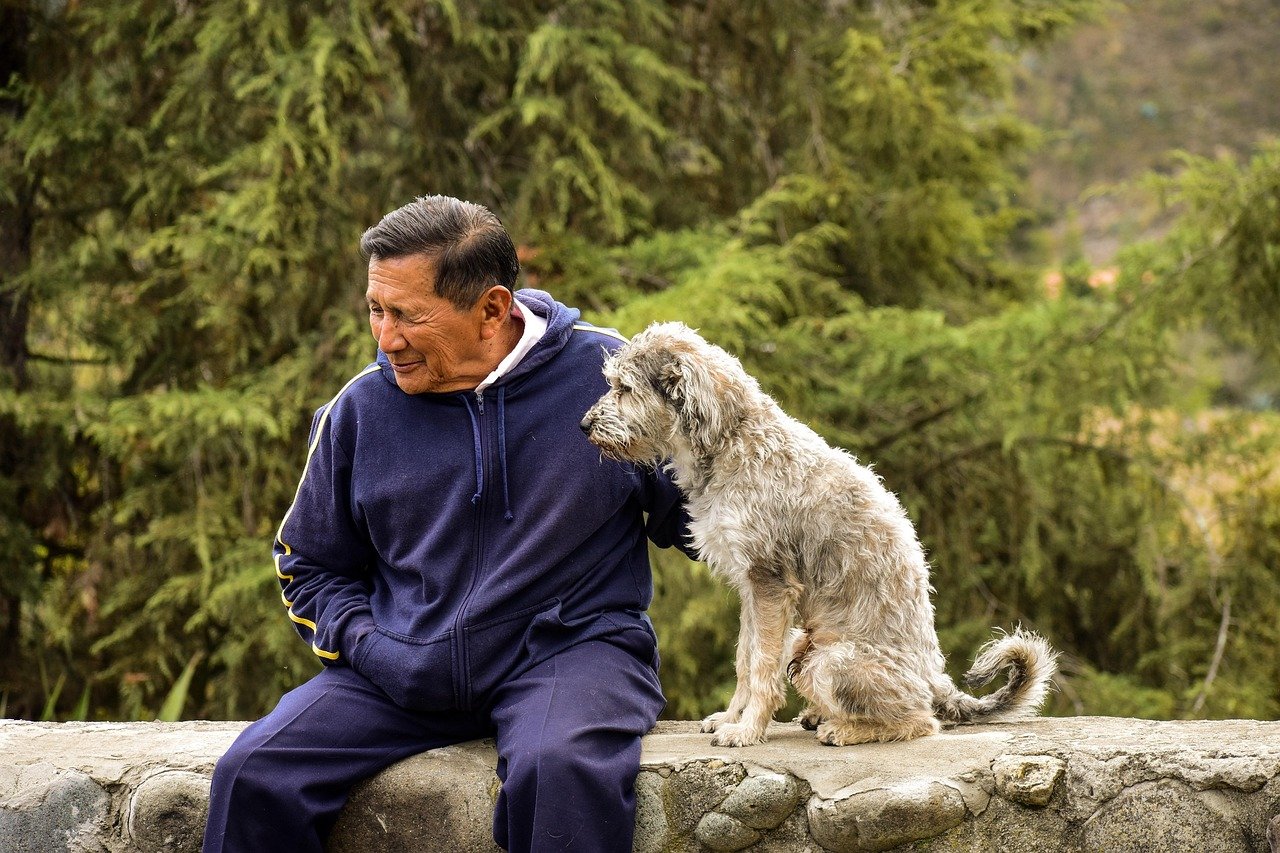
Dog dementia, known as Canine Cognitive Dysfunction (CCD), affects older dogs’ brains, making them confused, forgetful, or anxious. It’s a lot like Alzheimer’s in humans, and it sneaks up quietly. Many loving owners miss the signs at first, thinking their pup is just “slowing down.”
CCD changes how a dog thinks, learns, and remembers. They might wander aimlessly or even forget familiar faces. If you’ve ever noticed your senior dog staring blankly at a wall or getting stuck behind furniture, you’ve seen these subtle clues.
How Common Is Dementia in Dogs?

You might be surprised to hear that as many as one in three dogs over age 11 show signs of dementia. By the time dogs reach 15, more than half could be affected. It’s both startling and comforting to know you’re not alone if your senior dog starts acting differently.
It doesn’t matter the breed or size—any dog can develop dementia. But just like people, some are more prone than others. Paying attention early makes a big difference for their quality of life.
Early Warning Signs You Shouldn’t Ignore

It’s easy to shrug off little changes in your dog as “just getting old,” but certain behaviors are red flags. If your pup starts pacing at night, getting stuck in corners, or seems to forget housetraining, it’s time to take notice. You might also see them staring into space or forgetting where their food bowl is.
Sometimes, these signs are mistaken for stubbornness or bad habits. But if your dog suddenly wants to sleep all day, loses interest in play, or barks for no clear reason, it’s worth a chat with your vet.
What Does Dementia Look Like Day-to-Day?

Imagine your sweet dog waking up and not recognizing their own backyard, or getting lost on a walk they’ve done a hundred times. Some dogs with CCD will pace in circles or stand at the wrong side of a door, waiting for it to open. Others might bark at night, restless and confused.
You might notice more “accidents” in the house or a dog who forgets beloved tricks and commands. It’s as if the world they knew is slowly fading, and they need you more than ever.
What Causes Dog Dementia?

Scientists believe dog dementia happens when brain cells start breaking down with age, causing memory and thinking skills to slip away. Genetics play a role, but so does overall health. Dogs with chronic illnesses, like diabetes or heart disease, can be at higher risk.
Environmental factors may also contribute. Poor diet, lack of exercise, or limited mental stimulation can make a difference. Just like us, dogs need both physical and mental workouts to keep their brains sharp.
Can Anything Help Prevent It?
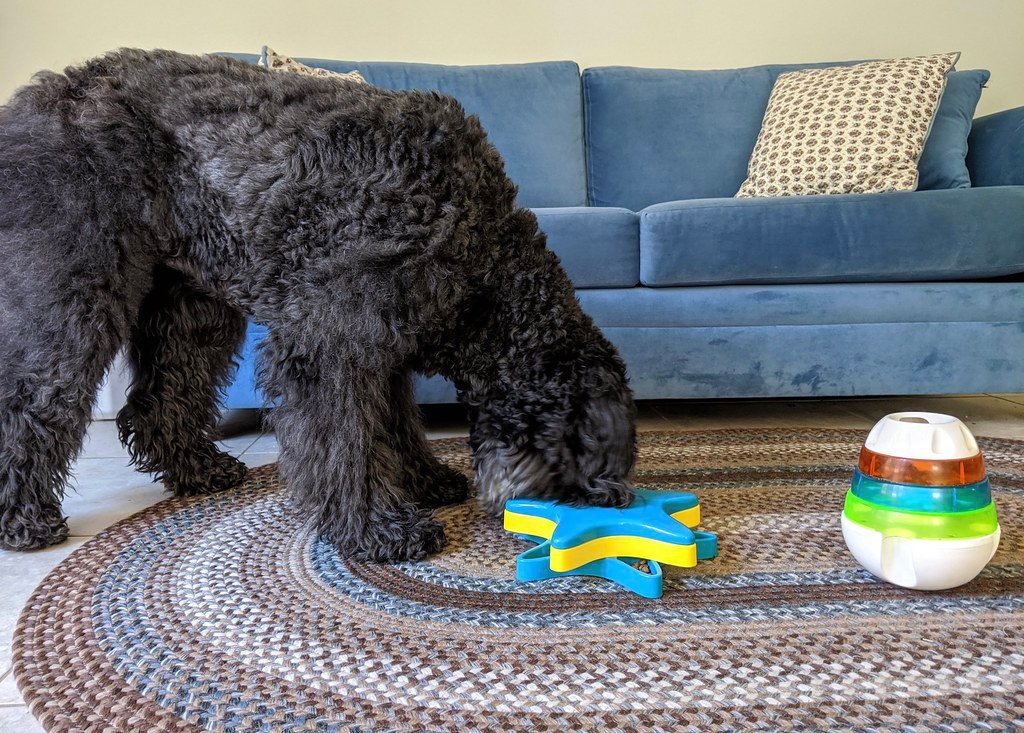
The good news is, you can take steps to slow down dementia or even prevent it. Regular walks, brain games, and new experiences keep your dog’s mind active. Food puzzles, scent games, and teaching new tricks—even old dogs can learn!—make a real difference.
A healthy diet rich in antioxidants and omega-3s supports brain health, too. And don’t forget regular checkups. Catching early changes and talking to your vet can help you get ahead of problems before they grow.
How to Support a Dog with Dementia
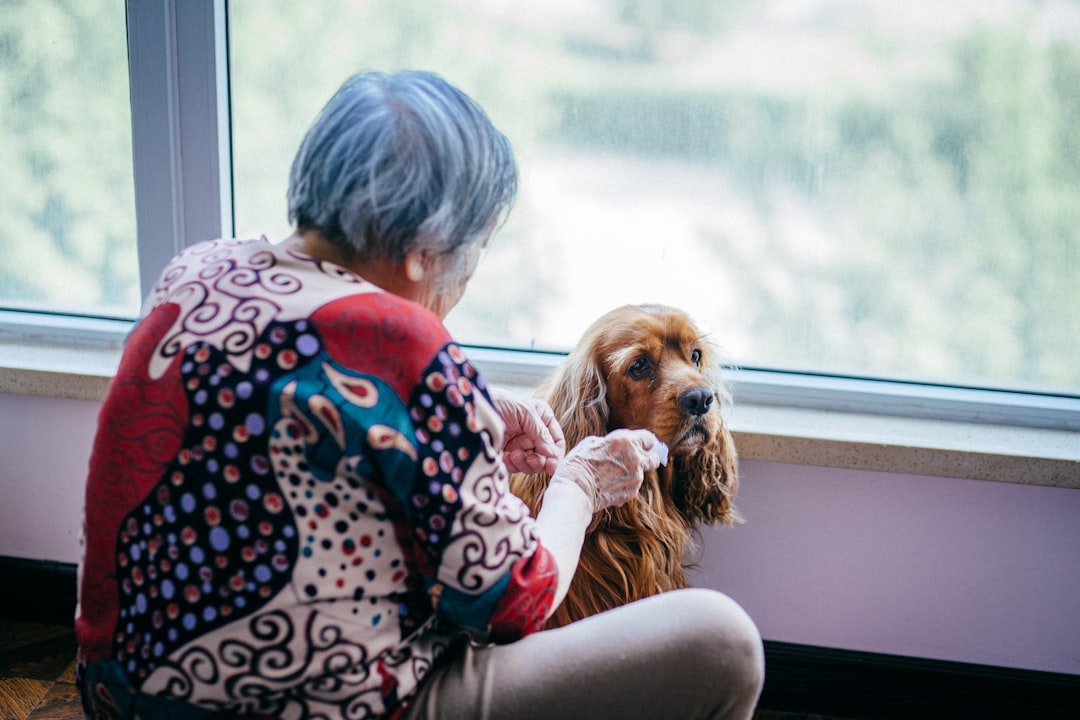
First, be patient. Your dog isn’t being stubborn or naughty—they’re confused and need extra love. Keep routines simple and consistent. Use nightlights if they get lost in the dark, and avoid rearranging furniture.
Gentle touch, calm voices, and plenty of cuddles go a long way. If your dog’s anxiety spikes or they seem scared, comfort them and stay close. Sometimes, medication or supplements can help, but always ask your vet first.
Real-Life Stories: You’re Not Alone
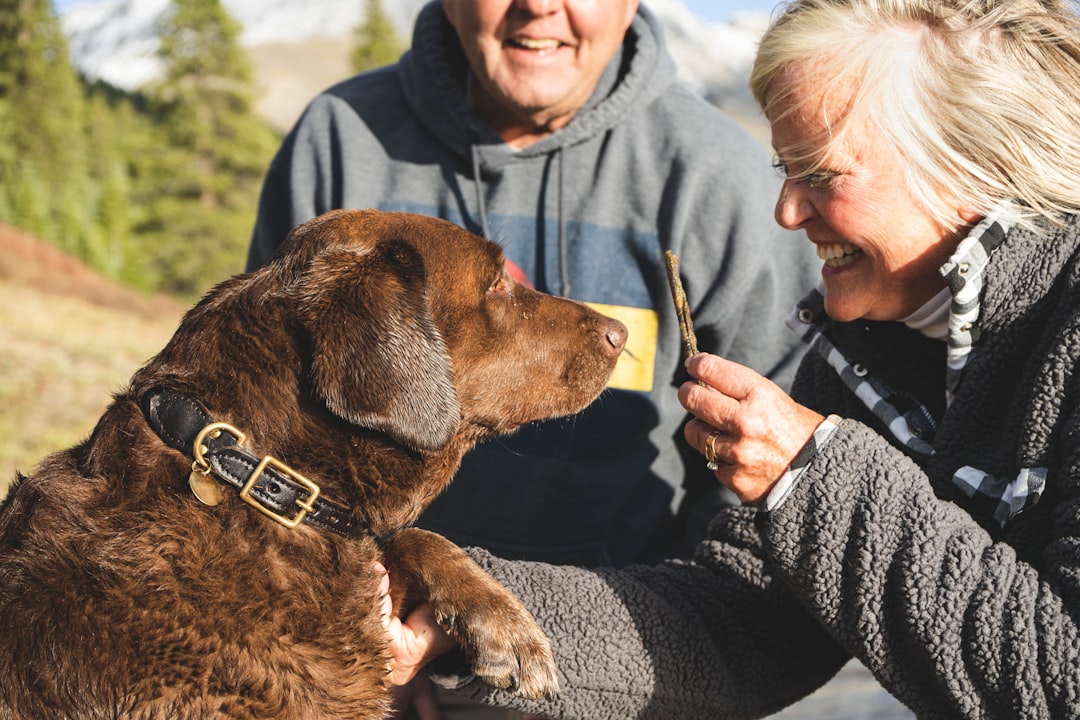
Many caring pet parents have faced dog dementia and found ways to cope. One friend’s spaniel started waking up at odd hours, wandering the halls. With patience, nightlights, and extra hugs, they found a new rhythm together.
Another family used food puzzles and daily walks to keep their terrier engaged, even as her memory faded. These stories remind us: with love and creativity, life can still be joyful for dogs with dementia.
When It’s Time to Get Help
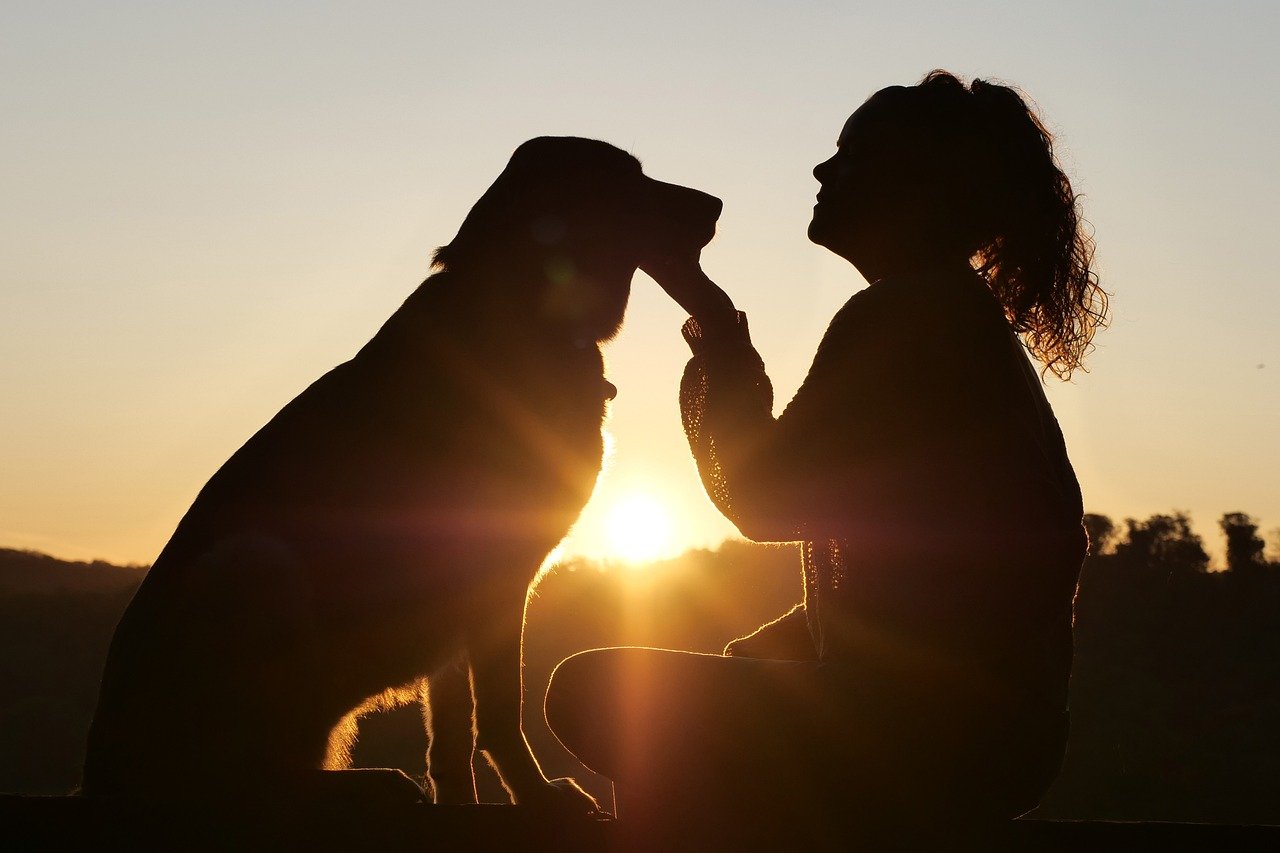
If your dog’s confusion or anxiety seems to worsen, don’t hesitate to reach out for support. Your veterinarian can offer advice, medications, or refer you to a specialist. Sometimes, just knowing what’s happening lifts a huge weight from your shoulders.
You don’t have to face this alone. There are online communities and local support groups who understand exactly what you’re going through. Sharing your worries and successes can make a world of difference.
Esther is from India; the heartbeat of South Asia, holding a Master’s degree in Zoology and a postgraduate diploma in Animal Welfare. Her enthusiasm for animal welfare drives her passion and dedication to working for animals, ensuring their well-being, and advocating for their rights. With a solid academic background and hands-on experience, she is committed to making a positive impact in the field of animal welfare. In her free time, she enjoys embroidery and sewing. As a Chennaite from Tamil Nadu, Esther loves Bharathanatyam, an Indian classical dance form.


