

Have you ever looked into your dog’s eyes and wondered if they truly get what you’re saying? Like, really understand? Not just the tone of your voice, but the actual words? Maybe you’ve noticed your pup tilt their head when you mention their favorite toy, or how they seem to know the difference between going to the vet versus the park. It’s not just your imagination playing tricks on you.
Science has been quietly unraveling one of the most heartwarming mysteries about our four-legged companions. Turns out, your dog’s brain is doing something far more sophisticated than we ever gave them credit for. They’re not just reacting to your happy voice or picking up on your body language. They’re actually processing the words you say in ways that might remind you of how a toddler learns to communicate.
Your Dog’s Brain Has a Left and Right Side for a Reason
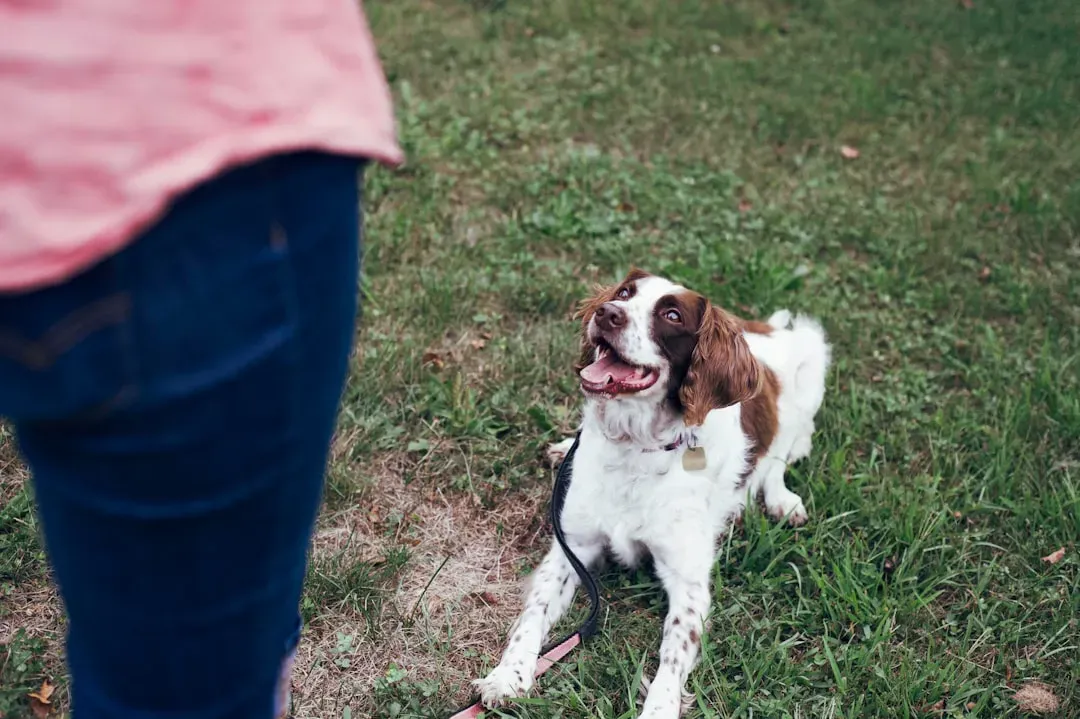
Here’s something that genuinely surprised researchers: dogs process words using their left hemisphere, much like humans do. Meanwhile, they handle intonation separately in the right hemisphere of their brain. This isn’t just a random quirk of evolution.
Think about what this means for a second. When you tell your dog they’re a good boy in an excited voice, their brain is literally splitting up the task. One side analyzes the words themselves while the other evaluates how you’re saying it. The reward center only lights up when praising words match praising intonation. So if you say something sweet in a flat monotone, your dog notices the mismatch.
This discovery challenges what scientists thought they knew about brain evolution. Dogs having a left hemispheric bias for processing meaningful words was a genuine surprise to researchers.
They Really Do Know More Words Than You Think
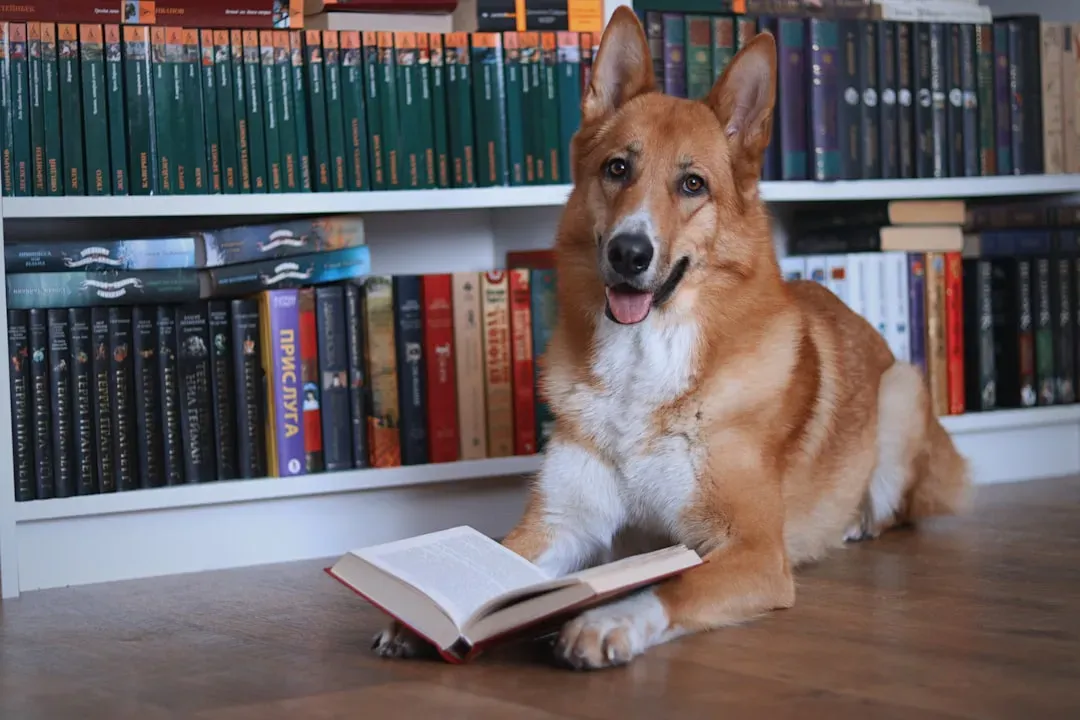
Let’s talk numbers, because this gets impressive. Research shows the average dog can learn around 165 words. That’s not just basic commands like sit and stay. Most dogs understand somewhere between 80 and 100 words, though highly trained dogs can learn hundreds or even more than 1,000.
I know what you’re thinking. A thousand words? That sounds wild. Yet there’s Chaser, a Border Collie who learned the names of 1,022 objects after three years of intense training. She could even understand combinations of commands with object names.
Dog owners typically identify about 89 terms their pets respond to, including their name and commands like sit, come, down, stay, and wait. Honestly, pay attention to how your dog reacts when you casually mention words like treat, dinner, or walk. They’re listening more carefully than you realize.
The Really Fascinating Part About How They Learn
Recent studies revealed something that sounds almost too good to be true. Some dogs can actually learn words from overheard speech, similar to how bonobos and possibly African grey parrots do. This means certain gifted dogs pick up vocabulary just by eavesdropping on your conversations.
At 18 months, human infants learn new object labels whether directly addressed or overhearing interactions between others. Research suggests dogs can possess sociocognitive skills that are functionally parallel to 18-month-old humans. That’s genuinely remarkable when you think about it.
Dogs have a remarkable ability to understand human speech even when not directed at them and spoken in monotone, identifying meaningful content like their names within streams of irrelevant speech. Your dog might be listening when you’re chatting on the phone or talking to a family member. They’re processing more than you’d expect from a creature that can’t speak back to us.
What’s Actually Happening Inside Their Head

Scientists used brain imaging technology to peek inside dogs’ minds while they listened to human speech. Recent EEG studies showed that when dogs hear an object’s name, they form expectations based on mental representations, and their brains show surprise when the object doesn’t match. This is huge. It means they’re not just memorizing sounds paired with rewards.
Researchers trained 12 dogs over two to six months to distinguish between two toys based on their names, then used fMRI to study whether dogs could differentiate between familiar and unfamiliar words. The results showed genuine word processing, not just conditioned responses.
When humans receive compliments, primitive auditory regions react to intonation first, then the auditory cortex processes meaning; dogs’ brains follow similar hierarchical steps, analyzing emotional components before processing word meanings. It’s almost like their brains evolved a backdoor into understanding us.
What really gets me is how dogs and humans last shared a common ancestor about 100 million years ago, suggesting many mammals likely respond to vocal sounds similarly. This ability wasn’t created just for dogs. It was already there, waiting.
Making Your Communication Even Better
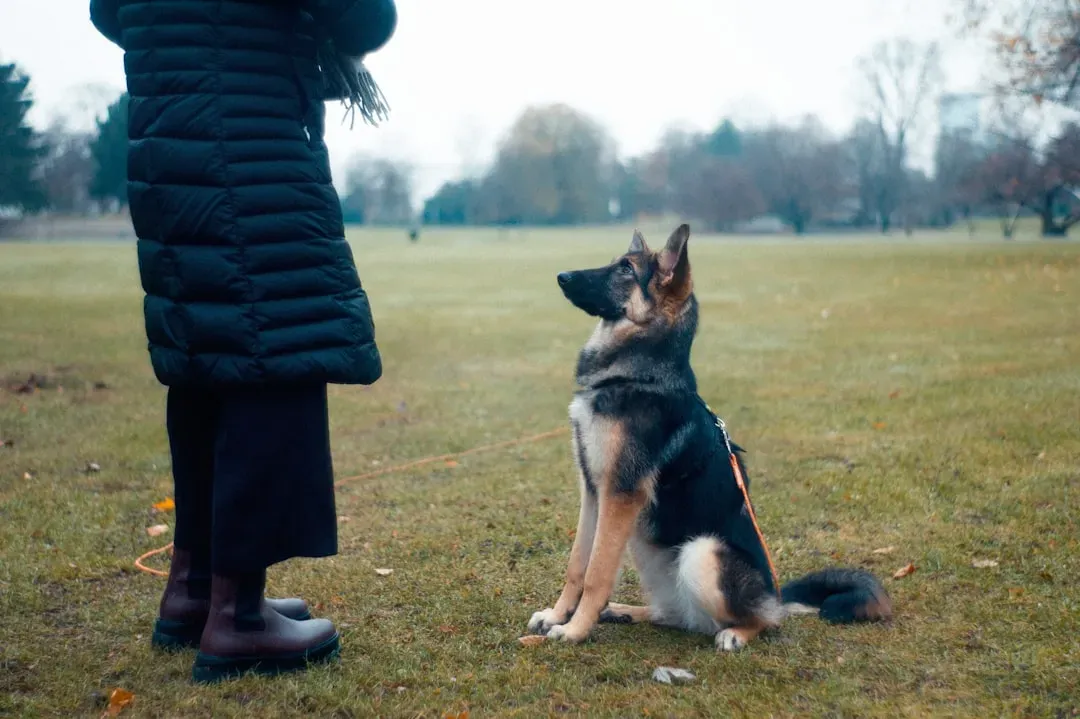
Now that you know your dog is genuinely listening and processing, you can use this knowledge practically. Pick words that don’t sound alike, because research shows dogs struggle to differentiate between familiar words and similar nonsense words. Don’t expect them to easily tell the difference between treat and meat, for example.
Consistency matters more than you’d think. Always use the same word for the same thing. Your dog’s brain is building associations, and changing terminology confuses the neural pathways they’re establishing. When teaching new vocabulary, say your dog’s name first to grab their attention, then follow with the word you want them to learn.
The more time dogs spend in an active language environment, the more they’re exposed to human speech and the more opportunities they have to learn word-meaning associations. Talk to your dog more. Not in baby talk necessarily, but in clear, consistent language. They’re soaking it up.
Keep sessions short and fun. Practice routines a few times daily in five-minute sessions, repeating the chosen word 20 to 30 times per session. Reward correct responses immediately so their brain makes strong connections between the word, the action, and the positive outcome.
Conclusion: The Deeper Bond Between You

Understanding that your dog truly comprehends what you’re saying changes the relationship, doesn’t it? They’re not just loyal pets responding to sounds and treats. They’re actively engaging with human language in ways that mirror how young children learn to communicate.
The similarities between how canine and human brains interpret speech might reflect the fundamental influence humans have had on dog brains since domestication began roughly 35,000 years ago, with similarly tuned brains better suited for connecting with each other. We’ve literally shaped each other’s minds over millennia.
So next time you chat with your dog, remember they’re processing both what you say and how you say it. They notice when your words and tone don’t match. They learn from conversations they overhear. They build mental pictures of objects when you say their names. That’s not just cute. That’s cognitive sophistication we’re only beginning to fully appreciate.
What words does your dog know that might surprise other people? Have you noticed them learning just by listening to your daily conversations? The science says it’s entirely possible.


