
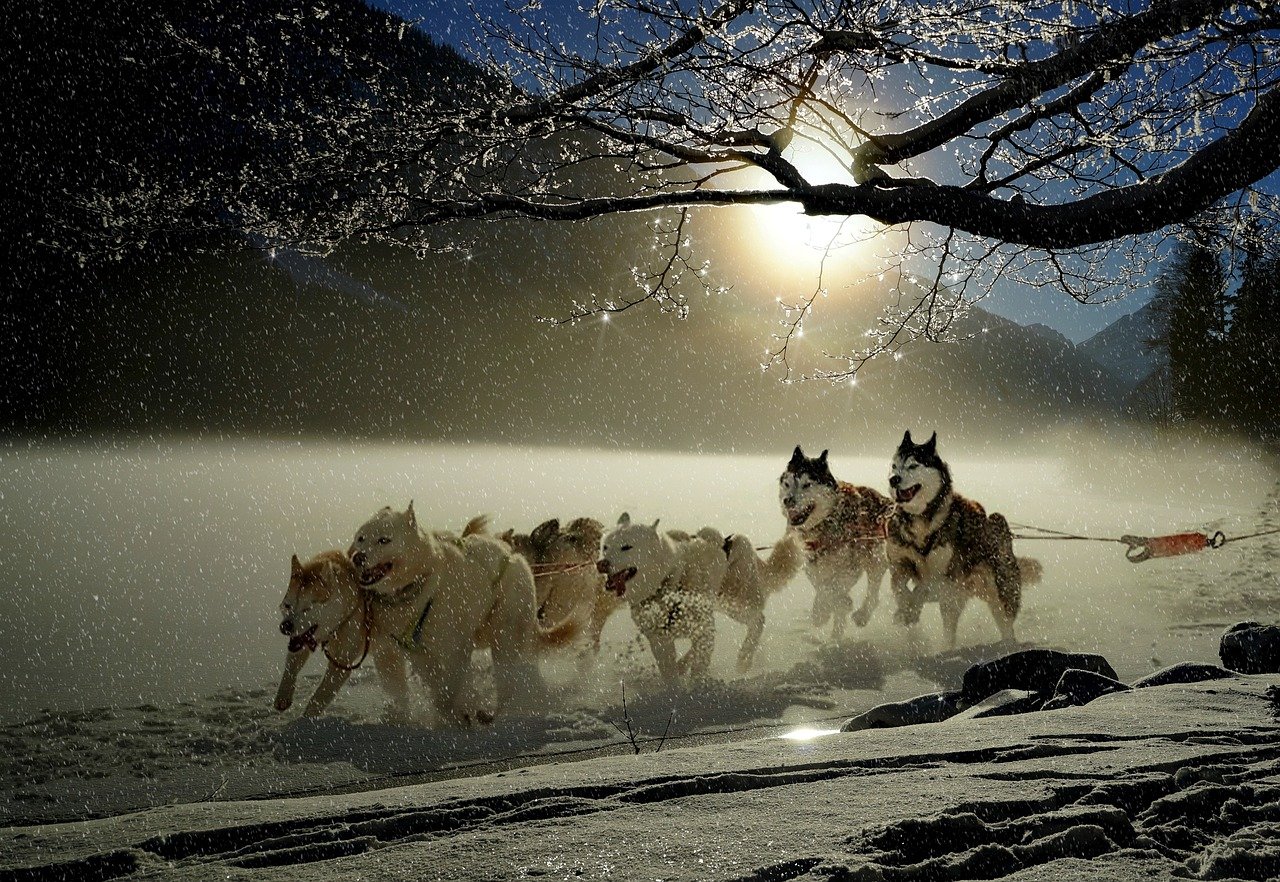
Anchorage – Hundreds of barking dogs filled downtown streets with their eager howls on March 7 as the ceremonial launch of the famed Iditarod Trail Sled Dog Race captivated thousands of spectators.[1][2]
Excitement Builds Under Snowy Skies
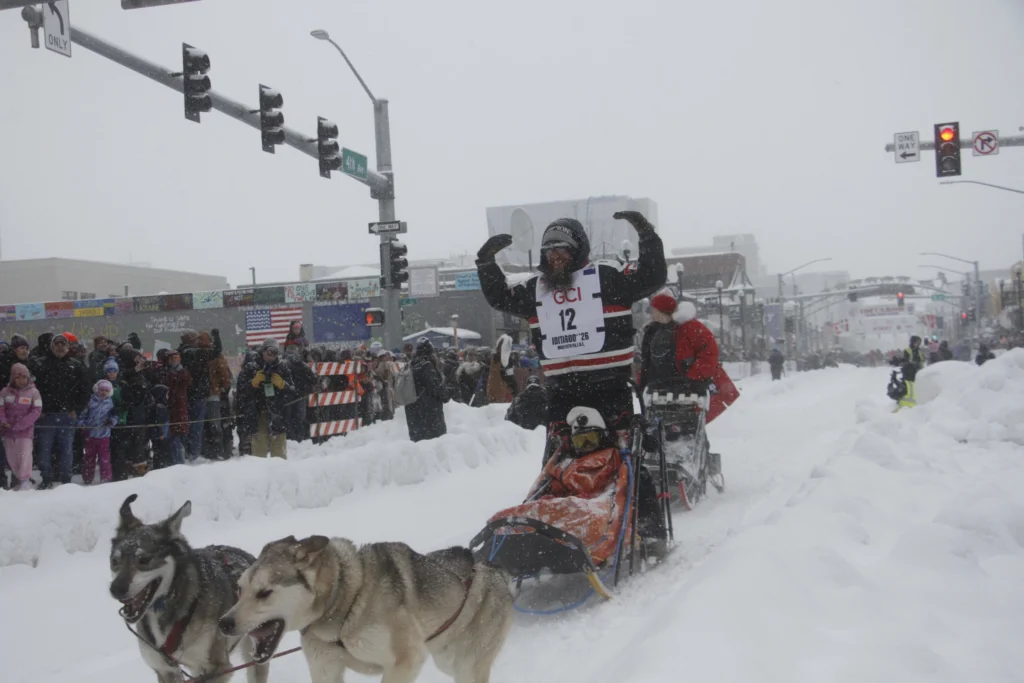
Fresh snow blanketed the city, turning the 11-mile route along Fourth Avenue and beyond into a winter wonderland perfect for the occasion. Temperatures hovered at a frigid 19 degrees Fahrenheit, yet fans braved the cold in colorful costumes and creative outfits to line the barriers.[1][2] The dogs’ relentless barking created a symphony of anticipation, signaling their readiness for the parade-like procession to Campbell Tract.
Junior Iditarod champion Stanley Robinson led the field, carrying the honorary bib for the late Mary Shields, the first woman to finish the race in 1974. Competitive rookie Adam Lindenmuth followed as the first official entrant, with defending champion Jessie Holmes and past winners Ryan Redington and Pete Kaiser close behind. Street crews had dumped hundreds of loads of snow overnight to ensure safe passage.[2][3]
Spotlight on Standout Mushers
A field of 37 mushers participated, including 34 vying for the championship and three in the new Expedition Class. Rookies numbered 14, bringing fresh energy to the tradition. Paige Drobny, a veteran on her 10th start, arrived in a flamboyant aquatic onesie alongside handlers in unicorn and jellyfish attire.[2][4]
Defending champion Jessie Holmes sought a rare back-to-back victory. “I’m looking forward to the moments where it’s not easy,” he remarked, emphasizing resilience amid adversity.[5] Other notables included Gabe Dunham on her fourth attempt and Han Gwich’in rookie Jody Potts-Joseph, who drew inspiration from Alaska Native predecessors to preserve cultural traditions.
Innovation in the Expedition Class
The inaugural Iditarod Expedition Musher Program introduced non-competitive participants like Norwegian billionaire Kjell Rokke and Canadian Steve Curtis. Rokke, supported by 2020 champion Thomas Waerner, provided substantial financial backing, boosting the purse to $650,000 and aiding checkpoint villages.[1] These entrants received outside assistance, differing from standard rules.
Waerner highlighted the program’s potential: “I believe it is healthy for the sport to evolve and look at new opportunities.”[1] The addition reflected efforts to sustain the sport amid rising costs, while maintaining high standards for dog care and competition.
Fans Fuel the Festive Vibe
Thousands gathered along trails, from the Mushing District arch to Trailgate parties at Eastchester Park, offering high-fives and cheers. Military visitors, families, and first-timers marveled at the scale, with one newcomer calling it “nuts” to imagine the full 1,000-mile journey ahead.[2] Spectators arrived by ski, fat bike, or foot, turning the event into a statewide celebration.
- Creative crowd attire: Hockey jerseys, fur hats, and onesies dotted the sidelines.
- Trailside gatherings: High-fives at Chester Creek Trail and warm-ups in ice fishing huts.
- New enthusiasts: Teachers planning lessons and military personnel seizing rare opportunities.
- Local favorites: Cheers for mushers like Rohn Buser and Kevin Hansen echoed through the snow.
Trail Ahead Promises Challenges
The official restart occurred Sunday in Willow, launching the northern route over mountains, the Yukon River, and Bering Sea ice to Nome. Deep snow in sections like Ophir to Ruby demanded extra trail work, while solid ice eased coastal passages.[3] Organizers anticipated the winner around March 16.
Key Takeaways
- 37 mushers, 14 rookies, three former champions in the mix.
- Purse boosted to $650,000; winner expected ~$80,000.
- Snowy conditions revived the full 11-mile ceremonial route.
The barking frenzy marked not just a start, but a testament to Alaska’s enduring mushing heritage amid evolving support. What memories from the Iditarod ceremonial start stand out for you? Share in the comments.


