
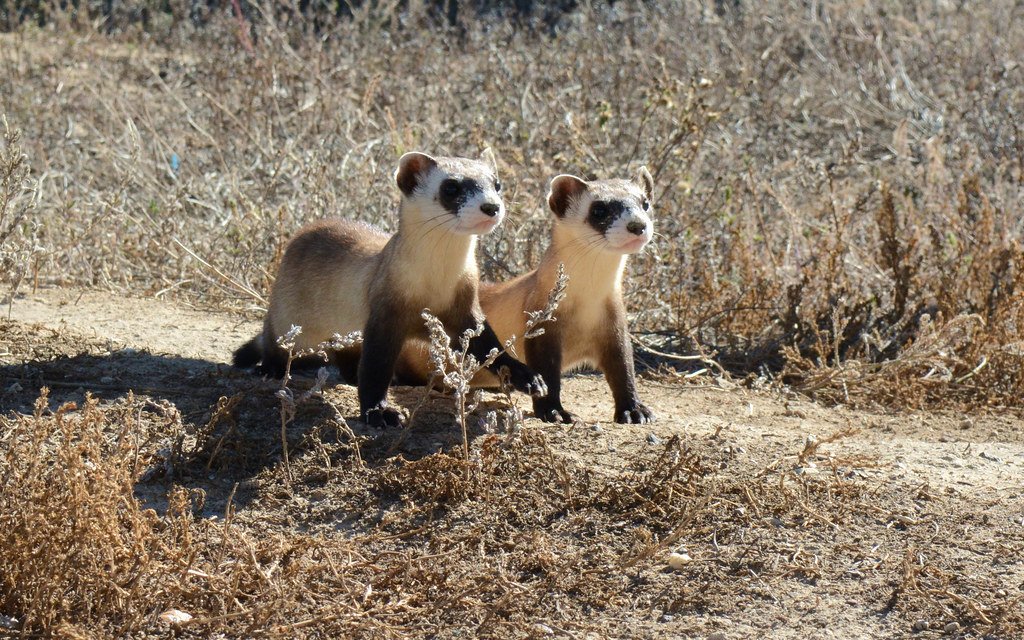
In a groundbreaking step for wildlife conservation, two cloned black-footed ferrets—Noreen and Antonia—have been born as part of a pioneering genetic research effort to help rescue one of North America’s most endangered mammals. The black-footed ferret was added to the endangered species list in 1973 and has faced decades of decline due to habitat loss, disease, and genetic bottlenecks.
Now, in a historic breakthrough, Antonia has become the first cloned endangered animal to successfully give birth—an achievement conservationists are calling a monumental leap forward for species recovery.
The announcement, made by the U.S. Fish and Wildlife Service (USFWS) and its conservation partners, marks a significant step forward in using cloning technology to improve species survival and a milestone in genetic recovery.
The Return of a Once-Lost Species
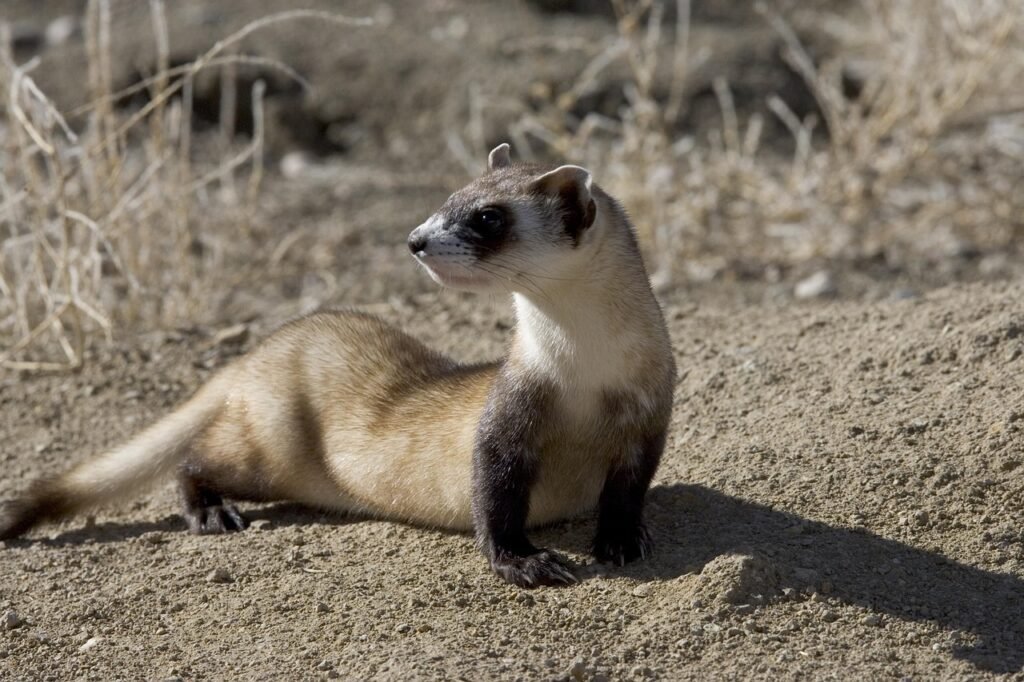
Once believed extinct, the black-footed ferret was rediscovered in the 1980s when a small population was found in Wyoming. Since then, breeding programs have worked to sustain the species—but with limited genetic diversity, the long-term survival of the ferrets remained uncertain.
That’s where science stepped in.
Using frozen cells from a female ferret named Willa—who died in 1988 without producing any offspring—researchers created Elizabeth Ann in 2020, the world’s first cloned black-footed ferret. While Elizabeth Ann could not reproduce naturally, her genetics became the basis for further cloning efforts, leading to the births of Noreen and Antonia.
Antonia: A First in Conservation History
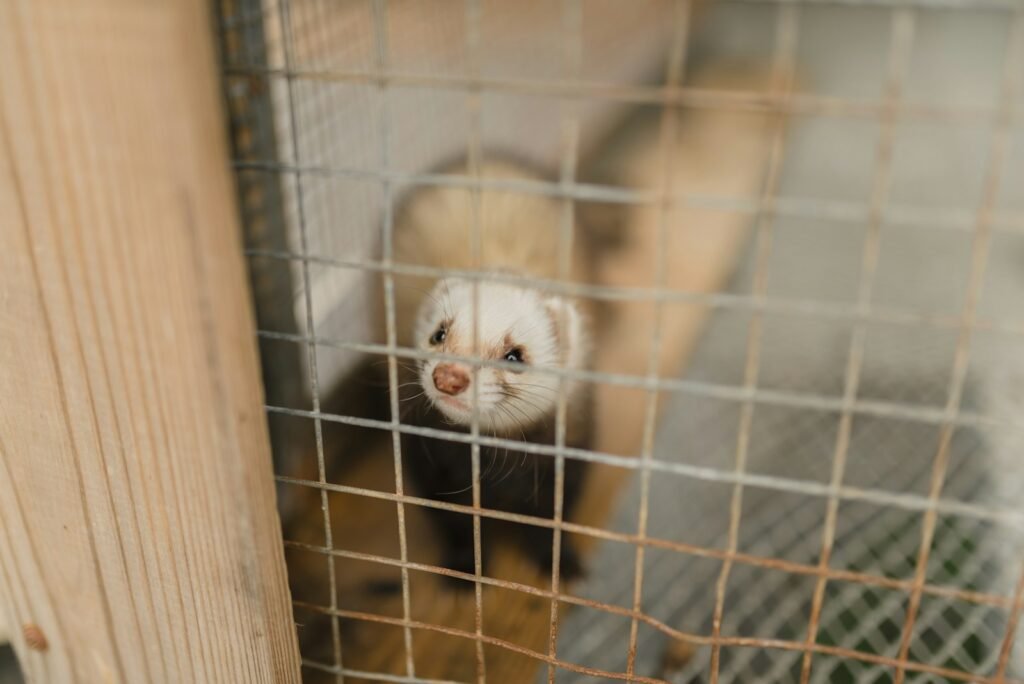
In November 2024, Antonia made history by giving birth to two healthy kits, becoming the first-ever cloned, endangered animal to reproduce. This success not only validates cloning as a viable tool for species recovery but also introduces a new generation of black-footed ferrets with reintroduced genetic diversity.
“The successful breeding and subsequent birth of Antonia’s kits marks a major milestone in endangered species conservation,” said Paul Marinari, senior curator at the Smithsonian’s National Zoo and Conservation Biology Institute (NZCBI). “The many partners in the Black-footed Ferret Recovery Program continue their innovative and inspirational efforts to save this species and be a model for other conservation programs across the globe.”
A Team Effort in Conservation Innovation
This conservation milestone was made possible through a collaborative effort between the U.S. Fish and Wildlife Service, Revive & Restore, ViaGen Pets & Equine, San Diego Zoo Wildlife Alliance, and the Smithsonian’s NZCBI. By combining advanced cloning technology with traditional recovery methods, the team aims to restore lost genetic traits and increase population resilience.
Efforts are already underway to evaluate how cloned individuals like Noreen and Antonia may contribute to resistance against sylvatic plague—a flea-borne bacterial disease that continues to threaten wild ferret populations.
The goal? To ensure that species like the black-footed ferret have a fighting chance—not just to survive, but to thrive.
Why It Matters
Native to the grasslands of the American West, black-footed ferrets are vital for controlling prairie dog populations and preserving balanced ecosystems. With only a few hundred left in the wild, every birth—and every strand of viable DNA—matters.
Greater genetic diversity helps reduce vulnerability to disease, increase fertility rates, and improve adaptability to changing environments. Antonia’s successful breeding is not just a scientific first—it’s a symbol of hope for endangered species worldwide.
Looking Ahead
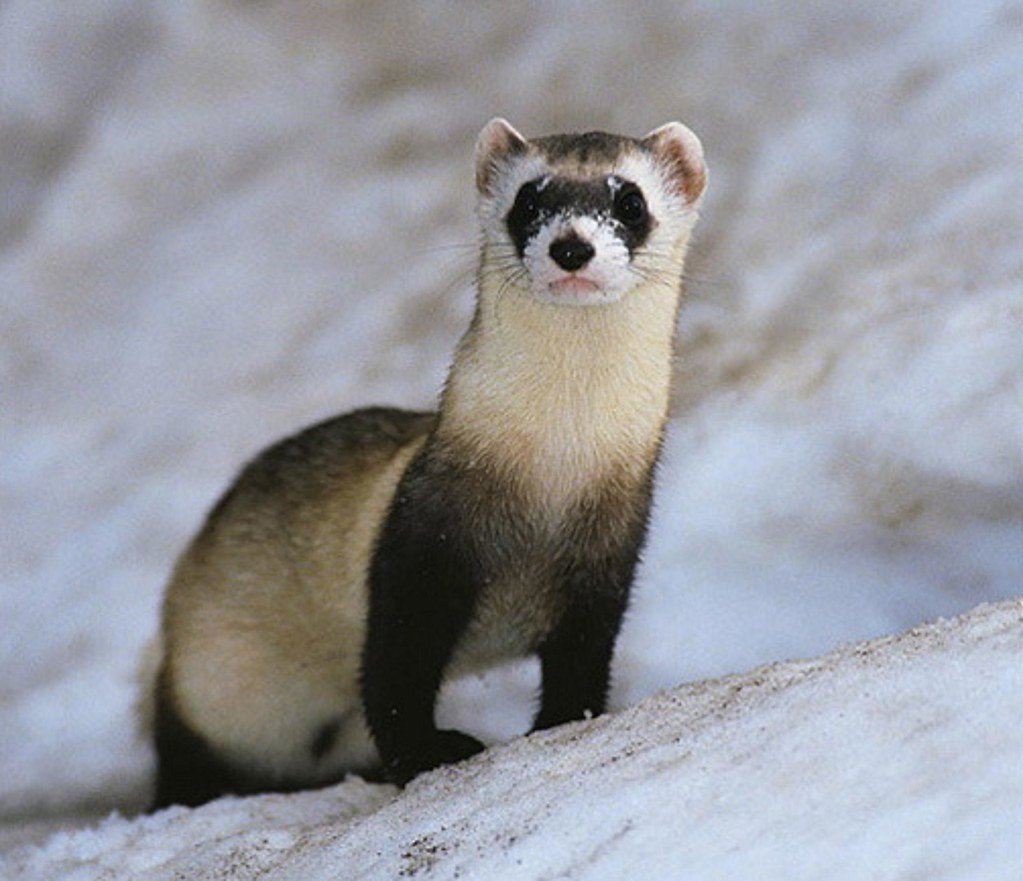
While cloning remains a complex and evolving field, the success of Antonia and her kits highlights its growing potential in conservation. As habitat loss, climate change, and human pressures continue to impact biodiversity, science-backed innovations like this may become key to safeguarding Earth’s most vulnerable species.


