
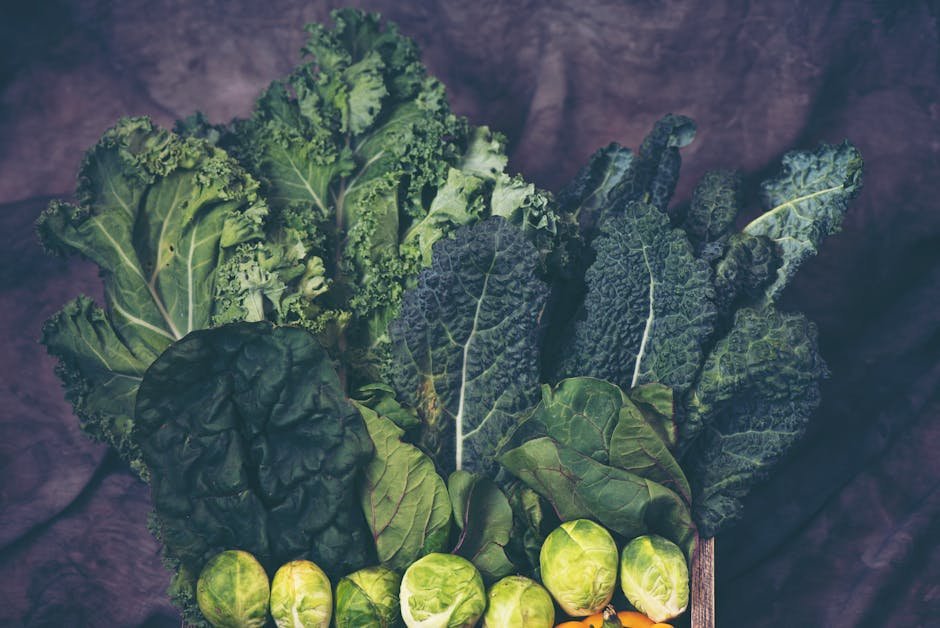
Pet owners often seek ways to enrich their dogs’ meals with natural ingredients. Collard greens emerge as a nutrient-dense option that many healthy dogs tolerate well when prepared correctly. These sturdy leaves offer vitamins and fiber that support overall wellness, though moderation remains key to avoiding digestive woes.[1][2]
Nutrients That Fuel Canine Health
Collard greens deliver a wealth of essential vitamins and minerals tailored to a dog’s needs. Owners notice improvements in digestion and vitality when incorporating them sparingly.[3]
High in vitamins A, C, and K, these greens aid vision, immunity, and blood clotting. Folate and riboflavin contribute to cell function, while potassium and magnesium support muscle and heart operations. Fiber acts as a prebiotic, fostering beneficial gut bacteria and easing bowel movements.[2][4]
- Vitamin K: Promotes bone health and clotting.
- Vitamin A: Enhances skin and coat quality.
- Vitamin C: Bolsters antioxidant defenses.
- Fiber: Regulates digestion and hydration.
- Calcium: Strengthens bones and muscles.
Proven Advantages Beyond Basic Nutrition
Studies link leafy greens like collards to lower bladder cancer risks in certain breeds when fed regularly. Antioxidants combat free radicals, potentially reducing chronic disease odds.[5]
Glucoraphanin in collards nurtures gut flora, curbing gas and promoting metabolic balance. Soluble fiber lowers cholesterol, benefiting cardiovascular health over time. Many dogs experience firmer stools and shinier coats from consistent, small servings.[1][2]
Key Risks and When to Hold Back
Not every dog suits collard greens equally. Those with kidney or bladder conditions face heightened stone risks from calcium oxalates.[3]
Excess intake triggers diarrhea due to fiber overload. Raw leaves prove tough, often leading to stomach upset. Stems pose choking threats or blockages if overlooked. Canned versions carry sodium and additives that harm more than help.[1]
| Risk Factor | Impact | Avoid For |
|---|---|---|
| Oxalates | Kidney stones | Dogs with urinary issues |
| High fiber | Diarrhea | Sensitive stomachs |
| Raw form | Indigestion | All dogs |
Mastering Safe Preparation Techniques
Proper handling transforms collards into a digestible delight. Start by stripping leaves from thick stems, which most experts deem too fibrous.[2]
Wash thoroughly, then chop into ribbons. Steam for 10 minutes or boil briefly to soften fibers while retaining nutrients. Drain excess water and mix a small portion into regular kibble. Skip all seasonings – onions, garlic, butter, and salt spell trouble.[1][3]
Limit to less than half a cup daily, scaled to your dog’s size. Introduce gradually over days to monitor tolerance. Fresh preparation beats store-bought every time.
- Cook thoroughly and remove stems for safety.
- Offer small amounts to healthy dogs only.
- Consult your vet before dietary changes.
Collard greens stand out as a simple way to elevate your dog’s nutrition without complexity. Balance rewards thoughtful prep against individual health profiles. What do you think about adding greens to your pup’s bowl? Tell us in the comments.


