
In Colombia’s verdant wildlife centers, a fragile baby gray titi monkey battles for survival after abandonment. Caretakers at the Wildlife Care and Assessment Center Fauna Silvestre provide unwavering attention to this vulnerable infant, using a oversized teddy bear as a comforting surrogate. This heartwarming effort comes amid rising concerns over primate rescues in the region. Let’s dive into the story behind this tiny fighter’s journey.
A Tiny Survivor Finds a New Home
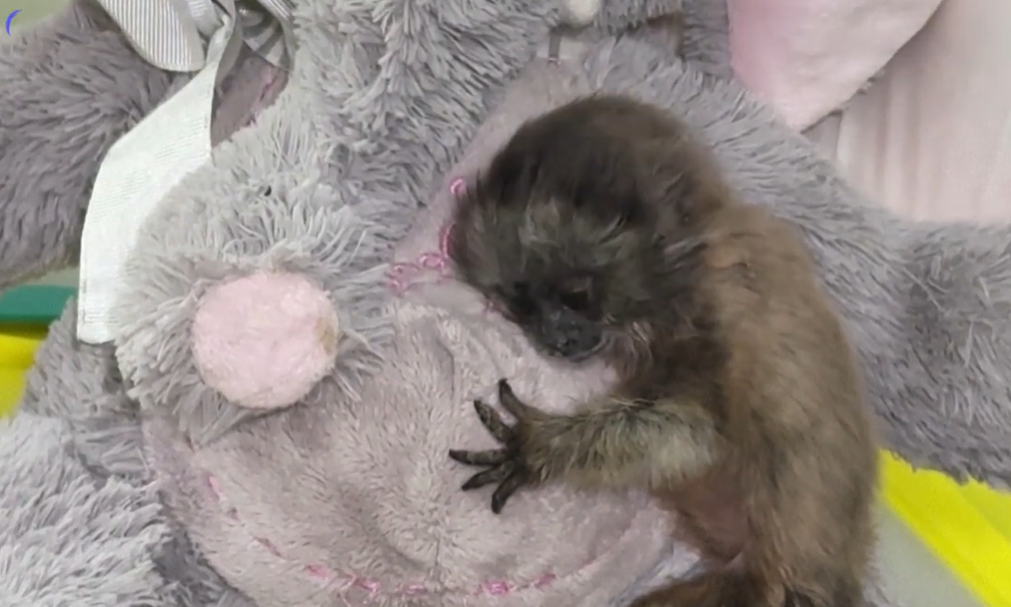
Nestled deep into a teddy bear far larger than itself, the baby gray titi monkey receives essential warmth and security at the Colombian sanctuary. Arriving in a weakened, dehydrated state, the infant now benefits from round-the-clock monitoring by dedicated handlers. This approach mimics the natural maternal bond these primates crave in the wild. The sanctuary’s location in Antioquia positions it perfectly to combat local threats to wildlife. Progress shows already, with the monkey gaining strength daily. Such stories spotlight the human touch in conservation.
The Dire Threats to Gray Titi Monkeys
Gray titi monkeys, scientifically known as Plecturocebus discolor, roam the tropical forests of Colombia and nearby areas in small family groups. Habitat destruction from deforestation and the illegal pet trade have left only a few thousand in the wild. Mothers typically nurture infants for months, but poaching disrupts this cycle, leading to frequent abandonments. Weakened babies like this one face high risks without immediate care. Regional pressures exacerbate the species’ vulnerable status. Conservationists stress the urgency of protecting their Amazon basin homes.
Specialized Rehabilitation at Work
Caretakers employ tailored milk formulas that match the nutrition of wild maternal milk, feeding the infant every few hours. The teddy bear surrogate aids psychological development, helping the monkey practice gripping and self-soothing. Environmental enrichments like soft fabrics and natural sounds promote healthy growth. Vital signs get constant checks, with adjustments based on progress. Playful behaviors have emerged, signaling positive gains in weight and mobility. This holistic method sets the stage for long-term success.
Navigating Rescue Challenges in Colombia
Orphaned primate infants suffer high mortality from weak immune systems and stress-related ailments. Sourcing proper nutrition and managing logistics prove tough in remote areas. Colombia’s laws require strict documentation to block re-trafficking. Sanctuaries bridge gaps in government funding, handling surges in confiscated animals. The pet trade fuels much of the abandonment crisis. Despite hurdles, facilities like Fauna Silvestre boast strong release records into protected zones.
This baby gray titi’s resilience inspires action against wildlife threats in Colombia. Sanctuaries prove vital in turning the tide for endangered primates. What steps can we take to support such efforts? Share your thoughts below. You can watch the original video here
Source: Original YouTube Video


