
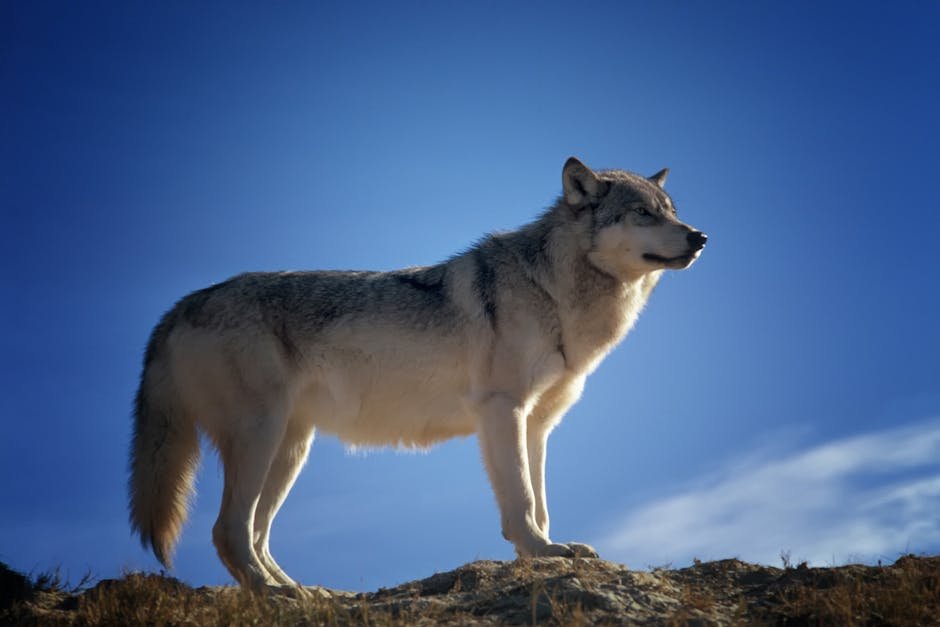
Colorado – State wildlife officials tracked lone gray wolves moving farther east than previously recorded, reaching into the southern Front Range foothills last month.[1][2]
Two Lone Wolves Lead the Eastern Push
Two individual collared gray wolves roamed separately through watersheds in Colorado’s southern Front Range mountains during late January and February 2026. These animals ventured into areas spanning Douglas and Huerfano counties, with GPS signals placing them as far east as Interstate 25 south of Pueblo. Officials noted the movements marked the easternmost points since wolves returned to the state in 2023. The wolves operated independently, separate from the four established packs in the central mountains.[1]
Colorado Parks and Wildlife (CPW) emphasized that the wolves passed through these regions rather than settling there. GPS collars transmitted locations roughly every four hours, highlighting watersheds with at least one signal during the period. No confirmed crossings of I-25 occurred, and the animals stayed west of major population centers like Pueblo and Colorado Springs.[2][3]
Details from the Latest CPW Activity Map
CPW released its most recent collared gray wolf activity map covering January 27 to February 24, 2026, revealing broad dispersals by some wolves alongside more stationary pack behaviors. Highlighted watersheds in the San Luis Valley near the southern Front Range showed activity from the two lone wolves. The map served public awareness, recreationists, and livestock producers by indicating passage zones without implying full occupancy.[2]
Brenna Cassidy of CPW observed, “Wolves are quite nervous around people generally,” noting sightings near towns remain very rare. She added no uptick in Front Range reports followed the tracked movements. The data underscored ongoing exploration by dispersing wolves, often young adults seeking mates or territory.[1]
Background on Reintroduction and Population Growth
Voters approved Proposition 114 in 2020, directing CPW to restore gray wolves west of the Continental Divide by late 2023. Officials released 10 wolves that December, sourced from distant regions to minimize border influences. Natural immigration from Wyoming supplemented early numbers, leading to four packs by early 2026.[2]
Plans for additional releases paused this winter after federal hurdles blocked new captures. Cassidy expressed support for the lone wanderers: “I’m sitting here rooting for them.” Successful pairings among dispersers now hold key to building a self-sustaining population. CPW continues monitoring via collars and public reports, with annual biological updates planned.[1]
Balancing Expansion with Human Landscapes
Gray wolves remain state-endangered and federally protected, harvestable only in self-defense. CPW resources guide coexistence, stressing reporting of reliable sightings with photos. Livestock operators receive alerts through the watershed maps to prepare non-lethal deterrents.
- Watershed maps update monthly, showing passage not residence.
- No urban proximity recorded in recent data.
- Dispersal aids genetic diversity and range recovery.
- Public input refines management amid growth.
- Packs develop territories, limiting broad roaming.
Key Takeaways
These eastern forays signal wolves reclaiming historical habitat, yet careful monitoring ensures minimal conflicts. Visit CPW’s Wolf Sightings page for maps and tips. What steps should Colorado take next to support this recovery? Share your thoughts in the comments.


