
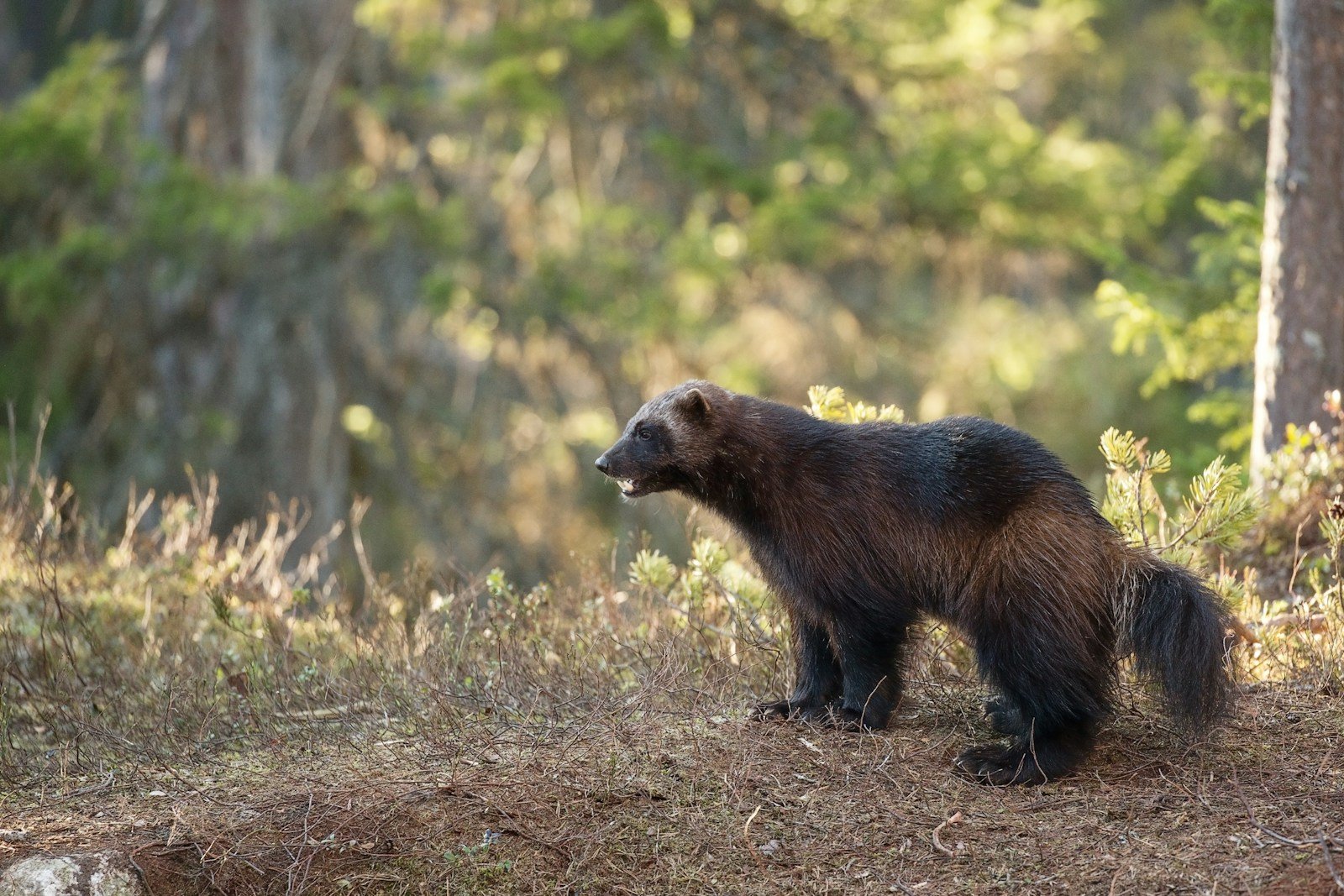
Colorado wildlife officials are moving forward with an ambitious plan to reintroduce wolverines — one of North America’s most elusive predators — back into the state’s high-elevation wildlands. Once native to Colorado, wolverines disappeared from the region more than a century ago due to trapping, habitat loss, and human development. Now, after decades of planning and legislative action, state biologists are unveiling a formal Wolverine Restoration Plan aimed at restoring the species to its historic range.
The plan comes at a time when the wolverine is already listed as a federally threatened species under the Endangered Species Act and reflects a broader commitment to biodiversity and ecosystem restoration in the Rockies. Officials hope this effort will strengthen wolverine populations in the contiguous United States, where they remain sparse and fragmented.
A Century of Absence and a New Conservation Era
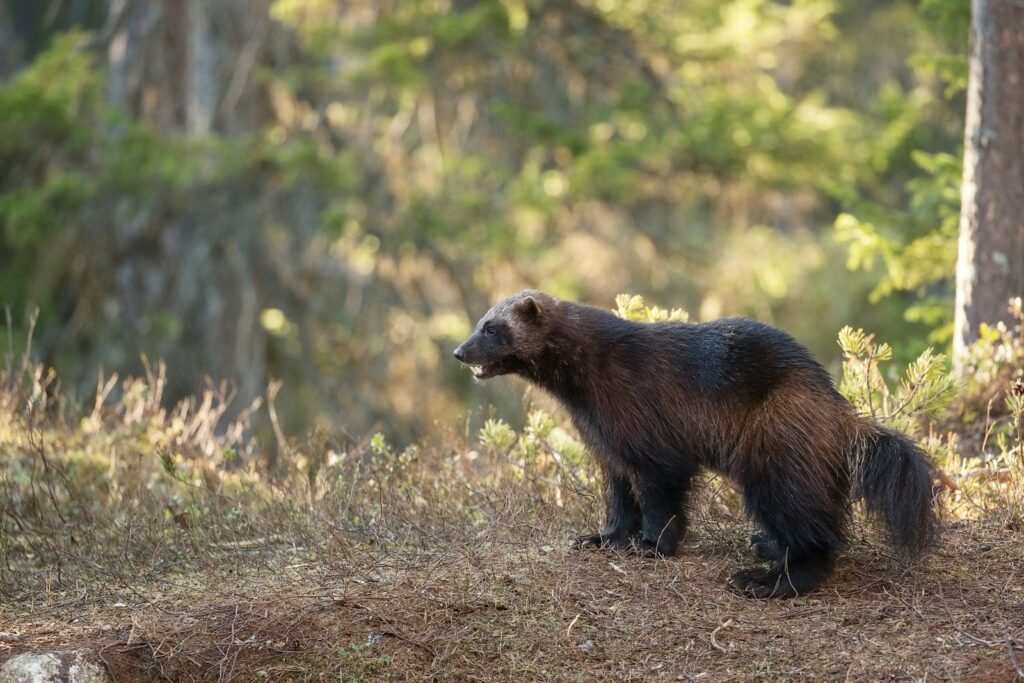
Wolverines were once a part of Colorado’s rugged mountain ecosystems, but were driven out by hunting and habitat loss by the early 1900s. The last confirmed population died out more than 100 years ago, although rare sightings — such as a GPS-collared male that wandered through the state in the late 2000s — showed the region still offered suitable habitat.
The idea of returning wolverines has been discussed since the late 1990s and gained momentum with legislative approval in 2024, when Colorado lawmakers passed a bipartisan bill authorizing the effort and setting aside funding to support it. Officials believe Colorado holds about 20% of the wolverine habitat available in the lower 48 states, offering an ideal setting for reintroduction.
What the Restoration Plan Entails
The newly released restoration plan outlines a methodical approach that includes translocating up to 15 wolverines per season over at least three years, bringing in roughly 45 individuals to establish a breeding population. State wildlife biologists will focus on high alpine areas — places with deep snowpack that wolverines rely on for denning and rearing young — and work to ensure the animals have the space and resources to thrive.
Under a 10(j) designation of the federal Endangered Species Act, the reintroduced wolverines would be declared an “experimental” population, giving Colorado Parks and Wildlife more flexibility to manage and minimize regulatory impacts on local ranchers and recreation areas.
Scientific and Ecological Importance

Wolverines play a unique role in mountain ecosystems as scavengers and apex foragers, and restoring them to Colorado could help rebalance ecological dynamics in the Rockies. Species coordinators emphasize that even a relatively small population — perhaps 100 to 180 animals — could significantly bolster overall wolverine numbers in the contiguous U.S., increasing genetic diversity and resilience.
The effort also reflects broader conservation trends, where states are increasingly taking proactive roles in returning missing native species to their historical landscapes as part of climate adaptation and ecosystem health strategies.
Outreach, Challenges, and Public Involvement
Colorado Parks and Wildlife plans to engage stakeholders throughout the process, including ranchers, outdoor recreation advocates, and local communities. Outreach is considered crucial given the history of controversy around other predator reintroductions — like wolves — and the real concerns some residents have about coexistence and land use.
The restoration plan also includes communication strategies and compensation measures for potential livestock depredation, aiming to balance ecological goals with economic realities. Officials acknowledge this is a long-term effort with uncertainties, but believe careful planning and adaptive management will be key to success.
Why This Matters
This wolverine reintroduction initiative represents a significant milestone in American wildlife conservation. It underscores Colorado’s leadership in restoring lost native species and reconnecting modern landscapes with their natural heritage. Although real challenges lie ahead — from navigating climate impacts to fostering public support — the plan is rooted in science and designed with input from decades of research.
Opinion: The move to reintroduce wolverines is exciting and long overdue. It symbolizes a shift from merely protecting what remains to actively repairing what’s been lost. If successful, Colorado’s effort will not only enhance biodiversity but also inspire other regions to similarly invest in species restoration, reaffirming our collective responsibility to safeguard the wildness that defines America’s natural identity.


