
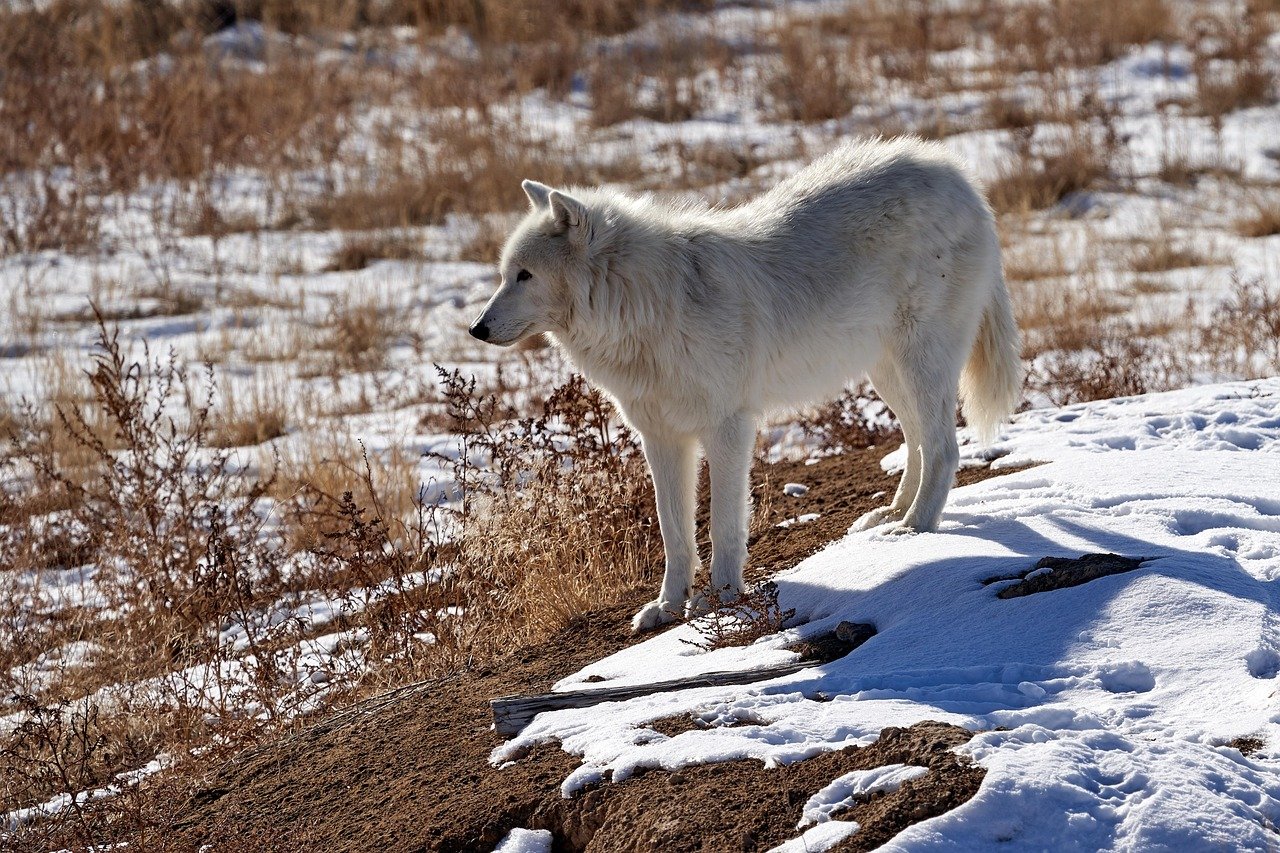
Colorado – Gray wolves roam parts of the state once again, fulfilling a voter mandate from Proposition 114. Yet recent developments underscore persistent tensions between wildlife restoration and ranching interests. Livestock losses have prompted record compensation payouts, while wolf mortality rates raise questions about the reintroduction’s viability.[1][2]
Record Payouts Amid Surging Depredations
The Colorado Parks and Wildlife Commission approved six claims totaling $706,460.91 for wolf-related livestock losses in 2025. This figure represented only a partial list, with statewide compensation expected to surpass $1 million. Ranchers submitted claims around $1.034 million from 10 producers alone.[1]
Officials confirmed 38 livestock deaths or injuries across 33 depredation events that year, including cattle, sheep, and one working dog. The payouts doubled the state’s annual $350,000 allocation from the general fund, drawing on additional sources to cover the excess. In 2024, compensation reached $608,000 for 29 losses, signaling an upward trend.[1]
Commissioners debated the program’s structure during their March 4-5 meeting. One argued for potential simplifications, while another defended its adequacy in restoring ranchers to pre-wolf conditions.
An Elusive Wolf Defies Capture Efforts
A resilient, uncollared male wolf from the former Copper Creek pack became the focus of intense management actions. Orphaned as a pup in Grand County during late summer 2024, it survived a shooting by officials in 2025 and multiple prior removal attempts. The wolf met the criteria for chronic depredation by repeatedly killing sheep in Rio Blanco County, with incidents dating back to July 2025.[2]
Colorado Parks and Wildlife launched a secret lethal removal operation in January 2026, coordinated with the U.S. Fish and Wildlife Service. Teams deployed drones and thermal imaging from January 24 to February 22 but failed to locate the animal amid challenging terrain and lack of snow. Officials suspended the effort on March 12, as they could not act within 30 days of the last confirmed kill, resetting the depredation clock.[2]
CPW Director Laura Clellan expressed gratitude to producers for deploying nonlethal mitigation techniques throughout the ordeal. Wolf advocates had urged the commission to halt the removal during its March meeting.
High Mortality Rates Prompt Investigations
Of the 25 gray wolves translocated to Colorado since December 2023, 14 have died, yielding a 44% survival rate. This falls short of the 70% threshold outlined in the state’s wolf restoration plan, triggering protocol reviews.[3]
Recent cases include wolf 2310, a maternal member of the King Mountain Pack, which died on March 11, 2026, in northwest Colorado. The U.S. Fish and Wildlife Service is investigating the cause pending necropsy results. This marked the pack’s second loss in 2026, following a breeding male’s death during a January collaring attempt.[3]
Earlier, female gray wolf 2504 perished in northwestern Colorado in mid-January 2026, with her necropsy still underway. Since reintroduction began, deaths have stemmed from various causes, including vehicle collisions, predator attacks, legal traps, and livestock-related removals.[4]
Current Population and Management Outlook
Four wolf packs have established territories west of the Continental Divide. GPS collar data from late January to February 2026 showed broad movements by individuals and pack stability. Two uncollared wolves traversed the San Luis Valley into southeast Colorado, but none approached urban areas or crossed major highways like I-25.[5]
No further releases are planned for winter 2026, as officials address high mortality and source population concerns. The King Mountain Pack produced three pups in 2025, offering hope for natural growth despite setbacks. CPW continues case-by-case management, emphasizing nonlethal conflict tools.[3]
- Initial releases: 10 wolves in December 2023.
- Second wave: 15 from British Columbia in early 2025.
- Goal: 30-50 wolves over 3-5 years for self-sustaining population.
- Challenges: Depredations, dispersal, and natural mortality.
Key Takeaways:
- Over $1 million in 2025 compensation highlights escalating rancher costs.
- 44% survival rate among translocated wolves demands program adjustments.
- Nonlethal measures and producer cooperation remain central to conflict resolution.
Colorado’s wolf reintroduction tests the balance between ecological recovery and economic realities. As packs grow and conflicts persist, adaptive management will shape the species’ future in the state. What do you think about these developments? Tell us in the comments.


