
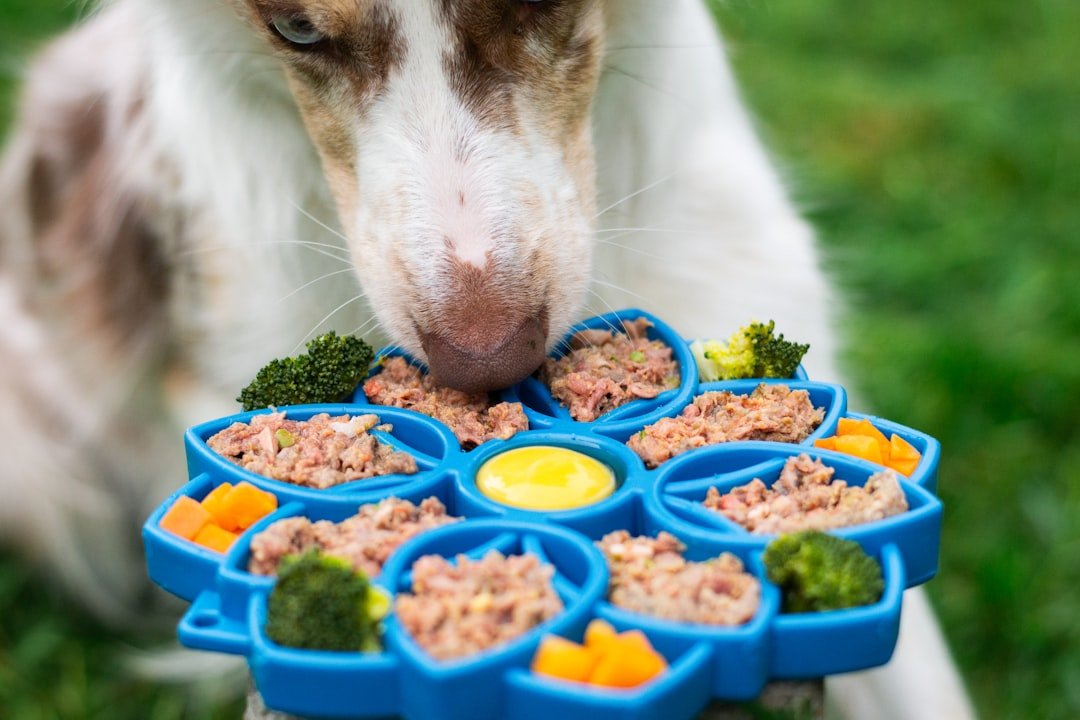
Laboratory analysis of popular dog foods exposed troubling concentrations of lead, mercury, arsenic, cadmium, and plastic-related toxins, raising fresh concerns for pet health.[1][2]
Nonprofit Probe Uncovers Widespread Contamination

Clean Label Project examined 79 top-selling products, including dry kibble, air-dried, freeze-dried, and fresh or frozen varieties. The group performed over 11,000 individual tests for heavy metals, acrylamide, phthalates, and bisphenols. Results showed dog foods carried three to 13 times more heavy metals than human foods the organization evaluated over the past decade.[1]
Dry dog food registered the highest averages, with lead reaching 112.6 parts per billion on a serving-size basis and peaks as high as 985.3 ppb in some samples. Mercury averaged 2.4 ppb in dry products, while acrylamide – a compound formed during high-heat processing – hit 780 ppb in one case. Fresh and frozen options displayed far lower figures across all categories.[2]
Dry Kibble Emerges as Primary Culprit
Dry formulations topped contamination charts, containing about 21 times more lead and mercury than fresh and frozen foods. Arsenic levels in kibble exceeded fresh options by over 13 times, and cadmium by six times. Air- and freeze-dried products fell in between, still showing elevated toxins compared to wetter alternatives.[1]
The disparity stems partly from processing and ingredients. Highly condensed kibble concentrates contaminants, unlike fresh foods that include at least 70% water with minimal metals. A simple comparison highlights the gap:
| Contaminant | Dry (avg ppb) | Fresh/Frozen (avg ppb) |
|---|---|---|
| Lead | 112.6 | 5.3 |
| Mercury | 2.4 | 0.1 |
| Arsenic | 93.4 | 7.9 |
| Cadmium | 42.8 | 7.1 |
Heavy Metals Linked to Canine Cancer Surge
These toxins accumulate in dogs’ kidneys and livers, potentially fueling chronic conditions. Exposure to lead and cadmium associates with higher cancer rates, which strike about one in four dogs over their lifetime. Acrylamide, prevalent in extruded kibble, impairs reproduction in animals and carries carcinogenic risks.[1]
Veterinary nutritionist Dr. Joseph Wakshlag noted that dogs ingest three to seven times more heavy metals daily than humans on a caloric basis. “How chronic consumption of these contaminants at really high levels affects a dog is not known,” he stated, citing a lack of long-term studies. Clean Label executive director Molly Hamilton called the findings “alarming,” emphasizing that over 85% of owners rely on dry foods fed daily for life.[1]
Steps Forward for Concerned Pet Parents
Experts urge rotation of dry food brands to limit exposure from any single source. Fresh and frozen options present lower risks, though dogs may consume larger volumes for equivalent calories. Veterinary approval remains essential before diet switches, given picky eaters and cost factors.[1]
Owners can consult the Clean Label Project study for deeper insights or use their app to identify certified products. Regulatory bodies like AAFCO set broad feed limits, but lack dog-specific toxin thresholds.[2]
Pet lovers now face a clear choice: prioritize purity amid a $72 billion industry. What changes will you make to your dog’s diet? Share in the comments.
- Dry dog foods average 12.7 times more lead than human products tested.
- Fresh/frozen varieties show dramatically lower contaminants across the board.
- Rotate brands and consider certified options to minimize long-term risks.


