


As every dog lover will relate, the final goodbye is heartbreaking. why couldn’t our furbabes live just a little bit longer? Unfortunately, your dog can’t tell you in words that they’re leaving, but dogs often exhibit behaviors that seem like a farewell. As difficult as it is to witness, understanding these signs and knowing how to navigate this emotional journey can help you provide comfort while also preparing your heart for what lies ahead.
The Subtle Signs Your Dog is Saying Farewell
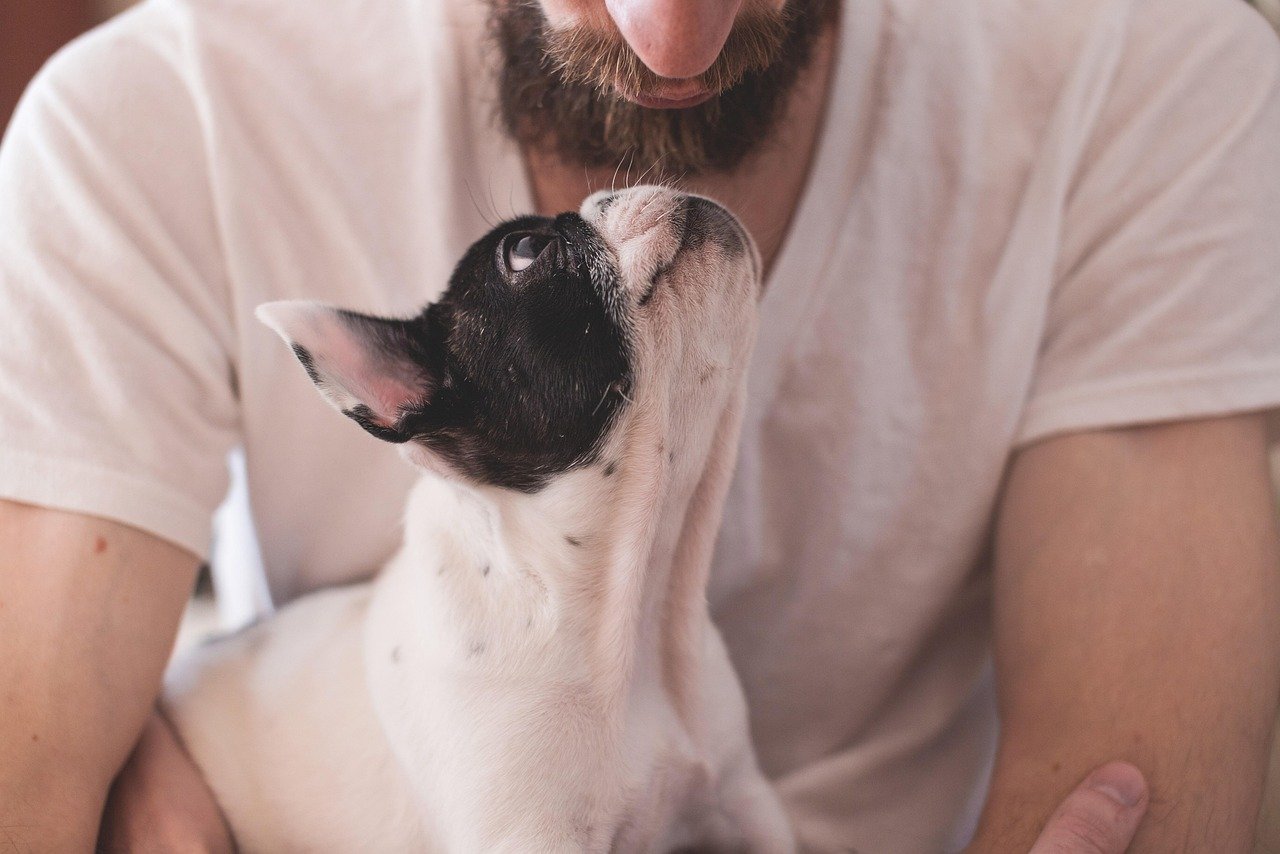
Many veterinarians and pet owners report behaviors that suggest dogs might be aware of their impending death, behaviors that can be interpreted as a form of saying goodbye. Your dog might suddenly become more affectionate, seeking extra cuddles or following you around the house more than usual. Some dogs become unusually clingy, seeking constant companionship and reassurance from their owners, which can be interpreted as a way of seeking comfort and expressing their bond.
It’s almost like they’re trying to soak up every last moment with you. It’s not uncommon for dogs to have a sudden burst of energy before they pass away. This can be particularly confusing for owners who think their pet is getting better, when in reality, it might be their final gift of joy.
The Physical Changes That Break Your Heart

One of the most noticeable signs your dog is reaching the end is a loss of interest in food and water. This can be due to discomfort or a lack of energy to eat and drink. Your once food-motivated pup might turn their nose up at their favorite treats or barely touch their dinner bowl. A common sign that a dog is close to death is when they start refusing to eat or becoming fussy with certain foods, which may happen if they feel sick or take medication that causes a loss of their sense of smell or taste.
Signs may include significant weight loss and difficulties in breathing. This will cause loss of appetite, weight, and mobility, and the dog will be more lethargic and show signs of deteriorating health. These physical changes can be heartbreaking to witness, but they’re part of your dog’s natural process of letting go.
When Your Dog Withdraws from the World
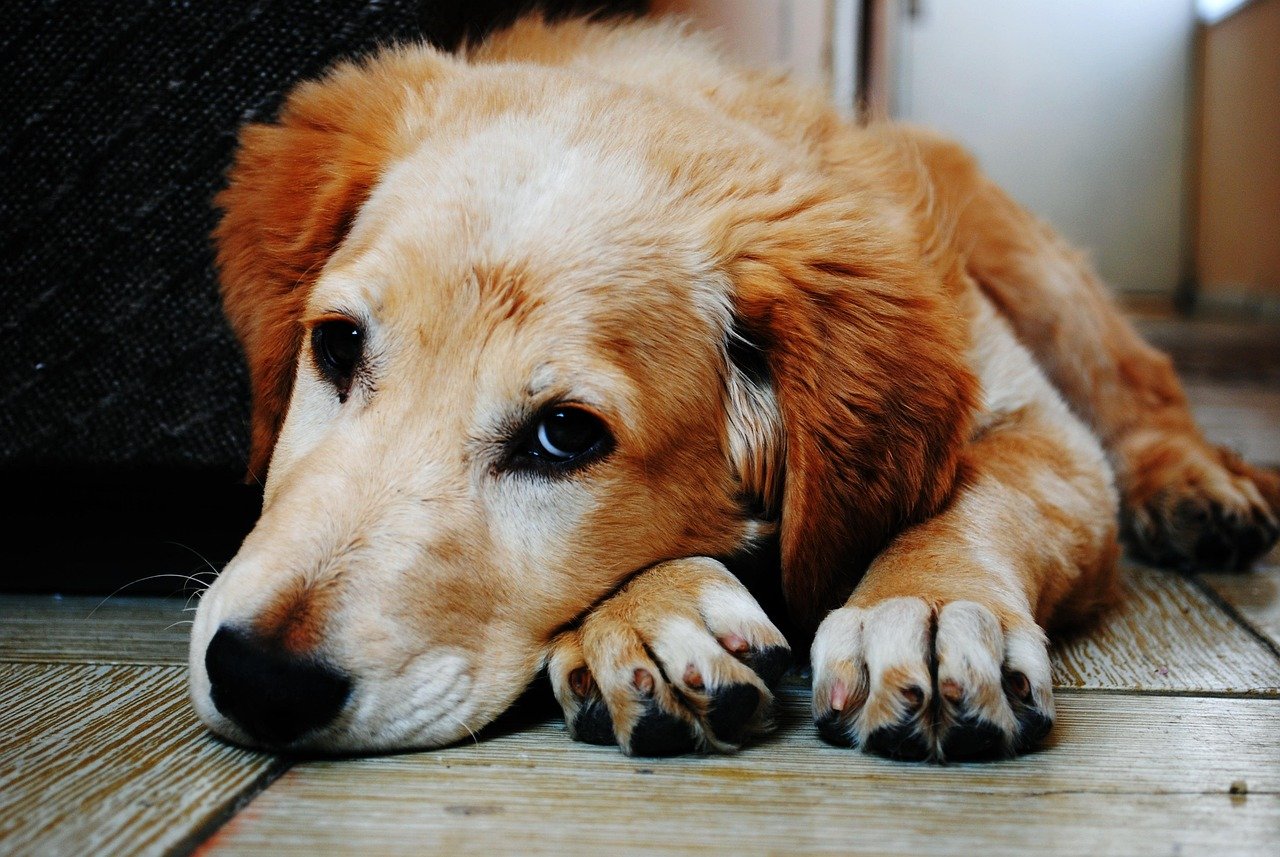
This is the most common sign that the dying process has begun – lying in one spot, not interested in toys or walks, barely acknowledging family members. Your once social butterfly might start seeking quiet, secluded spots where they can rest undisturbed. Some dogs will become restless, wandering the house and seeming unable to settle or get comfortable, while others will be abnormally still and may even be unresponsive.
Dogs at the end of their lives frequently lose interest in their favorite things, from walks and toys to treats and even their beloved owners, and at first it might just appear that your dog is sleeping more. It’s like watching them slowly disconnect from all the things that once brought them joy. This withdrawal isn’t personal – it’s simply their way of conserving energy and preparing for what’s to come.
The Emotional Rollercoaster of Recognizing the Signs

The question of whether dogs know they are dying is complex and difficult to answer definitively, though some veterinarians and animal behaviorists believe that dogs may have a sense of their impending death due to changes in their bodies and behavior. As their human, you might feel like you’re on an emotional rollercoaster – one moment hopeful when they seem more alert, the next devastated when they refuse their favorite meal.
There are many signs that you can watch for, including changes in your dog’s behavior before death, that indicate his body is wearing out, though many of these signs are also symptoms of treatable illnesses. This uncertainty can be torture. You might find yourself second-guessing every decision, wondering if you’re reading too much into normal aging behaviors or if you’re missing something important.
Creating Comfort in Their Final Days

It can be so difficult to say goodbye to your dog, but there are things you can do as a loving pet parent to make sure your dog is as comfortable as possible – keep him warm, provide a comfortable bed and a cozy resting spot. Make sure he has palatable food, such as canned food or some plain cooked chicken mixed in with his kibble, and if he is supposed to be on a prescription diet but hates it, this is the time to let him eat whatever he wants.
Keep him company or leave him alone depending on his preferences, stick to your usual routines as much as possible so your dog has a schedule that he is familiar with and enjoys, and if long walks are no longer an option, spend that time sitting together instead. Sometimes the greatest gift you can give is simply being present. Your calm energy and gentle touch can provide immense comfort during this difficult time.
The Impossible Decision: When to Let Go
Veterinarians often encourage their clients to make a list of their pet’s five favorite things, such as eating, going for walks, chewing bones, etc., and when a sick or elderly dog can no longer do three or more of these things, it is time to consider an end-of-life plan. This exercise can be both helpful and heartbreaking, but it provides a concrete way to assess your dog’s quality of life.
The reality is that natural death is not usually peaceful, and dogs with terminal illnesses could suffer for days from pain, nausea, and anxiety as their bodies begin to shut down, which is why the standard is for veterinarians to offer painless, humane euthanasia to end a pet’s suffering. Remember that, for as difficult as it is to make this decision for your pet, you need to do what is in their best interest — not yours. This might be the most loving thing you can do for your companion.
Preparing Yourself for the Goodbye

When a cherished pet dies, it’s normal to feel racked by grief and loss, and the pain of loss can often feel overwhelming and trigger all sorts of painful and difficult emotions. While some people may not understand the depth of feeling you had for your pet, you should never feel guilty or ashamed about grieving for an animal friend. Start preparing yourself emotionally before the final moment arrives – it’s not giving up, it’s being realistic about what’s coming.
While we all respond to loss differently, the level of grief you experience will often depend on factors such as your age and personality, the age of your pet, and the circumstances of their death, and generally, the more significant your pet was to you, the more intense the emotional pain you’ll feel. Understanding that this grief is valid and expected can help you navigate the emotional tsunami that follows.
The Waves of Grief That Follow

The grief process is not linear – you may meander in and out of the stages of grief, going back and forth, rather than experiencing each stage in sequential order, and it’s not uncommon to start to feel better, and then feel like a wave of grief has washed over you again. Grieving takes time – it is a process, not an event, there is no specific time frame for it, and grief may last for weeks, months, even years.
Trying to ignore your pain or keep it from surfacing will only make it worse in the long run, and for real healing, it is necessary to face your grief and actively deal with it, because by expressing your grief, you’ll likely need less time to heal than if you withhold or “bottle up” your feelings. Don’t be surprised if you find yourself crying at unexpected moments or feeling angry at well-meaning friends who try to comfort you with phrases like “you can always get another dog.” Your grief is yours to experience fully.
Finding Support When Others Don’t Understand

Accept the fact that the best support for your grief may come from outside your usual circle of friends and family members, and seek out others who have lost pets; those who can appreciate the magnitude of your loss, and may be able to suggest ways of getting through the grieving process. Reach out to others who can lend a sympathetic ear, and do a little research online, and you’ll find hundreds of resources and support groups that may be helpful to you.
Many people feel ashamed to address and express their grief when their beloved pets pass because so many people in their lives don’t understand or experience the joy of pet companionship, but you shouldn’t run away from your feelings simply because you think society will shame you and tell you your companion was “just a pet.” Connect with other pet parents who understand that losing a dog isn’t just losing a pet – it’s losing a family member, a best friend, and a piece of your heart.
Honoring Your Dog’s Memory
Your memories allow your pets to live on in you, and embracing these memories, both happy and sad, can be a very slow and, at times, painful process that occurs in small steps – for example, take some time to look at past photos, write a tribute to your pet, or write your pet a letter recalling your time together. Continue your relationship through memories – your memories allow your pet to live on in you, and embracing these memories can be a slow, and at times, painful process that takes time, but it can help you work through your pain, sorrow and grief as well as hold onto the happy, fun, loving moments you had with your pet.
Be creative in memory making and keeping – recall the times shared, and write an anecdotal story, a poem, or a tribute, or even a letter to your pet, journal to understand your thoughts and feelings with greater clarity, look at past photos and craft an album or scrapbook. Creating a memorial doesn’t have to be expensive or elaborate. Sometimes the most meaningful tributes are the simplest ones – a photo collage, a planted tree, or even just lighting a candle on special days.
The Healing Journey Forward

Keep in mind that grief is not something we get over, but something we move through, and when we lose someone, whose presence changed us, we cannot help but be changed by that loss, but the process of coming to terms with a loss can take a long time, and you will eventually find your way to a place where the pain of absence is less of a focus than the happy, loving memories that come to mind when you remember your pet.
Taking time to grieve the loss of a cherished pet is a natural process, and it is likely that you’ll miss your pet for the rest of your life – this is a difficult thing, but it is not a bad thing, because missing your pet is a reminder of how much they meant to you, and the grief is so painful because it’s the unexpressed love you still have, and will always feel for them. The love doesn’t disappear when they do – it transforms into something different but equally powerful.
Conclusion

Our pets deserve to be remembered, and grief exists because you loved your pet. The heartbreak of watching your dog say goodbye is perhaps one of the most profound forms of love – it’s the price we pay for the privilege of sharing our lives with these incredible beings. While the pain feels unbearable now, remember that it’s also a testament to the beautiful bond you shared.
Your grief is normal, and the relationship you shared with your special friend needs to be mourned. There’s no timeline for healing, no right or wrong way to grieve, and no shame in the depth of your sorrow. Your dog’s final gift to you might just be teaching you how deeply you’re capable of loving – and that love, even in its most painful form, is what makes life worth living.
How different would our world be if we all loved as unconditionally as our dogs do?
Esther is from India; the heartbeat of South Asia, holding a Master’s degree in Zoology and a postgraduate diploma in Animal Welfare. Her enthusiasm for animal welfare drives her passion and dedication to working for animals, ensuring their well-being, and advocating for their rights. With a solid academic background and hands-on experience, she is committed to making a positive impact in the field of animal welfare. In her free time, she enjoys embroidery and sewing. As a Chennaite from Tamil Nadu, Esther loves Bharathanatyam, an Indian classical dance form.


