
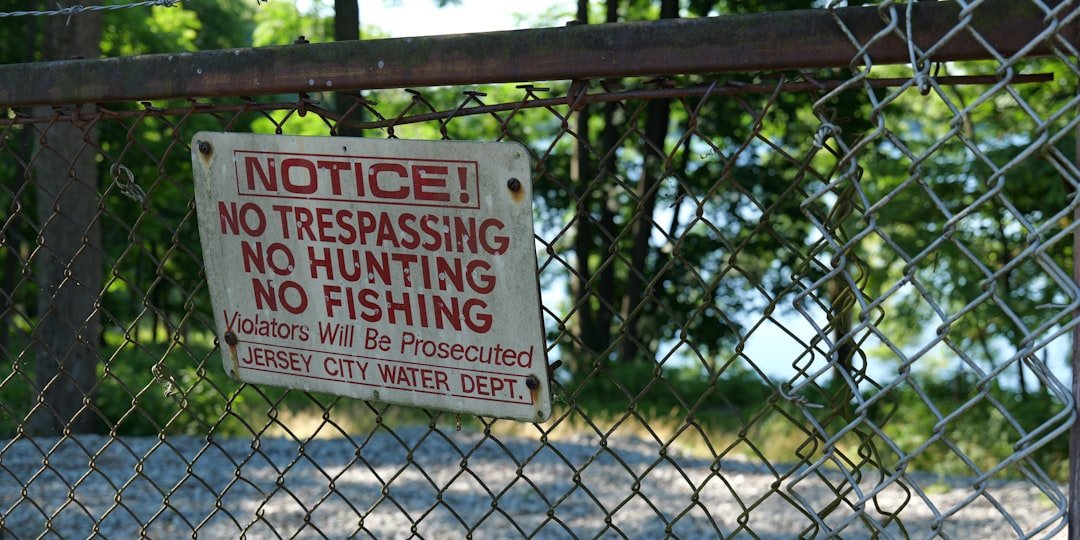
Costa Rica – Officials recently reaffirmed the nation’s comprehensive prohibition on recreational hunting, cementing protections for wild animals that trace back to landmark legislation in 2012.[1][2]
A Legacy of Leadership in Conservation
The Central American nation became the first in Latin America to outlaw sport and trophy hunting more than a decade ago. Reforms to the Wildlife Conservation Law followed a powerful citizen initiative that gathered tens of thousands of signatures in support of animal welfare.[1] This move reflected widespread public commitment to preserving the country’s rich ecosystems.
Recent statements from authorities addressed circulating misconceptions on social media, clarifying that the ban has always stood firm. Strengthened enforcement now targets illegal activities more aggressively, underscoring Costa Rica’s enduring dedication to biodiversity.[2]
Clear Boundaries: Prohibitions and Exceptions Defined
Sport hunting, including any pursuit for trophies or entertainment, remains strictly illegal across all territories. Violators face severe consequences, such as fines up to $3,000 or imprisonment for as long as three years, along with seizure of equipment.[3]
Narrow exceptions apply only in specific cases. These include subsistence practices among certain rural and Indigenous communities, scientific research under permit, and authorized efforts to manage overpopulated species.
| Prohibited | Allowed (with permits) |
|---|---|
| Sport or trophy hunting | Subsistence in select communities |
| Recreational killing | Scientific research |
| Illegal trafficking | Population control |
Protecting a Biodiversity Powerhouse
Costa Rica hosts nearly 500,000 species, accounting for about 6 percent of global biodiversity despite its modest size. Nearly one-quarter of its land serves as protected areas, fostering habitats for iconic wildlife.[3]
The policy shields vulnerable animals from poaching and trade, threats highlighted by organizations like the World Wildlife Fund. Key species benefiting include:
- Jaguars
- Scarlet macaws
- Baird’s tapirs
- Monkeys and sloths
- Sea turtles
Healthy populations contribute to essential services, from pollination – vital for 35 percent of food crops – to maintaining clean water and soil quality.[3]
Ecotourism Fuels Economic and Environmental Wins
The ban aligns perfectly with Costa Rica’s tourism-driven economy, where visitors flock to observe wildlife in its natural settings. Lodges, guides, and local businesses thrive on sustainable viewing experiences rather than exploitation.[4]
This approach not only sustains jobs but also enhances safety by curbing trafficking networks. Conservationists view the model as replicable, positioning the country as a beacon for nations balancing growth with nature.
Key Takeaways:
- Costa Rica pioneered a sport hunting ban in 2012, now permanently enforced nationwide.
- Ecotourism preserves 6% of world biodiversity while driving economic prosperity.
- Strict penalties deter violations, protecting species for future generations.
Costa Rica’s resolute stance offers a blueprint for wildlife protection worldwide, proving that prioritizing nature yields lasting rewards. What steps should other countries take to follow suit? Share your thoughts in the comments.


