

Has your well-behaved dog suddenly started ignoring your commands? It might not be a case of stubbornness—dogs can stop listening for a variety of reasons, including stress, boredom, confusion, or even a shift in their environment or your energy. Sometimes, it’s as simple as them not understanding what’s being asked, or they’re feeling unwell. This sudden change in behavior is often your dog’s subtle way of telling you something isn’t right. By observing the signs and adjusting your approach with patience and empathy, you can help your furry friend feel secure and connected again.
Changes in Your Dog’s Environment

Dogs are creatures of habit who thrive on routine and familiarity. A sudden change in their environment, like moving to a new home, redecorating, or even rearranging furniture, can leave your dog feeling unsettled. These disruptions can make them anxious, distracted, or less responsive to commands. If you’ve recently had visitors, introduced a new pet, or changed your daily schedule, your dog may need extra time to adjust. This anxiety can mask itself as stubbornness, but in reality, your dog might just be trying to cope with all the new sights, smells, and sounds. Reassuring your dog with extra attention and maintaining some consistency in their routine can help them regain their confidence and start listening again.
Undiagnosed Health Issues
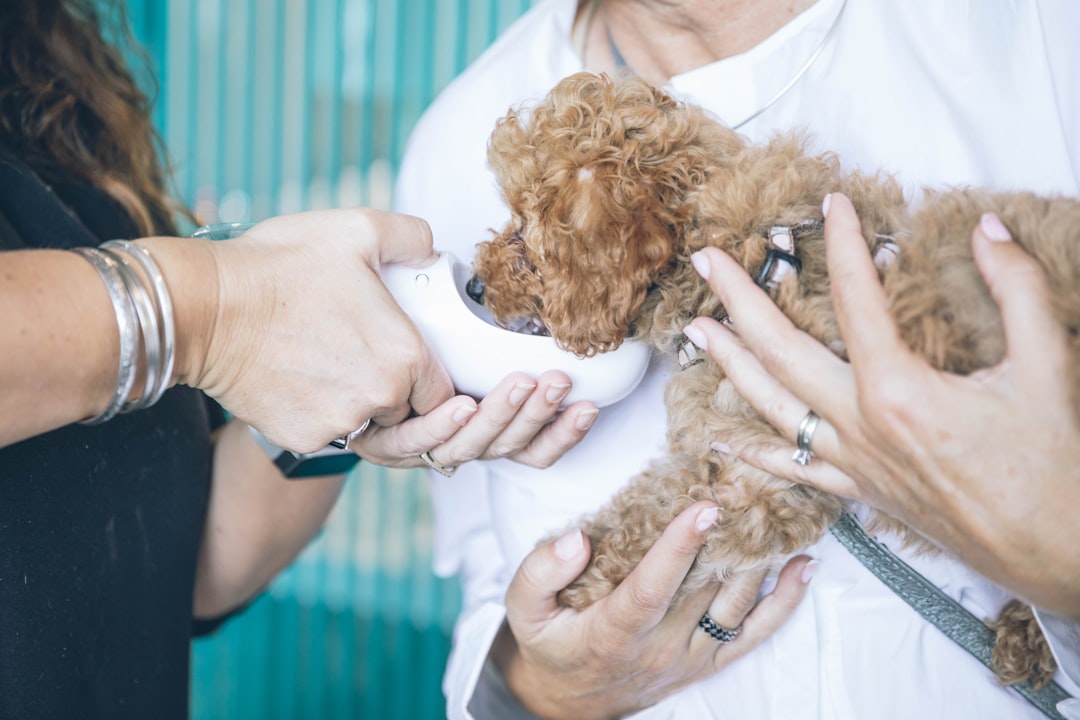
When a dog stops listening, it’s easy to jump to the conclusion that they’re being naughty or stubborn. However, a sudden change in behavior can be a red flag for health problems. Hearing loss, ear infections, dental pain, or even arthritis can make it hard for your dog to respond as they once did. For instance, older dogs might develop gradual hearing loss and not respond to verbal cues anymore. If your dog’s behavior changes overnight, it’s wise to schedule a check-up. A vet can rule out medical causes and help your dog feel comfortable again. Remember, silence or unresponsiveness can sometimes be a cry for help.
Lack of Consistent Training

Training is not a one-and-done deal; it’s a lifelong journey for both you and your dog. If training sessions have become less frequent, or if different family members use different commands, your dog can get confused. Imagine trying to learn a new language, only for the rules to change every day! Consistency is key—use the same cues, rewards, and boundaries every time. Refresh training regularly, even if your dog has mastered the basics. Short, fun sessions keep things interesting and reinforce good habits, so your dog stays sharp and attentive.
Emotional Stress or Anxiety

Just like humans, dogs can experience stress and anxiety. A new baby, thunderstorm, fireworks, or even loud arguments at home can leave your dog feeling overwhelmed. In these moments, they might ‘tune out’ commands because their brain is too busy dealing with their emotions. Signs of stress include panting, pacing, whining, or hiding. If you suspect anxiety is the culprit, try to identify and minimize the source. Comforting routines, gentle reassurance, or calming products can help. For severe cases, a professional dog trainer or animal behaviorist can create a tailored plan to help your dog feel secure again.
Overstimulation and Distractions

Parks, busy streets, or even a backyard full of squirrels can be like a carnival for your dog’s senses. If you notice your dog ignoring you in busy environments but listening at home, overstimulation could be the issue. Dogs have an incredible sense of smell and hearing, so what seems like a minor distraction to us can be overwhelming for them. Build up your dog’s focus gradually by training in quiet places first, then slowly introducing distractions. Reward your dog for paying attention to you, even when the world is full of excitement.
Boredom and Lack of Mental Stimulation

A bored dog is a distracted dog. If your dog isn’t getting enough physical exercise or mental challenges, they may ‘check out’ and stop listening. Imagine being stuck in a room with nothing to do all day—you’d lose focus too! Mix up your dog’s routine with new games, puzzle toys, or interactive training sessions. Even something as simple as teaching a new trick or playing hide-and-seek with treats can reignite their enthusiasm and engagement.
Age-Related Cognitive Decline

As dogs age, their brains can slow down, just like humans. Senior dogs might develop canine cognitive dysfunction, which affects memory and learning. You may notice your older dog seems confused, forgets commands, or gets lost in familiar places. This isn’t stubbornness—it’s a sign they need extra patience and understanding. Make commands simpler, use hand signals, and keep training sessions short and sweet. Your senior dog still wants to please you; they just need a little more support.
Negative Associations With Commands

If a command has been unintentionally paired with a negative experience, your dog may begin to avoid it. For example, if you always call your dog only when it’s time for a bath or a trip to the vet, they might start ignoring that cue. Dogs are masters at making associations. To rebuild trust, practice calling your dog for positive reasons—playtime, treats, or a belly rub. Make listening fun again, and your dog will be much more eager to comply.
Unintentional Reinforcement of Bad Habits
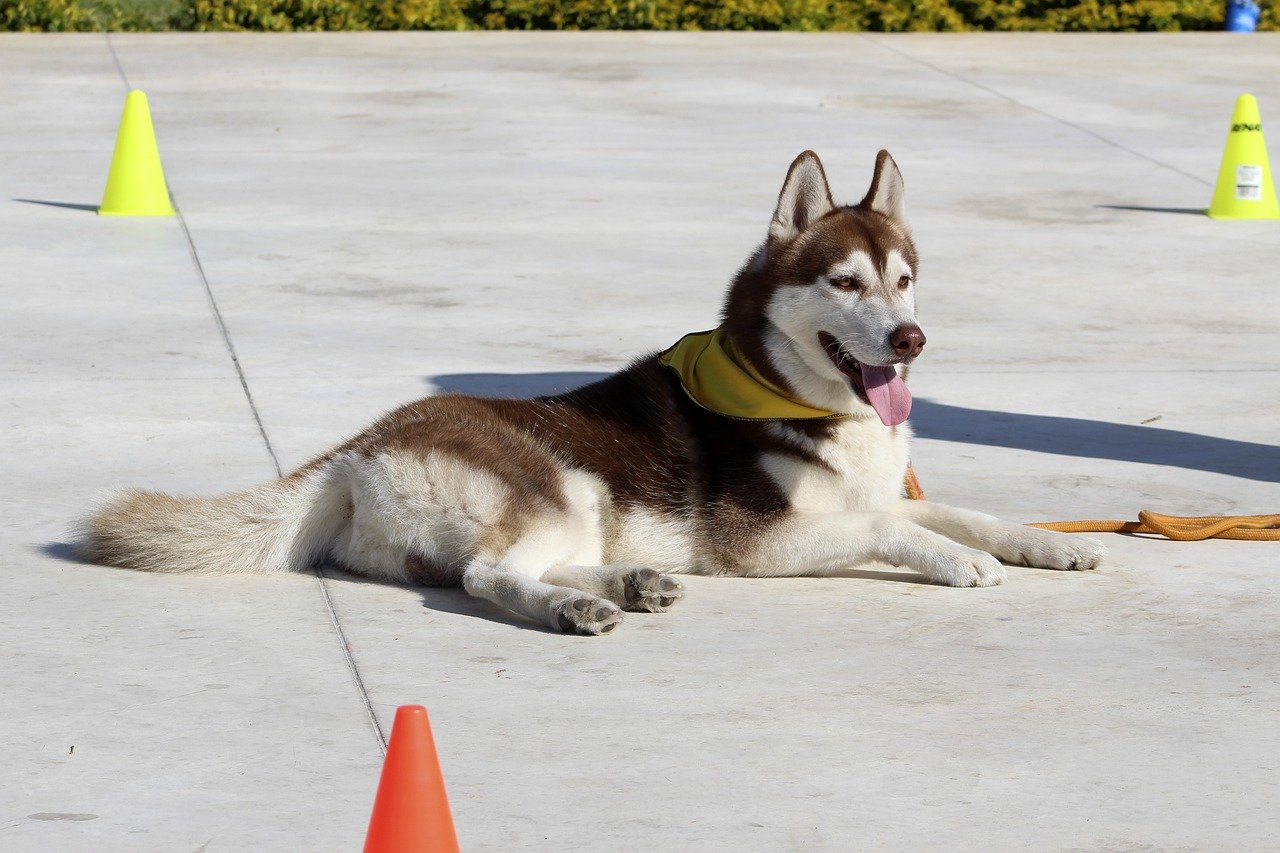
Sometimes, without realizing it, we reward our dogs for not listening. If your dog ignores a command and you repeat it multiple times or offer a treat to ‘bribe’ them, they learn that they can wait until you’re desperate. It’s like a child learning that crying gets them candy. To break this cycle, be firm and only reward your dog when they respond correctly the first time. Avoid giving attention or treats for ignored commands, so your dog understands that listening pays off.
Changes in Your Own Behavior or Cues
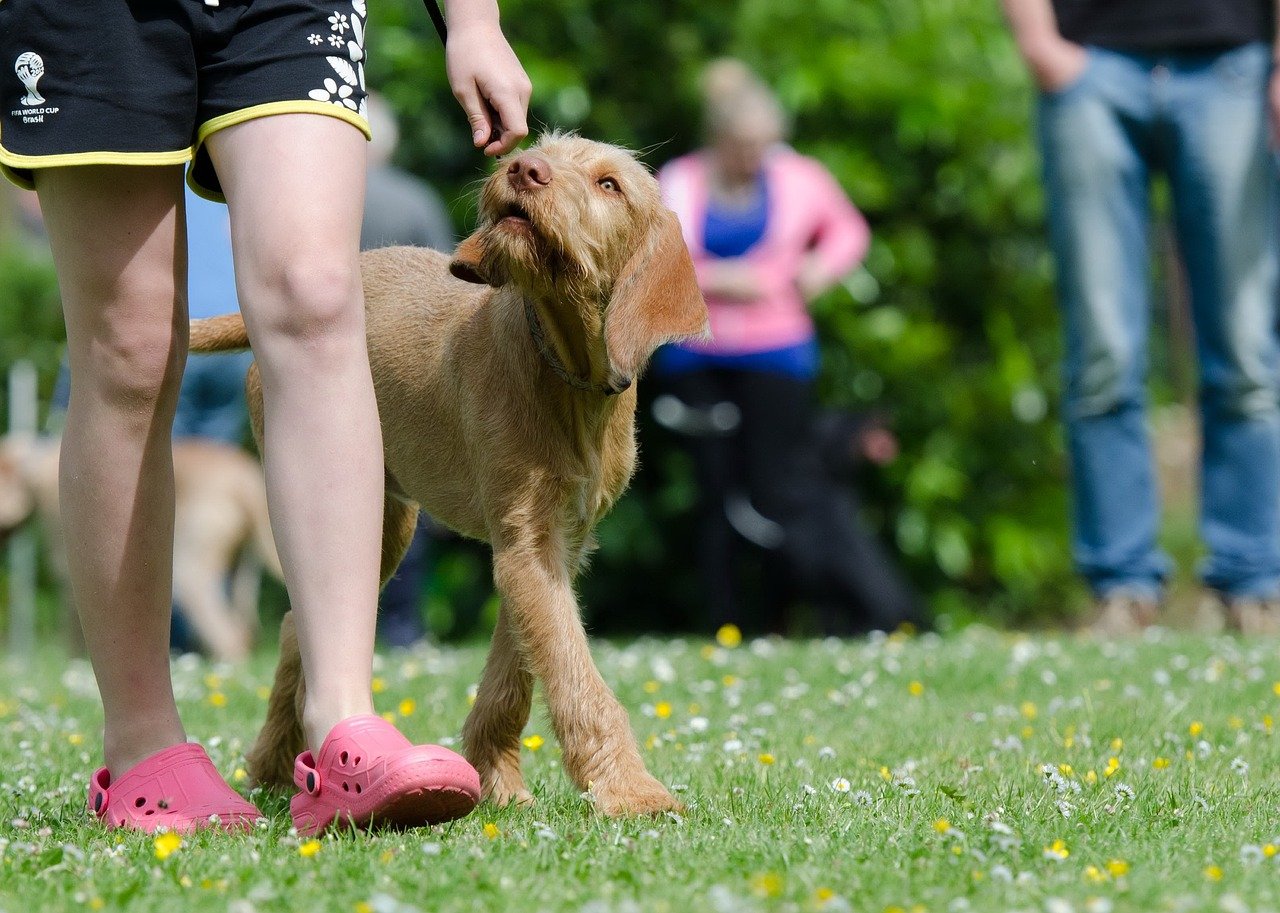
Dogs are incredibly perceptive and can pick up on even the smallest changes in our tone, posture, or body language. If you’re feeling stressed, distracted, or using different gestures than usual, your dog might get mixed signals. Consistency in your own behavior is just as important as consistency in training. Slow down, use clear cues, and give your dog time to process what you’re asking. Sometimes, a deep breath and a smile can make all the difference.
Lack of Motivation or Rewards

Would you work for free? Neither would your dog! If rewards have become dull or predictable, your dog might lose interest in listening. Mix up treats, praise, and play to keep things exciting. Pay attention to what truly excites your dog—some dogs love tug-of-war, others prefer a tasty snack. Reward generously for great behavior, especially when your dog listens in tough situations. A motivated dog is a responsive dog.
Medical Side Effects or Medications

If your dog has recently started a new medication or treatment, side effects could impact their behavior. Lethargy, confusion, or changes in appetite can all make your dog less responsive. Keep a close eye on any new symptoms and talk to your vet about possible alternatives if you notice your dog’s behavior has changed. Sometimes, simply adjusting a dose or switching medications can make a world of difference in your dog’s focus and willingness to listen.
If your dog has suddenly stopped listening, don’t worry—it’s not always a sign of defiance. Dogs often respond to changes in routine, environment, or even your own stress levels. Taking a step back to reassess what’s changed can help you reconnect. With a bit of patience, consistency, and maybe a few extra treats, your pup will be back to their attentive self in no time. Trust and communication are key in keeping that bond strong! What’s the biggest surprise you learned about your dog’s sudden change in behavior?


