
Imagine this: your dog curls up in the corner after dinner, skips the usual game of fetch, and just seems a little… off. You tell yourself it’s probably nothing. Maybe they’re just tired. Maybe it’s the heat. Here’s the thing though – that “probably nothing” moment is exactly when many dogs are silently asking for help.
Dogs are remarkable creatures. They’ll wag their tails through discomfort, eat through dental pain, and keep walking on joints that are quietly deteriorating. Dogs have spent thousands of years evolving alongside humans, but their instinct to hide weakness runs deeper than domestication. In the wild, showing pain meant vulnerability to predators or loss of pack status. Your couch-dwelling golden retriever still carries these survival instincts, masking discomfort until it becomes unbearable. That’s both amazing and heartbreaking. Let’s dive into what your dog might be trying to tell you – before it gets harder to hear.
The Silent Suffering Problem: Why Dogs Don’t Show Pain the Way We Expect
Most of us picture a dog in pain as one who’s whimpering, limping, or visibly injured. Honestly, that’s the easy part to catch. The trickier reality is that chronic pain in dogs develops gradually and is often mistaken for normal aging. It’s common with arthritis, dental disease, spinal changes, and long-standing inflammation. This type of pain is sometimes called “silent pain” because the signs are subtle and easy to miss.
What makes this even more sobering is that science backs it up. A new study has found that dog owners often miss pain when it first appears as clinginess, nighttime restlessness, and other behavioral changes. Think about that for a second. The very people who love their dogs most are the ones most likely to overlook the earliest signs – not because they don’t care, but because those signs simply don’t look like pain. Many dogs live in pain for months or even years before it’s recognized, simply because the signs don’t look like pain at all.
Research found that between roughly a third and the vast majority of dogs referred for behavioral complaints had at least one underlying painful condition – which means what looks like a behavior problem could actually be a dog crying out for physical relief. That’s a statistic worth sitting with.
Behavioral Cues That Seem Normal But Aren’t
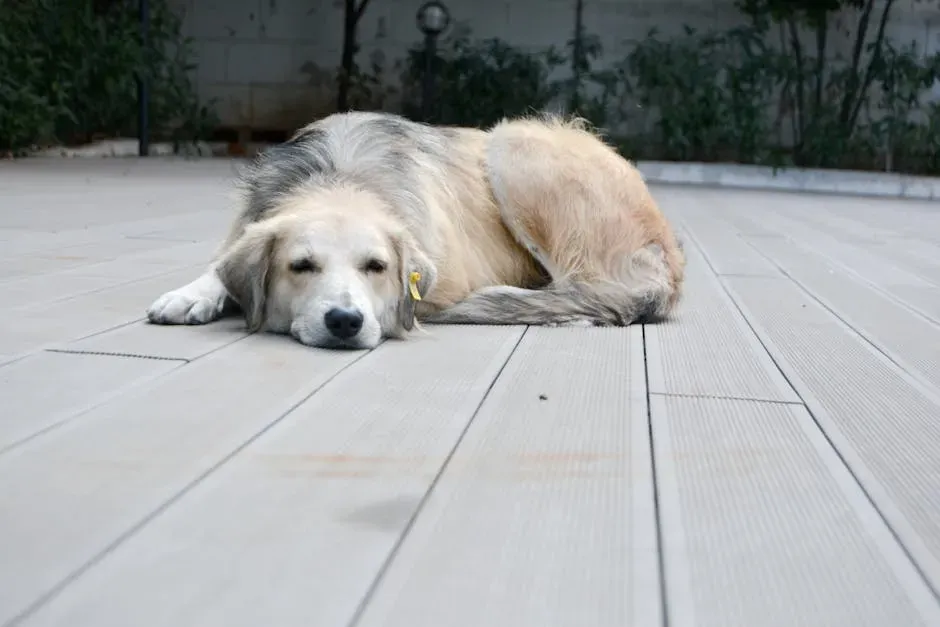
Here’s where it gets genuinely surprising. Some of the behaviors we chalk up to personality quirks or old age are actually red flags hiding in plain sight. Dogs are experts at hiding discomfort, and many of the things that owners label as quirks, aging, or harmless habits may actually be early signs of pain. Because they can’t communicate when something feels wrong, subtle changes in behavior should not be overlooked. Pet owners often assume that older dogs naturally slow down, or that a tired dog is simply having an off day, but veterinarians warn that these small shifts can reveal much more beneath the surface.
A dog that suddenly doesn’t want to jump onto the couch? While it’s easy to blame this on slowing down with age, that behavior might be an indicator of osteoarthritis or degenerative joint disease. A dog that starts following you from room to room more than usual? A scenario featuring subtle signs such as restlessness at night, increased attachment, shadowing family members, and shorter walks proved much more challenging for owners to connect to pain. Shorter park walks aren’t laziness. Clinginess isn’t always affection. Sometimes they’re quiet pleas.
Across a list of recognized behaviors, personality change, hesitant paw lifting, fluctuating mood, and reduced play drew the strongest pain associations. Meanwhile, air sniffing, nose licking, and yawning stayed low on the list, partly because people often read these signs as stress or habit. So next time your dog keeps licking their lips during a calm evening at home, don’t just scroll past it.
Physical Signs Hidden in Posture, Breathing, and Movement

Your dog’s body is always communicating. The challenge is learning the language. Altered posture is one signal to watch for, where your dog may sit or lie down more often, hold an arched back, carry their head low, or position their tail abnormally. They may also favor one limb or exhibit difficulty walking. These aren’t dramatic collapses – they’re whispers.
Breathing is another one people miss entirely. Dogs in chronic pain often pant when they shouldn’t be hot or tired. This isn’t the heavy panting after exercise. Dogs with chest or abdominal pain might breathe more shallowly to avoid discomfort, sometimes taking more frequent, smaller breaths rather than deep ones. Honestly, that kind of detail is easy to overlook unless you’re really watching.
When in pain, some dogs have a very rigid and hunched stance while others assume the “prayer” posture with their front legs on the ground and their bottom in the air. Dogs often take this position when they are suffering from abdominal pain as it allows them to stretch the area out. If you’ve ever seen your dog do this and thought it was cute or quirky, it might be time to reconsider. Dogs with dental pain often pick up kibble, then drop it. They want to eat but find chewing uncomfortable. Small things. Big messages.
Mood Shifts, Social Changes, and the Emotional Toll of Hidden Pain

Let’s be real – when we’re hurting, we’re not our best selves. Dogs are exactly the same. Is your normally friendly dog suddenly avoiding people? Growling when touched? Hiding under furniture? Behavioral changes like these often signal underlying pain, especially if your dog seems more irritable, anxious, or withdrawn.
Chronic pain can cause significant emotional distress in pets. Dogs may become depressed, anxious, or even aggressive as they try to cope with their discomfort. Pets that are normally friendly may begin to lash out or avoid social interaction. This is genuinely heartbreaking, especially when an owner reacts to the aggression with frustration rather than compassion. The growl might not be defiance. It might be a dog saying “please don’t touch me there, it hurts.”
Missing these signs does more than postpone relief, because pain can also change how a dog reacts to people. When soreness makes touch or movement harder to tolerate, avoidance, freezing, or snapping can follow. Anxiety and pain often go hand-in-hand, creating a vicious cycle where the stress of pain exacerbates physical symptoms and vice versa. Catch it early, and you can break that cycle before it spirals.
What You Can Do: Practical Steps to Detect and Respond to Discomfort
The good news? You don’t need a veterinary degree to make a real difference in your dog’s life. You just need to pay closer attention. Behavioral changes due to pain often develop gradually, so being attentive to your dog’s daily habits is key, as these subtle behavioral cues will be more readily detected early on by someone most familiar with the dog. You are, in many ways, your dog’s best diagnostic tool.
Start keeping a simple log. A simple log of appetite, activity level, walk tolerance, sleep quality, and reactions to touch can reveal patterns that are easy to miss in real time. Short video clips are extremely useful. Recording your dog walking, climbing stairs, rising from rest, or hesitating to move certain ways helps your veterinarian assess mobility and posture more accurately than a brief in-clinic exam. Think of it like building a case file for your vet.
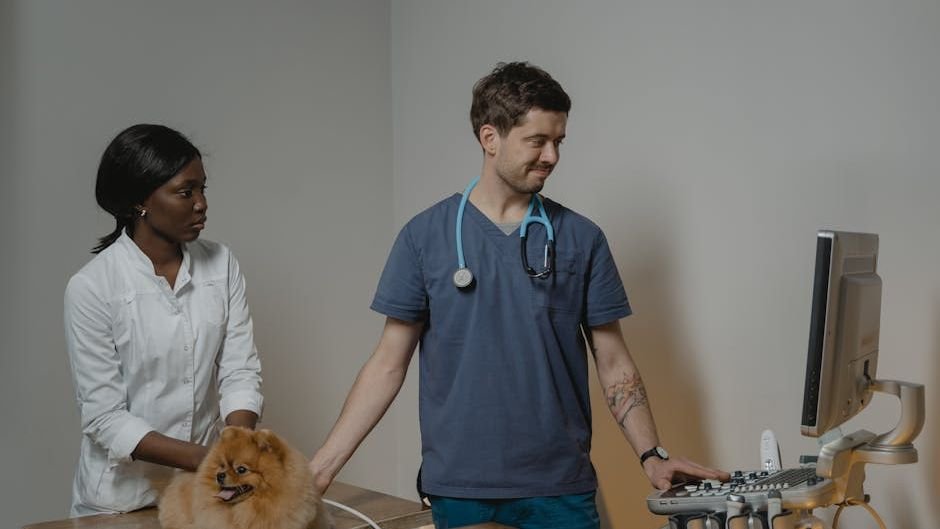
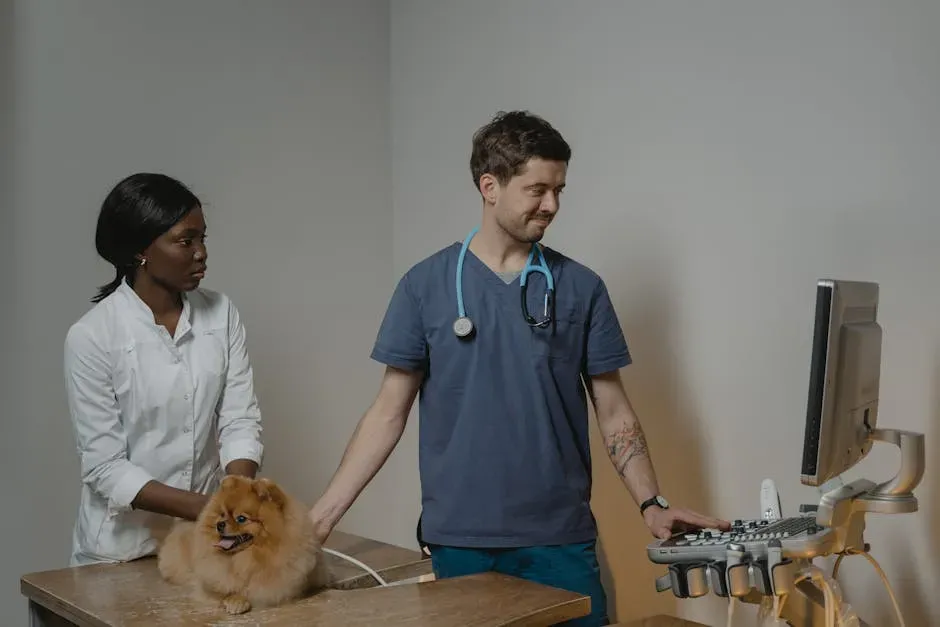
Anxiety or fear may mask certain pain behaviors in a clinic setting, so observations from home can provide critical insights. Your veterinarian will evaluate your dog’s condition with a thorough physical exam to identify the cause of their pain and develop a tailored treatment plan. Testing may involve radiographs, blood work, or other diagnostics, depending on your dog’s history and physical exam findings. Also, never try to manage your dog’s pain on your own. Do not attempt to treat your dog’s pain yourself. Many human medications and those prescribed for other pets can be very dangerous for dogs.
Conclusion: Your Dog Needs You to Be Their Voice
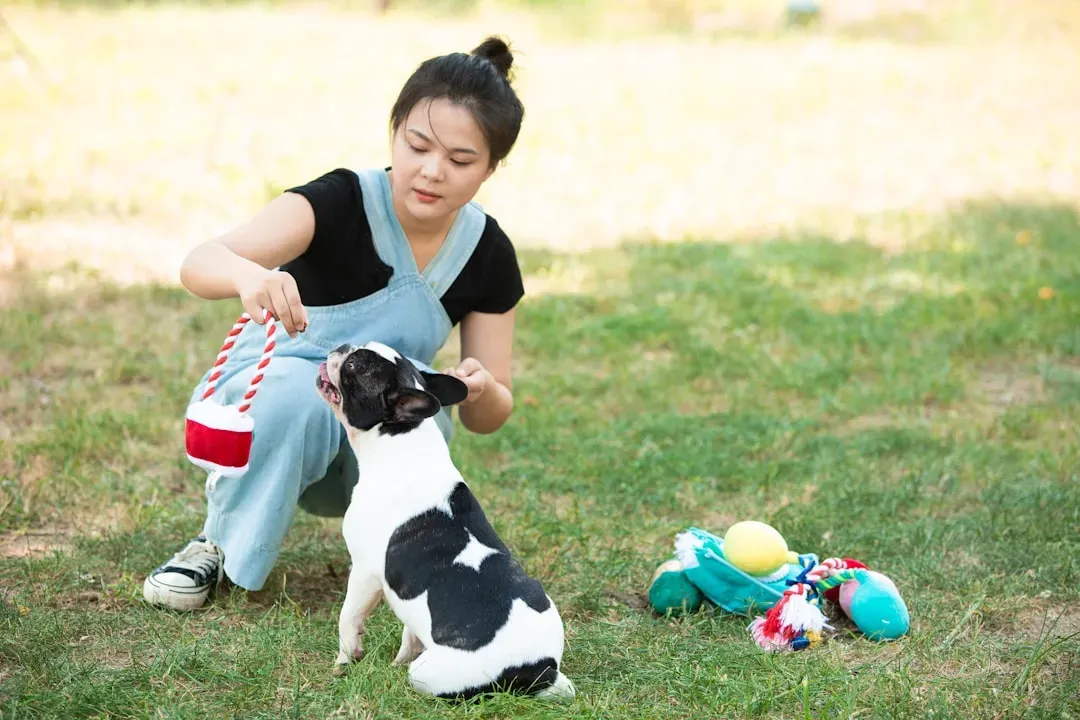
Dogs are stoic in a way that quietly takes your breath away. They’ll carry their pain like a secret, going about their days with that wagging tail and those trusting eyes, hoping somehow you’ll notice. Since dogs cannot verbally communicate their pain, understanding their nonverbal cues is critical for early identification and management. Proactive pain recognition can help slow the progression of chronic pain and improve your dog’s quality of life.
The truth is, you don’t need to become a veterinary expert overnight. You just need to be present, observant, and willing to ask questions. Your dog depends on you to be their voice to get them the help they need. If you think your dog is showing any signs of pain, including any changes in routine, preferences, and behaviors, set up an appointment with your vet as soon as you can.
I think the most powerful thing any dog lover can do is simply take their dog’s subtle signals seriously – not dismiss them, not delay. Because behind every dog that “just seems a little off” could be a loyal companion quietly counting on you to look a little closer. Would you recognize the signs if your dog was trying to tell you something right now?


