

Picture this: It’s a peaceful Tuesday morning. You’ve got your coffee in hand, the house is quiet, and then – without warning – your dog transforms into what sounds like an entirely different animal. Lunging at the window, barking like the world is ending, all because the mailman just walked up the path. Sound familiar?
If you’ve lived through that daily chaos, you’re definitely not alone. Millions of dog owners deal with this exact scenario every single day. What’s fascinating, though, is that what looks like a simple case of your dog being dramatic might actually be a window into how they’re feeling emotionally, whether that’s a fierce territorial pride or a very real, deep-seated fear. The difference matters a whole lot more than most people realize. Let’s dive in.
The Real Reason Your Dog Goes Ballistic Every Single Day
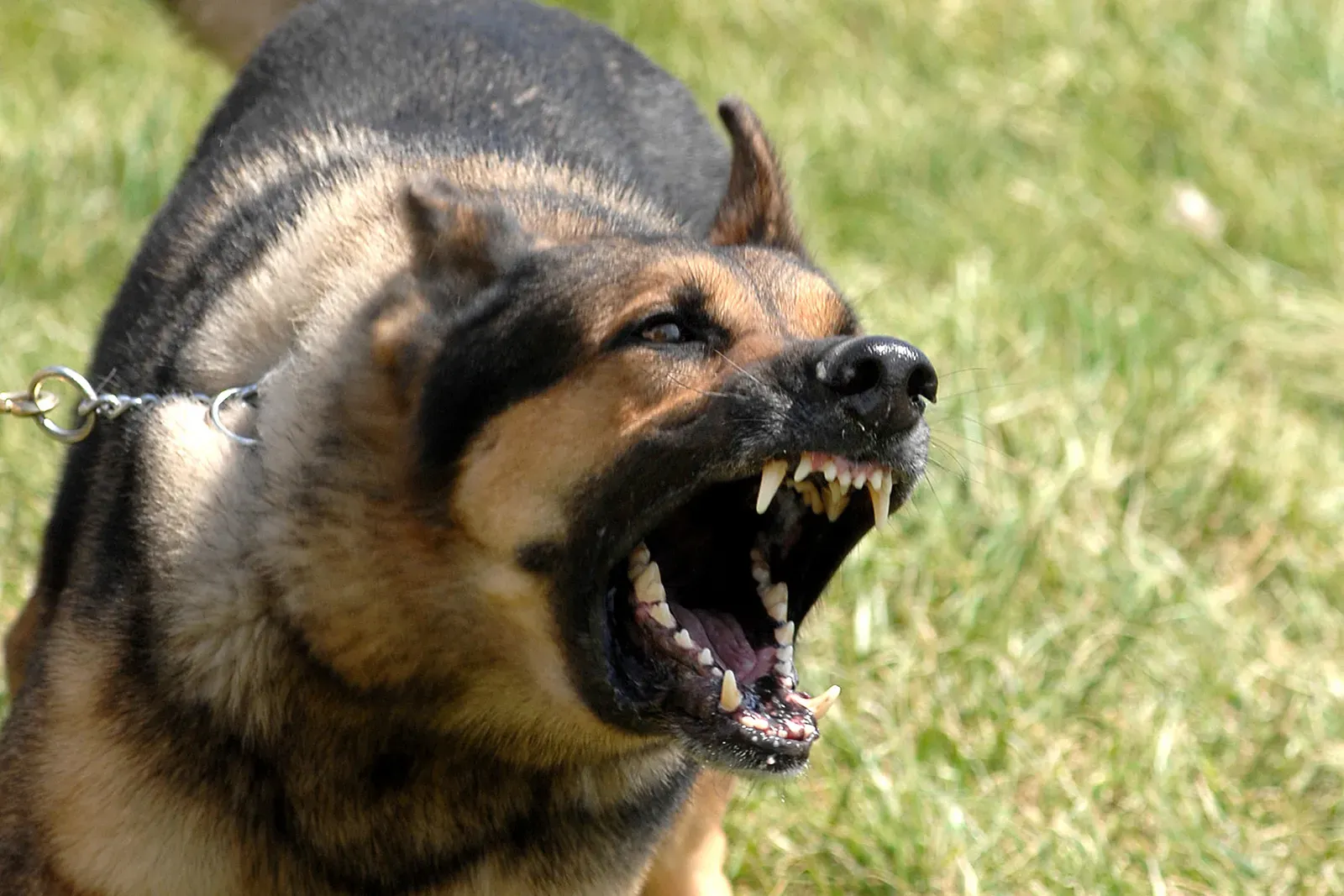
Dogs are naturally territorial animals, meaning they feel a strong instinct to protect their home and family from intruders. When the mailman arrives each day, they’re viewed as just that – an intruder who appears at the door and then leaves just as suddenly. Think of it like someone walking into your living room every day without knocking, only to vanish just as fast. You’d be unsettled too.
The thing is, since the mail carrier does leave right after being barked at, your pup thinks they’ve done a great job. This makes them more likely to repeat the behavior in the future. It’s essentially a daily confidence boost for your dog – a deeply reinforcing cycle that builds and builds over time.
This regular pattern of appearing, dropping off mail, and leaving can reinforce a dog’s feeling that the mailman is a recurring “threat.” Over time, this can lead to barking every time they approach. Honestly, from your dog’s perspective, the logic is flawless. They bark. The “threat” leaves. They win. Every. Single. Day.
Fear or Fierce Protection? Here’s How to Tell the Difference
When we see territorial aggression in less confident dogs, these behaviors stem from a place of insecurity and fearfulness. This “aggression” is really a fear-based response that is a learned behavior. So what looks like guarding might actually be your dog screaming, “I’m scared and I don’t know what else to do!”
When a dog feels threatened by a stranger, they may bark as a way to protect themselves. Fear-based barking can be accompanied by other signs of anxiety, such as cowering, tail tucking, or attempting to flee the situation. Watch your dog’s body closely during these moments. A truly protective dog leans forward, chest out. A fearful dog often leans back or tucks their tail even while barking loudly.
Reading your dog’s body language is the best way to understand the cause. A fearful dog tries to make distance from the perceived threat, while a confident, protective dog leans toward it. That single detail can tell you almost everything you need to know about what’s really going on in that furry little head.
The Surprising Role That Socialization Plays

Dogs that aggressively protect “their” territory are often dogs that were not socialized as puppies and have a fear of novel things, people, and animals. What may seem like a benign visitor to your yard, such as the mailman, can be perceived by the unsocialized dog as an extreme threat. It’s a hard truth. A lot of reactivity comes down to early experiences, or the lack of them.
Dogs that haven’t been exposed to a wide variety of people, places, and situations during their critical development period may be more likely to bark at strangers. Early socialization is genuinely one of the most powerful things you can do for your dog’s long-term emotional health. It’s not just about manners – it’s about helping them feel safe in the world.
Fear and anxiety can come from past trauma, lack of socialization, or major life changes. A dog that wasn’t exposed to different people early on may struggle with strangers. If you adopted your dog later in life, there’s every chance some of their reactivity is rooted in experiences you simply don’t know about. That deserves compassion, not frustration.
Practical Steps You Can Actually Take Starting Today
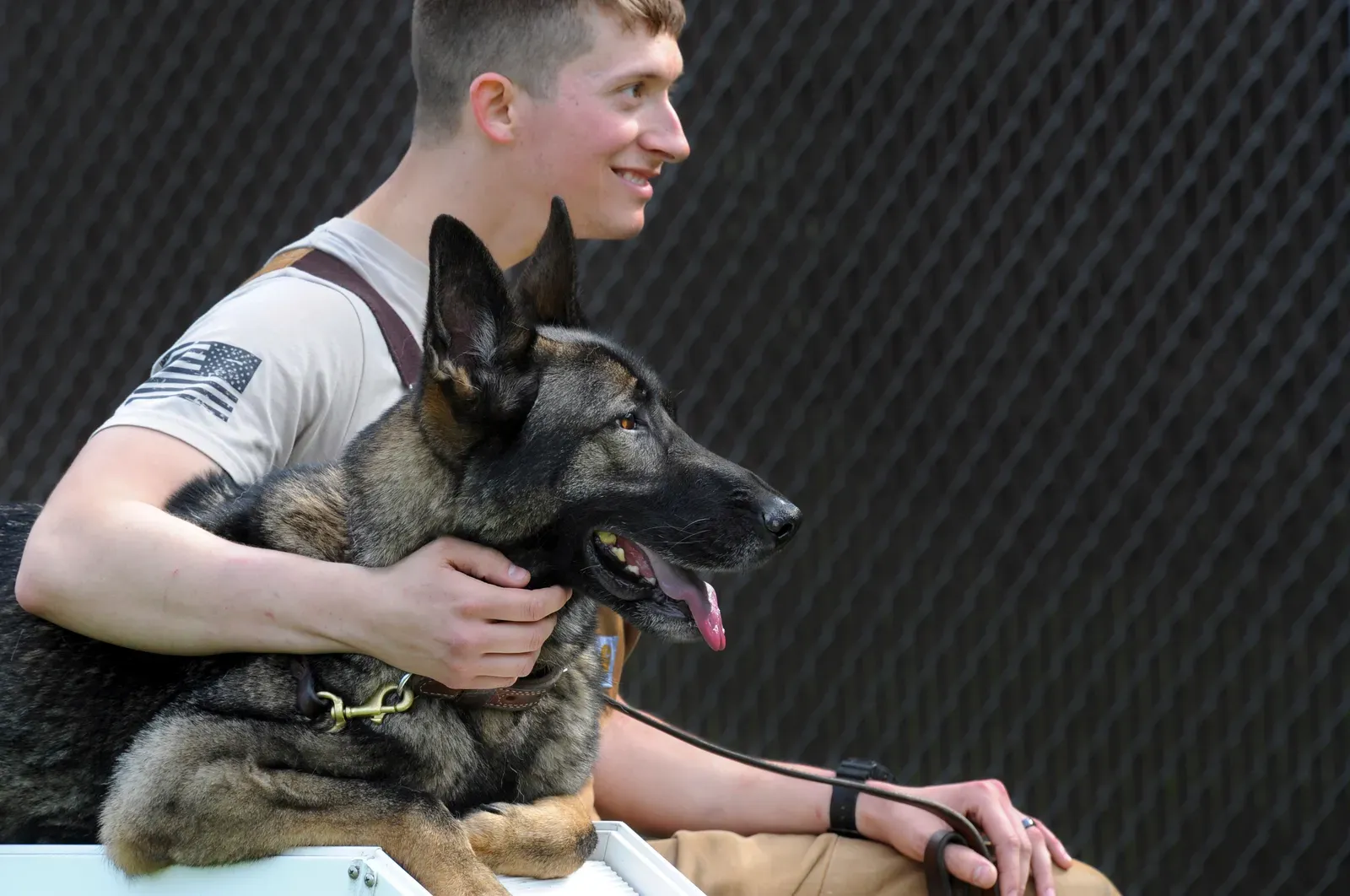
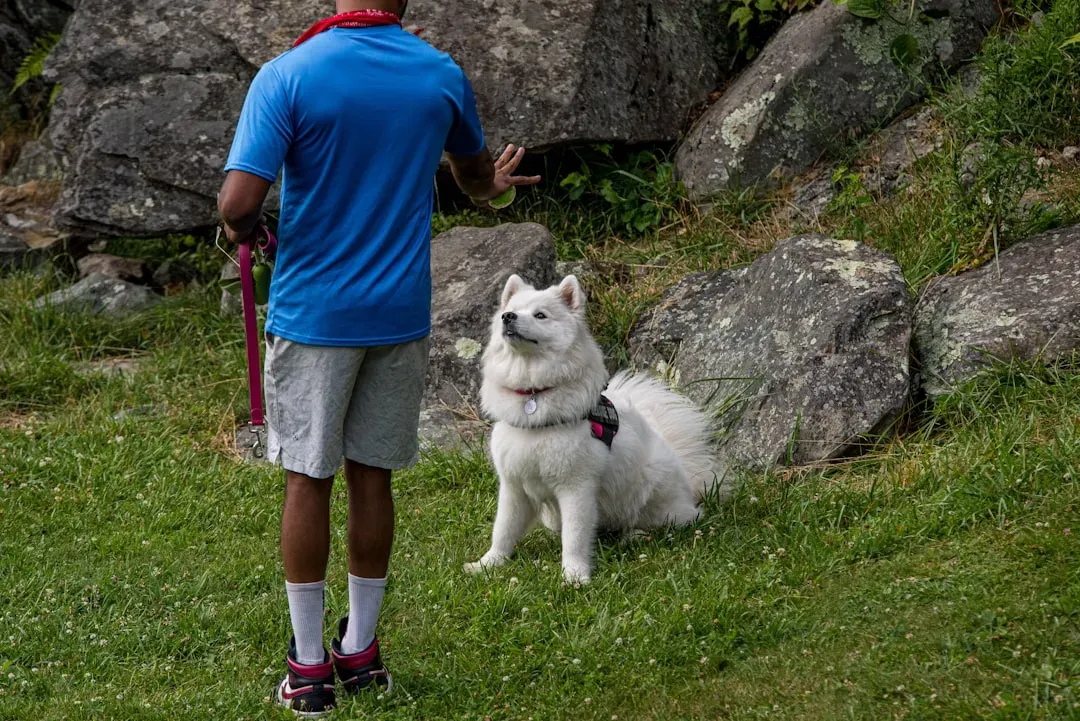
Teaching your dog a “sit and watch” procedure is one great approach. Your dog learns to sit quietly and observe what’s going on, then you reward them with a treat for that quiet behavior. You may have to work up to this incrementally so that you can always reward the positive behavior you’re looking for. Slow and steady really does win this particular race.
Another common practice is giving your dog a “job” to do when the mail carrier comes up to the door. For example, some owners train their dogs to grab a toy and head into another room when a delivery person approaches. I think this is a brilliant little trick – it redirects energy rather than trying to suppress it entirely, which is much more realistic and kind.
If possible, keep curtains or blinds closed during delivery times to reduce visual triggers. Lowering household noise levels can also help keep your dog more relaxed. Sometimes the simplest solutions make the biggest difference. Removing the visual trigger is like turning down the volume on the whole situation.
When to Call in a Professional (And Why There’s No Shame In It)
This behavior, whether associated with dominance or lack of confidence, will not just go away and can compound into other unwanted problem behaviors down the road, if it hasn’t already. Let’s be real – sometimes the DIY approach only gets you so far. There’s absolutely no shame in asking for expert help.
The majority of dogs who bite do so because they are afraid. Fearful dogs are often especially scared of people who are carrying things, which puts people who deliver the mail at risk. Furthermore, these mail carriers turn their backs and walk away, an action that can give frightened dogs just enough confidence to act on their fears by biting. This is where the stakes get real. Fear-based reactivity can escalate, and protecting people around your dog is just as important as protecting your dog.
Depending on the circumstance and medical evaluation, your veterinarian may even prescribe medication to help with the dog’s anxiety, which allows the behavioral modification program to be more effective if the dog was previously too stressed to function. A good behaviorist or vet isn’t a last resort – they can be a turning point. Reaching out early is always better than waiting until things spiral.
Conclusion: Your Dog Isn’t Being Difficult. They’re Communicating.
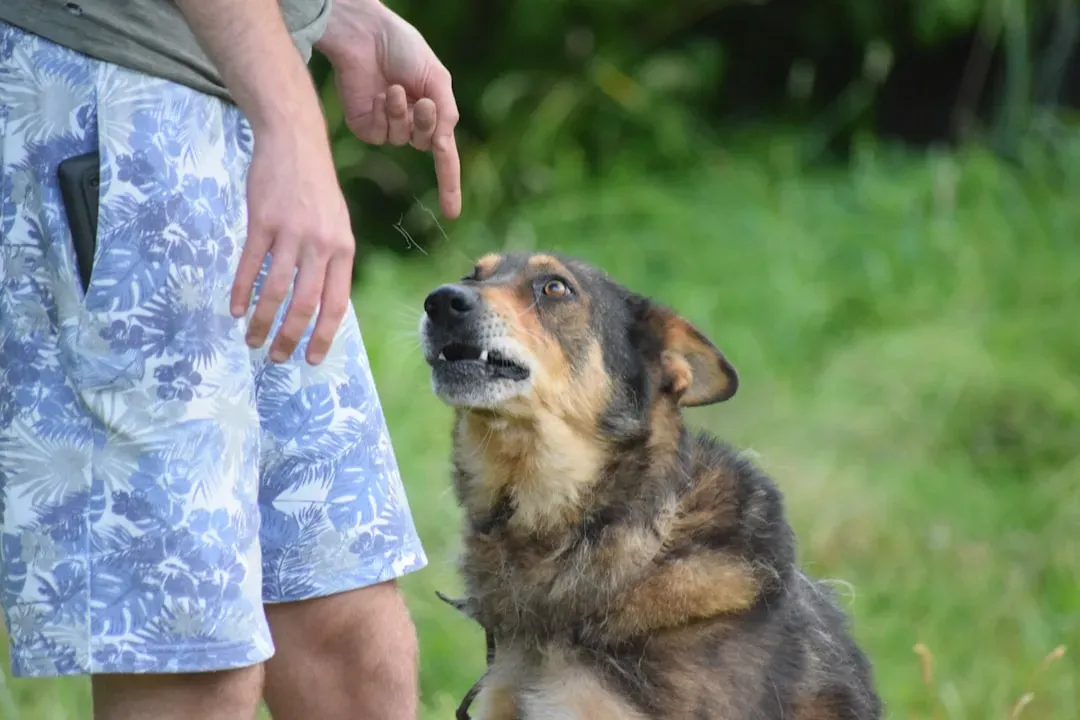
Here’s the thing most dog owners need to hear: your dog isn’t trying to ruin your morning or embarrass you in front of the neighbors. They’re telling you something important about how they see their world, whether that’s through a lens of confidence and protection, or through one of anxiety and fear.
Understanding which one is driving the barking changes everything about how you respond. Compassion, consistency, and the right training approach can genuinely transform your dog’s reaction over time. You’re not trying to silence a dog – you’re trying to help an animal you love feel safer and more secure.
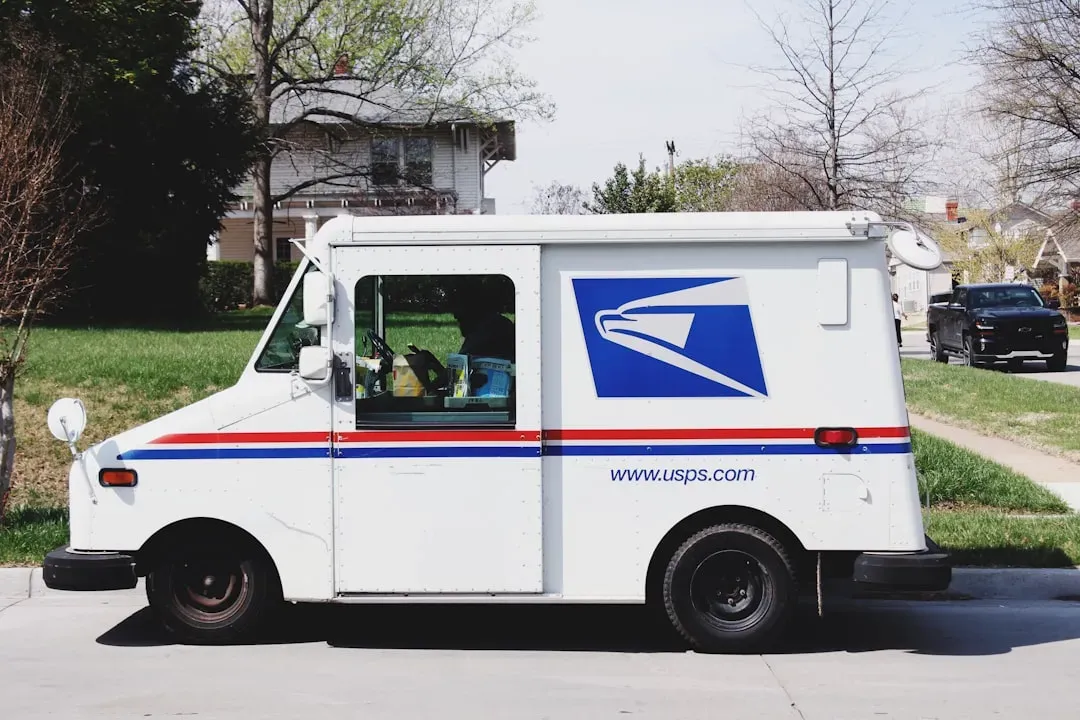
Every bark is a message. The more you tune in, the better you’ll understand the incredible creature trusting you to figure it out with them. So next time that mail truck rumbles up the street and your dog loses it at the window – take a breath, watch their body language, and remember: this is where real connection begins. What do you think your dog’s mailman bark is really saying? Share your story in the comments!


