
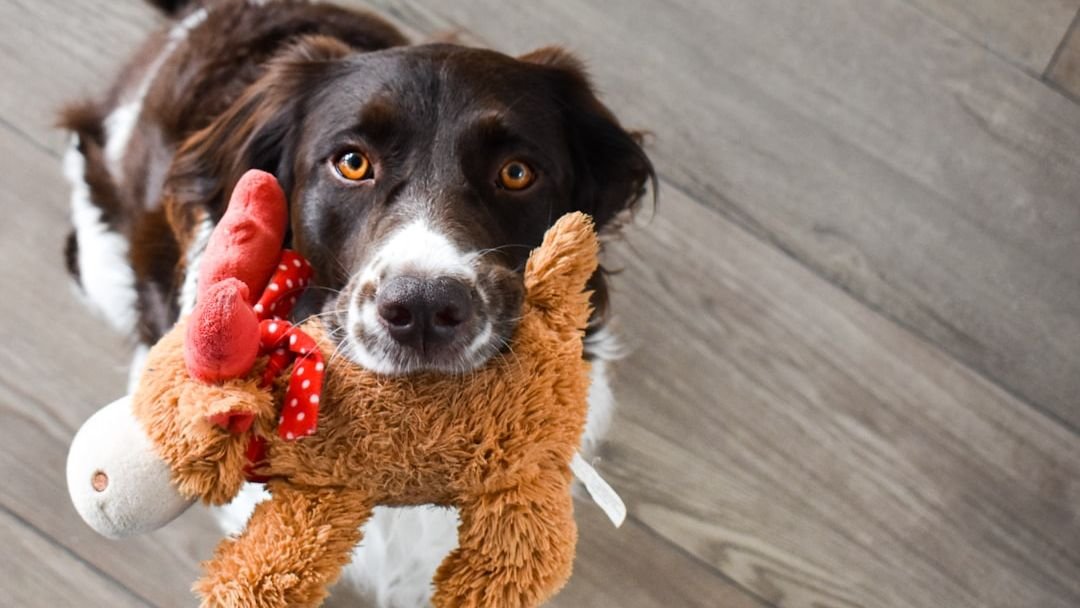
You hand your dog that beloved squeaky toy, their tail goes wild, and your heart melts. It feels like pure love, right? But here’s a question that not many dog owners stop to ask: what if that very toy, the one your pup is absolutely obsessed with, is quietly working against their mental growth?
It’s not about guilt. Honestly, we all want to give our dogs the best. The truth is, not all dog toys are created equal, and the difference between a toy that nurtures your dog’s mind and one that quietly stunts it is something every dog lover deserves to understand. So let’s dive in.
The Hidden Side of “Good Enough” Toys
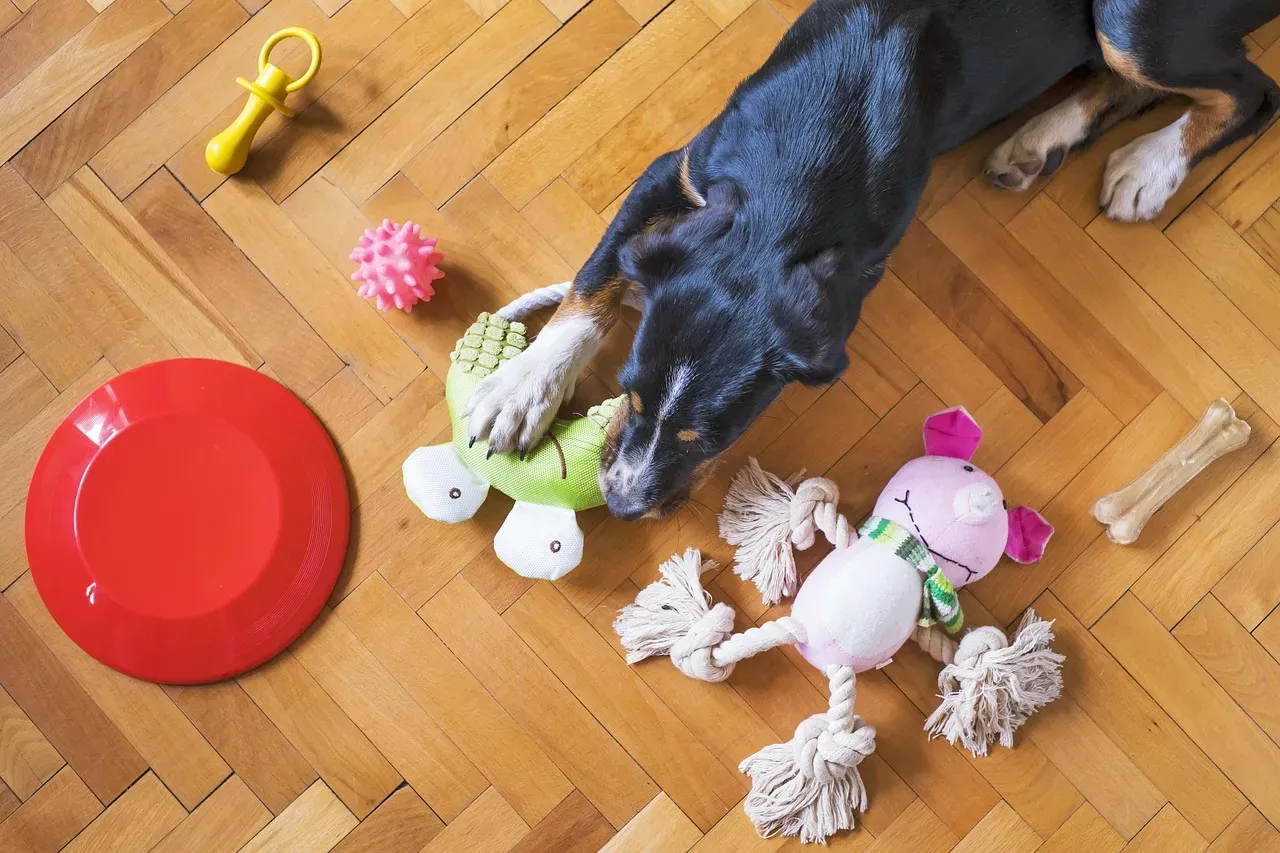
Picture this: your dog has had the same tennis ball for two years. They love it. You love watching them love it. But here’s the thing – standard dog toys like balls, ropes, and squeaky toys provide temporary entertainment but lack the cognitive challenge necessary for true mental stimulation, often resulting in a quick loss of interest and passive play that doesn’t engage problem-solving skills.
Passive play is a bit like watching TV for hours instead of reading a book. Your dog is occupied, sure, but their brain isn’t really being exercised. Over time, that gap in stimulation adds up and can show up in ways that surprise even the most attentive pet parents.
What Happens When a Dog’s Brain Doesn’t Get Enough Work

Think of your dog’s mind like a muscle. Leave it unused and it starts to cause problems. When dogs lack adequate mental enrichment, they develop destructive behaviors, anxiety, and even depression that can significantly impact their quality of life and lifespan. That sofa cushion your dog destroyed last Tuesday? That might not be rebellion. It might be a cry for mental engagement.
Without adequate mental exercise, dogs can become bored, which can lead to excessive barking, destructive chewing, and even aggression – all common signs of a bored and under-stimulated dog. These behaviors are often mislabeled as personality flaws, when really they’re symptoms. Your dog isn’t bad. They’re understimulated.
The Surprising Science of Toy Obsession
Now this is where it gets really fascinating, and honestly a little eyebrow-raising. A landmark study published in Scientific Reports provides the first scientific framework for identifying and understanding addictive-like behaviors toward toys in dogs. That means your dog’s fixation on one particular toy might go far deeper than preference.
Data from 105 highly play-motivated dogs revealed that roughly a third of subjects exhibited behaviors consistent with addictive-like tendencies, including an excessive fixation on toys, reduced responsiveness to alternative stimuli, and persistent efforts to access toys. I know it sounds intense, but think about it: a dog who only wants one toy, ignores everything else, and becomes anxious without it may be showing early warning signs worth paying attention to.
Behavioral Cues That Your Dog Needs More From Their Playtime

Your dog can’t exactly tell you they’re bored, but they absolutely show you. Watch for these telling signs: without proper mental stimulation, dogs can become bored, anxious, and develop behavioral issues such as separation anxiety, excessive barking, and even aggression. If any of those sound familiar, the toy box might need a rethink.
Another thing to watch for is rapid loss of interest. Dogs’ interest in toys can wane over time, and habituation can set in quickly depending on the type of toy. If your dog sniffs a toy and walks away after thirty seconds, that’s not pickiness. That’s a smart brain looking for a real challenge. Novelty and complexity matter more than we often realize.
The Toys That Actually Build a Better Brain
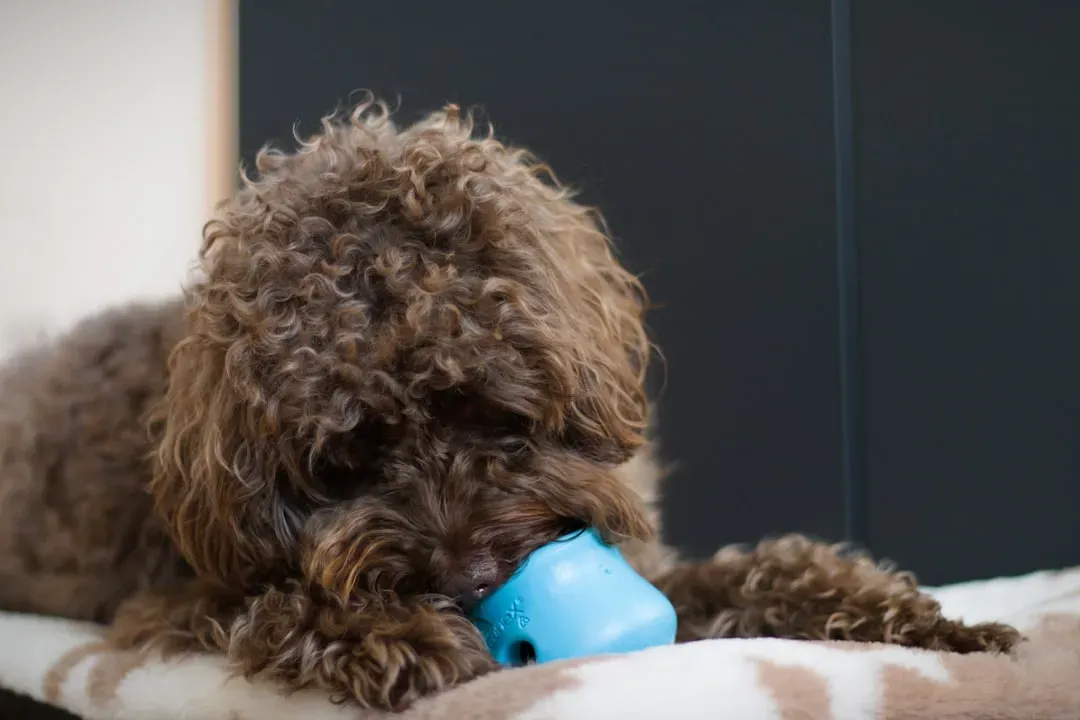
Here’s the good news, and there’s plenty of it. Mental health toys are made to challenge a dog’s mind, improving focus, problem solving, and learning skills. Puzzle toys, treat mazes, and interactive gadgets engage the brain by requiring dogs to think, strategize, and manipulate parts to get a reward, which also helps to put an end to boredom-related behaviors like excessive barking, digging, or chewing.
Snuffle toys, for instance, are incredible tools to engage your dog’s mind and problem-solving skills through their most powerful sense – smell. Dogs have up to 300 million olfactory receptors, and snuffle toys let them use this natural ability in a productive, calming way. It’s like giving your dog a full mental workout that feels like play. A win for both of you, honestly.
Smart Prevention Tips Every Dog Parent Should Know
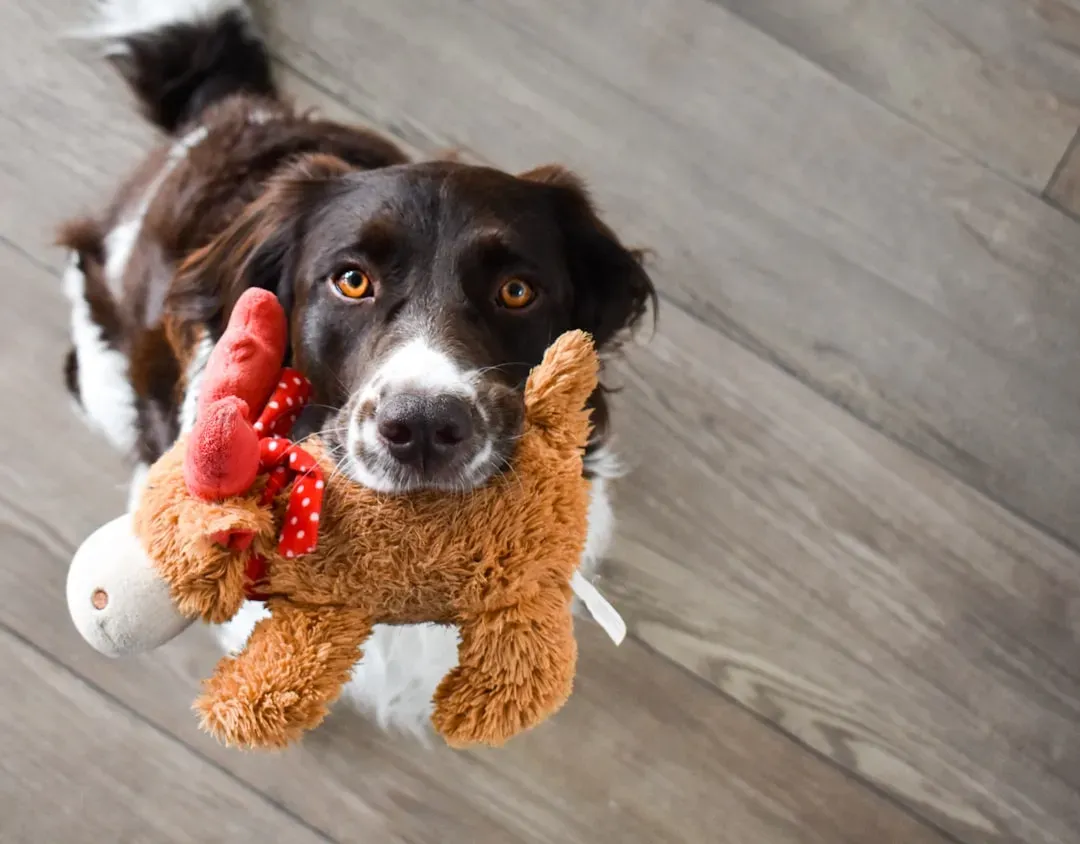
You don’t have to throw out your dog’s current toy collection. Small, thoughtful changes can make a huge difference. Rotating toys is a highly recommended strategy to encourage exploration and reduce habituation. Think of it like rotating the books on your nightstand – fresh options keep the brain curious and engaged. Even an old toy can feel brand new after a week away from it.
Start with an easy-to-moderate puzzle toy and gradually increase the complexity over time. A toy that’s too difficult may frustrate your dog, while something too easy might bore them. The sweet spot is a toy that makes your dog work just a little – like a puzzle that takes effort but always rewards persistence. Rotating toys weekly to maintain your dog’s interest is one of the simplest and most effective habits you can build into your routine.
A Note on Safety You Should Never Skip

Mental enrichment matters deeply, but so does physical safety during playtime. Balls and other toys that are too small can be easily swallowed or become lodged in your dog’s mouth or throat. Avoid or alter any toys that are not dog-proof by removing ribbons, strings, eyes, or other parts that could be chewed off and ingested. Monitor your dog’s toys and discard any toy that starts to break into pieces.
Very hard chew objects can wear away tooth enamel over time, exposing sensitive nerve endings and causing discomfort. It’s worth doing a regular toy audit, maybe once a month, to check for wear and tear. It’s wise to supervise your dog during the first few play sessions with any new toy, and this is particularly important for heavy chewers and puppies prone to ingesting non-food objects.
Conclusion: Play Smarter, Love Deeper
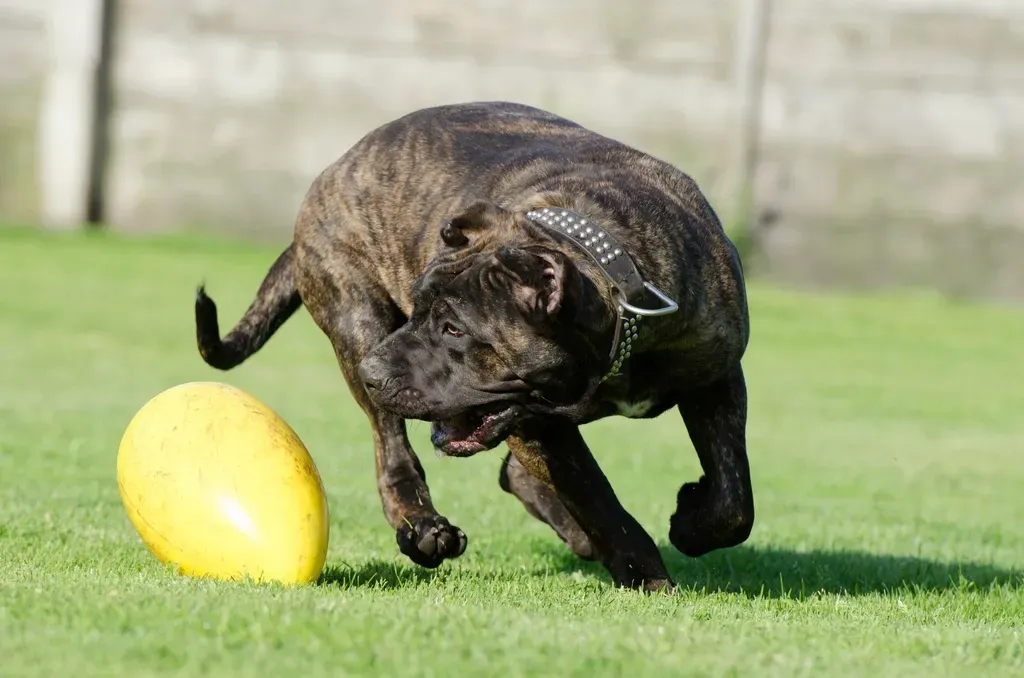
Your dog’s toy basket is more than a pile of fun. It’s a window into how well their mind is being nurtured every single day. The goal isn’t to stress over every rubber ball, but to become a more intentional, curious kind of dog parent. Because the truth is, a mentally fulfilled dog is a calmer, happier, and more connected companion.
Swap one passive toy for a snuffle mat. Rotate what’s available this week. Try a puzzle feeder at dinner. Small shifts, big results. Your dog gives you unconditional love every single day, and they deserve a play life that gives their brilliant little brain something worthy of that devotion.
So take a peek into that toy basket today. What would you swap out first?


