
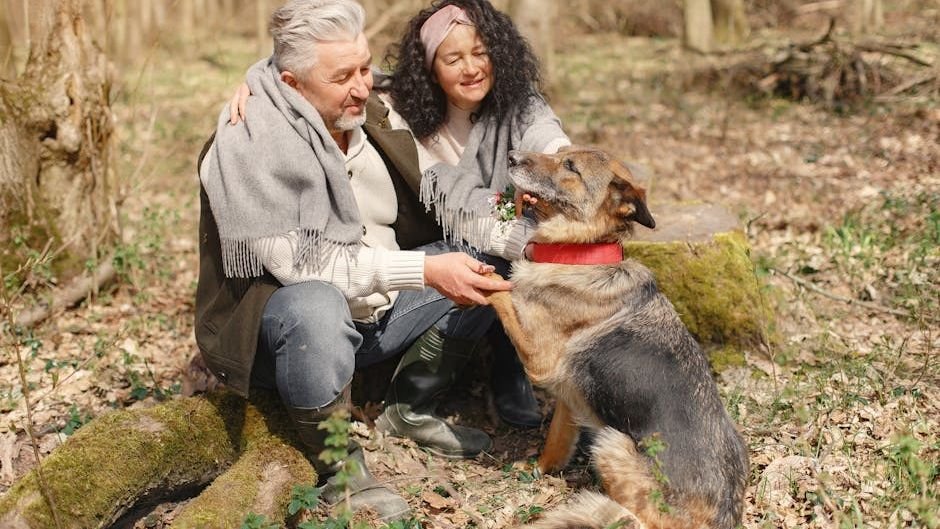
There’s something quietly heartbreaking about watching your dog grow old. The pup who once dragged you down the street now walks a little slower, sleeps a little longer, and sometimes stares at the wall like he’s trying to remember something important. It’s easy to feel confused, maybe even worried, when the dog you’ve known for years starts acting differently.
Here’s the thing though – many of those new habits aren’t just signs of decline. Some of them are your senior dog’s way of saying, “I need you. I trust you. I love you.” Understanding the difference between what’s normal, what’s meaningful, and what needs a vet’s attention is one of the most powerful things you can do for your aging companion. Let’s dive in.
When Slowing Down Isn’t Giving Up
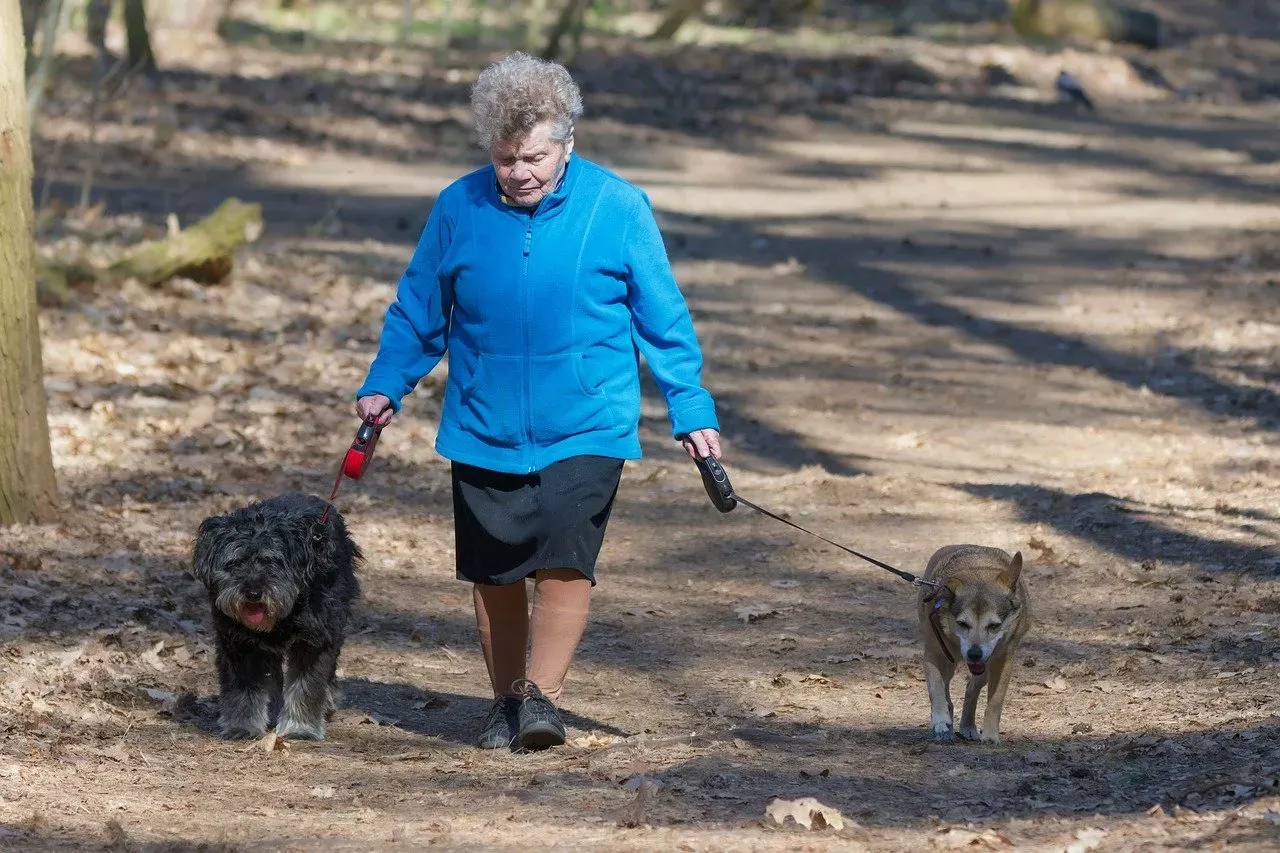
One of the first things dog parents notice is the gradual slowdown. Your dog used to sprint to the door at the jingle of a leash. Now? He stretches, sighs, and ambles over at his own pace. Honestly, I think a lot of people mistake this for sadness or illness right away, when much of it is simply biology.
Seniors generally prefer more relaxed activities than they did as rambunctious adults, and will likely spend more time resting and sleeping. That’s not defeat – it’s your dog adjusting to what his body needs. Think of it less like a light dimming and more like a volume being turned to a comfortable level.
Still, there’s a line between normal slowing and something more concerning. If your dog starts to avoid exercise and playtime, struggles with daily activities such as climbing stairs or jumping onto the couch, or you notice they are slower or stiff particularly after periods of rest, they may be suffering from a joint condition such as arthritis.
The practical tip here is simple: keep moving, just gently. The habit of regular exercise will help maintain your dog’s weight and general health, but be reasonable in your expectations for intensity and duration of activity. Shorter, more frequent walks beat one long exhausting one every time.
The Clinginess That Feels Like a Hug
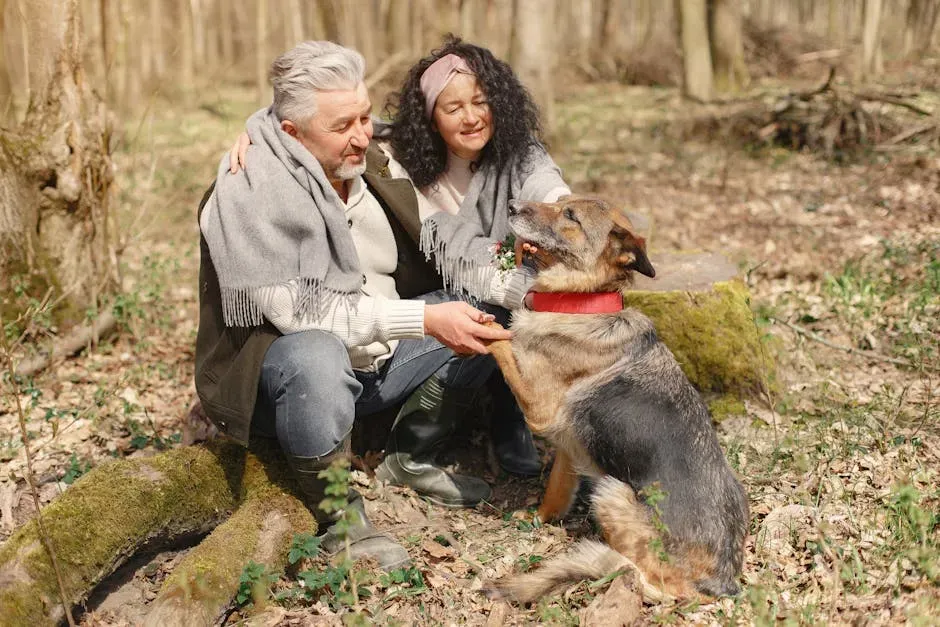
Has your senior dog started following you from room to room? Sitting closer than usual? Resting his grey muzzle on your knee for longer than he ever used to? This kind of increased closeness can feel tender, even sacred. It often is. Your senior dog may become more loving in his later years, or life may rub the edges off a bossy or hyper-active personality.
However – and this is where it gets nuanced – not all closeness signals pure affection. Some common concerns reported by guardians of aging dogs are increased sensitivity and irritability, increased fear of unfamiliar pets and people, decreased tolerance of touch and restraint, increased following and desire for contact, and increased anxiety when left alone. Sometimes the following is rooted in anxiety rather than love.
Increased anxiety is common in seniors, often secondary to mental or physical changes that leave them feeling less than their best selves. Some older dogs even develop separation anxiety at night, when you’re asleep and not responsive to them. It’s worth asking your vet about this, because anxiety isn’t just uncomfortable for your dog. It raises stress hormones and can worsen existing health conditions.
When Confusion Looks Like Forgetting You

This one is hard to talk about, but it’s so important. You call your dog’s name and he looks past you. He stands in the middle of the kitchen like he forgot why he went there. He wanders the house at two in the morning. If this sounds familiar, you’re not imagining it and you’re not alone.
Dog dementia, or Canine Cognitive Dysfunction (CCD), is a progressive brain condition that affects senior dogs. Much like Alzheimer’s disease in humans, it causes physical and chemical changes in the brain that impact memory, awareness, and learning. It’s a real diagnosis, not just “old age.” And the numbers are sobering. Research shows that over 60% of dogs older than 11 years show at least one sign of cognitive decline. Yet many families assume these symptoms are just “old age,” when recognizing them early can help your dog stay comfortable longer.
Symptoms of canine cognitive decline are often first noticed as confusion, agitation, restlessness, and vocalization during the evening hours, known as “Sundowners Syndrome.” If this rings a bell, bring a short video of your dog’s behavior to your next vet appointment. Dogs may not show the same behaviors in the clinic as they do at home, so that footage is genuinely valuable.
New Fears, Loud Nights, and What They’re Really Saying
Let’s be real – a dog who suddenly barks at the vacuum cleaner he’s lived with for a decade, or trembles at thunderstorms he once ignored, can feel like a completely different animal. It’s disorienting for owners, and honestly, it’s disorienting for your dog too.
Sensory decline, cognitive dysfunction, and anxiety can all contribute to fears and phobias. The first step in treatment is to control underlying medical problems and cognitive dysfunction. Older dogs can suffer from fears and phobias of noise and thunderstorms and, less commonly, of going outdoors, entering certain rooms, or walking on certain types of surfaces.
Most older dogs startle easily because they cannot see or hear noises until they are upon them. Startle aggression is a common problem in older dogs. So when your sweet old dog snaps at a grandchild who startled him from sleep, it’s not aggression born from meanness. It’s fear born from a world that has become quieter and darker. Educating everyone in the household about this is a form of love, for both your dog and your family.
Practical tip: Try keeping your dog away from whatever triggers his fears or phobias, or mask the noise with background music. Consistency and calm go a very long way.
How to Be the Human Your Senior Dog Needs Right Now
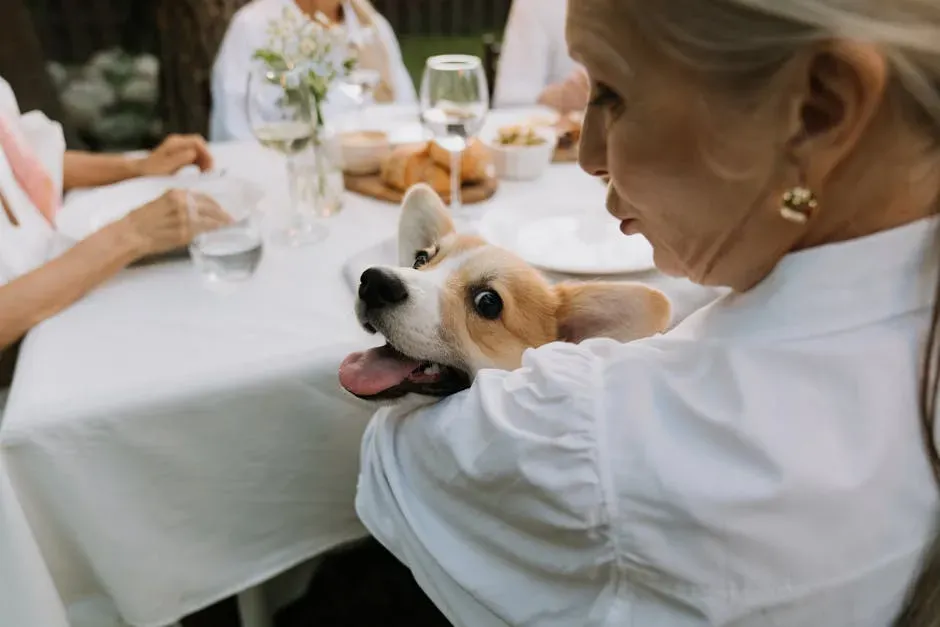
Here’s what I truly believe: caring for a senior dog is one of the most emotionally rich experiences in the human-animal bond. It asks you to pay closer attention, move a little slower, and love a little louder. But it also asks you to be proactive, not just reactive.
Some changes associated with aging may seem insignificant, but even a minor change in behavior could indicate an underlying medical condition or a decline in cognitive function. Early diagnosis and treatment can control or slow the progress of many disease conditions. This is not something to push to the back of your mind. Senior pets should visit their veterinarian every six months to a year, or more frequently if they have ongoing health issues.
Enrichment matters too. There are many ways to keep your older dog’s life interesting and stimulating that don’t require vigorous physical effort. Just as with humans, dogs need to use their brains and bodies to maintain their mental and physical fitness. Puzzle feeders, gentle sniff walks, and short training sessions using hand signals instead of voice commands if hearing has declined – these small efforts add up to a significantly better quality of life.
Always approach your dog with grace and compassion and recognize that they are doing their very best. After a lifetime of loving you, they deserve your love and support in these twilight years. That, honestly, is the whole thing in a nutshell.
Conclusion: Listen With Your Heart, Act With Your Head
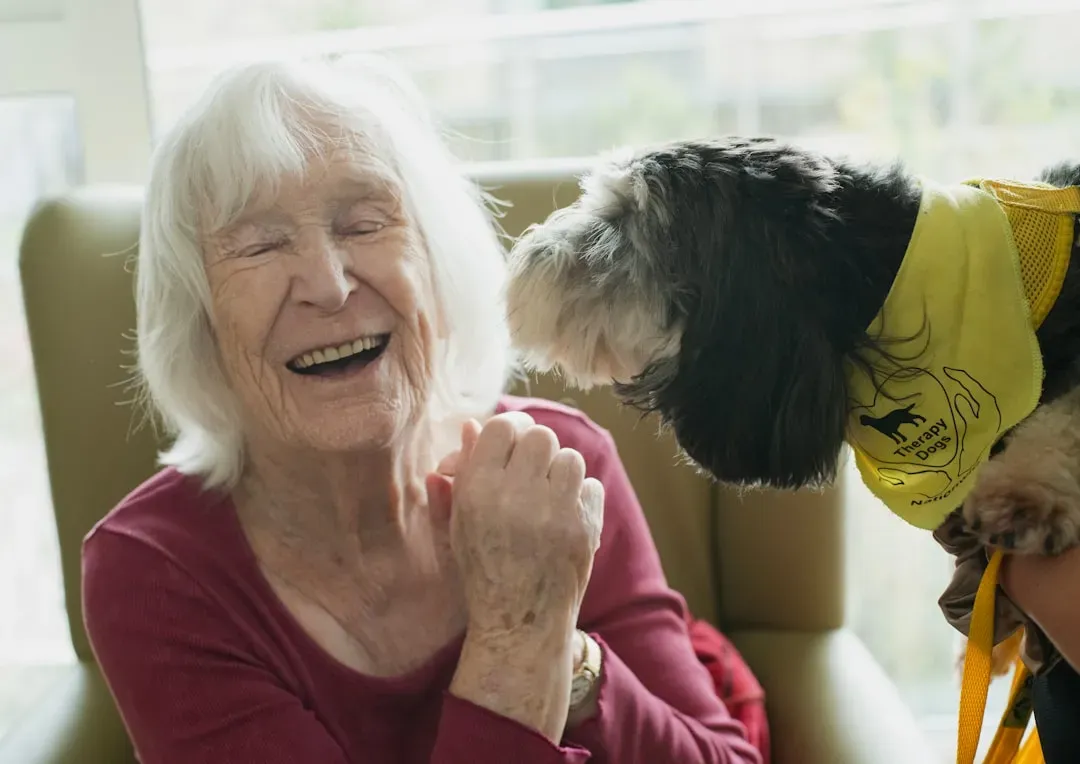
Your senior dog’s new habits aren’t random. They’re a language. Some sentences say “I’m confused and scared.” Others say “I need you close.” A few say “something hurts, please help me.” The more fluently you learn to read these signals, the more confidently you can show up for him.
Don’t wait for a dramatic sign to seek help. Don’t assume that your dog is “just getting old” and nothing can be done to help him. Many changes in behavior can be signs of treatable medical disorders, and there are a variety of therapies that can comfort your dog and manage his symptoms, including any pain he might be experiencing.
The grey muzzle, the slower steps, the warm weight of an old dog leaning into your leg – none of it lasts forever. That’s what makes it so worth paying attention to right now. What new habit has your senior dog recently shown you? Tell us in the comments – we’d love to hear your story.


