

Guemes Island, Washington – Residents of this remote island discovered a disturbing scene last week when dead canines began washing up along the shoreline. Officials confirmed 21 carcasses by early April, sparking a formal investigation into their origins and causes of death.[1][2] The island, home to about 600 people and accessible only by ferry, carries a historical nickname that adds an eerie layer to the events.
A Wave of Grim Discoveries
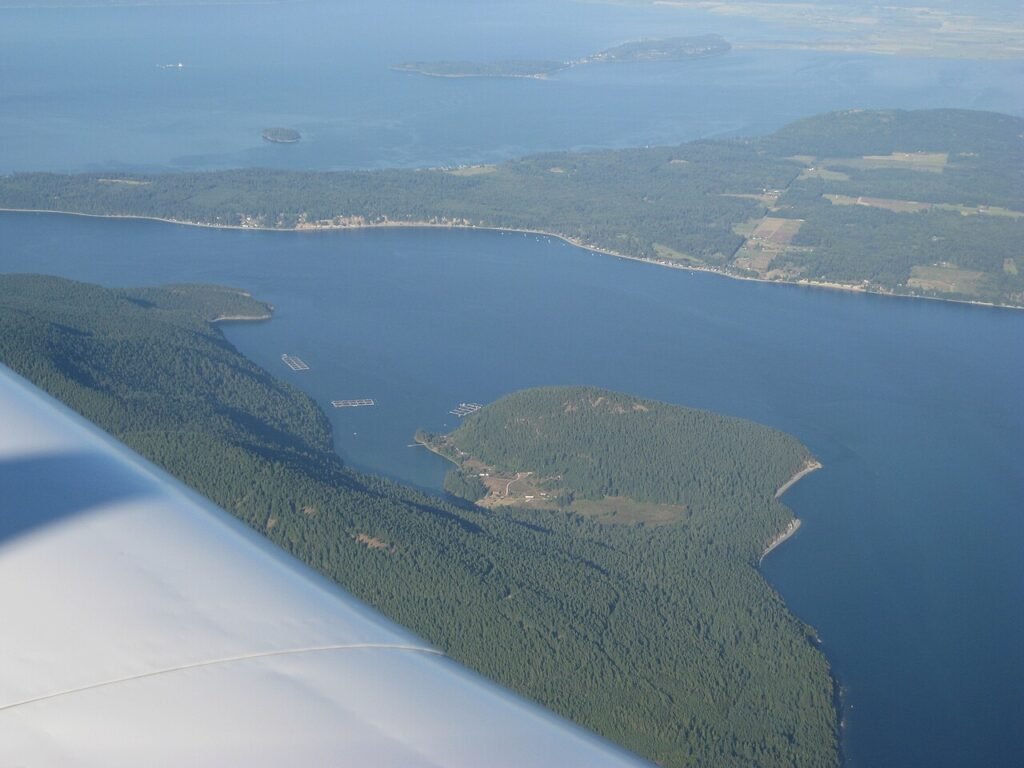
The first six carcasses appeared on March 26 along the shores near Kelly’s Point. Additional bodies surfaced in the following days, including one in the La Conner Channel on March 31 and eight more on April 2.[3] Search teams scoured the beaches by boat and on foot, pushing the total count to 21.
Many of the canines shared striking similarities. They measured roughly the length of a woman’s size 9½ shoe or slightly larger, with fur remaining only on the back paws of some. Investigators noted no signs of gunshot wounds or injuries typical of dogfighting.[2]
Disturbing Details Emerge
Reports described several carcasses as skinned, with front paws missing on multiple specimens. Two bore orange twine wrapped around their necks, raising immediate concerns about foul play. Decomposition had advanced by the time of recovery, complicating efforts to confirm the exact species – possibilities included domestic dogs, coyotes, foxes, or others.[4]
Guemes Island Fire Chief Olivia Cole witnessed the recoveries firsthand. “All of the carcasses that washed ashore had been skinned,” she stated. “It’s a creepy mystery out here… it’s like the start of a horror movie, honestly.”[2]
- First sightings: Six on March 26 near Kelly’s Point.
- March 31: One in La Conner Channel.
- April 2: Eight additional along Guemes shoreline.
- Total recovered: 21 by April 4.
- Condition: Skinned, paws removed, twine on some necks.
Historical Echoes of ‘Dog Island’
Guemes Island earned its moniker “Dog Island” in the 19th century from the large population of Salish woolly dogs raised by Coast Salish people. These now-extinct animals once thrived there, tying the land to a legacy of canine significance.[1] The nickname persists locally, especially among the dog-loving community where pets often roam freely.
Today’s roughly 600 residents cherish their animals, making the recent events particularly jarring. One beachgoer recalled the shock: “It was like nothing I’d ever seen.”[1] Rumors swirled through the tight-knit population, from illegal breeders on nearby islands to wilder theories, though officials urged restraint until evidence surfaced.
Officials Launch Thorough Probe
Skagit County Sheriff’s Office took charge immediately, classifying the incident as active investigation. The Guemes Island Fire Department collected the remains, which underwent necropsies by a forensic veterinarian. DNA testing followed to pinpoint species and potential causes of death.[3]
Lieutenant Steven Dills provided updates as numbers climbed. “I don’t have an exact number yet, but we’re approaching 20, at least,” he said in early reports.[4] Results from the analyses could take up to three weeks, leaving questions about the animals’ origins unanswered for now. Animal Control officers assisted in tracing possible sources.
| Date | Discoveries | Total |
|---|---|---|
| March 26 | 6 near Kelly’s Point | 6 |
| March 31 | 1 in La Conner Channel | 7 |
| April 2 | 8 on Guemes shoreline | 21 |
Community on Edge as Answers Await
The discoveries rattled island life. Residents like Alexie Gregory described walking the beach: “It was so eerie to see one and then, literally, five minutes of walking, we found another… I was numb. I was just in shock.”[2] Conversations dominated local stores and gatherings, with calls for swift justice if cruelty proved involved.
Chief Cole echoed the unease: “I haven’t slept very much… It’s been very difficult.”[4] While speculation abounds, authorities emphasized patience amid the forensic process.
- 21 similar-sized canines recovered since late March.
- Necropsies and DNA tests underway; results pending.
- Possible foul play due to skinning and twine, but no confirmed cause.
This shoreline enigma underscores vulnerabilities in coastal communities, where currents can carry secrets from afar. As the investigation progresses, clarity may reveal whether natural forces or human hands played a role. What do you think caused this? Tell us in the comments.


