
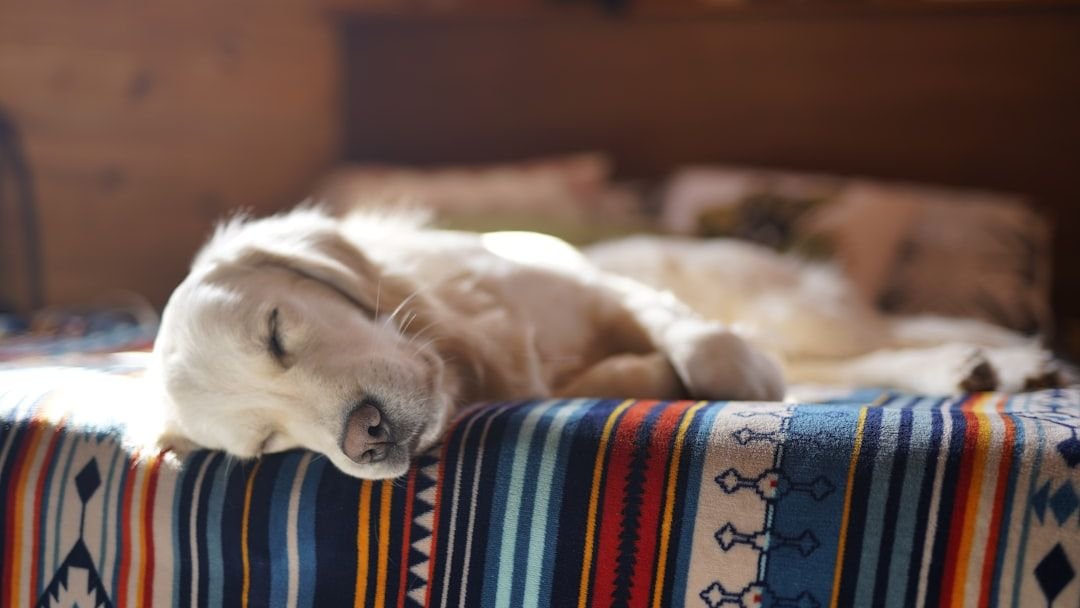
You’ve seen it a dozen times. There your dog lies, fast asleep on the sofa, and suddenly a paw twitches, their nose quivers, or they let out a soft whimper. Maybe their legs start paddling like they’re chasing something through an invisible field. It’s adorable, endearing, and if we’re honest, a little mysterious. What’s happening in that furry head of theirs? Are they reliving their favorite game of fetch or racing after that neighborhood squirrel they can never quite catch?
Here’s the thing. Your dog’s sleep twitches aren’t just random spasms or quirky movements. They’re a window into their inner world, a glimpse of how their brain processes the day, sorts through memories, and yes, dreams. Understanding what those twitches really mean can deepen your bond with your pup and help you recognize when something might actually need your attention. So let’s dive into the fascinating science behind your dog’s dream world and uncover what all that nighttime activity is truly about.
The Science Behind Those Adorable Sleep Twitches
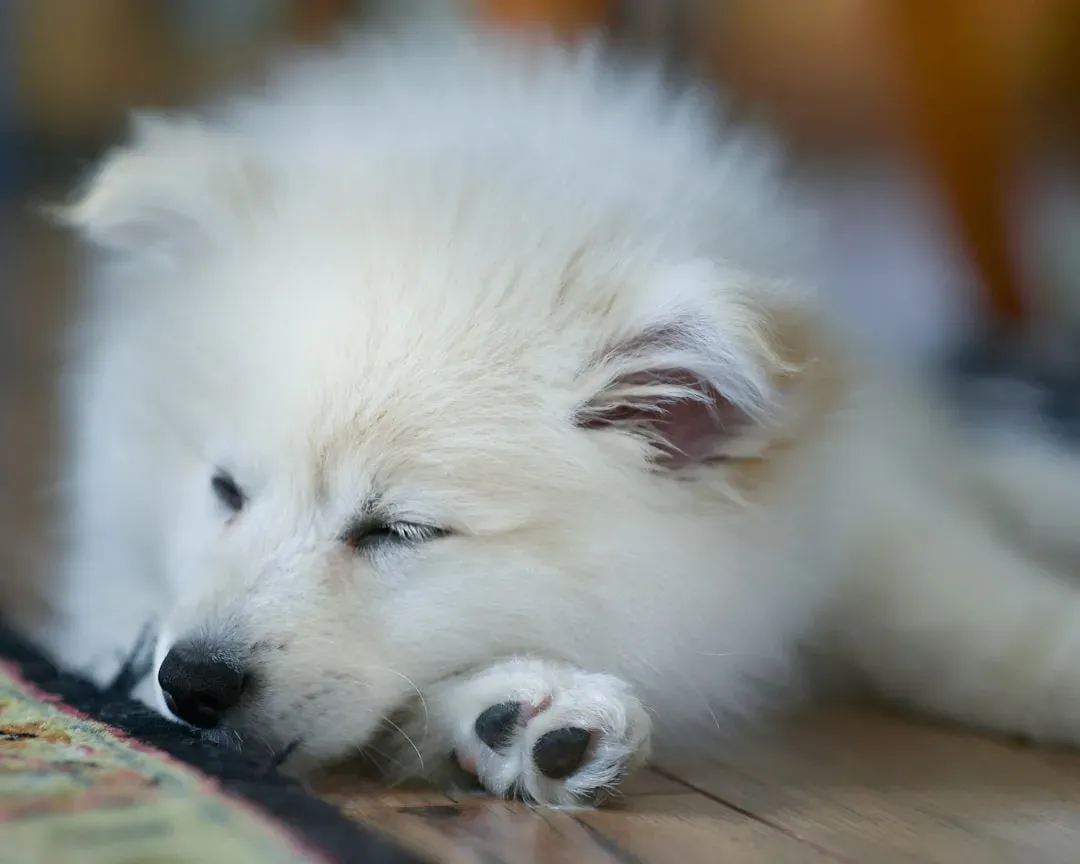
Dogs do indeed dream, and their brain wave patterns during sleep are remarkably similar to those of humans, validating this through scientific research. Think of it this way: when your dog drifts into slumber, their brain doesn’t just shut down. It shifts gears.
Dreams typically begin for dogs after about 20 minutes of sleep, during REM (rapid eye movement) sleep. While dreaming, their breathing may become shallow and irregular, and muscles twitch. Their eyes move behind closed lids, darting about as if they’re looking at something. It’s like watching a silent movie play out across their sleeping face.
What makes this even more intriguing is the research behind it. A 2001 MIT study on rats found that animals trained to run in a maze showed similar brain activity during REM sleep as when they were actually in the maze, and researchers could determine where in the maze the rat was dreaming about by looking at their brain activity. The same applies to dogs. Dogs likely dream about things that occurred during their waking hours, and information gathered during the day is processed and may be relived in dreams.
What Exactly Are They Dreaming About?
So what scenarios play out behind those closed eyelids? While we can’t ask our dogs to recount their dreams over morning coffee, experts have some pretty good guesses. It’s reasonable to infer that dogs replay recent experiences like chasing a ball, greeting loved ones, or exploring a new park, and they integrate lessons they’ve learned.
Dream content may be tied to the day’s emotional highlights, and a big training win, novel scent trail, or meeting a new pup could spark especially lively REM sleep. That explains why after a particularly exciting trip to the dog park, your pup might have a more animated snooze later. Their brain is busy replaying all those wonderful moments.
When the part of the brain that normally inhibits movement during sleep is inactivated, certain breeds perform breed-specific behavior in their sleep, like pointers pointing and English Springer Spaniels exhibiting flushing behavior. Your retriever might be fetching invisible tennis balls, and your herding dog could be rounding up imaginary sheep. It’s hardwired into who they are.
Studies suggest dogs may dream about their owners, as they are emotionally attached to them. So yes, there’s a good chance your dog is dreaming about you. Pretty heartwarming, right?
Not All Twitches Are Created Equal
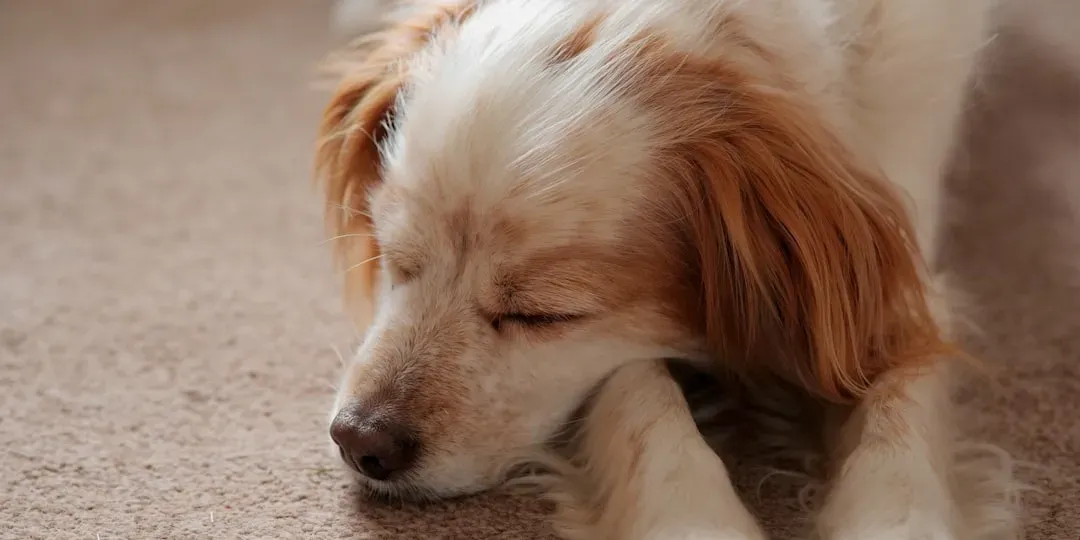
Let’s be real. Most of the time, those twitches are completely harmless and just part of healthy sleep. These behaviors serve no harmful purpose and are a natural sign of a healthy sleep cycle. In fact, dogs that reach REM regularly often wake more refreshed, cope better with stress, and learn more efficiently.
That said, it’s important to know the difference between normal dream twitches and something more concerning. Normal dream movements are often brief, lasting less than 30 seconds, and intermittent. Seizing dogs’ limbs, on the other hand, tend to be rigid and stiffer, with more violent movement.
Dogs experiencing a seizure cannot be easily woken, while dreaming dogs can. Dogs having a seizure may also urinate or defecate, but dreaming dogs normally will not. After a seizure, you may notice drooling, panting, or disorientation. If you’re ever unsure, trust your gut and contact your veterinarian. Recording the episode on your phone is one of the most powerful tools for accurate diagnosis.
Why Puppies and Senior Dogs Twitch More
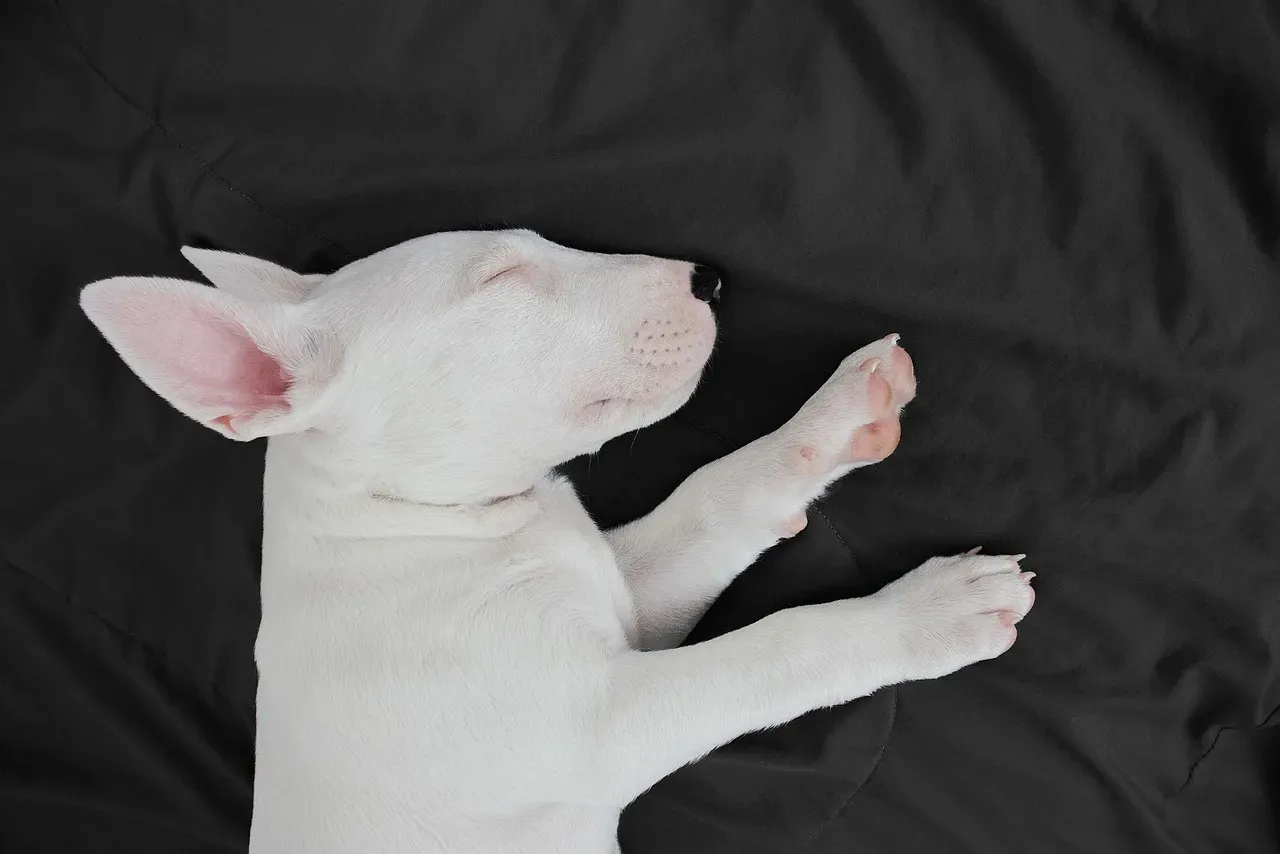
If you’ve noticed that your puppy or aging dog seems to twitch more than others, you’re not imagining things. Puppies and senior dogs tend to have more frequent and visible twitching because their nervous systems are either still maturing or processing age-related changes.
In puppies, the pons, the part of the brain that prevents dogs from physically acting out their dreams, is still developing. In younger dogs, the pons may still be developing, while in older dogs it may be weakening from age, which is why twitching while sleeping occurs most commonly in younger and older dogs. Essentially, their internal “off switch” for muscle movement during dreams isn’t fully functional yet.
Puppies spend more time in dream sleep than adult dogs because they need to process more information. Everything is new to them. Every smell, sound, and experience gets filed away during sleep, and that means more active dreaming. It’s exhausting being a puppy.
Meanwhile, senior dogs experience similar twitching as their brain function naturally declines with age. It’s a normal part of growing older, though if the twitching becomes excessive or is accompanied by confusion or disorientation, a vet visit is a good idea.
When to Worry and When to Let Sleeping Dogs Lie
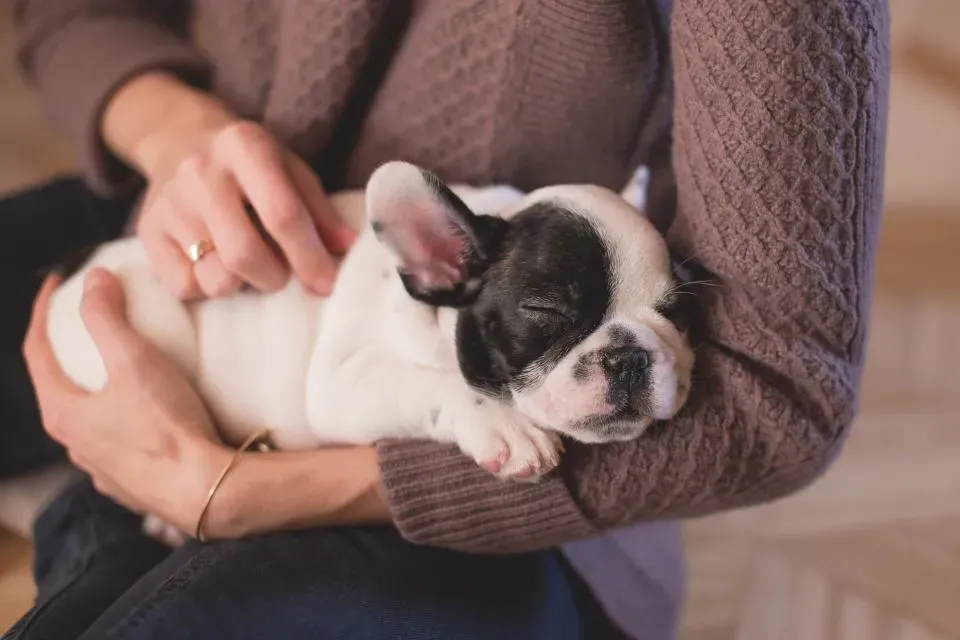
Here’s where things get practical. Don’t wake a peacefully dreaming dog unless they are in danger or showing signs that suggest distress or a seizure. If you must wake them, do it gently using your voice or soft sounds, avoiding sudden touch near the face.
Waking a dog during REM may startle them and provoke a reflexive snap, especially if touched near the face, and even the sweetest dog can react instinctively when suddenly pulled out of a dream state. Nobody wants to get nipped by a startled pup who was just peacefully chasing rabbits in dreamland.
Red flags to watch for include prolonged, violent, or repetitive episodes, rigid body, loss of bladder or bowel control, confusion after waking, and daytime collapse. Seizures often last longer than 30 to 60 seconds and may occur cluster-style or at random times, not just during sleep.
During normal sleep, a dog’s body will be flexible and relaxed, they’ll be breathing normally, with their eyes partially or completely closed, and they should awaken easily and respond to voices. Normal twitching usually occurs when lying on their side, paddling paws, and possibly making little noises. If what you’re seeing doesn’t match that description, it’s worth a conversation with your vet.
Conclusion: Sweet Dreams, Good Boy
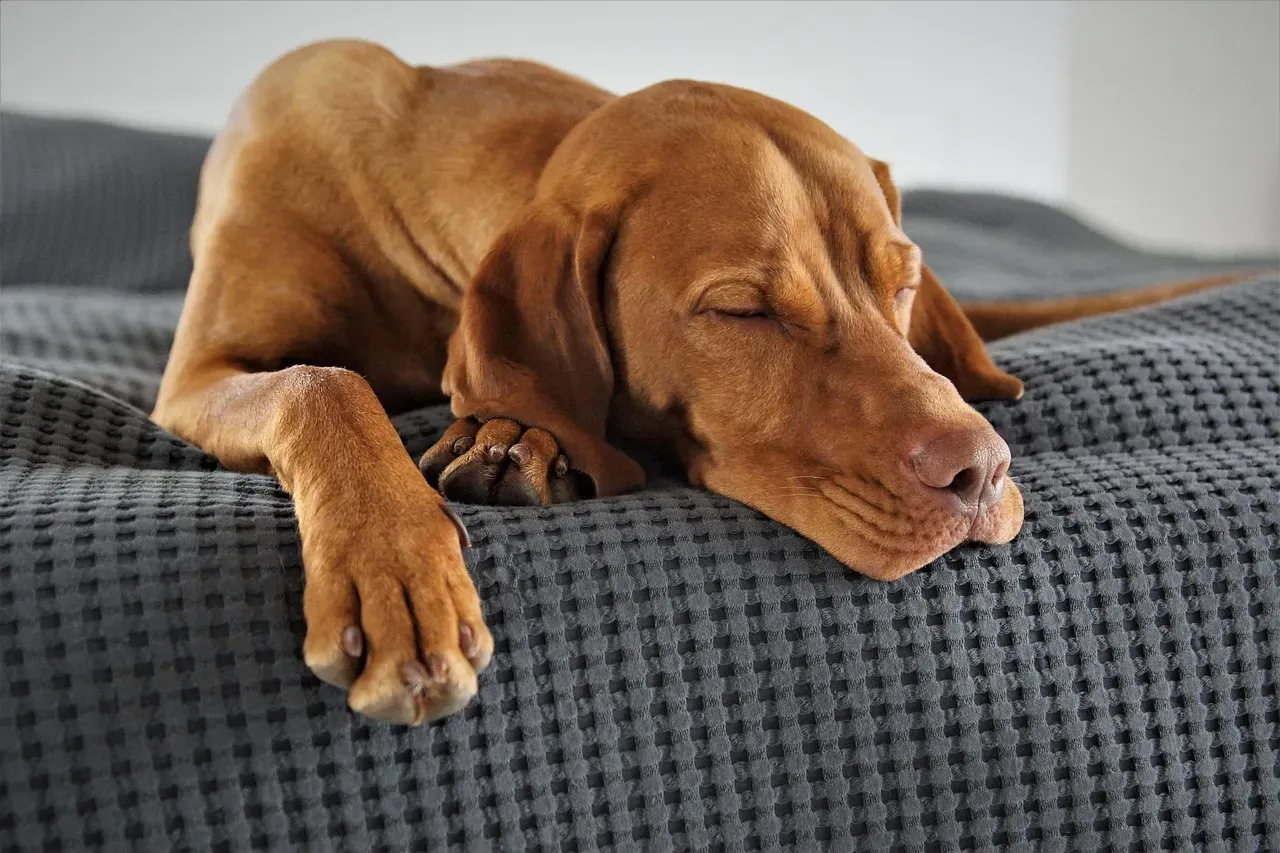
Those sleep twitches are more than just cute quirks. They’re evidence that your dog is processing their world, consolidating memories, and yes, probably dreaming about you. It’s a beautiful reminder of how complex and emotionally rich their inner lives truly are. Understanding what’s normal versus what’s concerning helps you be the best advocate for your furry friend’s health.
So the next time you see those paws paddling away in sleep, smile knowing they’re off on an adventure. Maybe they’re catching that elusive squirrel or reliving the joy of your afternoon walk together. Either way, it’s a privilege to witness these little glimpses into their dream world.
What do you think your dog dreams about most? Share your stories in the comments.


