
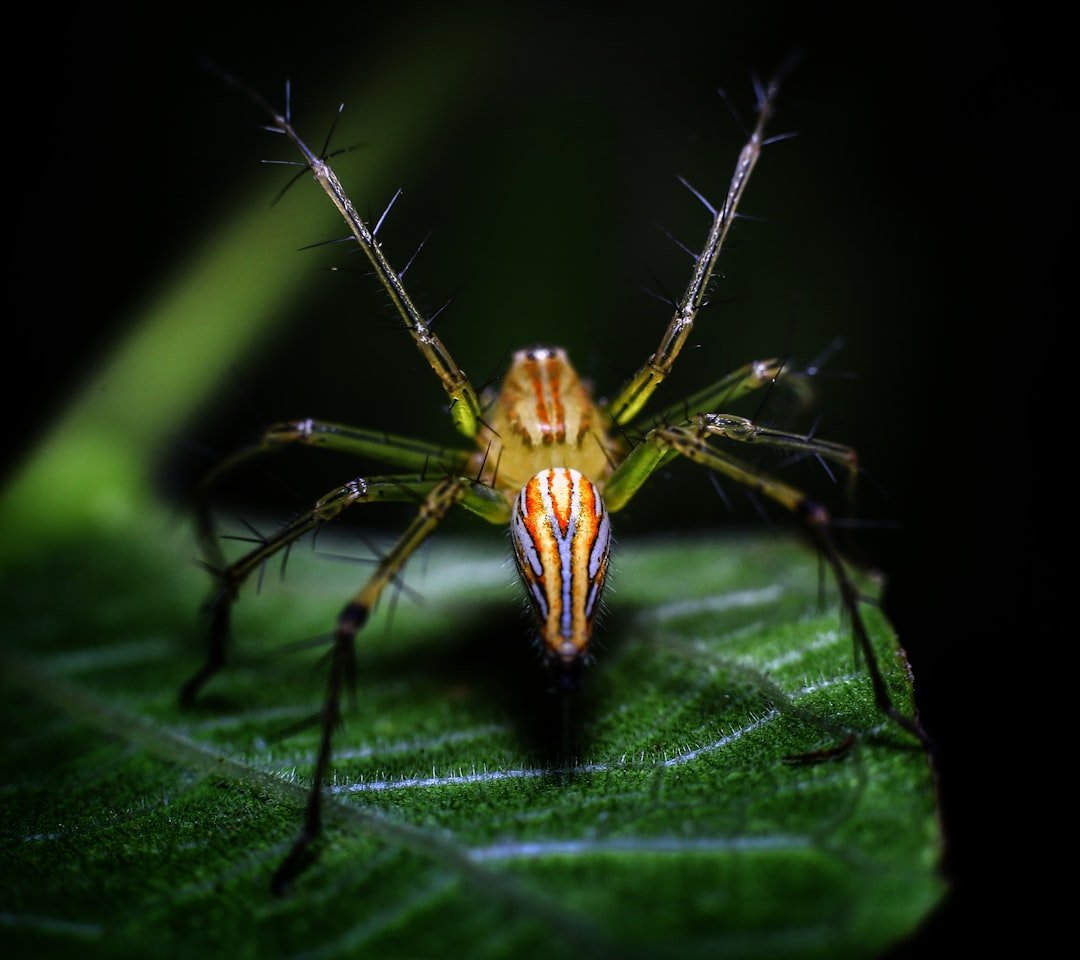

Unlocking a Hidden World of Miniature Hunters (image credits: Unsplash)
In the dappled light filtering through the leaves of riparian forests along Uruguay’s rivers, scientists have uncovered tiny arachnids that have evaded notice until now.
Unlocking a Hidden World of Miniature Hunters
Imagine stumbling upon creatures so small they could hide on the tip of your finger, yet fierce enough to weave intricate webs in the underbrush. That’s the thrill of the latest find in the spider world: three brand-new species from the genus Spanioplanus, part of the Linyphiidae family known for their sheet-like webs. These little sheetweb weavers were hiding in plain sight, waiting for sharp-eyed researchers to spotlight them.
Previously, this genus was thought to have just one species, but these discoveries bump that up significantly. It’s like finding extra rooms in a house you thought you knew well—suddenly, the landscape of South American biodiversity feels a bit richer and more mysterious.
Meet Spanioplanus Juru: The Riverside Dweller
Nestled in Uruguay’s riparian forests and sandy scrublands, Spanioplanus juru makes its home where water meets earth. Both males and females of this species have been documented, showing off unique traits in their bodies and reproductive structures that set them apart from their relatives. These spiders thrive in moist, vegetated spots, darting across their webs to snag unsuspecting insects.
What stands out is their adaptability to psammophilus habitats—think sandy, open areas dotted with tough plants. Researchers captured photos and drawings of their key features, helping to pin down exactly what makes this species tick.
Spanioplanus Holmbergi: Argentina’s Hilly Hideout
Over in central-eastern Argentina, the hilly systems and riverine woods host Spanioplanus holmbergi, another fresh face in the spider lineup. Like its Uruguayan cousin, this one comes with both male and female specimens, revealing intricate details in their anatomy that scream “new species.” These spiders favor the undulating terrain, where elevation changes create microhabitats full of prey.
The discovery here expands our understanding of how these arachnids navigate varied landscapes. It’s a reminder that even in well-explored regions, nature holds surprises around every bend.
Spotlighting Spanioplanus Olejniki: The Enigmatic Female
Not to be outdone, Spanioplanus olejniki joins the party from Argentina’s riparian zones, though so far, only females have been studied in detail. Her form showcases the subtle elegance of Linyphiidae spiders, with specialized sexual characteristics that aid in identification. These ladies likely spin their webs in the humid embrace of forest edges, ambushing meals with precision.
Without male counterparts yet, there’s an air of intrigue—will future expeditions reveal more? This partial discovery fuels curiosity about the full life cycle of these elusive dwellers.
Why These Finds Matter for South American Spiders
These three species don’t just add names to a list; they reshape the map of Spanioplanus across South America. From Uruguay’s coastal plains to Argentina’s inland hills, the genus now spans a broader swath, highlighting how connected ecosystems support diverse life. Natural history notes from the researchers paint a picture of habitats under potential threat from development, urging conservation efforts.
Here’s a quick look at their habitats:
- Riparian forests: Moist areas along rivers, rich in insects.
- Psammophilus scrublands: Sandy, drought-tolerant zones in Uruguay.
- Hilly systems: Elevated terrains in Argentina with varied vegetation.
Tracking such distributions helps predict how climate shifts might affect them, keeping the web of life intact.
Behind the Scenes: How Scientists Spotted Them
Spotting these tiny spiders took patience—think hours sifting through foliage and peering into crevices. The team behind this work, including experts from Uruguay and Argentina, combined fieldwork with lab analysis to confirm the species. Illustrations and photos of their bodies, from legs to genitalia, provide the evidence needed for the scientific community.
An updated diagnosis for the genus ties it all together, clarifying what defines a Spanioplanus. It’s painstaking work, but it pays off by documenting biodiversity before it’s too late.
Key Takeaways
- Spanioplanus now boasts four known species, up from one.
- These spiders highlight the biodiversity of riparian and scrub habitats.
- Conservation is key to protecting these micro-wonders from habitat loss.
As we peel back the layers of South America’s natural tapestry, these new spiders remind us how much wonder still waits in the shadows. What hidden gems might turn up next in your backyard explorations? Share your thoughts in the comments below.


