

You walk into the living room, and there he is again. Belly up, paws twitching, completely lost in dreamland. Your dog has been napping for what feels like the entire afternoon, and a small voice in the back of your mind whispers, “Should I be worried? Is this healthy? Am I not giving him enough to do?” Sound familiar? You’re not alone. Many devoted dog parents carry an unspoken guilt around their dogs’ sleeping habits, quietly wondering if all this rest means something is wrong.
Here’s the thing, it almost certainly doesn’t. In fact, what you’re witnessing is one of the most natural, biologically important behaviors your dog can display. Sleep is not laziness. It is medicine. And once you understand why your dog naps the way they do, you might find yourself envying their cozy little routine rather than fretting over it. Let’s dive in.
Your Dog is Wired to Sleep More Than You Think
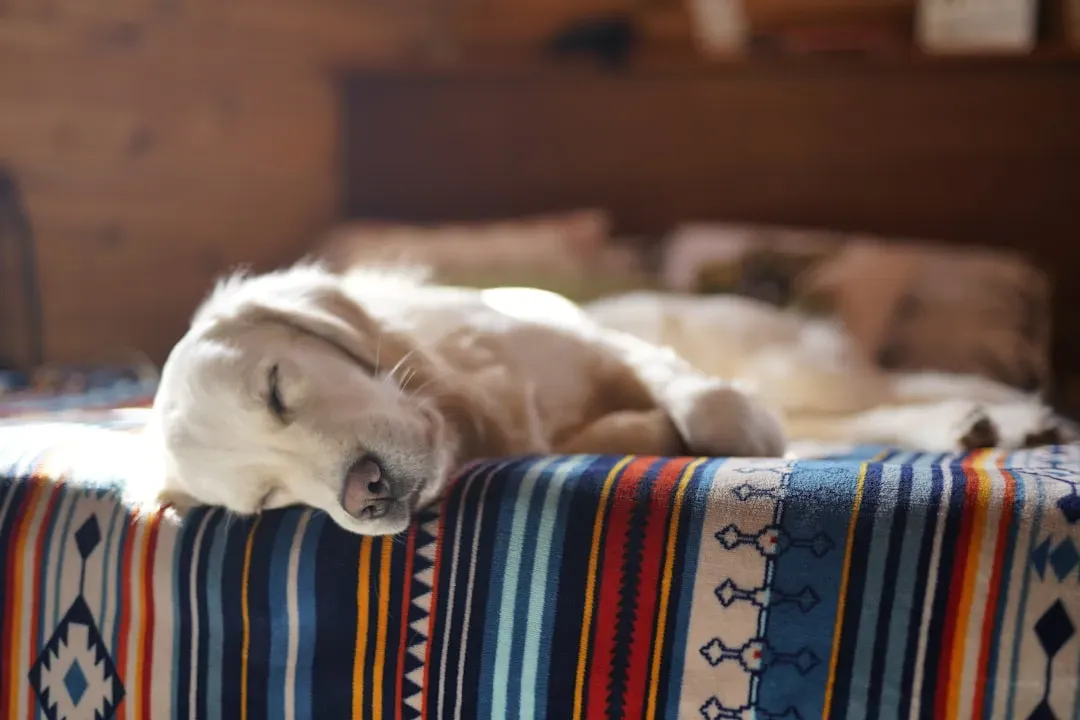
Most of us know dogs sleep a lot. But the actual numbers? Honestly, they might surprise you. Dogs sleep a lot because their bodies and brains require more rest than humans, and most dogs sleep between 12 and 16 hours a day, depending on their age, breed, and activity level. That’s like spending more than half of every single day completely asleep.
Dogs are polyphasic sleepers, meaning they don’t get all their rest in one big block. Instead, they doze off and on throughout the day. Think of it like a phone that recharges in short bursts rather than one long overnight charge. It’s a completely different operating system compared to ours.
Dogs tend to spend as much as half of their days asleep, roughly 30% awake but relaxing, and just about 20% being truly active. So if your dog seems to do a whole lot of nothing most of the time, you’re actually raising a perfectly normal dog. Take a breath.
Sleep is How Your Dog Builds a Better Brain
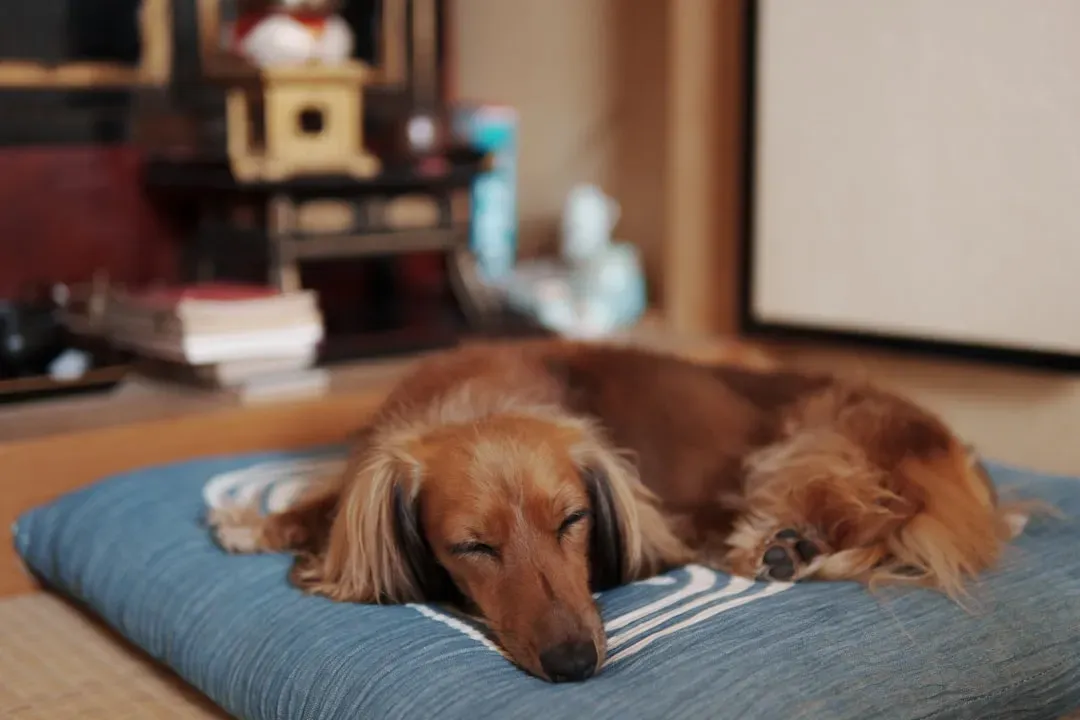
Here’s something that genuinely blew my mind when I first came across it. Sleep doesn’t just rest your dog’s body. It actively shapes their mind. Dogs “rehearse” what they’ve learned during REM sleep, helping commands and techniques become instinctive, and this ability to internalize and solidify learned behaviors is crucial, as it leads to a more reliable response to training cues. Basically, every nap after a training session is your dog’s brain doing homework.
Modern napping dogs use these rest periods for physical recovery, memory consolidation from training sessions, and emotional regulation after exciting or stressful experiences. So the next time your pup crashes after a walk or a play session, know they’re not being lazy. They’re processing everything that just happened.
Well-rested dogs engage more positively in training, show improved stress resilience, and maintain better overall health throughout their lives. That’s a pretty compelling argument for letting them sleep, wouldn’t you say?
Puppies and Seniors Need Even More Rest Than You Realize
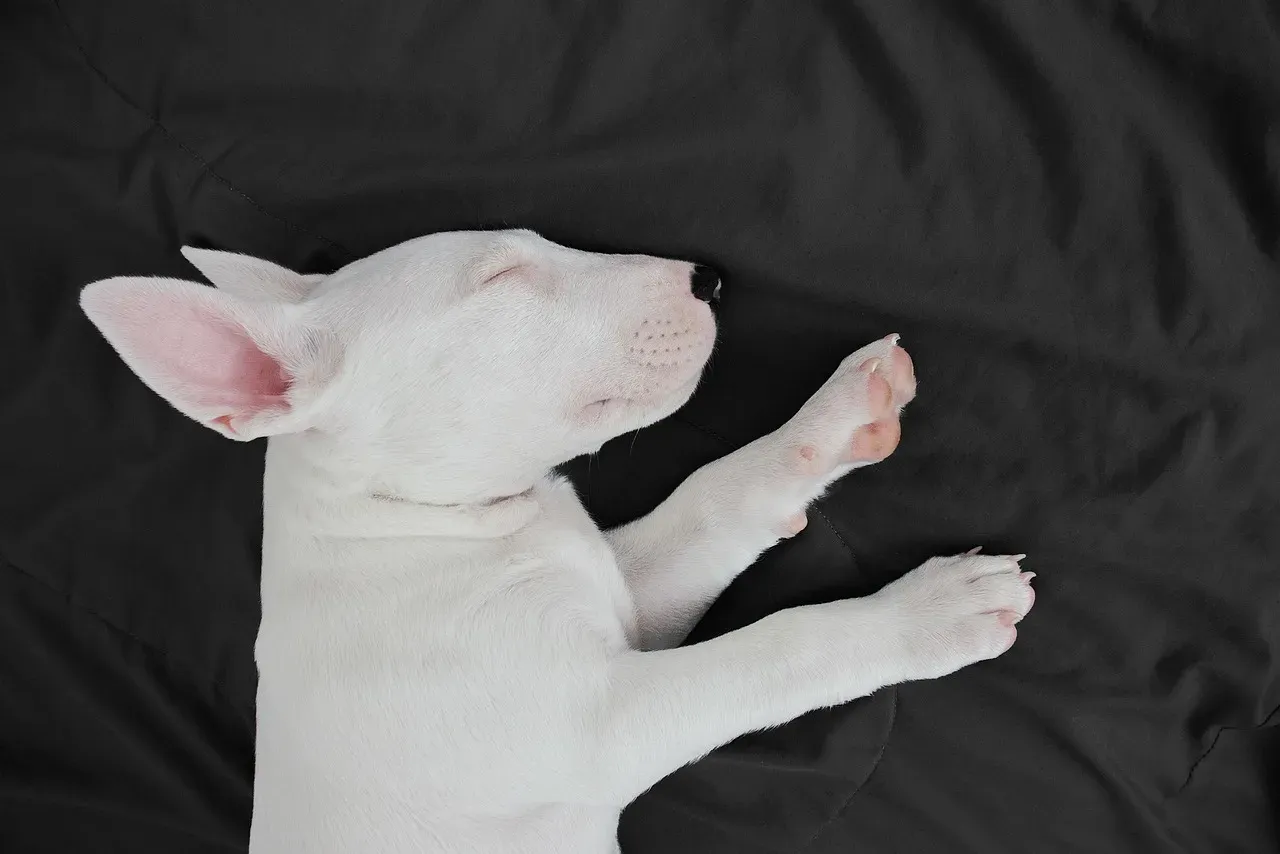
If you have a puppy or an older dog, their sleep needs are in a league of their own. Puppies need a lot of sleep, about 18 to 20 hours per day if they are under six months old. That’s almost the entire day. And there’s a very good biological reason for it. The AKC notes that puppies need 15 to 20 hours of sleep a day to help their central nervous system, immune system, and muscles develop properly.
On the other end of the spectrum, senior dogs are in a similar boat. Senior dogs sleep between 18 to 20 hours per day, much like they did as a puppy, and if you see your older pooch napping for most of the day, it’s probably not a cause for concern, because just like older humans, older dogs often don’t have as much energy and need to catch some extra sleep to stay healthy.
The effects of too little sleep can have long-lasting consequences, and an overly tired dog will lack self-regulation and develop long-term undesirable habits. A cranky, snappy, or hyperactive dog might not need more discipline. They might just need a good nap.
Warning Signs That Sleep Might Be a Symptom, Not Just Rest
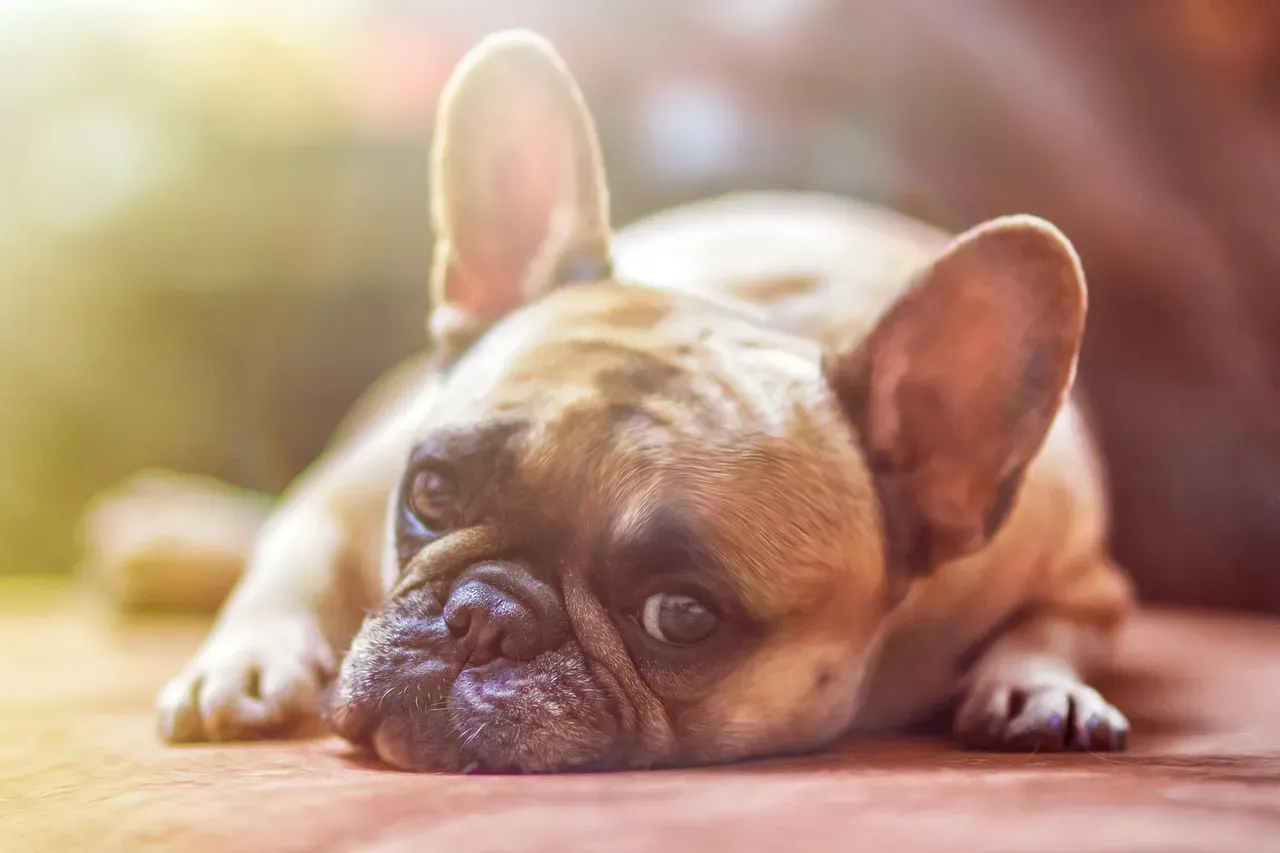
Now, let’s be real. Not all excessive sleeping is perfectly fine. Knowing the difference between healthy napping and a concerning pattern is one of the most important skills a dog parent can have. Extreme lethargy and apathy about activities your dog usually loves are signs something is wrong, and it’s not normal for a dog to sleep excessively if they suddenly become uninterested in their usual activities, refuse food, or seem sluggish when awake.
Excessive sleep can signal conditions such as canine depression, diabetes, hypothyroidism, and possible loss of hearing. The key word here is “sudden change.” A dog who has always been a dedicated napper is very different from a dog who has suddenly gone from energetic to sleeping all day. Context is everything.
Much like people, dogs fighting off illness or recovering from medical procedures require more sleep than usual. Similarly, dogs dealing with major lifestyle changes, like a move, a new family member, or the loss of a loved one, can be at risk for depression and might opt to sleep more as a coping strategy. When in doubt, always check in with your vet. Better safe than sorry.
How to Create a Nap-Friendly Environment Your Dog Will Love
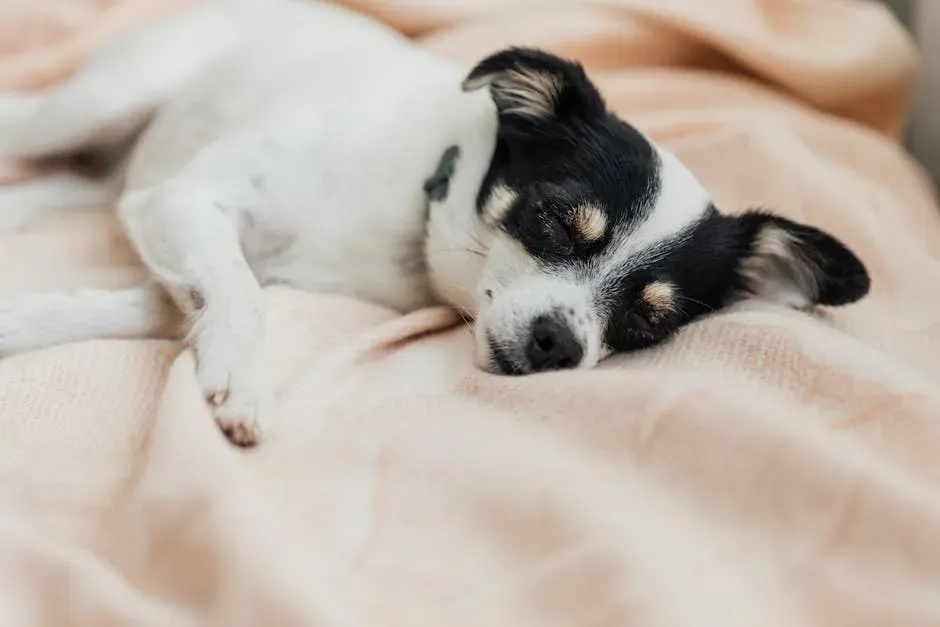
Supporting your dog’s sleep isn’t just about letting them snooze wherever they fall. The quality of their rest matters just as much as the quantity. Lighting plays a key role in a dog’s sleep environment as it influences circadian rhythms, and dogs benefit from sleeping in dark or dimly lit areas at night, as low light promotes melatonin production, the hormone that signals the body to sleep.
Dogs have an acute sense of hearing, and noises from traffic, nearby activity, or even other pets can disturb their rest. Creating a sound-insulated sleep space or using a white noise machine can help mask disruptive sounds and promote a more peaceful environment. Think of it like setting up a cozy cocoon, not a luxury hotel, just somewhere safe, quiet, and familiar.
Unfamiliar or busy places, as well as unfamiliar people, can make it harder for your dog to sleep during the day, so to help them get enough sleep, ensure they have periods without activities and access to quiet, familiar territory. A tired but overstimulated dog is not a happy dog. Scheduled quiet time is genuinely one of the best gifts you can give them.
Conclusion: Rest is Not a Reward. It’s a Right.
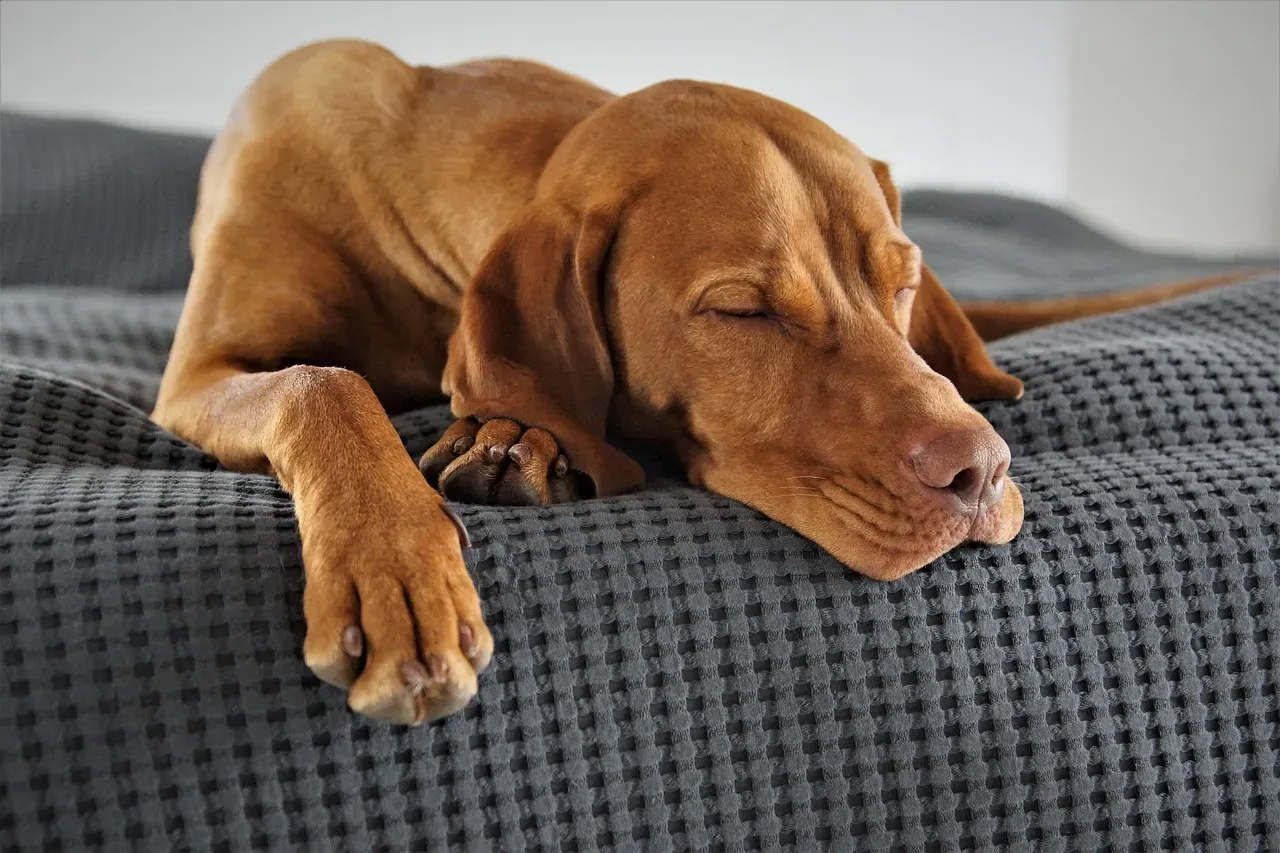
There is something quietly beautiful about watching your dog sleep. The little paw flickers, the soft sighs, the occasional dream-bark at some imaginary squirrel. Far from being a sign of a bored or unhealthy life, those naps are doing serious, important work behind the scenes. Every snooze is rebuilding muscles, cementing memories, calming emotions, and keeping their heart healthy.
Your dog does not need to be constantly busy to be living a good life. In fact, dogs who sleep more during the day are more relaxed and appear happier. That should silence the guilt for good. The next time you see your dog curled up in their favorite spot, don’t feel the urge to wake them or second-guess yourself. Instead, smile. You’re doing something right.
The best dog parents aren’t the ones who keep their dogs busy every minute of the day. They’re the ones who understand that rest, peace, and safety are just as vital as walks, play, and love. So go ahead, let them nap. What would your dog say if they could tell you what they needed most today?


