
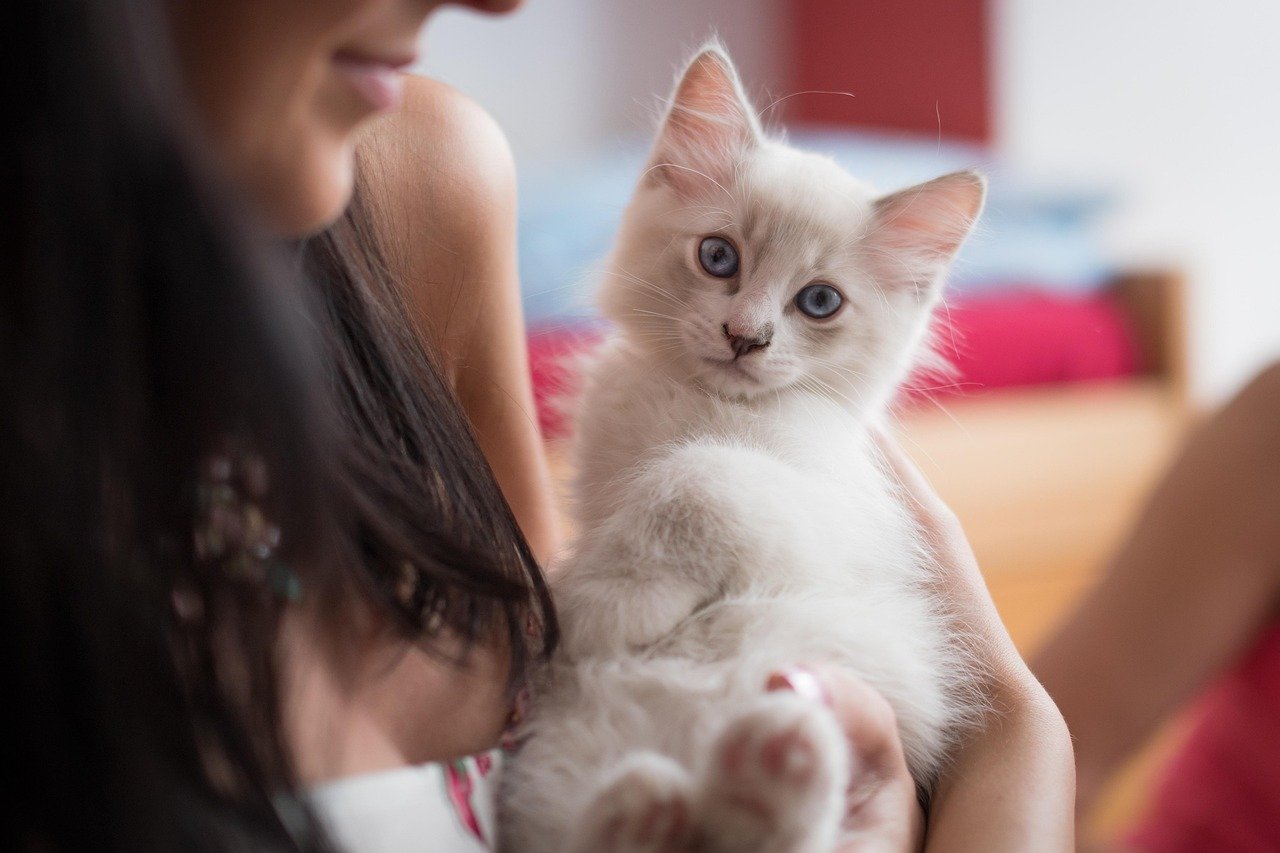
Have you ever gazed into your cat’s eyes and wondered, “Does my cat really love me, or am I just a glorified can opener?” You’re not alone. This question has sparked heated debates at dinner tables and pet forums for decades. With their mysterious purrs, aloof stares, and surprising headbutts, cats have always kept us guessing about where we truly stand in their world. But recent research dives deep into the feline heart, revealing some surprising truths. Could it be that your cat is more attached to you than you ever imagined? Let’s unravel the truth about feline bonds and what attachment theory has to say about your whiskered companion.
The Origins of Attachment Theory: What Is It?
Attachment theory, first introduced by psychologist John Bowlby in the mid-20th century, was designed to explain the deep emotional bonds between humans, especially between children and caregivers. It describes how these early relationships influence our sense of security and shape future interactions. The theory identifies different “attachment styles,” such as secure, anxious, and avoidant, which show up in how we relate to others throughout our lives.
Over the years, attachment theory has expanded beyond human relationships. Researchers began to wonder if the same emotional frameworks could apply to animals, too. Dogs were the first to be studied—and they passed with flying colors. But what about cats, the creatures often labeled as solitary and independent? Applying attachment theory to felines opened up a whole new world of understanding, suggesting that cats might not be as emotionally distant as once believed.
Cats: Aloof or Affectionate?
Many people believe cats are naturally aloof, choosing independence over companionship. They’re often portrayed as low-maintenance pets who barely notice if you come or go. But ask any cat lover, and they’ll tell you about the head bumps, soft purrs, and gentle kneading that feel like little love notes from their furry friend. These behaviors hint at something deeper than mere tolerance.
Recent studies have flipped the script on the “independent cat” stereotype. Observations show that many cats actively seek out human attention, follow their owners from room to room, and even show signs of distress when separated. These affectionate gestures challenge the notion that cats are cold-hearted. While they may not wag their tails or jump for joy like dogs, their subtle displays of affection pack just as much emotional punch.
What the Science Says: Feline Attachment Styles

In 2019, a groundbreaking study explored whether cats could form attachment styles similar to those seen in humans and dogs. Researchers placed kittens and their owners in a room, separated them briefly, then reunited them. The kittens’ reactions revealed a variety of attachment patterns, from secure to insecure—closely mirroring those found in children and puppies.
About 65% of the kittens displayed secure attachment, greeting their people warmly and quickly settling down after a brief absence. Others showed anxious behaviors, like clinging or avoiding their owners altogether. This experiment was a game-changer, confirming that cats do, indeed, form unique emotional bonds with their humans, and that these bonds are measurable and meaningful.
Signs Your Cat Is Bonded to You
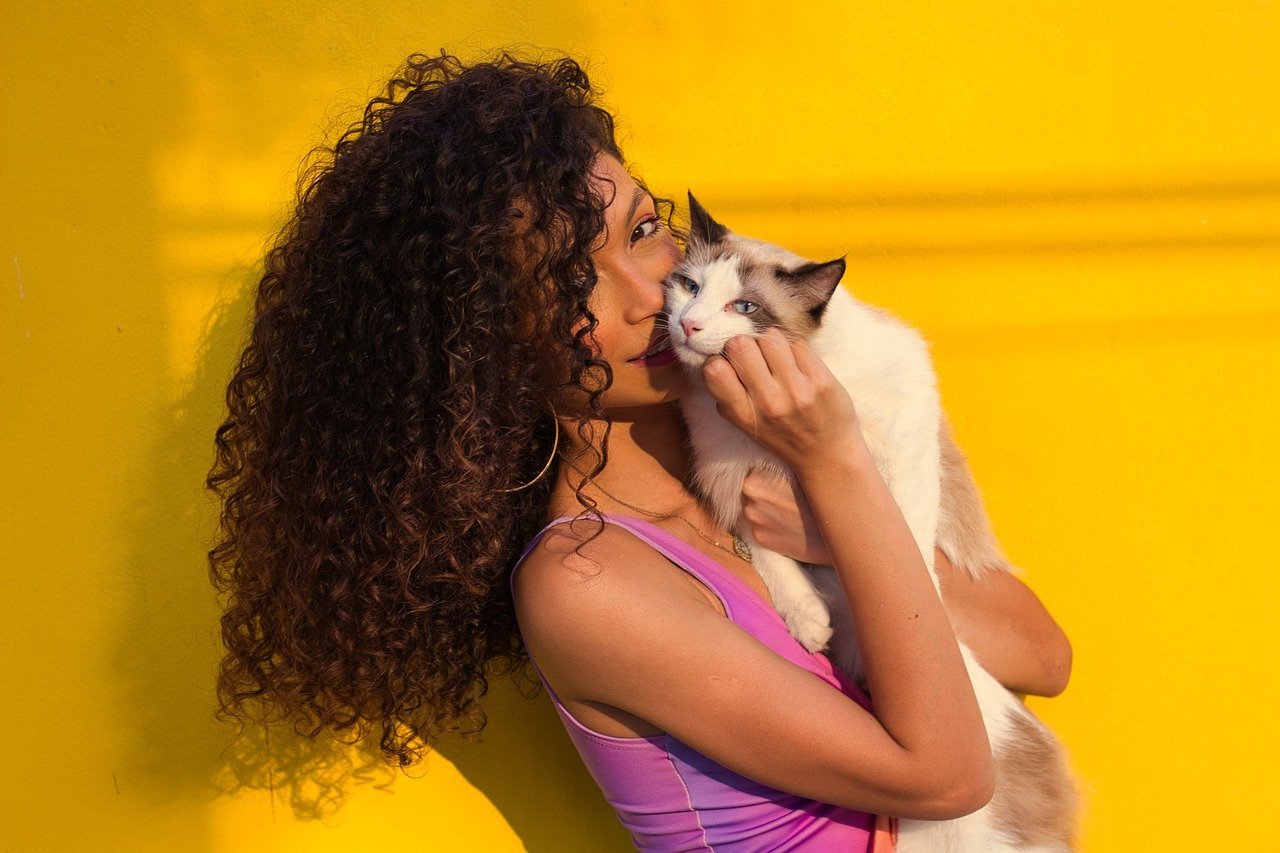
How can you tell if your cat truly loves you? There are several endearing signs to watch for. If your cat follows you around the house, brings you “gifts” (even if it’s a sock or a leaf), or curls up on your lap, you’re witnessing classic signs of feline attachment. Some cats will greet you at the door, chirping or meowing as if to say, “I missed you!”
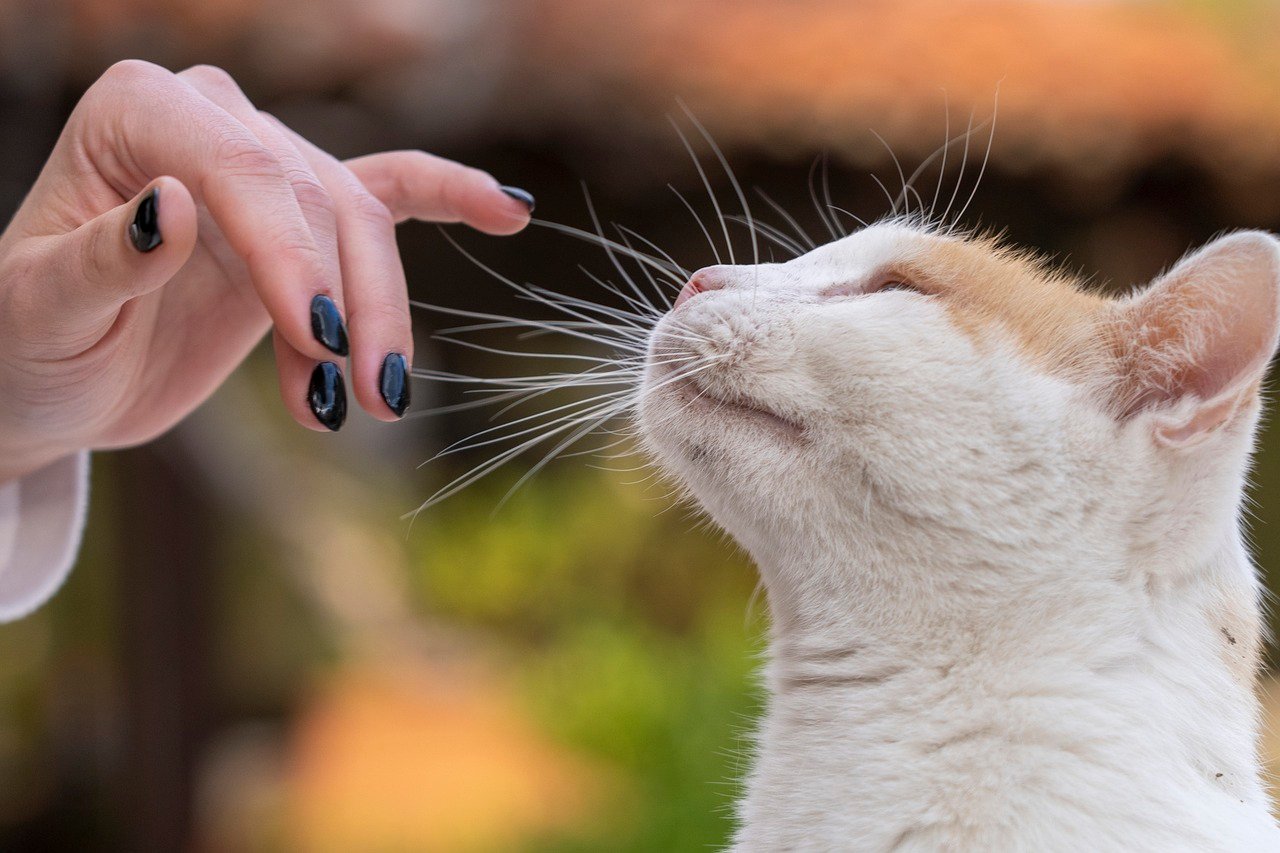
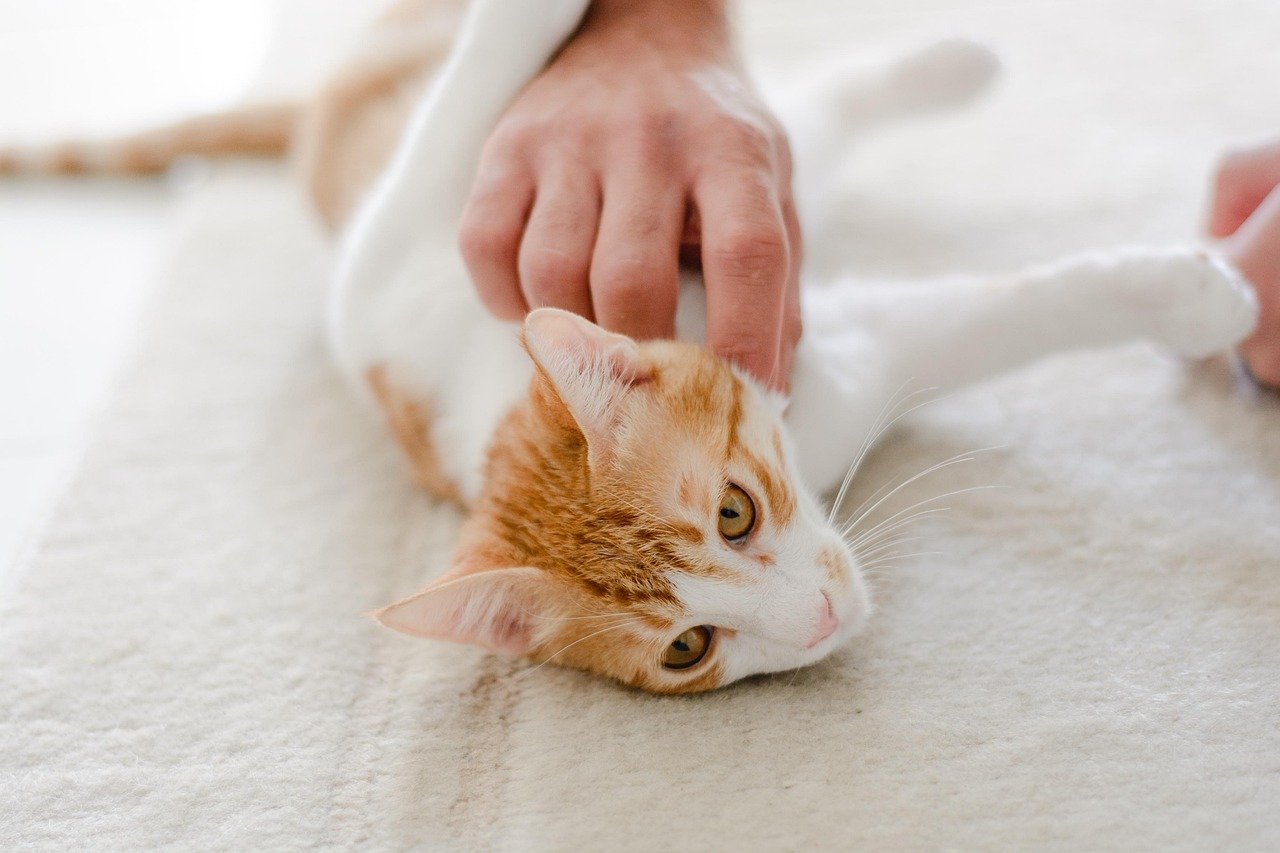
Other subtle signals include slow blinking—which many experts call a “kitty kiss”—and gentle headbutts. If your cat kneads you with their paws or exposes their belly (the ultimate sign of trust), these are strong indicators of a deep emotional bond. Like a secret handshake, these gestures are your cat’s way of saying, “You’re part of my inner circle.”
Differences Between Cat and Dog Attachment

While both cats and dogs are capable of forming deep attachments, the way they express their love can be worlds apart. Dogs wear their hearts on their sleeves (or, rather, their wagging tails). They often seek constant approval and attention, and their loyalty is unmistakable. Cats, on the other hand, are masters of subtlety. Their affection can feel a bit like decoding a secret language.
Cats may not always seek out cuddles at every opportunity, but that doesn’t mean they care any less. Instead, they may choose to show their love on their own terms, often when you least expect it. This difference doesn’t make their attachment any less real—it just means you have to be a bit more attentive to the quiet moments and gentle gestures.
Separation Anxiety: Do Cats Miss Their Humans?

It’s a common myth that cats don’t care when their humans leave. In reality, many cats experience separation anxiety, displaying signs of distress like excessive meowing, destructive behavior, or even refusing to eat when left alone. These behaviors aren’t acts of rebellion—they’re cries for comfort and connection.
Some cats become extra clingy before you leave, while others act out after you’re gone. If you’ve ever come home to find your cat glued to your side, shadowing your every move, it could be their way of saying, “Please don’t leave me again.” These moments of anxiety reveal just how much your presence matters to your feline friend.
How Early Socialization Shapes Attachment

The way a cat bonds with humans often starts in kittenhood. Kittens who are handled gently and exposed to positive human interaction during their first few weeks of life tend to form stronger and more secure attachments. Early socialization helps kittens learn that humans are safe, comforting, and reliable.
Conversely, kittens who miss out on this early bonding window may grow up more wary or distant. This doesn’t mean older cats can’t form attachments—it just might take a little more patience and trust-building. Like planting a seed, early positive experiences set the stage for a blossoming human-feline friendship.
Do Adult Cats Form New Attachments?
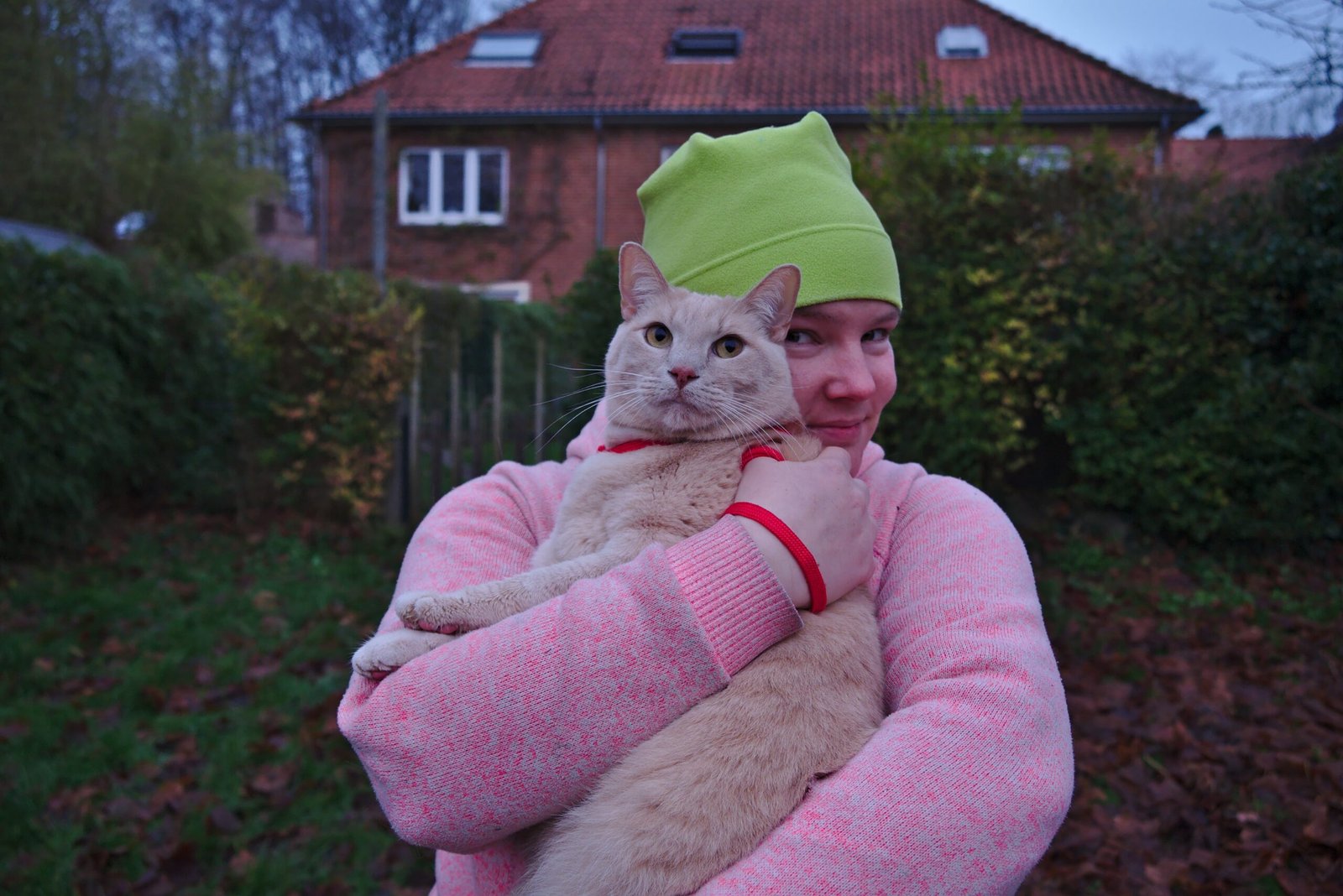
Many people wonder if adult cats, especially those adopted later in life, can form new emotional bonds. The answer is a resounding yes. While kittens may be more naturally open to socialization, adult cats are still capable of developing deep attachments, given time and patience.
Building trust with an adult cat might feel like earning the friendship of a wise old neighbor who’s seen it all. It can take days, weeks, or even months for a new cat to fully open up to you. Small gestures like sitting quietly near your cat, talking softly, and respecting their boundaries go a long way in forming a meaningful connection.
Attachment Beyond Food: More Than Just a Meal Ticket

It’s easy to joke that cats only love us because we feed them. But studies suggest the human-cat bond goes far deeper than just food. Many cats seek out their humans for comfort, play, and companionship—even when their food bowls are full. They might curl up with you simply because your presence feels safe.
Cats who have a secure attachment to their humans are more likely to explore new environments, play confidently, and handle stress better. It’s as if your presence gives your cat the courage to be their true, quirky selves. The relationship isn’t just transactional—it’s emotional and mutually rewarding.
Personality Matters: Every Cat Bonds Differently

Just as people have unique personalities, so do cats. Some felines are natural snugglers, while others prefer to keep a bit of distance. A cat’s individual temperament, past experiences, and even genetics all play a role in how they bond with humans. One cat might be a lap lover, while another shows affection by sitting quietly in the same room.
Recognizing and respecting your cat’s personality is key to building a strong bond. Forcing affection rarely works—let your cat set the pace. Over time, even the most reserved cats often find their own special way to show you that you matter in their world.
Attachment in Multi-Cat Households
What happens when you have more than one cat? Do they bond with each other instead of you? Not necessarily. While cats can form strong attachments to other felines, many are perfectly capable of bonding with their humans at the same time. You might notice one cat following you from room to room, while another prefers the company of their feline sibling.
In multi-cat homes, it’s important to spend individual time with each cat. This helps foster unique bonds and ensures every cat feels valued. Watching your cats interact with you and each other can be both heartwarming and hilarious—a real-life soap opera, complete with cuddles and the occasional dramatic stare-down.
Building a Strong Bond With Your Cat

Forming a close attachment with your cat isn’t about grand gestures; it’s about daily moments of connection. Simple routines like gentle petting, interactive play, and quiet companionship can strengthen your bond. Pay attention to your cat’s cues and respect their boundaries—trust builds over time.
Try creating positive associations by offering treats, engaging in play sessions, or even just sitting near your cat while you read or watch TV. Over time, these small acts add up to a relationship built on trust and affection. The reward? A loyal companion who chooses to share their life—and their quiet moments—with you.
How Cats Help Us, Too: The Human Side of Attachment

The bond between cats and humans isn’t a one-way street. Research shows that having a cat can reduce stress, lower blood pressure, and even help combat feelings of loneliness. Their soft purrs and gentle presence can be incredibly soothing during tough times.
For many people, a cat’s affection is a lifeline—a reminder that love can be quiet, patient, and steadfast. Whether your cat greets you at the door or simply sits nearby as you unwind, these moments of shared companionship have a powerful impact on our well-being. As one cat owner put it, “My cat may not say much, but she always knows when I need a friend.”
While cats may express affection differently than dogs, attachment theory—and growing research—suggests they do form genuine emotional bonds with their humans. From following you around the house to seeking comfort in your presence, many cats show clear signs of secure attachment. These connections may be more subtle, but they are no less meaningful. Understanding feline behavior through the lens of attachment theory helps us appreciate the depth of their loyalty and affection. So yes, cats do bond with us—in their own quiet, complex, and deeply personal way.


