
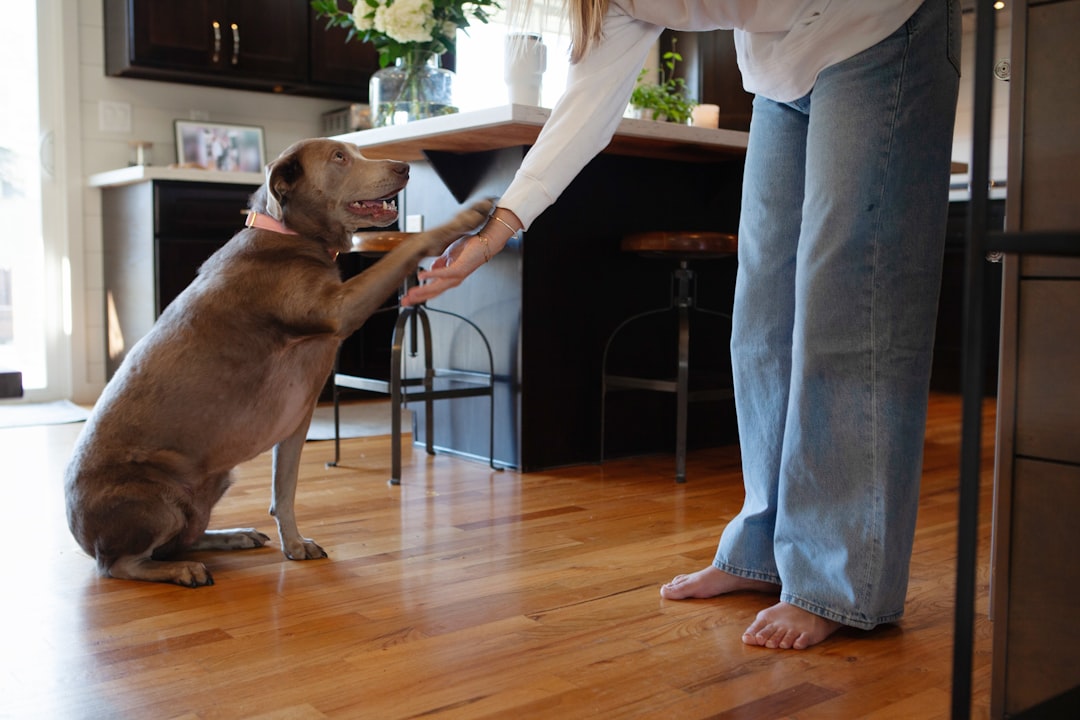
Have you ever come home to those sad puppy eyes and wondered if your dog feels hurt or holds a grudge for being left alone? Luckily, dogs are incredibly forgiving and live in the moment. While they might feel lonely or anxious when you’re away, they usually greet you with excitement and affection once you’re back. That said, leaving them alone too often can lead to stress or behavioral issues. Providing interactive toys, calming sounds, or a pet sitter can help. With a little care and consistency, your furry friend will continue to trust and love you just the same.
The Heartache Behind Those Puppy Eyes

Leaving your dog alone can tug at your heartstrings, especially when they look at you with those soulful, questioning eyes. Many dog owners are haunted by guilt as they close the door behind them, wondering if their furry companion feels abandoned or angry. It’s a universal struggle for pet lovers who want the best for their four-legged friends. The emotional bond between humans and dogs runs deep, and the thought of betraying that trust, even unintentionally, can be overwhelming. But what really goes on in your dog’s mind when you’re away? Do they harbor resentment, or is forgiveness just in their nature? Understanding this dynamic is not just comforting; it might change the way you view your relationship with your dog.
Understanding a Dog’s Emotional World
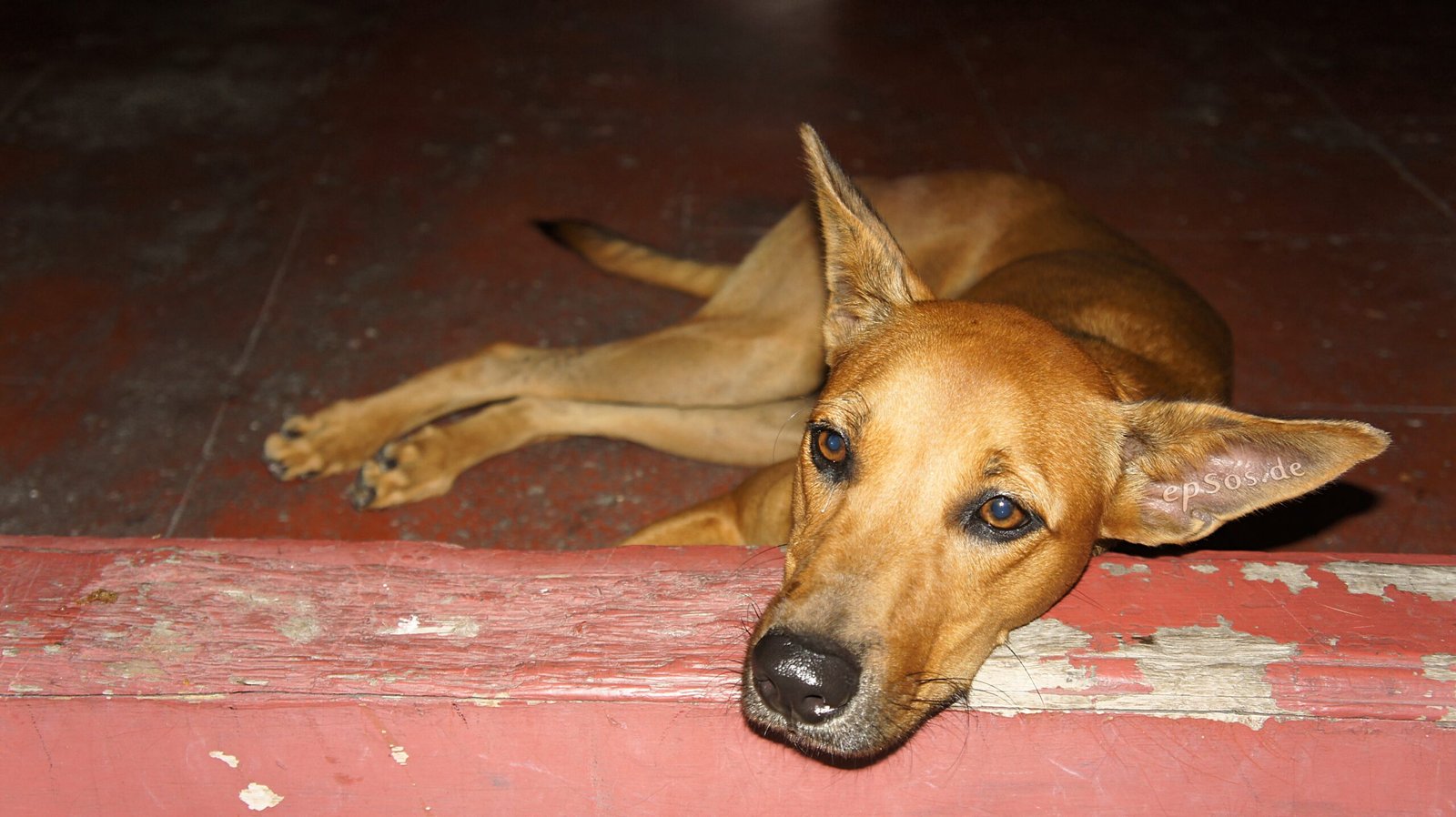
Dogs experience a range of emotions that are surprisingly similar to those of humans, but they process them differently. While dogs can feel joy, fear, and even sadness, they don’t tend to dwell on negative emotions in the same way people do. Your dog might feel anxious or lonely when you leave, yet they don’t hold grudges or plot revenge. Instead, most evidence suggests dogs live in the moment, focusing on the here and now. This means that even if you’ve left them alone for a while, your return is often greeted with unbridled enthusiasm rather than resentment. Their capacity for forgiveness is linked to their instinctual need for social connection and their ability to quickly move past discomfort in favor of positive interactions.
What Science Says About Dog Memory
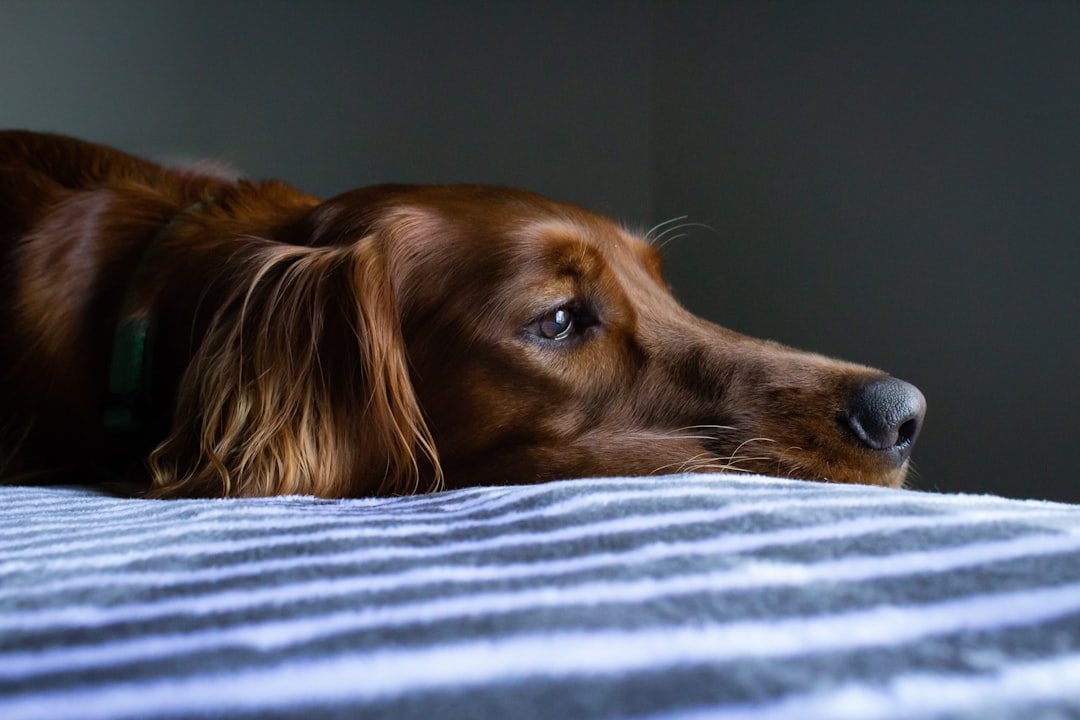
Scientific studies have shown that dogs have associative memory rather than episodic memory. This means they remember routines, people, and places based on positive or negative experiences but don’t recall events the way humans do. If you leave your dog alone, they might associate your leaving with feelings of boredom or anxiety. However, once you return and provide affection, treats, or playtime, those positive associations quickly take over. This is why dogs often seem to forgive and forget so easily. Their brain is wired to focus on what’s happening now, not to hold onto past slights or absences. This unique memory system is a gift, allowing dogs to remain loving and loyal companions, even after periods of loneliness.
The Signs Your Dog Missed You
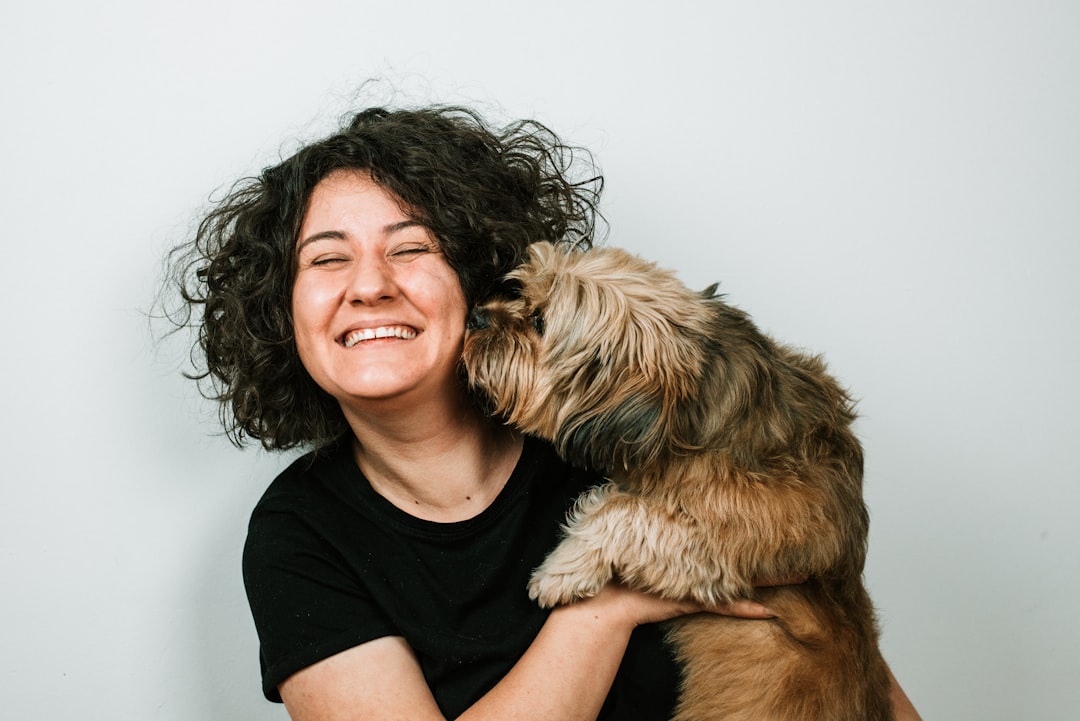
Have you ever noticed how your dog greets you when you come home after a long day? Some dogs jump, wag their tails wildly, or even whimper with excitement. Others may bring you their favorite toy or nuzzle into your lap. These are clear signs that your dog missed you, but they’re not indications of anger or resentment. Instead, these behaviors show relief and joy at your return. Even dogs who act a little aloof at first are often just expressing their own unique personalities or processing the excitement in their own way. Their actions are a heartfelt reminder that your presence matters deeply to them, and the bond you share is as strong as ever.
Separation Anxiety: More Than Just Missing You
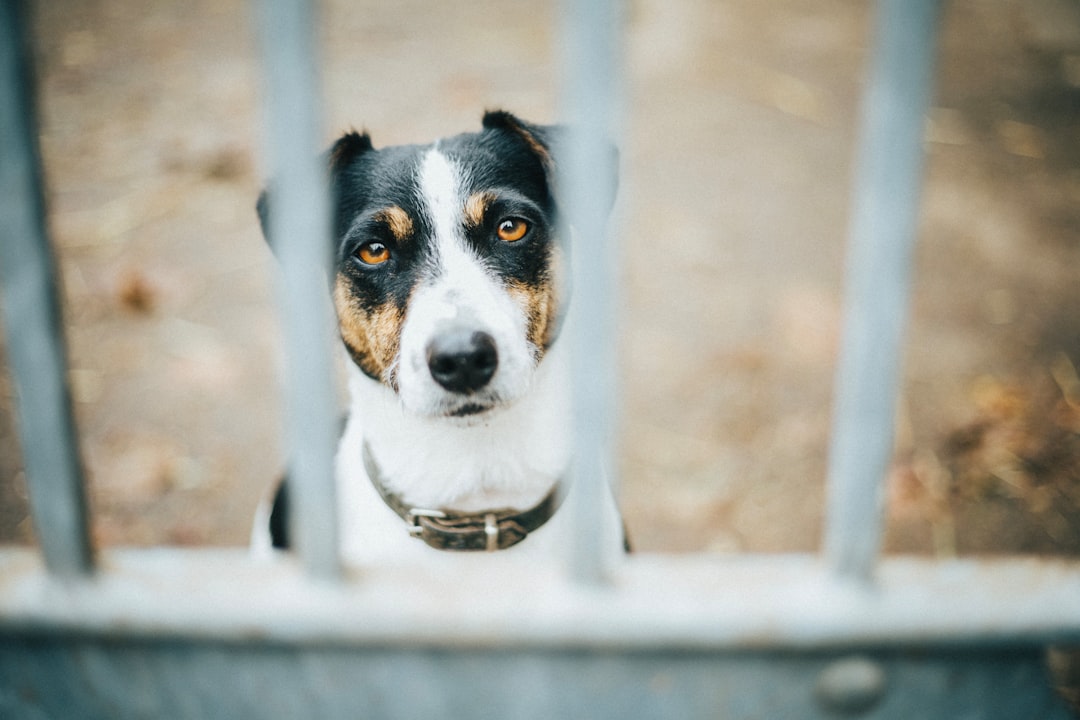
While most dogs forgive easily, some struggle with separation anxiety, which can make alone time especially challenging. Dogs with this condition may bark excessively, chew furniture, or have accidents indoors when left alone. These behaviors aren’t acts of revenge but signs of distress and insecurity. If your dog exhibits these symptoms, it doesn’t mean they’re angry with you or unable to forgive; it means they need extra reassurance and training to feel safe when you’re gone. Addressing separation anxiety often involves gradual desensitization, providing comforting toys, and creating a calm environment. With patience and understanding, even the most anxious dogs can learn to cope with alone time and greet you with love rather than anxiety.
How Dogs Express Forgiveness
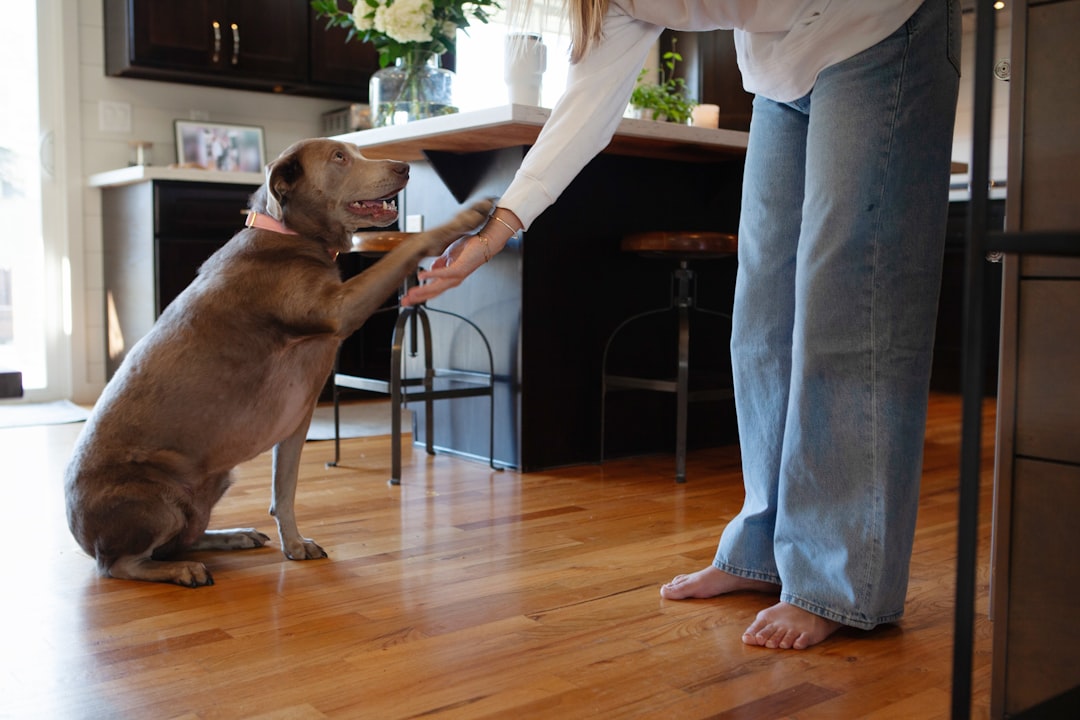
Dogs don’t hold grudges in the way humans do, and their capacity for forgiveness is almost instantaneous. When you return home, most dogs will come running, their tails wagging, eager for affection. This immediate display of happiness and excitement is a powerful form of forgiveness. Dogs are experts in letting go of the past and embracing the joy of reuniting with their favorite person. Simple gestures like a gentle pat, a soothing voice, or a few minutes of playtime can erase hours of loneliness. Their forgiving nature is a testament to the unconditional love that defines the human-dog bond.
Building Trust After Time Apart
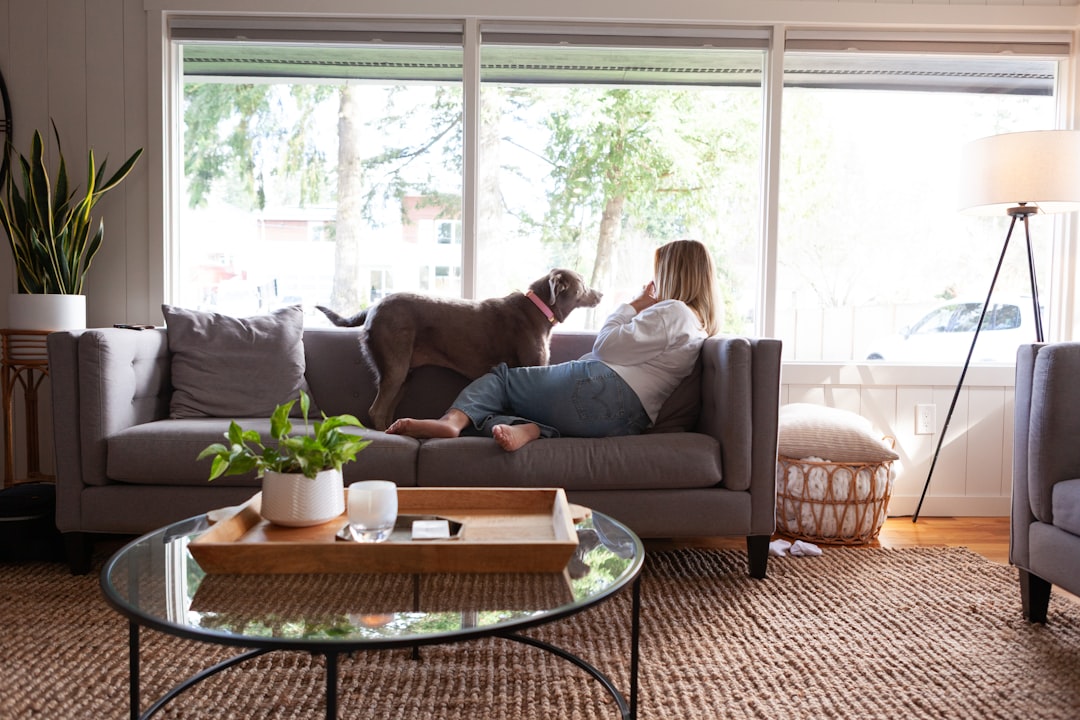
Trust is the foundation of every strong relationship, including the one you share with your dog. If you need to leave your dog alone regularly, consistency and routine can help build that trust. Dogs thrive on predictability, so establishing a routine for departures and arrivals can ease their anxiety. Simple rituals, like saying a cheerful goodbye or offering a special treat, let your dog know you’ll always come back. Over time, these actions reinforce your reliability and deepen your dog’s sense of security, making forgiveness come even more naturally.
Ways to Make Alone Time Easier for Your Dog
There are plenty of strategies to help your dog feel more comfortable when they’re alone. Providing toys or puzzle feeders can keep their minds engaged and distract them from your absence. Leaving a piece of clothing with your scent can also offer comfort and reassurance. Background noise, such as a radio or television, can make your home feel less empty. If possible, consider arranging for a dog walker or a trusted friend to visit during the day. These small gestures show your dog that even when you’re not there, you still care deeply about their well-being.
Do Dogs Hold Grudges?

Unlike humans, dogs don’t dwell on past wrongs or hold grudges. If they seem upset when you return home, it’s usually because they were anxious or bored, not because they’re angry at you. Once you’re back, most dogs are eager to reconnect and quickly forget any discomfort they felt. Their emotional resilience allows them to bounce back from negative experiences with remarkable speed. This trait is one of the many reasons dogs are such beloved companions—they’re always ready to move forward and embrace the next happy moment with you.
The Power of Unconditional Love
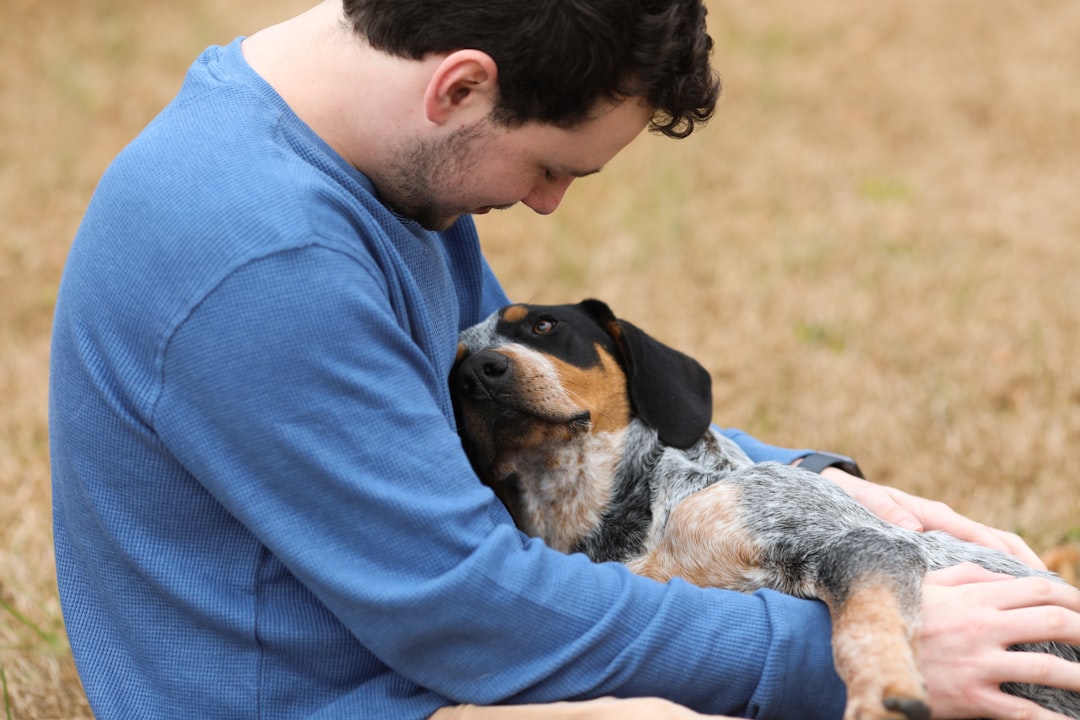
At the heart of every dog’s forgiving nature is their capacity for unconditional love. Dogs don’t judge or keep score; they simply want to be close to the people they care about. Their love is pure, uncomplicated, and unwavering, regardless of how much time you spend apart. This remarkable quality is what makes the bond between dogs and humans so special. Dogs remind us daily that forgiveness is possible, and that true connection is built on trust, patience, and lots of tail wags.
At the end of the day, dogs are some of the most loyal and forgiving companions around. Even if you leave them for a few hours—or longer—they usually don’t hold it against you. What matters most is how you make them feel when you’re together. A little extra attention, playtime, or a cuddle session can go a long way in reassuring them they’re still your top priority. Just be present, and your dog’s tail will keep wagging with love and trust.


