
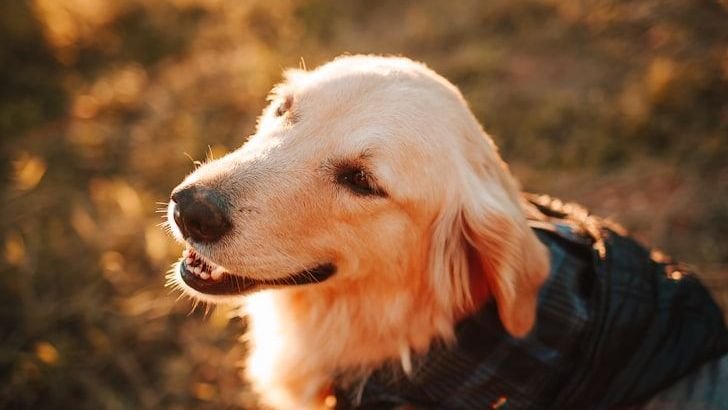
Picture your furry friend shivering at the first gust of cold wind, ears tucked back, little paws lifted off the frozen pavement. It’s that moment when every dog owner wonders: is my pup actually cold, or am I just being overly protective? The truth is, deciding whether your dog needs a winter coat isn’t just about aesthetics or treating them like a human baby. It’s about understanding your individual dog’s unique needs, reading their body language, and making informed decisions that could literally be the difference between comfort and serious health risks.
While some dogs practically dance in the snow with pure joy, others might be silently struggling with temperatures that make them uncomfortable or even dangerously cold. The answer isn’t as simple as “all ” or “dogs are naturally equipped for winter.” Every dog is different, and getting this decision right means understanding the fascinating interplay between breed characteristics, individual health factors, and environmental conditions that determine when a coat becomes essential rather than optional.
Why Some Dogs Actually Do Need Winter Protection
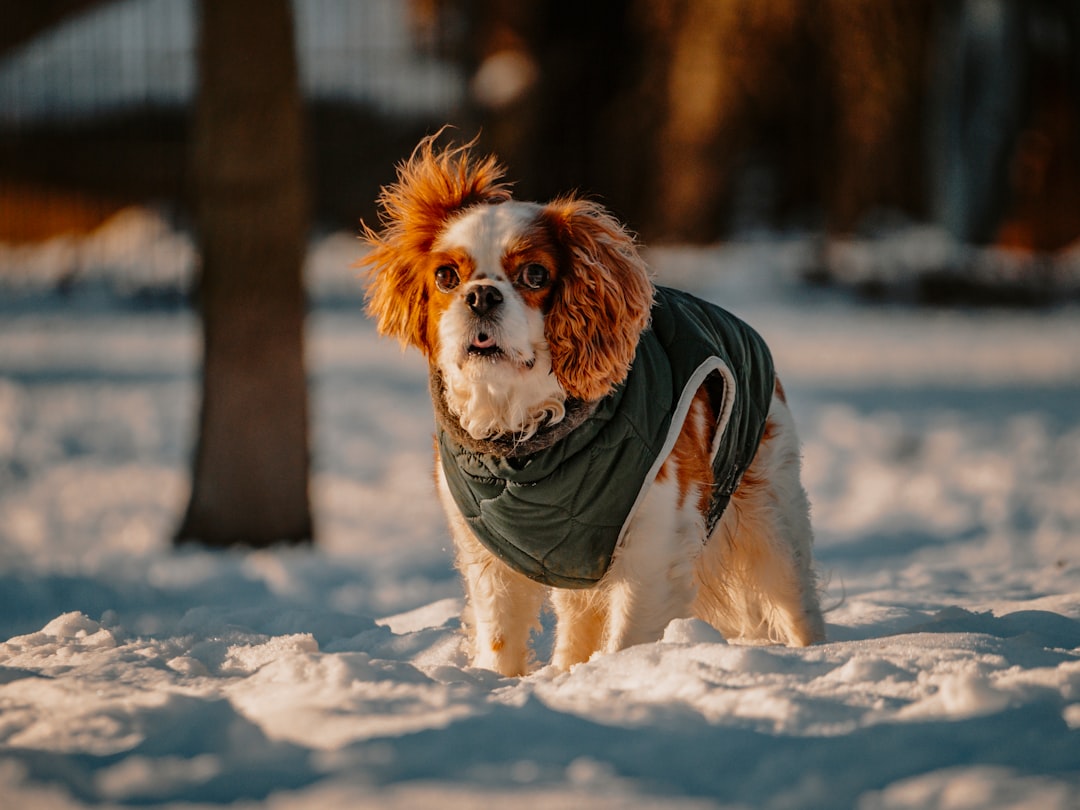
Small or thin-furred breeds, puppies, and senior dogs will generally need a winter coat when the temperature outside feels at or below 32°F (0°C). This isn’t about pampering your pet – it’s about basic physiological needs. Naturally lean dogs, particularly those who are both naturally lean and have a short coat, can quickly become cold and need extra protection from winter weather. These include breeds like Greyhounds, Whippets, and Azawakhs.
Think about it this way: if you stripped away layers of clothing and had to stand outside in freezing weather with just a thin t-shirt, you’d be miserable pretty quickly. That’s essentially what’s happening to short-haired dogs when temperatures drop. Smaller, shorthaired breeds, like Boston Terriers or Chihuahuas, are more likely to shiver and shake at the first sign of a chill. Their bodies simply don’t have the natural insulation needed to maintain comfortable body temperatures in cold conditions.
The Temperature Thresholds That Actually Matter
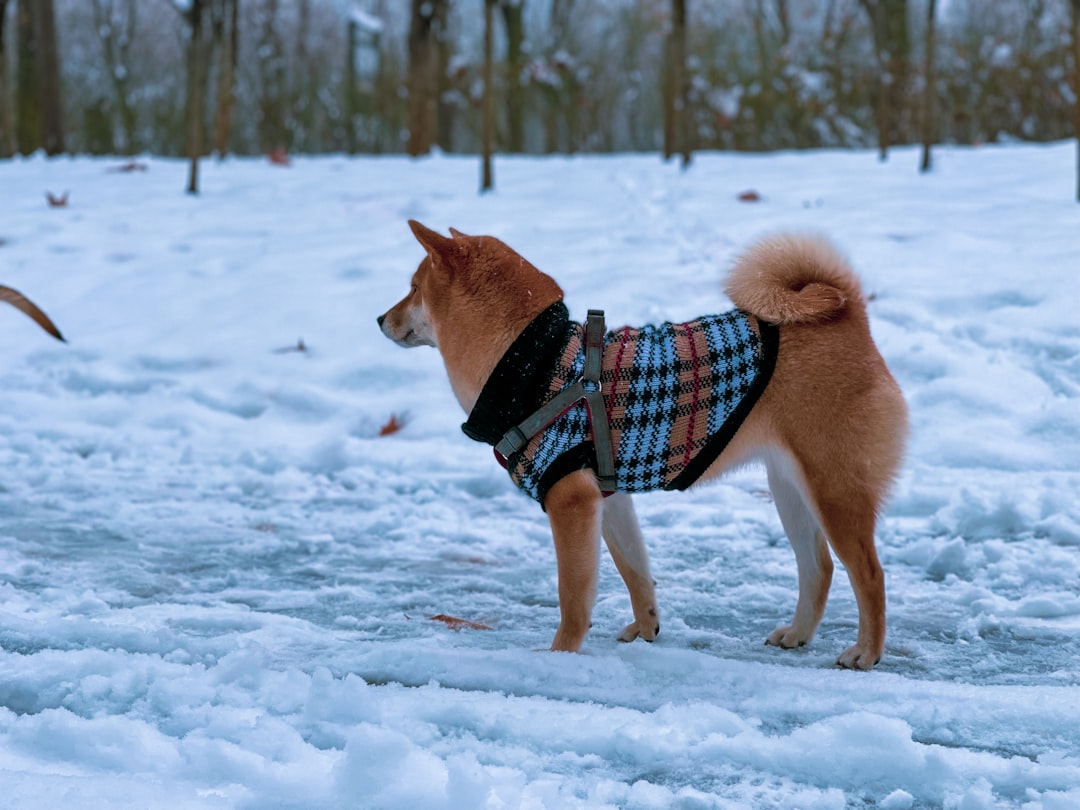
Forget guessing games – there are specific temperature guidelines that can help you make informed decisions. If the temperature is around 45°F (7°C) or lower, small and short-haired dogs may benefit from a coat. At 32°F (0°C) or less, most dogs that aren’t naturally cold-adapted should wear protective clothing. When the temperature drops to 5°C or below, dogs that aren’t properly protected from the cold are at risk of developing hypothermia or frostbite.
Once the temperature drops below 20°F (-6.6°C), keep a close eye on your dog, regardless of breed, for signs that they are uncomfortably cold. Below 15°F: Just stay home! Only let your dogs out for a quick potty break. These aren’t arbitrary numbers – they’re based on when dogs start experiencing genuine physiological stress from cold exposure.
Which Dog Breeds Are Built for Winter Weather
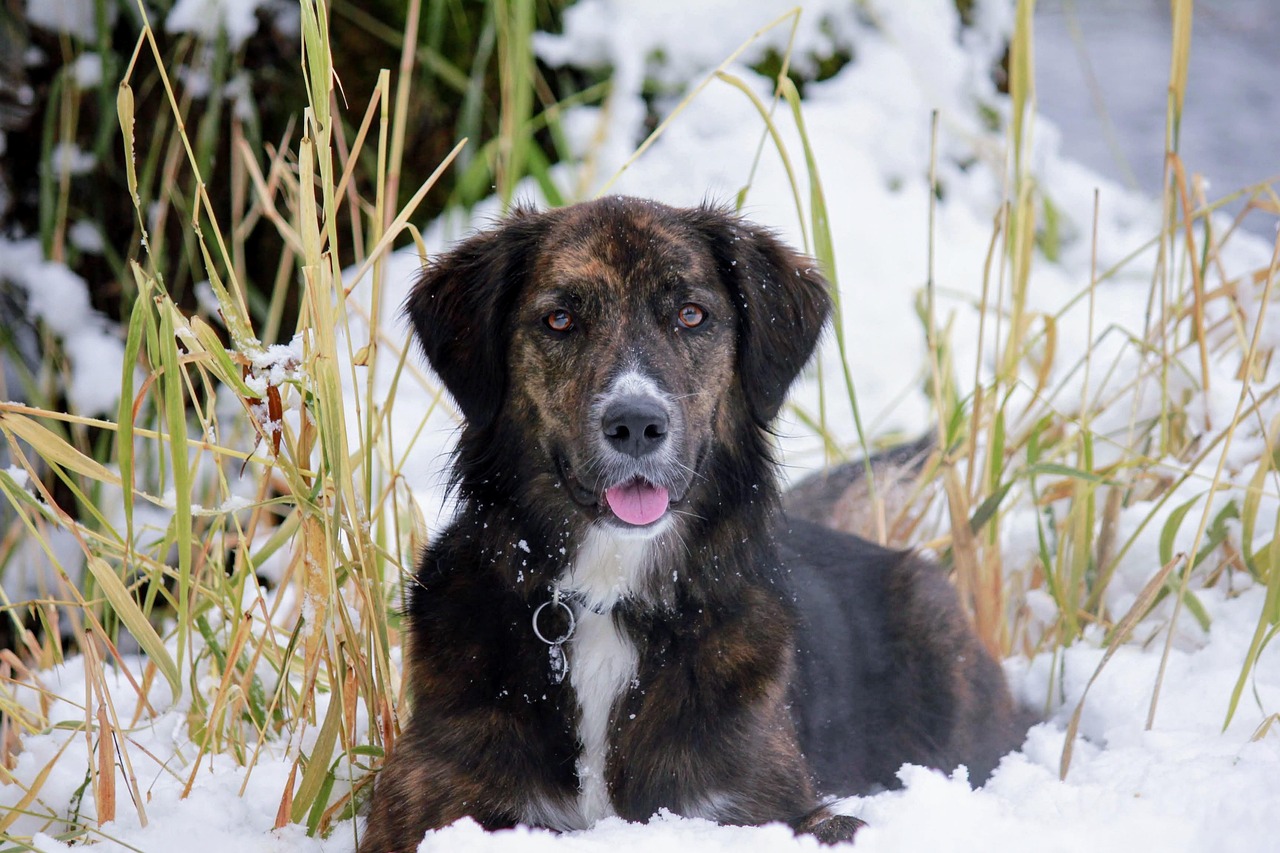
Generally, large breed dogs with thick coats will be protected from the cold. Some breeds like Alaskan Malamutes, Newfoundlands, Bernese Mountain Dogs, Saint Bernards, and Siberian Huskies were specifically bred with thick fur designed to insulate and protect them from snow or cold weather. These dogs are essentially wearing their own built-in winter jackets.
Larger breeds with thicker coats and protective undercoats, such as Akitas and Huskies, are naturally better equipped to handle low temperatures. However, even these cold-weather champions have their limits. Longer-haired and thick-coated dog breeds, such as huskies and other dogs bred for colder climates, are more tolerant of cold weather; but no pet should be left outside for long periods in below-freezing weather. Northern breeds. Huskies, Malamutes, Samoyeds, Akitas, etc., can typically handle subzero temperatures without any additional clothing or protective gear.
Warning Signs Your Dog Is Getting Too Cold
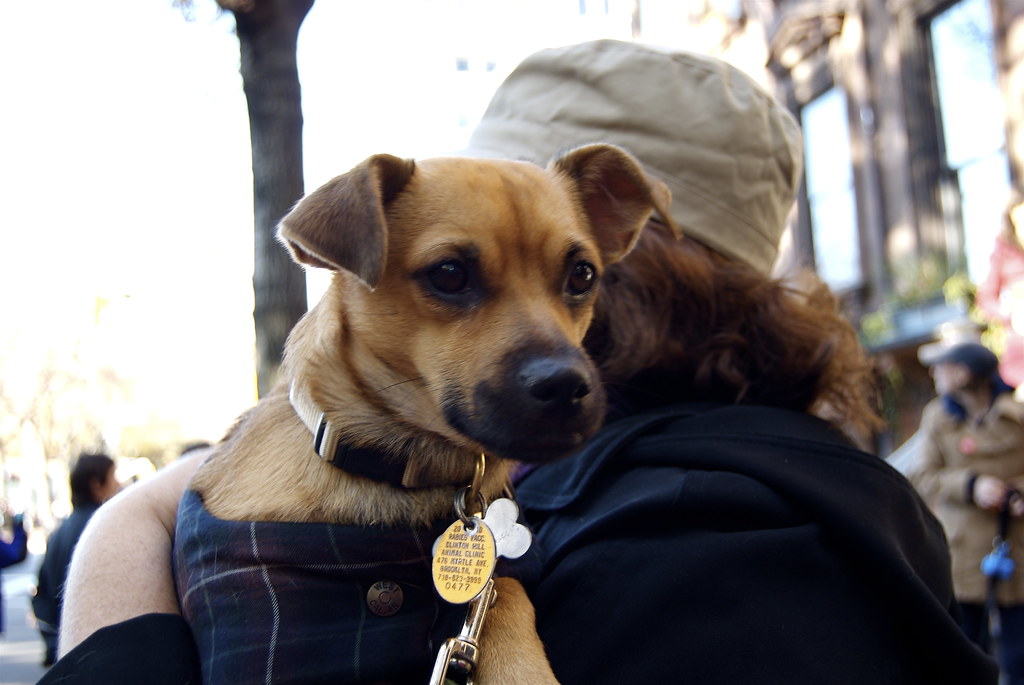
Your dog’s body language tells a story that’s crucial to understand. Shivering: This is often the first sign. If your dog is cold, they might shiver to try and generate heat. If your dog is shivering, lifting paws up to avoid the cold, or burrowing under a blanket, they may be a candidate for some winter weather clothing.
If you’re not sure if you should pop a coat on your dog when you’re out walking in winter, look at how they’re behaving. Refusing to move, shivering, and whining are some signs that your dog is cold. It’s important to monitor your dog’s body language to determine if they need a coat. Some dogs will lift their paws when they get cold, refuse to walk or shiver. These behaviors aren’t just discomfort – they’re your dog’s way of communicating that they need help staying warm.
The Hidden Dangers of Winter Weather for Dogs
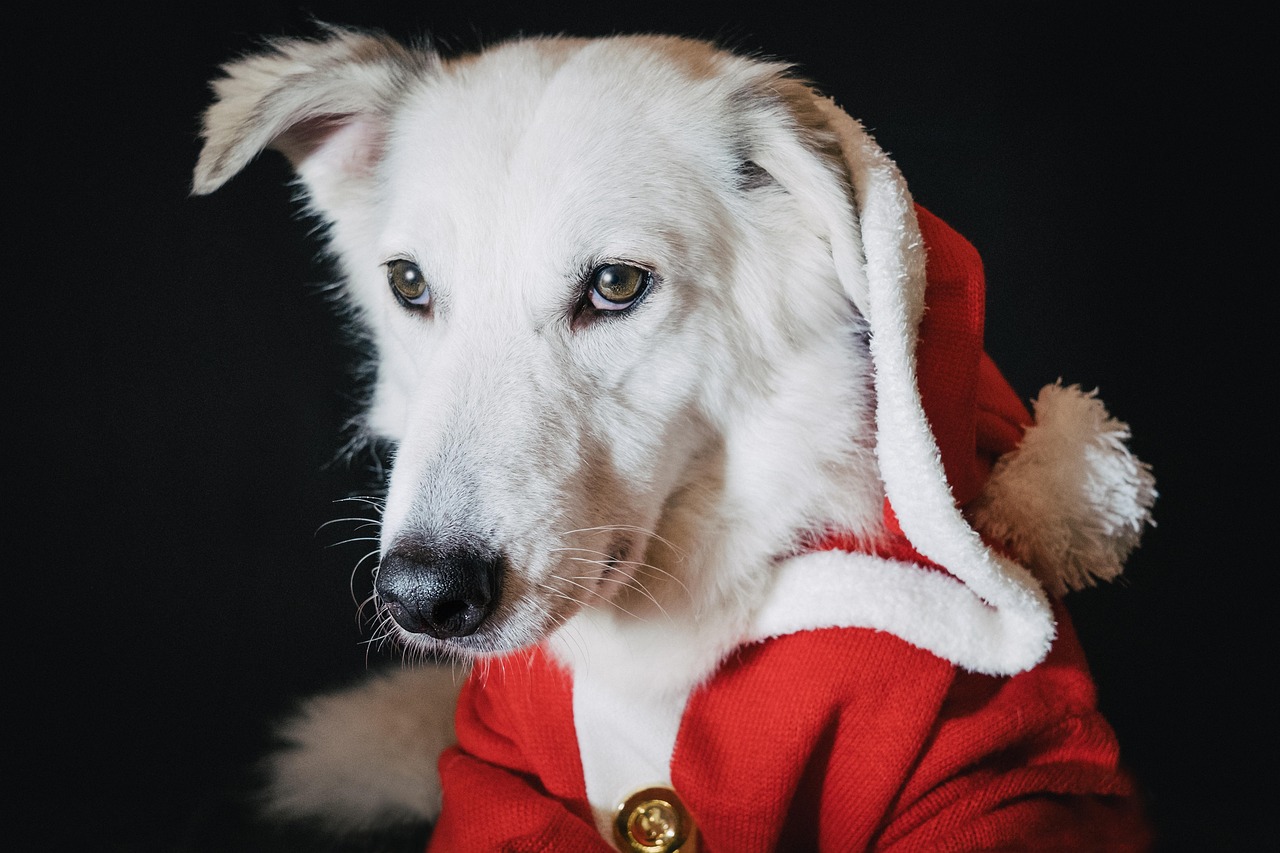
Intense cold can cause hypothermia, which occurs when a dog’s body temperature falls to dangerously low levels. Hypothermia causes muscles to stiffen and breathing and heart rate to slow. In serious cases, it can be fatal. This isn’t something that only happens to dogs left outside for hours – it can occur more quickly than many owners realize.
The time it takes for a dog to get hypothermia can vary. Factors include the dog’s size, age, health status, and the outdoor temperature. In harsh conditions, hypothermia can develop within 10-15 minutes, though the onset time varies significantly based on individual factors. Dogs with mild hypothermia (90-99°F/32-37°C) may shiver or seek heat sources; dogs with moderate hypothermia (82-90°F/28-32°C) may stumble or have difficulty walking, be curled or hunched up, or may act confused or sluggish. Understanding these progression stages can literally save your dog’s life.
Special Considerations for Senior Dogs and Puppies
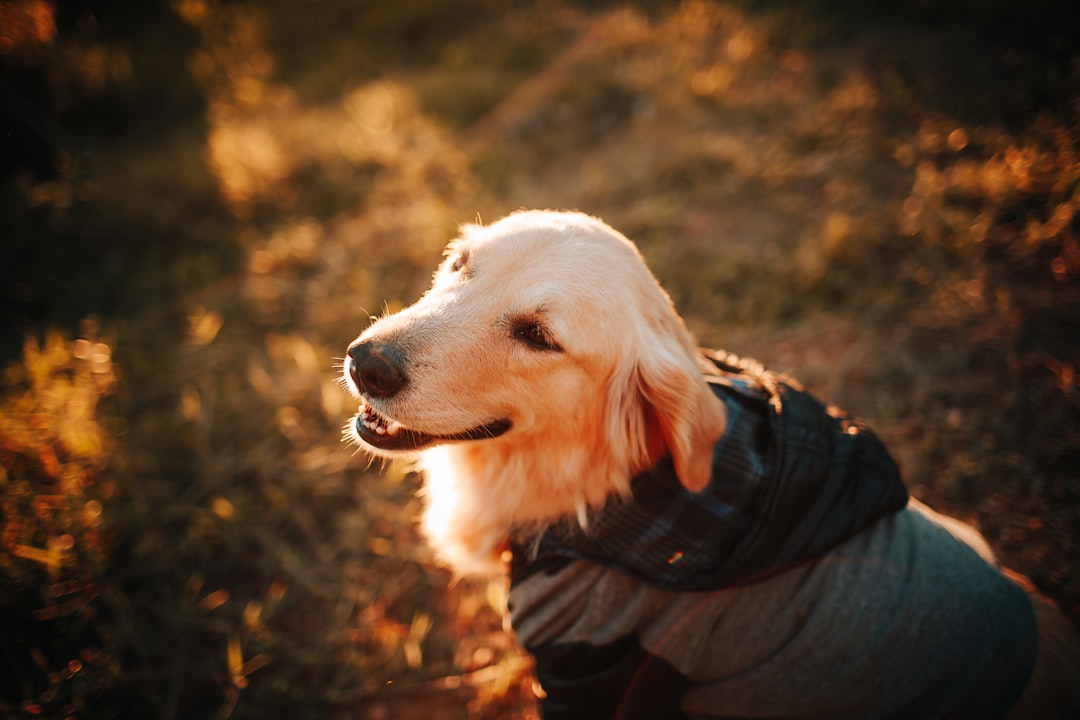
Not all dogs will need a coat during winter, however older pups will naturally struggle to regulate their body’s temperature. Protecting them with an extra layer of insulation, such as a quilted jacket or a sweater can help to encourage warm blood flow around their body. Senior dogs face unique challenges because their internal heating systems simply don’t work as efficiently as they once did.
Small dogs, dogs with short coats, puppies, and elderly dogs are particularly at risk. Cold weather can be especially problematic for dogs who suffer from stiff joints, as the low temperatures can cause muscles to tighten up and increase pressure when they are walking. If this is the case, then always ensure your pup wraps up warm with a coat. Puppies are essentially tiny heat-loss machines because of their size, while senior dogs may have underlying health conditions that make temperature regulation more difficult.
How to Choose the Right Winter Gear for Your Dog
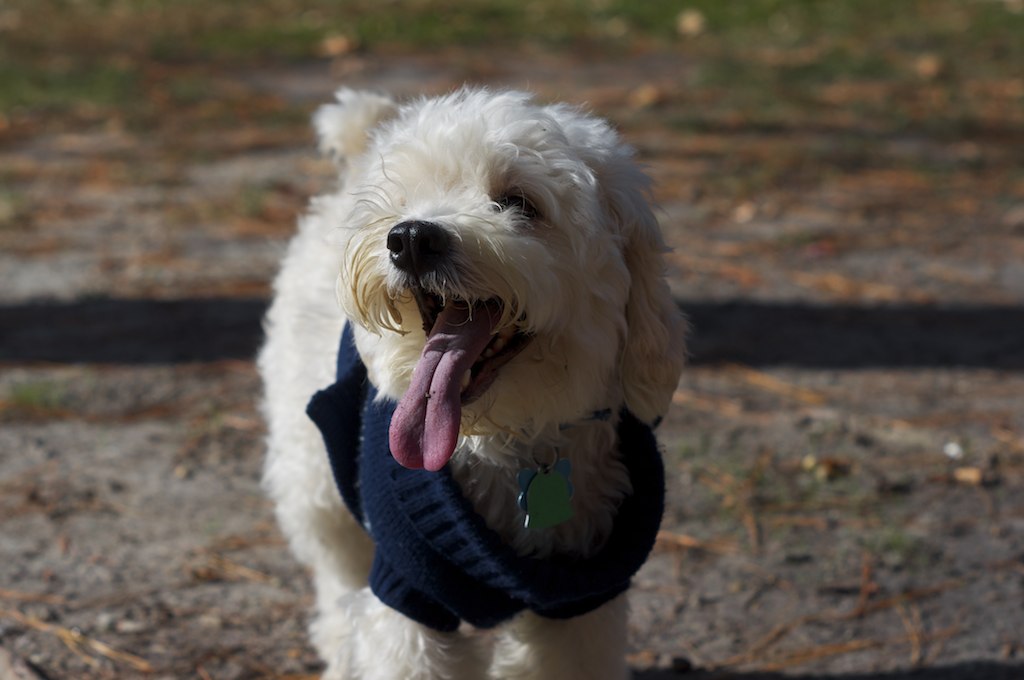
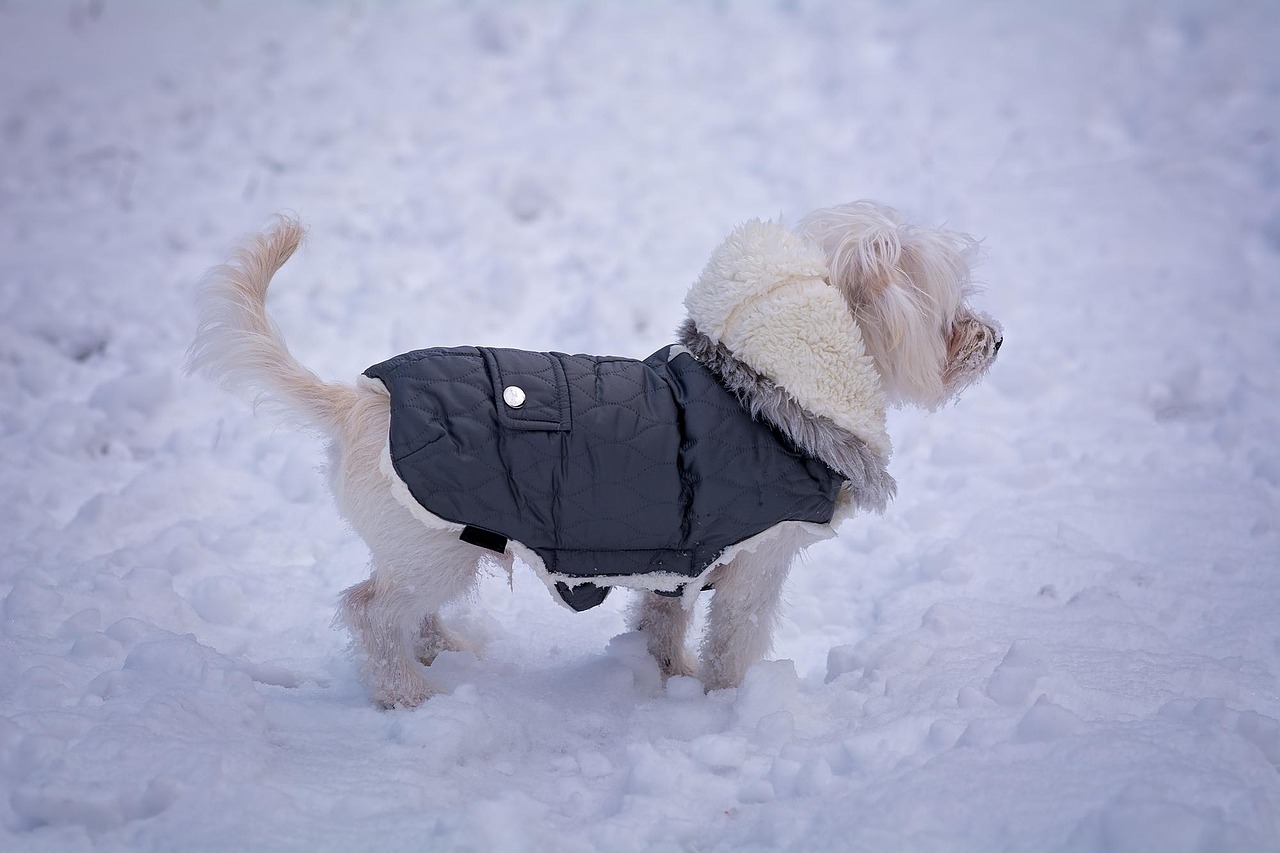
Depending on the weather and the thickness of your pet’s coat, a dog sweater might be all they need to stay warm. However, if the weather forecast includes freezing temperatures, snow, hail or cold rain, a winter jacket might be necessary. The key is matching the protection level to the actual weather conditions you’ll be facing.
Make sure to purchase outerwear that is properly suited to your dog’s size. It should fit snug around them to trap in their body heat, but not tight to where it cuts off circulation or mobility. A poorly fitting coat can actually make things worse by restricting movement or failing to provide adequate coverage. Have several on hand, so you can use a dry sweater or coat each time your dog goes outside. Wet sweaters or coats can actually make your dog colder.
What to Do If You Suspect Your Dog Has Hypothermia
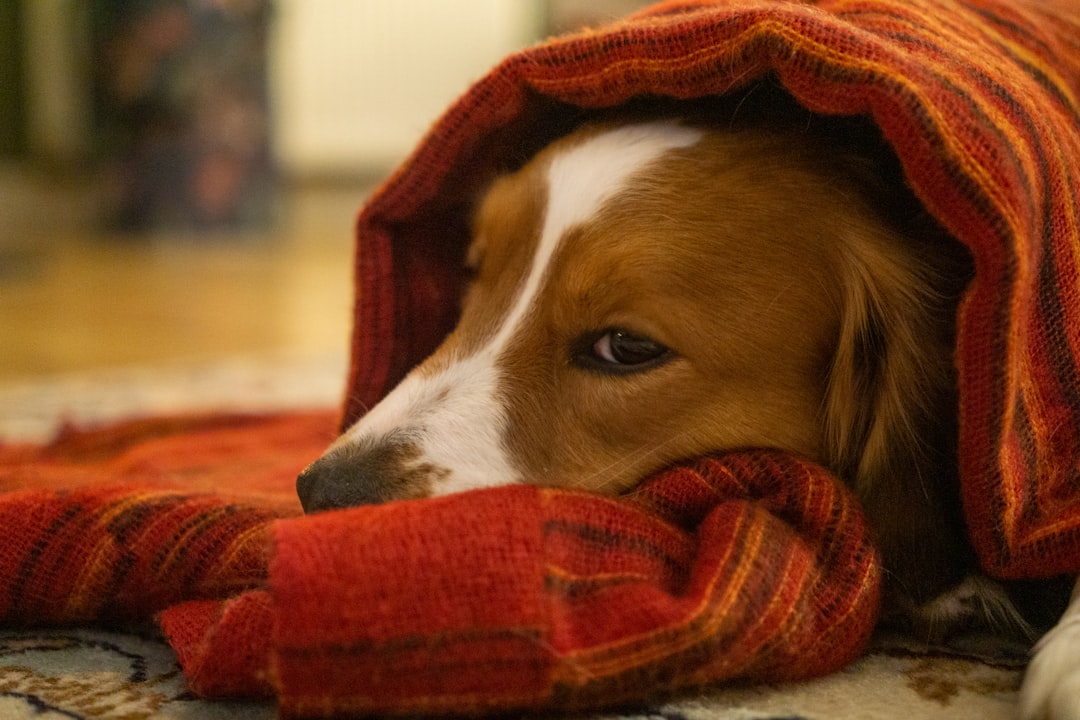
If you suspect your dog is suffering from hypothermia, quick action is vital. Move Your Dog Indoors: Bring your dog to a warm, sheltered space immediately. Wrap Them in Blankets: Use dry, warm blankets or towels. You can also warm the blanket beforehand in a dryer. Time is absolutely critical in these situations.
Do not use a heating pad, as it gives off excessive heat that can lead to burns, or it can direct too much blood flow towards the skin, which can worsen shock. Visit the Vet Immediately: Even if your dog appears to be recovering, a veterinarian must evaluate them to rule out internal damage. Never assume your dog is completely fine just because they seem to be warming up – internal damage from hypothermia can have delayed effects.
Conclusion
The question of whether dogs need coats in winter doesn’t have a one-size-fits-all answer, and that’s exactly why it matters so much. Your dog’s breed, age, size, health status, and individual tolerance all play crucial roles in determining when extra protection becomes necessary rather than optional. The science is clear: certain dogs genuinely need winter coats to maintain their health and comfort, while others are naturally equipped to handle cold weather without assistance.
The most important thing you can do as a dog owner is learn to read your individual pet’s signals and understand the specific temperature thresholds that apply to them. Whether your dog is a heat-seeking Chihuahua or a snow-loving Husky, staying informed about the signs of cold stress and having appropriate gear ready when needed shows the kind of thoughtful care that strengthens the bond between you and your four-legged family member.
What do you think about winter coats for dogs? Tell us in the comments about your own experiences keeping your pup comfortable during the colder months.


