
Picture this: your dog is curled up on their favorite spot, deeply asleep, when suddenly their paws start to paddle, their nose twitches, and a soft little whimper escapes. You freeze, watching with wide eyes, heart melting just a little. It’s one of the most endearing sights in the world of dog ownership, but what is actually happening inside that furry head?
Honestly, this question has fascinated scientists and dog lovers alike for decades. The more researchers dig into the sleeping brain of our canine companions, the more remarkable the answers become. Buckle up, because what follows might completely change the way you see your dog’s nap time. Let’s dive in.
The Science Is In: Yes, Dogs Really Do Dream
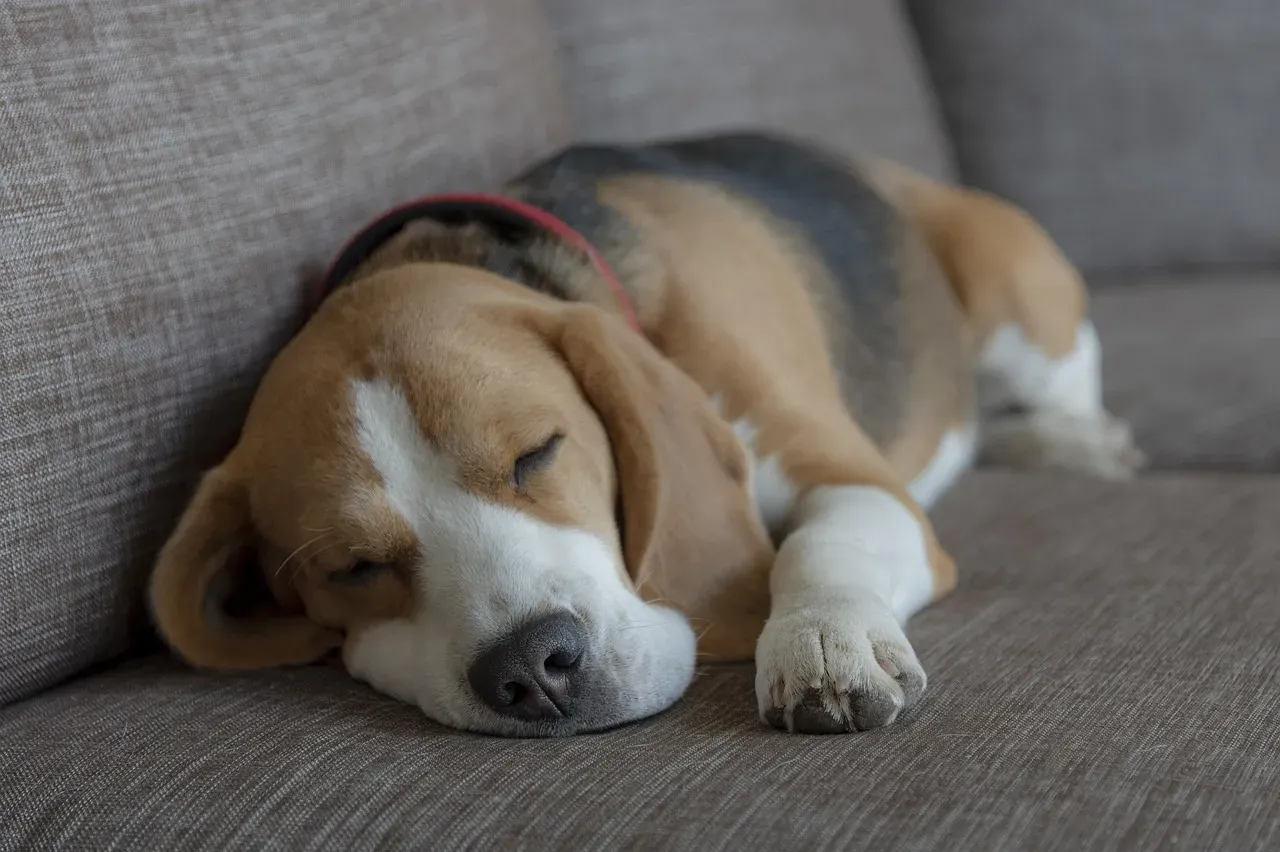
Here’s the thing – this is not just wishful thinking on our part. Dreams are part of the normal sleep cycle, and dogs do indeed have them. Even though dogs cannot awaken and describe their dreams, scientists have gathered information about canine dreams through clinical observations.
One landmark study from MIT in the early 2000s explored how animals dream by monitoring the brain activity of rats during both waking and sleeping hours. When rats ran through mazes during the day, their brain patterns matched up almost perfectly with patterns recorded during REM sleep. Scientists concluded that rats, and by extension dogs, likely dream about their daily activities.
Since dogs have much more intellectual capability than rats, researchers made the conclusion that dogs also dream. Think of it like this: if even a rat with a relatively simple brain can replay its day in dream form, your Golden Retriever who spent the afternoon splashing in puddles and stealing socks almost certainly can too. The evidence is genuinely compelling.
How Dog Sleep Cycles Actually Work
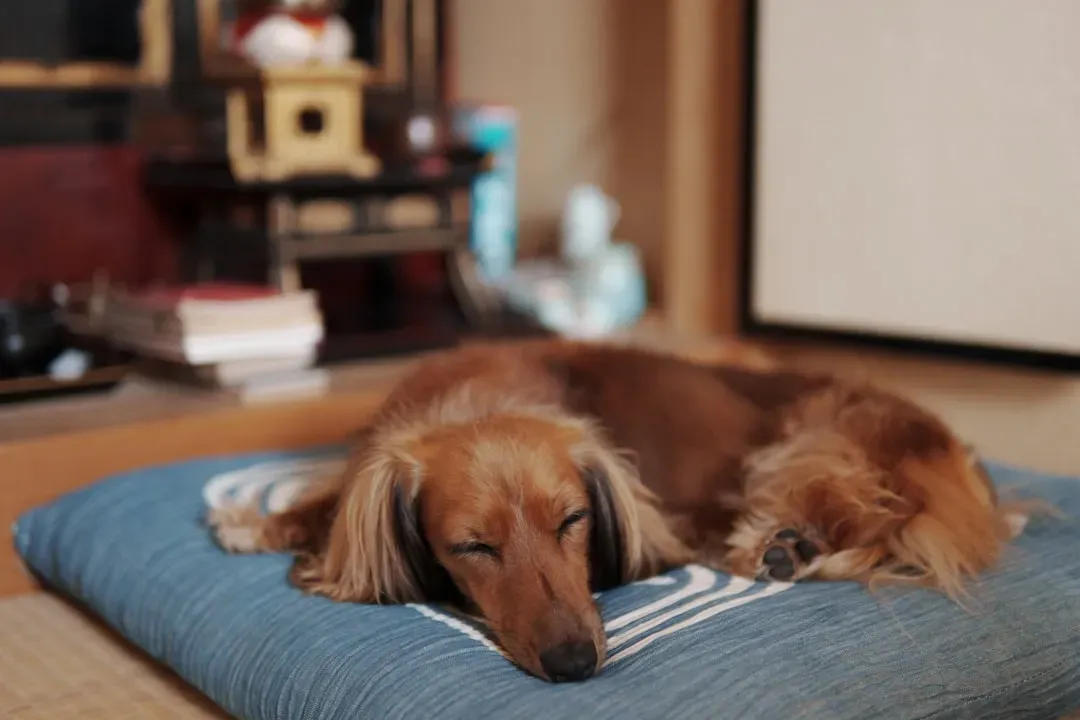
Dogs follow a structured sleep cycle that mirrors that of humans but with shorter durations. Each cycle includes stages of light sleep, deep sleep, and REM sleep. REM stands for Rapid Eye Movement, and it is the magic zone where dreaming happens.
During sleep, the brains of humans and dogs function similarly and exhibit brain wave patterns that show a difference between two basic stages of the sleep cycle. When you or your dog first falls asleep, you experience slow wave sleep, when brain waves are slow and undulating.
In deep sleep, your dog’s body repairs tissues, builds muscle, and strengthens the immune system. Breathing slows, heart rate stabilizes, and physical movement decreases. While dreams are less likely during this stage, deep sleep is vital for your pet’s physical health. It’s essentially their body doing all the behind-the-scenes maintenance work, like a phone charging overnight.
Dogs usually enter the REM stage after about 20 minutes of sleep, and it lasts for approximately five minutes. Humans, by comparison, don’t reach this stage until about 90 minutes into sleep, and we experience it for roughly 60 minutes. So your dog is on a much faster dream schedule than you are.
What Are They Actually Dreaming About?
This is the part everyone really wants to know, right? Scientists think that dogs not only dream as we do, but also that they dream similarly to us, meaning that they replay moments from their day while they’re fast asleep. So yes, that afternoon fetch session? Very possibly being replayed in full cinematic detail.
Dogs most likely dream about what they see in real life. This can include a favorite walking route, a bird or squirrel they wanted to chase, or even a favorite human. Scientists believe that certain breeds might dream about specific things. Hunting dogs might dream about a hunt, for example.
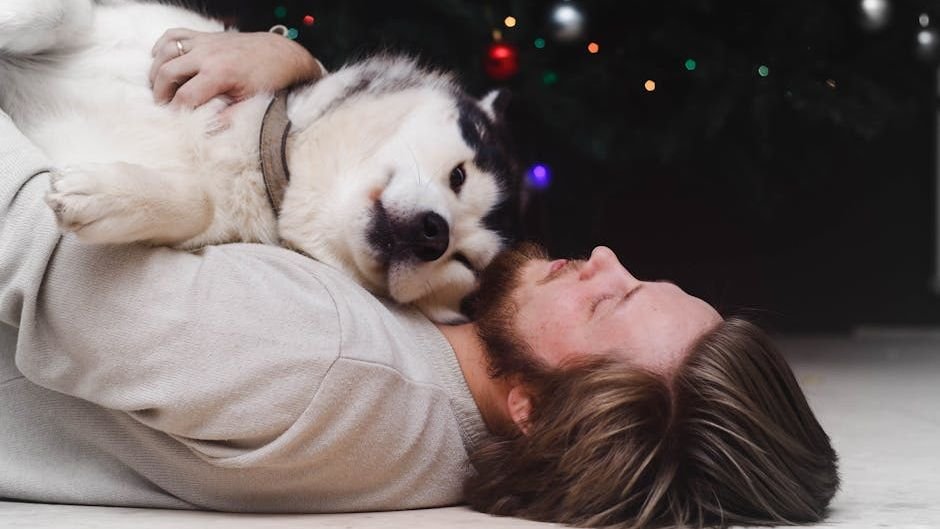
Since dogs draw from their past experiences for their dreams, it is possible that dogs dream about their owners. We often play the biggest role in our dogs’ daily lives, so it makes sense that they would dream of us and our time together. I think that is one of the sweetest things science has ever suggested. Your dog may literally be dreaming of you.
Reading the Signs: What Dreaming Looks Like in Real Life
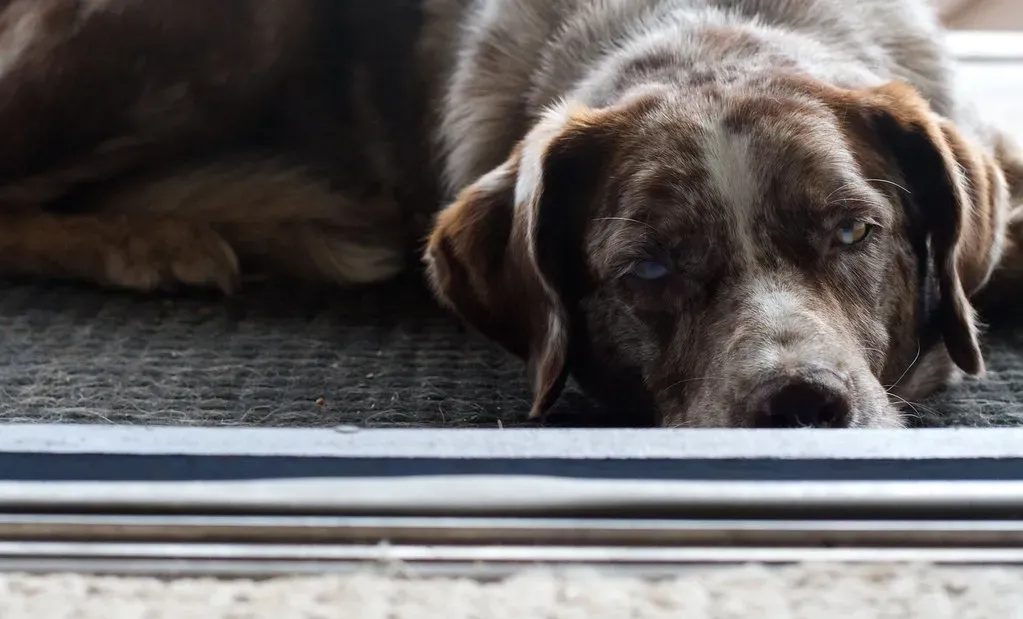
You do not need a lab or a brain scanner to spot a dreaming dog. During REM sleep, your dog’s eyes move rapidly beneath closed lids, their muscles may twitch, and you might notice soft vocalizations or gentle paddling motions. These are classic signs of dreaming.
All dogs dream, and some manifest dreaming with twitching, paddling, or kicks of their legs. These movements are often brief, lasting less than 30 seconds, and intermittent. If the twitching is short and rhythmic, with your dog waking up normally afterwards, there is nothing to worry about.
Puppies and older dogs spend more time in REM, possibly because they’re processing new experiences or compensating for reduced sleep quality. Smaller dogs tend to enter REM more frequently but for shorter periods, while larger dogs experience fewer but longer dream cycles. So your tiny Chihuahua might actually be dreaming up a storm several times a night, while your big Labrador takes fewer but grander dream journeys.
When to Be Concerned: Dreams vs. Something More Serious
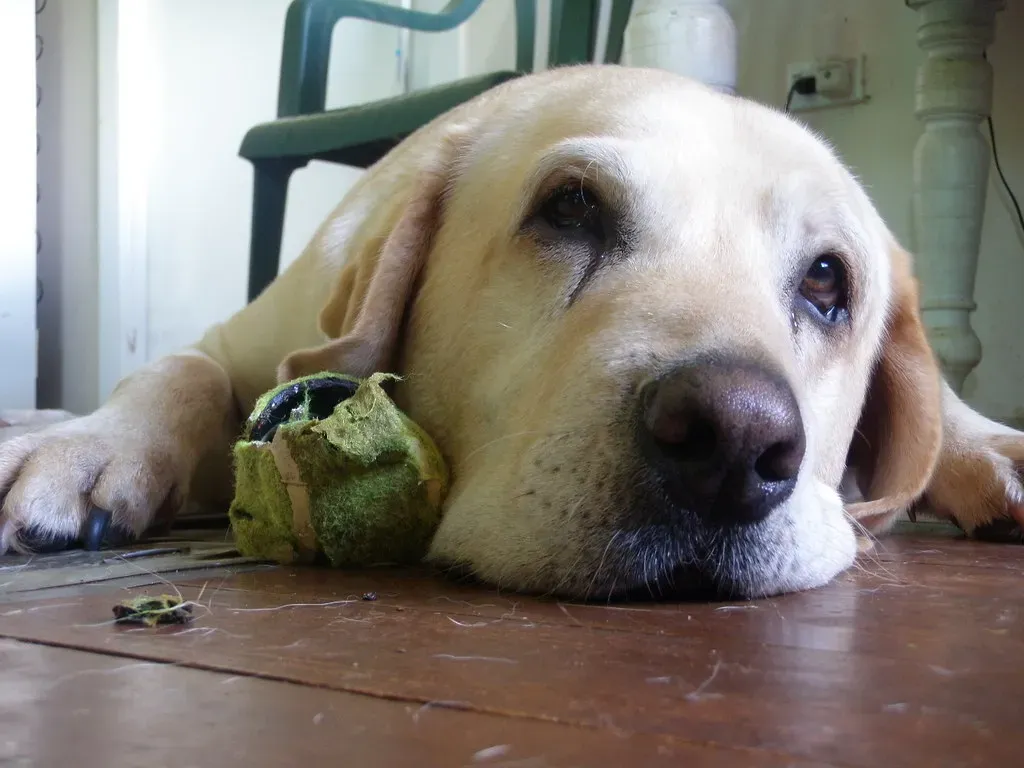
Let’s be real – not every twitch is a dream, and knowing the difference matters. Seizing dogs’ limbs tend to be rigid and stiffer, with more violent movement. Normal dream twitching is gentle, brief, and rhythmic. A seizure looks and feels very different.
Significant and extended periods of twitching can be symptomatic of diabetes, hypothermia, kidney and liver issues, or poison ingestion, all of which will require veterinary treatment. If something feels off, trust your gut and call your vet. You know your dog better than anyone.
Most sleep-related twitching in dogs is harmless, especially during REM sleep when the brain is active and dreaming is most intense. In rare cases, those movements may signal a neurological issue known as REM Sleep Behavior Disorder. Dogs with RBD don’t just twitch or paddle; they may suddenly leap to their feet, snap their jaws, run into walls, or appear to be defending themselves from an invisible threat.
Quality sleep contributes to a happier, more alert pet. If you ever notice significant changes in your dog’s sleep patterns such as restlessness, excessive fatigue, or nighttime distress, it’s always best to schedule an exam to rule out underlying issues. A quick vet visit is always worth it for your peace of mind.
How to Support Better, Healthier Sleep for Your Dog
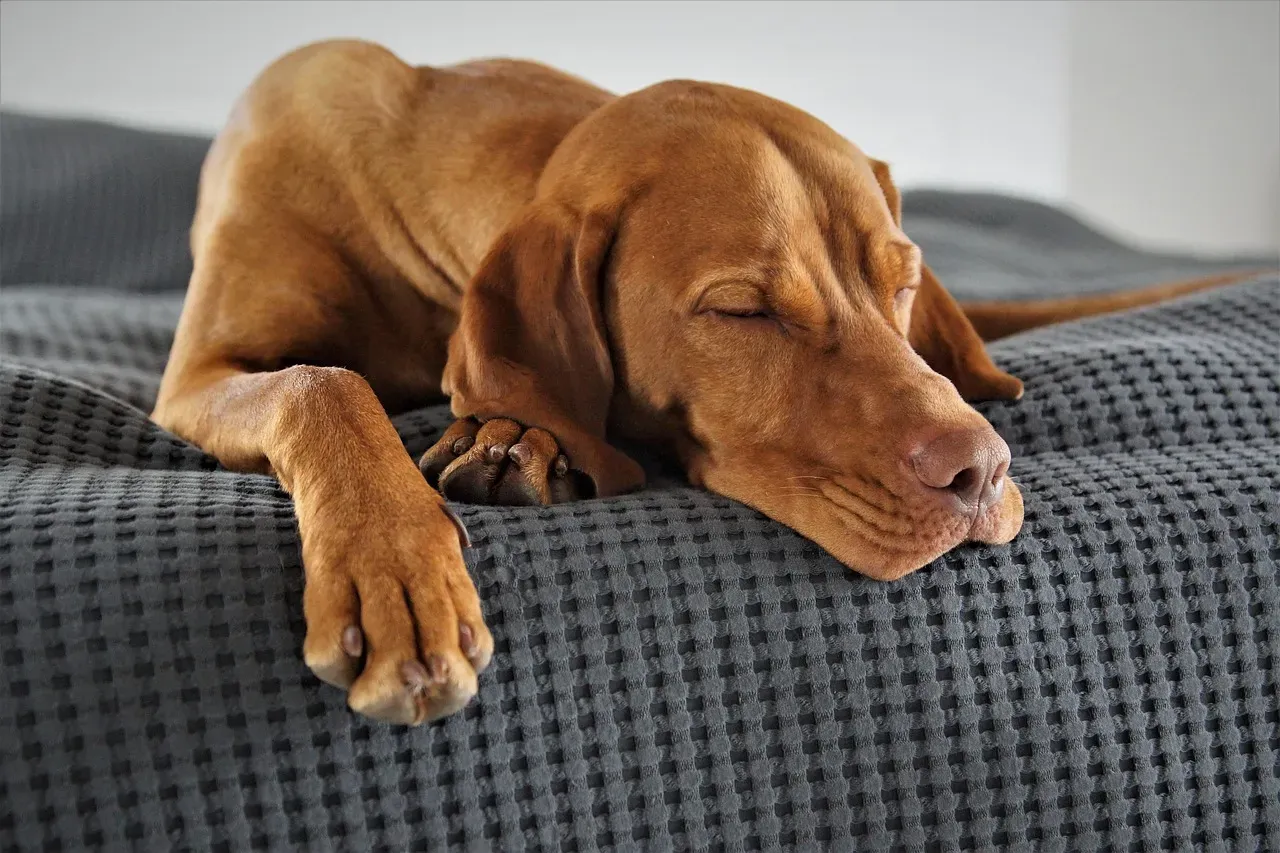
Good dreams start with good sleep. Dogs who feel safe and emotionally balanced tend to sleep better. Providing affection, mental stimulation, and social interaction during the day can help reduce stress and support peaceful sleep at night. It sounds simple because it really is.
To help your dog sleep well: provide a comfortable and consistent place to sleep, such as a dog bed. Establish a routine. Mentally and physically stimulate your dog throughout the day. Avoid large meals close to bedtime. A tired, content dog is a dog that sleeps deeply and dreams sweetly.
Scientists believe that sleep plays a big role in memory consolidation, helping dogs retain information about what’s significant in their lives. A quiet crate or comfortable dog bed can certainly help with sleep, but routinely waking your sleeping dog could hinder their ability to learn, and make them grumpy. So the next time you’re tempted to nudge them awake because it looks like the most adorable thing ever, resist. Let them finish that dream.
Conclusion: Their Dreams Are a Window Into Their Love for You
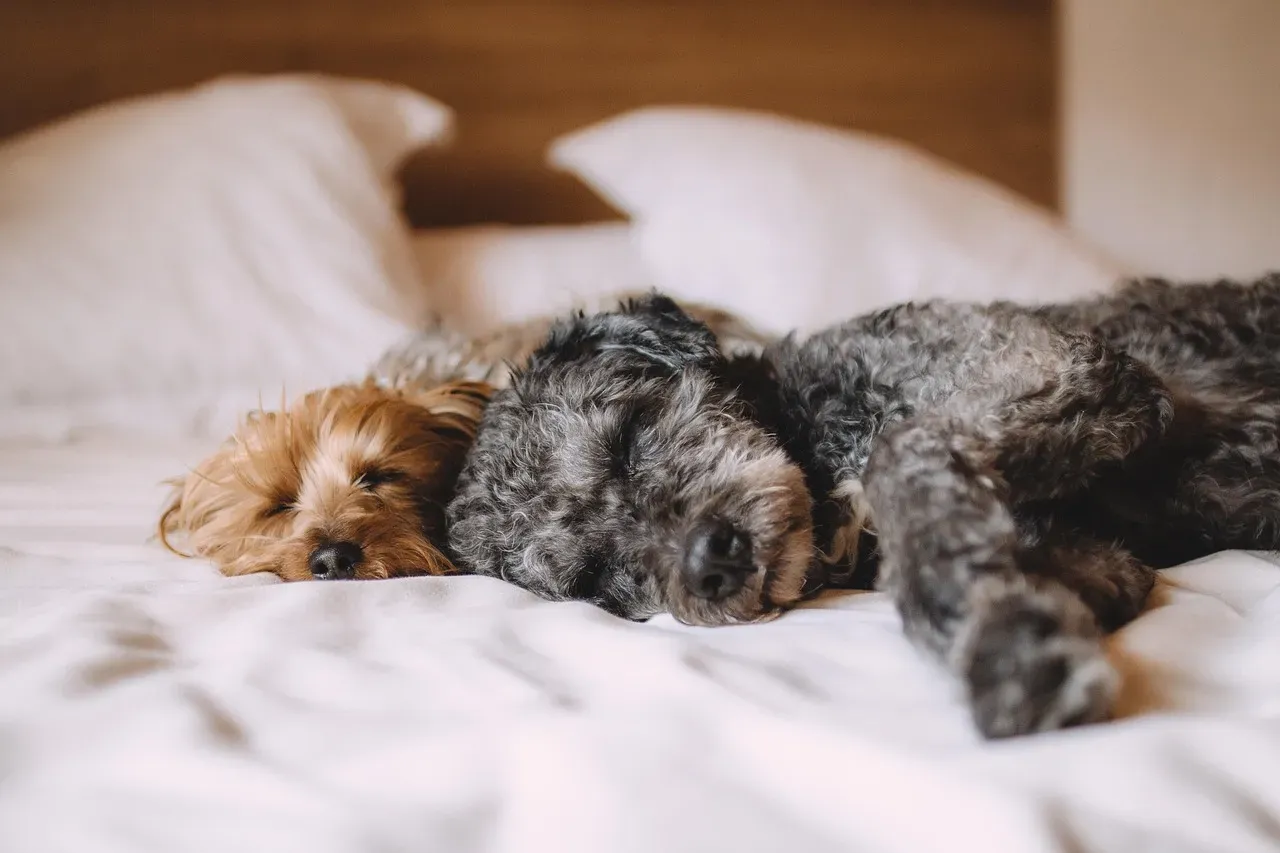
There is something profoundly moving about knowing that your dog, in the quiet stillness of sleep, is likely reliving the best parts of their day with you. Dogs, like humans, use sleep to organize and store memories. Dreaming helps them process complex emotions and experiences, which may explain why dogs appear calmer and more responsive after a good night’s sleep.
So the next time you catch your pup mid-dream, those little paws paddling through some invisible adventure, know that you are probably in that dream too. Watching your dog dream is more than a heartwarming moment; it’s a glimpse into how their brain processes the world around them.
Give them a safe, cozy spot to sleep, fill their days with love and activity, and let them dream undisturbed. It’s one of the simplest, most powerful gifts you can offer them. Now here is something to sit with: if your dog dreams about the best moments of their life, are you making sure those moments are worth dreaming about?


