
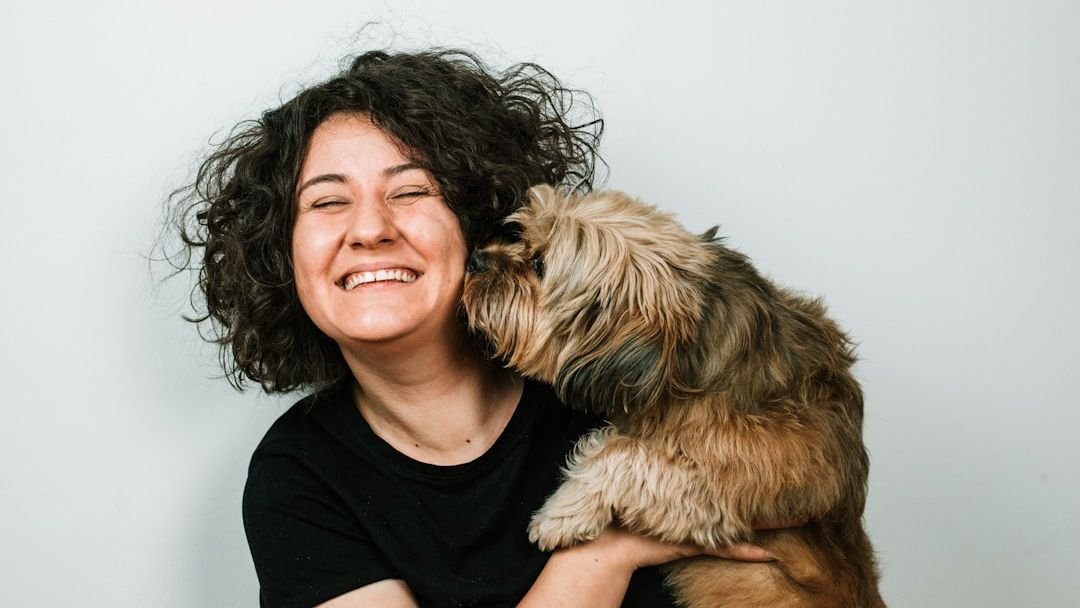
Picture this: you walk through the door after a long day, and your dog lights up like the sun just rose inside them. Tail wagging furiously, eyes sparkling, they barrel toward you for cuddles. Is it just food or routine they’re after, or something deeper? As a dog lover who’s spent years watching these furry miracles melt hearts, I can tell you it feels real.
Science backs up that gut feeling with fascinating studies on brains, hormones, and bonds. Let’s dive into what researchers have uncovered. You’ll walk away feeling even more connected to your pup.
The Power of Oxytocin: Dogs’ Love Hormone
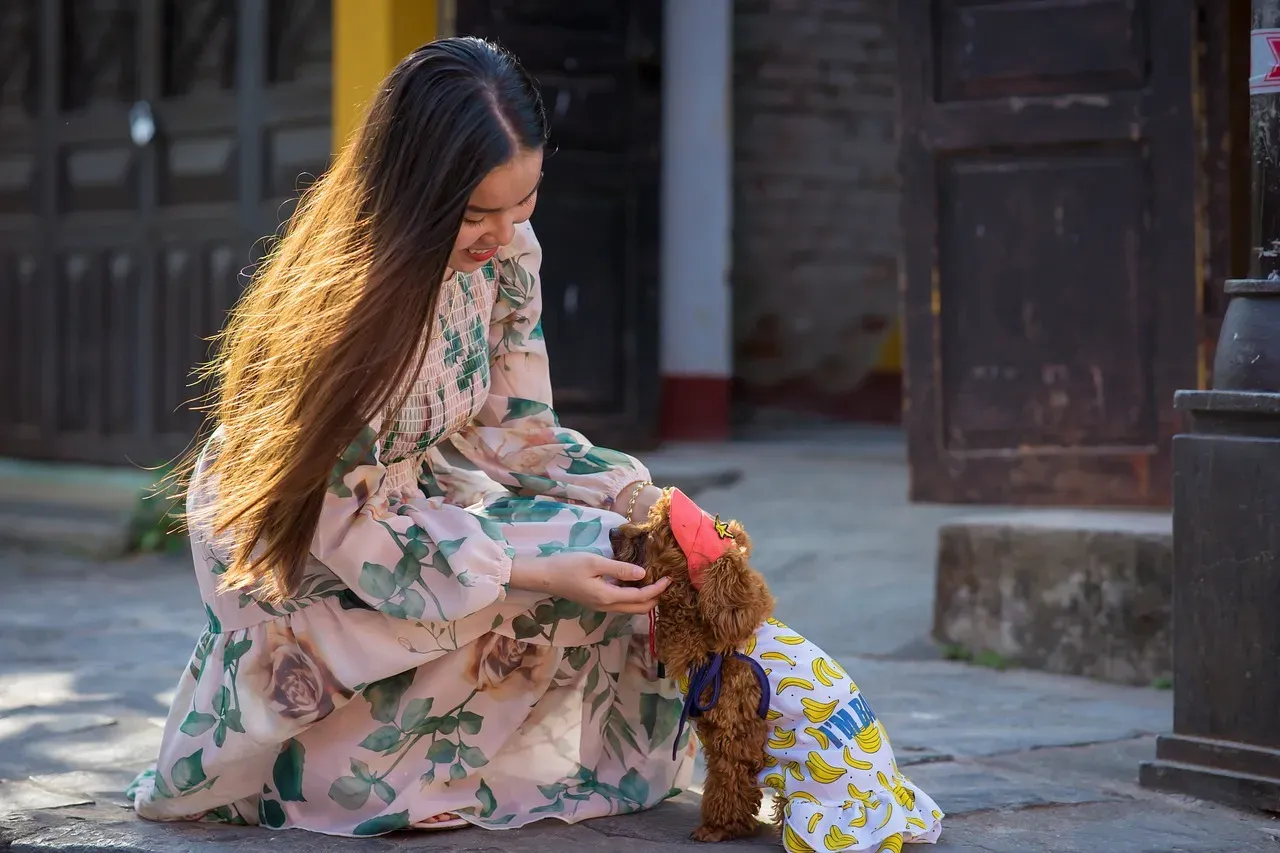
Oxytocin, often called the “love hormone,” surges in both dogs and owners during interactions. Research shows levels rise significantly after just minutes of petting or playing together.[1][2] It’s the same chemical that bonds human moms and babies. Honestly, no wonder our dogs feel like family.
This hormone drop in stress while boosting trust explains why your dog snuggles closer on tough days. Watch for relaxed ears and soft eyes, clear signs they’re soaking it up. Nurture it with daily affection to keep that bond strong.
Those Puppy Eyes Seal the Bond

When your dog locks eyes with you, magic happens. Studies found mutual gazing spikes oxytocin in both of you, but not with wolves.[3][4] It’s like they’re saying, “You’re my world.” Female dogs especially respond strongly to this visual love language.
Try it next time you’re both calm, hold that gaze gently. You’ll see their tail soften and body lean in. This simple act builds emotional security, much like reassuring a child.
Brain Scans Prove Deep Affection
Neuroscientist Gregory Berns trained dogs for MRI scans, revealing their reward centers light up more for owner praise than food.[5] The caudate nucleus, tied to positive emotions, activates on hearing your voice or scent.[6] Recent 2025 scans confirm dogs prioritize us over treats.
Imagine your pup’s brain firing joy signals just for you. It’s not manipulation; it’s genuine delight. These findings make me grin every time I call my dog over.
Attachment Bonds Like Family Ties
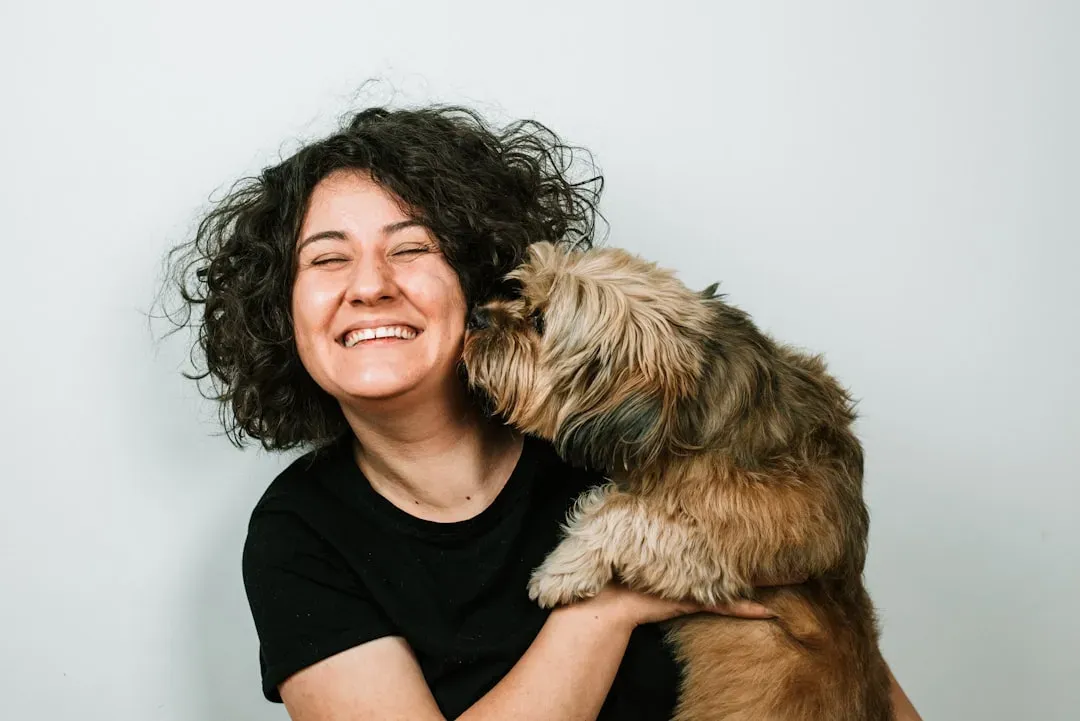
Dogs form secure attachments similar to human kids with parents, per adapted Ainsworth tests.[7] They show distress when separated, relief on reunion. Shelter dogs even build new bonds quickly.[8]
Notice your dog following you room to room? That’s attachment in action. Support it with consistent routines to prevent anxiety. Your steady presence is their safe haven.
Heartfelt Behaviors Shout Love
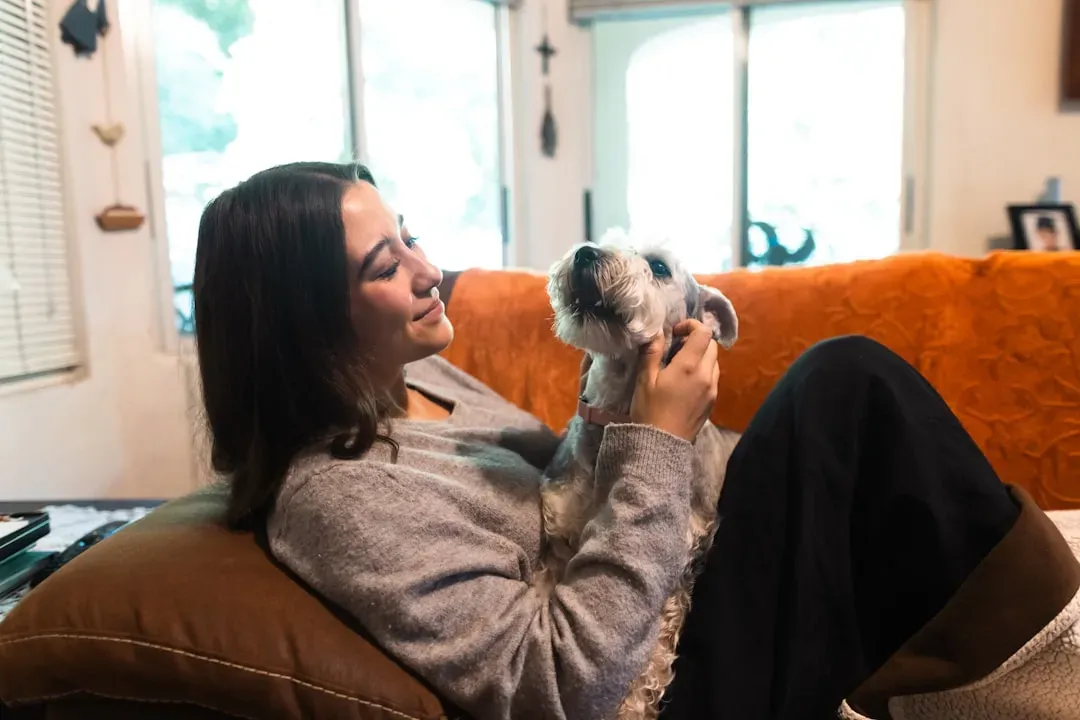
Leaning against your leg, gentle licks, or happy play bows scream affection. Lowered heart rates during cuddles match human love responses.[9] Tail wags aren’t random; left-side ones signal approachability from you.
Real scenario: my friend’s rescue beagle sleeps touching her feet nightly. These cues mean trust. Respond with pets to reinforce that emotional loop.
More Than Food: True Preference
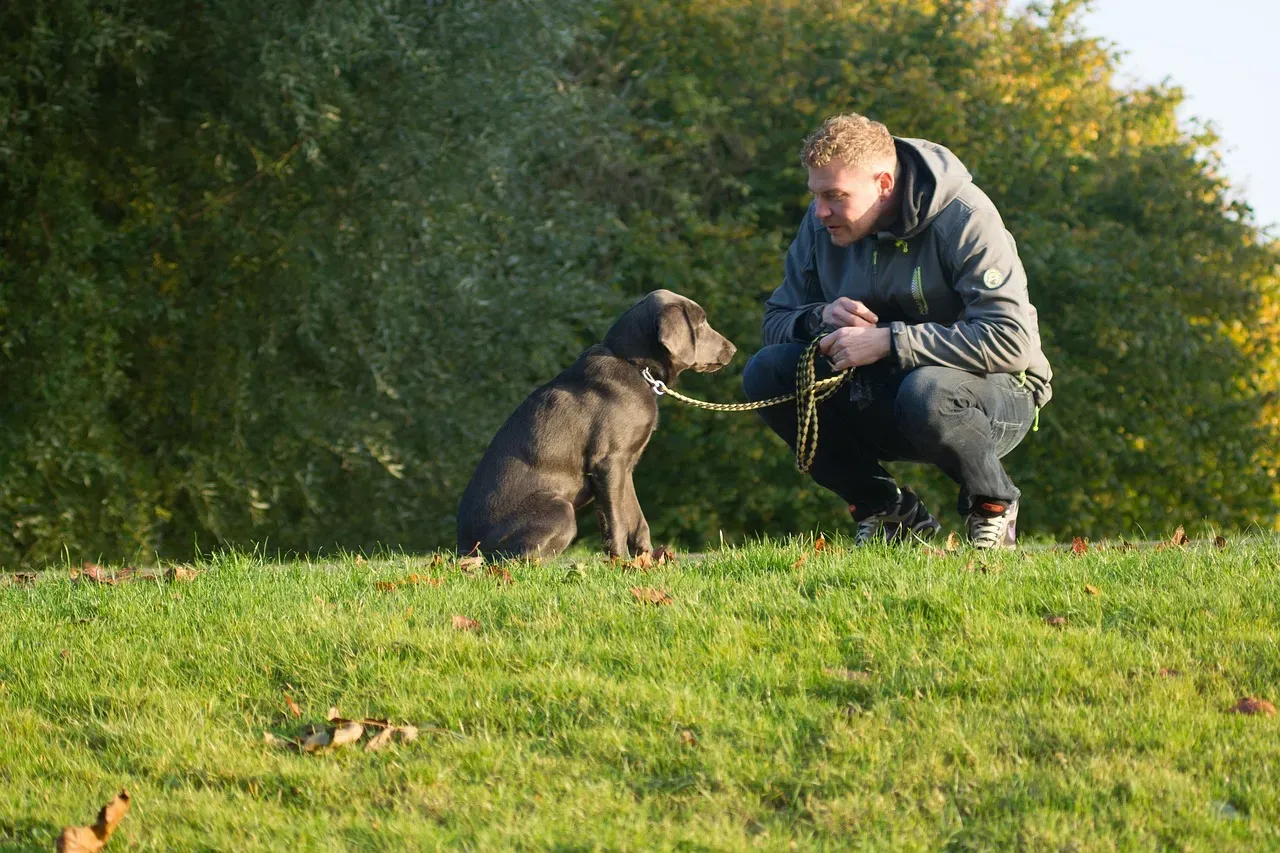
2025 MRI studies show dogs choose owner interaction over snacks repeatedly.[10] Brain sync with owners mirrors parent-child harmony.[11] It’s devotion, not dependency.
Skip the treat sometimes; opt for a walk together. Watch their eyes light up. This preference highlights how we’ve co-evolved emotionally over millennia.
Building an Unbreakable Connection
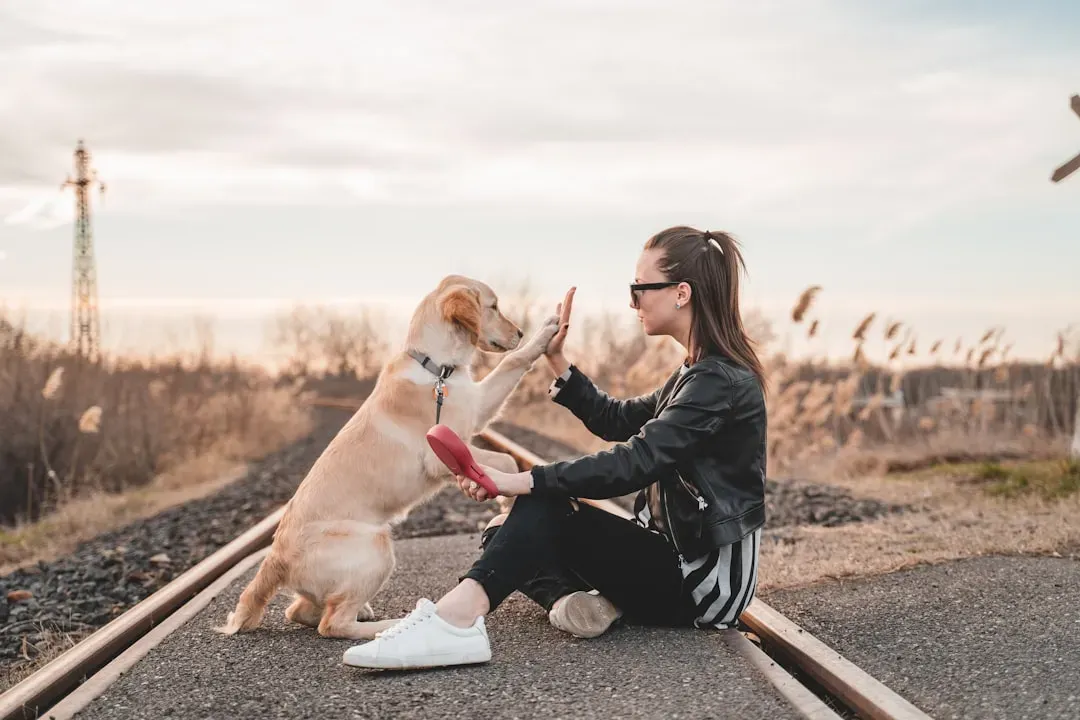
Daily play, training with praise, and calm evenings amplify oxytocin flows. Avoid yelling; it spikes stress hormones. Health perks include lower blood pressure for both of you.
Pro tip: introduce scent games, hiding your worn shirt for them to find. Their excitement proves the bond. Small habits yield lifelong loyalty.
Wrapping It Up: Love Confirmed
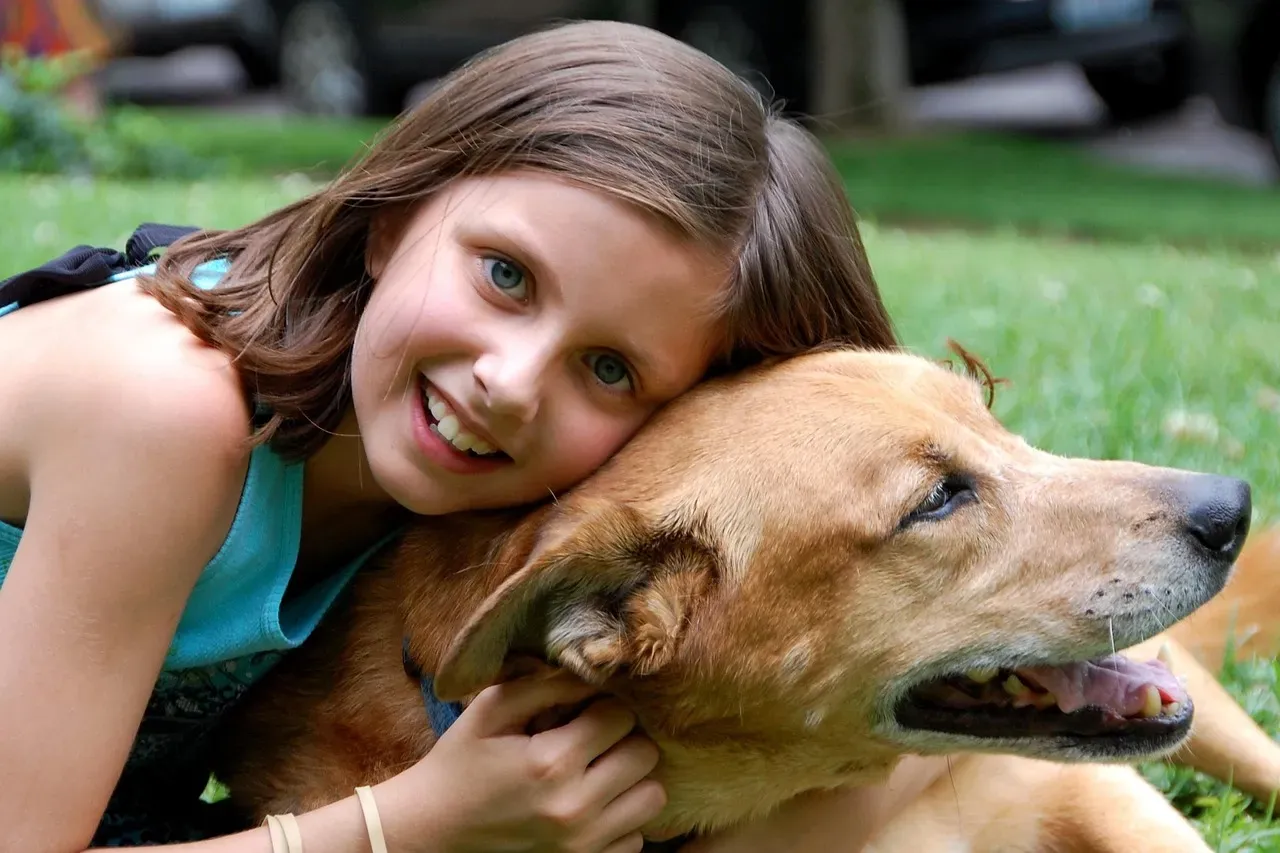
Science shouts yes, dogs feel love through hormones, brains, and behaviors mirroring ours. From oxytocin spikes to devoted gazes, it’s real and reciprocal. Cherish every wag; you’re their everything.
What’s your dog’s favorite way to show love? Share in the comments, fellow dog parents. Let’s celebrate these incredible companions together.


