
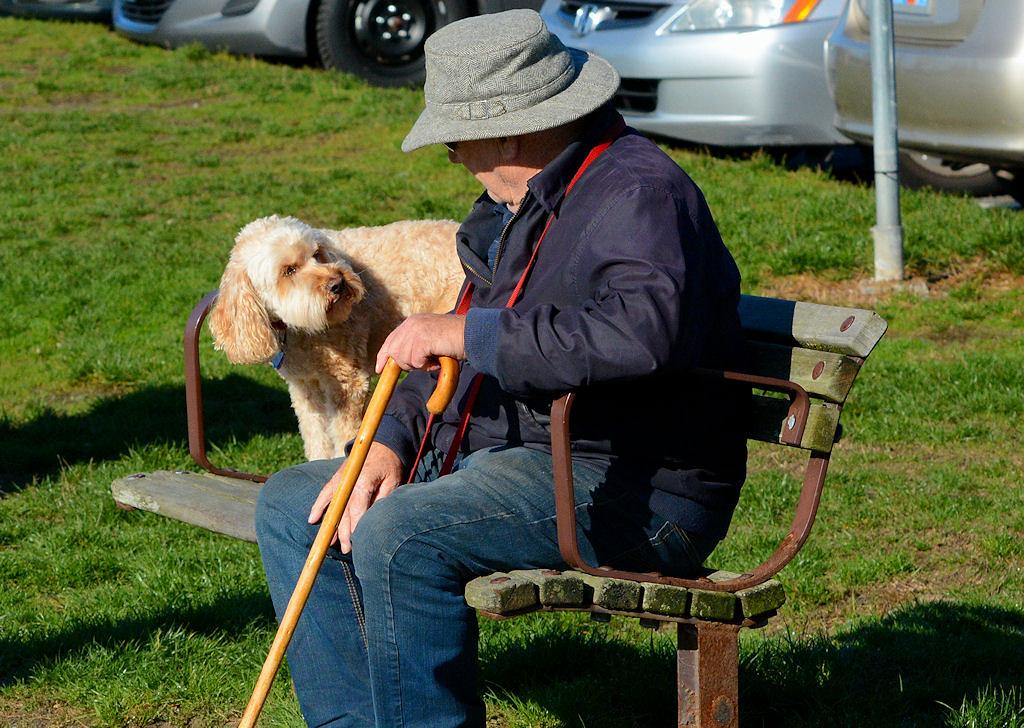
It’s often said that dogs are a reflection of their owners, and new research supports this idea. A study published in the Journal of Research in Personality found that dogs often develop personality traits similar to their owners, much like long-time couples who gradually adopt each other’s habits and behaviors over the years.
Do Dogs Really Share Personality Traits with Their Owners?

If you’ve ever caught yourself saying, “My dog is just like me,” you might be onto something. In 2020, researchers surveyed 1,600 dog owners across 50 different breeds, asking them about their own personalities as well as those of their dogs. The findings confirmed what many dog lovers have long suspected – dogs can take on the personalities of their owners over time.
“Dogs are incredibly perceptive and attuned to their surroundings, which means they can pick up on their owner’s emotional states and behaviors,” explained Dr. Sarah Roberts, an animal behaviorist involved in the study. “Over time, this bond can lead to dogs mirroring their owners’ traits, creating a unique and often uncanny connection.”
The study found that more confident, outgoing owners often had dogs that mirrored their positive energy, while more anxious or stressed owners tended to have dogs that were more fearful or aggressive. This personality mirroring isn’t just a coincidence – it’s the result of years of close companionship, shared experiences, and mutual emotional influence.
Just like us, dogs aren’t born with fixed personalities. They evolve as they age, adapting to their environments and the people they bond with. This means the curious, wiggly puppy you brought home might become a more relaxed, wise companion as the years go by – or the other way around, depending on the life they share with you.
How Owners Shape Their Dogs’ Personalities

Ever notice how outgoing people often have bouncy, tail-wagging dogs, while quieter, more reserved folks tend to have pets that share their calm energy? It’s not just a coincidence.
Roberts noted, “It’s not just about genetics or breed. The emotional connection and shared experiences between a dog and its owner play a huge role in shaping a dog’s personality.”
For example, owners who lead active, outdoorsy lives often end up with dogs that are just as adventurous. These dogs tend to be fit, confident, and eager to explore, reflecting the energy of their owners. On the flip side, dogs living with more anxious or introverted owners might adopt those cautious traits, becoming more reserved or wary in new situations. Over time, dogs and their owners can become emotional mirrors for each other, reflecting not just daily habits but deep-seated temperaments.
“Dogs that are more active and excitable tend to stay healthier as they age,” Roberts added, highlighting that these dogs are less likely to develop chronic illnesses like hip dysplasia or arthritis, which are often linked to weight and activity levels. “It’s a reminder that a dog’s personality doesn’t just affect their mood – it can influence their health, too.”
Old Dogs, New Tricks – Can Personalities Change?
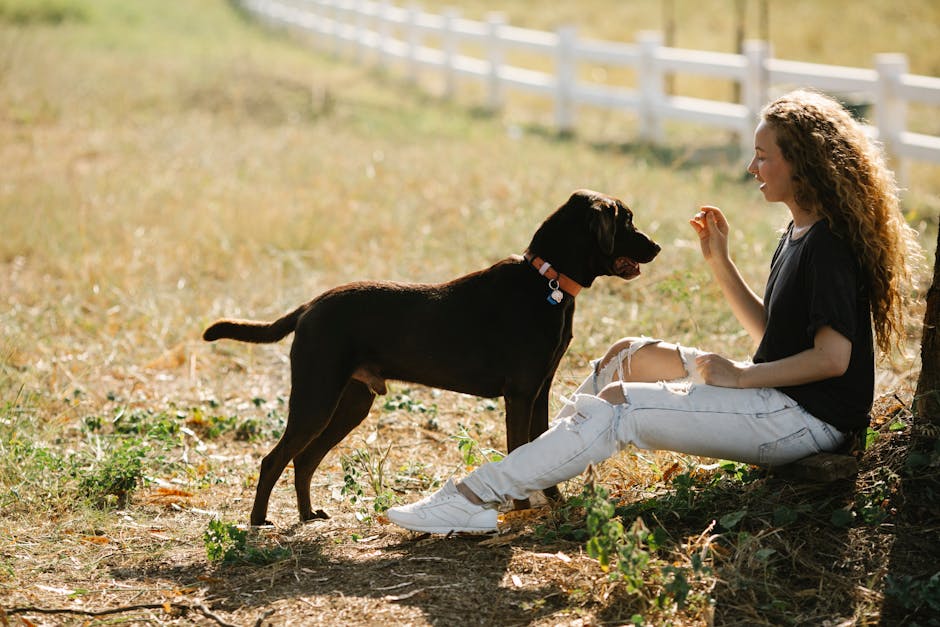
As dogs grow older, their personalities can shift, just like humans. Young dogs, with their boundless energy and curiosity, tend to be more adaptable and open to training. But as they reach middle age and beyond, they often become more set in their ways.
“Training a puppy can be a challenge,” said Roberts. “They’re easily distracted and have a short attention span, but if you invest time in their early years, you can shape their personality for the better. After the age of six, it becomes much harder to influence their behavior.”
Interestingly, the study also noted that more active, excitable dogs are generally healthier as they age, potentially reducing the risk of chronic diseases. “It’s a good reminder to keep those tails wagging with regular play and exercise,” Roberts said.
Does Breed Matter?

While the study surveyed over 50 different dog breeds, it found no significant link between specific breeds and personality traits. However, this doesn’t mean breed is irrelevant. Some studies have suggested that purebred dogs tend to be less fearful and aggressive, while neutered or spayed dogs are less likely to exhibit these traits.
“Every dog is an individual,” Roberts emphasized. “While breed can influence behavior to some extent, it’s the relationship you build with your dog that truly shapes their personality.”
Conclusion – Do We Take on the Same Personalities as Our Dogs?
At the end of the day, the relationship between dogs and their owners is deeply personal. It’s not just about choosing a dog that matches your lifestyle – it’s about the bond you form over years of companionship. Whether your dog reflects your personality or brings a bit of their own unique energy into your life, that connection is one of the most rewarding relationships a person can have.
“The bond between a dog and its owner is one of the most rewarding relationships a person can have,” Roberts added. “It’s a partnership built on mutual trust and understanding.”


