
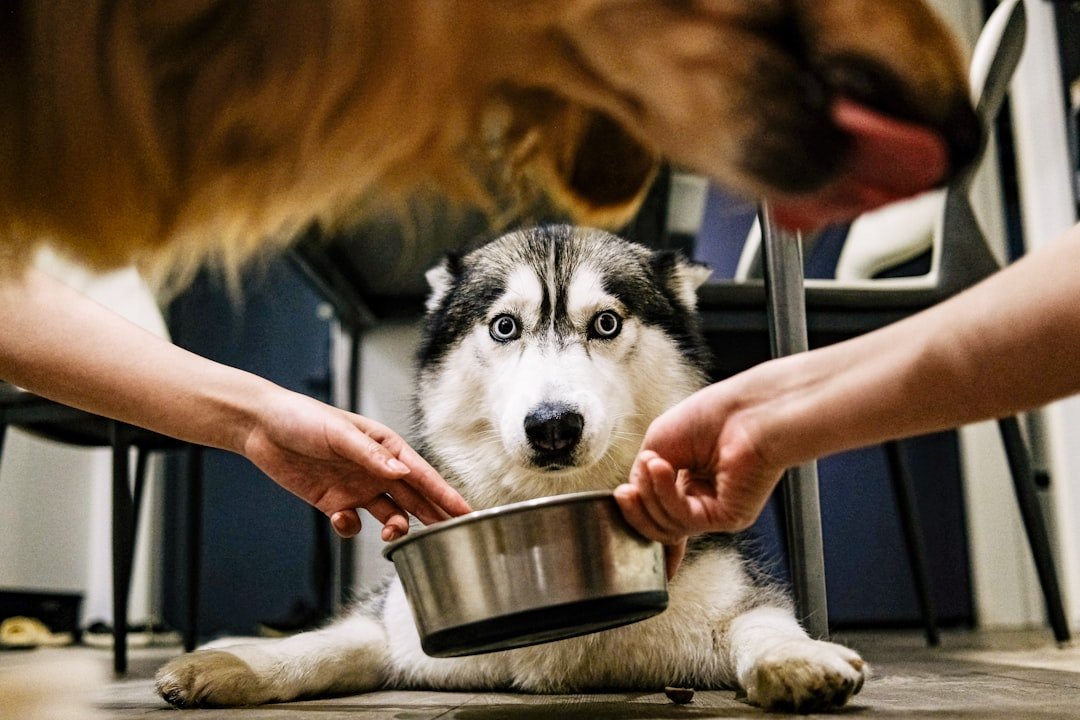
Have you ever looked into your rescue dog’s eyes and wondered what memories they carry? Maybe you’ve noticed how they freeze at the sound of a raised voice or flinch when someone moves too quickly. The truth about canine memory might surprise you – and it could change how you understand your beloved companion forever.
Scientists have been digging into this question for years. The answer isn’t just fascinating – it’s crucial for anyone sharing their life with a rescue dog.
Dogs Have Remarkable Memory Capabilities
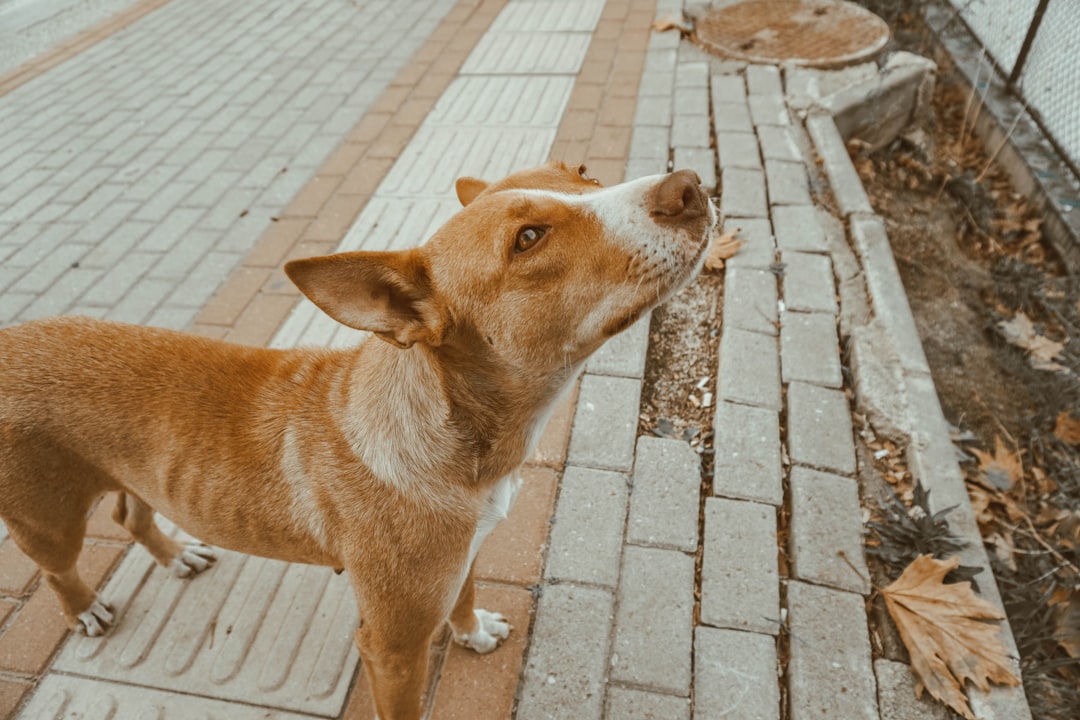
Your rescue dog remembers far more than you might imagine. Recent research reveals that dogs recall past events as complex as human actions even if they don’t expect the memory test, providing evidence for episodic-like memory. This isn’t just about remembering where the treat jar sits.
Studies show dogs possess declarative memory, meaning they can recall facts and information from their past, both pleasant and negative. Think of it like a mental photo album that never gets thrown away. The vast majority of dogs were reported to remember past events, with some memories lasting for years.
The Science Behind Canine Memory
Dogs repeated their own actions after delays ranging from 40 seconds to 1 hour, with their performance showing a decay typical of episodic memory. This means their memory works similarly to ours – recent events are clearer, while older memories fade.
Long-term memory is how dogs retain information over days, months, or even years, dealing with learned behaviors, emotional experiences, significant people, or traumatic events. Unfortunately, studies show that dogs have excellent long-term memory, especially when it comes to negative experiences. This explains why rescue dogs often struggle with specific triggers years later.
How Trauma Creates Lasting Memories

Single-event learning happens when dogs learn from a singular, often distressing event, rapidly forming strong and lasting negative associations between the scary event and the real sense of danger or fear they felt. One bad experience can create a lifetime of fear responses.
Research suggests that behavior consistent with trauma may potentially be inherited through DNA, though this is still being studied, with dogs whose parents were fearful or mistreated passing along fearful tendencies to their offspring. This means some rescue dogs might carry inherited anxiety alongside their personal experiences. The complexity goes deeper than we ever imagined.
Recognizing Signs Your Dog Remembers

A rescue dog may exhibit fear, anxiety, aggression, or even excitement in specific situations or when faced with certain triggers, with unusual reactions toward specific people, objects, or environments signifying memory associations with past events. Watch for these subtle clues.
Sometimes the signs are much more subtle: ears pulling back, eyes dilating, or even unexpected aggression – often mistaken as merely bad behavior but actually a cry for help. Common signs include hypervigilance, where dogs remain constantly alert and scanning for threats. Remember, these responses make perfect sense from their perspective.
Understanding Triggers and Associations
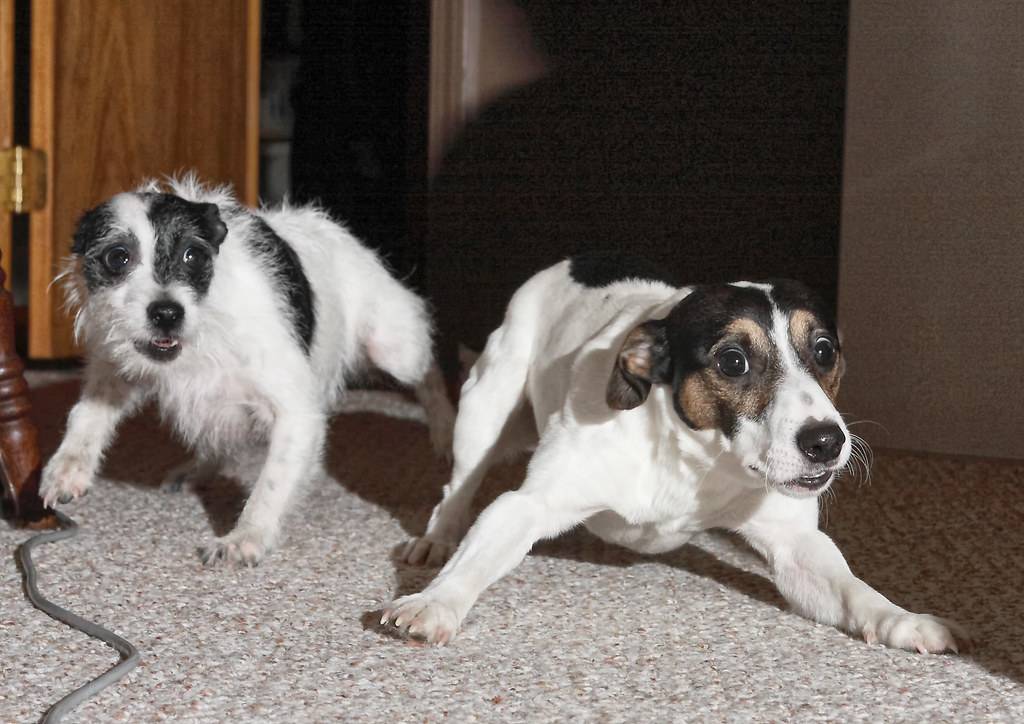
Dogs have associative memories and will remember a person, place, or experience based on specific associations they have with them. A baseball cap might remind them of an abusive owner, or the sound of keys jingling could trigger memories of abandonment.
Behavioral responses consider that the dog is reacting to triggered memories for which the dog has a negative association. From the dog’s perspective, that outstretched hand wasn’t a sign of affection – it was a threat, possibly evoking memories of a past abuser. This explains seemingly random outbursts that leave owners puzzled.
The Healing Process Actually Works

The good news is traumatic memories can fade over time, especially when dogs are placed in loving homes, with patience, compassion and positive reinforcement-based training helping most abused rescue dogs overcome past traumas. Hope isn’t just wishful thinking – it’s scientifically supported.
By associating positive experiences with previously triggering stimuli, you can help replace negative memories with new positive ones through positive reinforcement training that builds trust and establishes bonds. Behaviorists often pair desensitization with counter-conditioning, changing the meaning of something bad to something positive. Think of it as rewriting their story, one positive experience at a time.
Creating a Trauma-Informed Environment

A trauma-informed care approach recognizes that adverse early experience has significant consequences for canine welfare and that apparently irrational responses may result from previous trauma. Your understanding becomes their healing foundation.
Experts emphasize looking at the individual rather than assuming behaviors, asking what the dog wants based on body language and response to presence. Understanding your companion’s triggers helps prevent re-traumatization episodes, though this doesn’t mean the pet should live an ultra-protected life. Balance becomes key – protection without overprotection.
Professional Help Makes a Real Difference
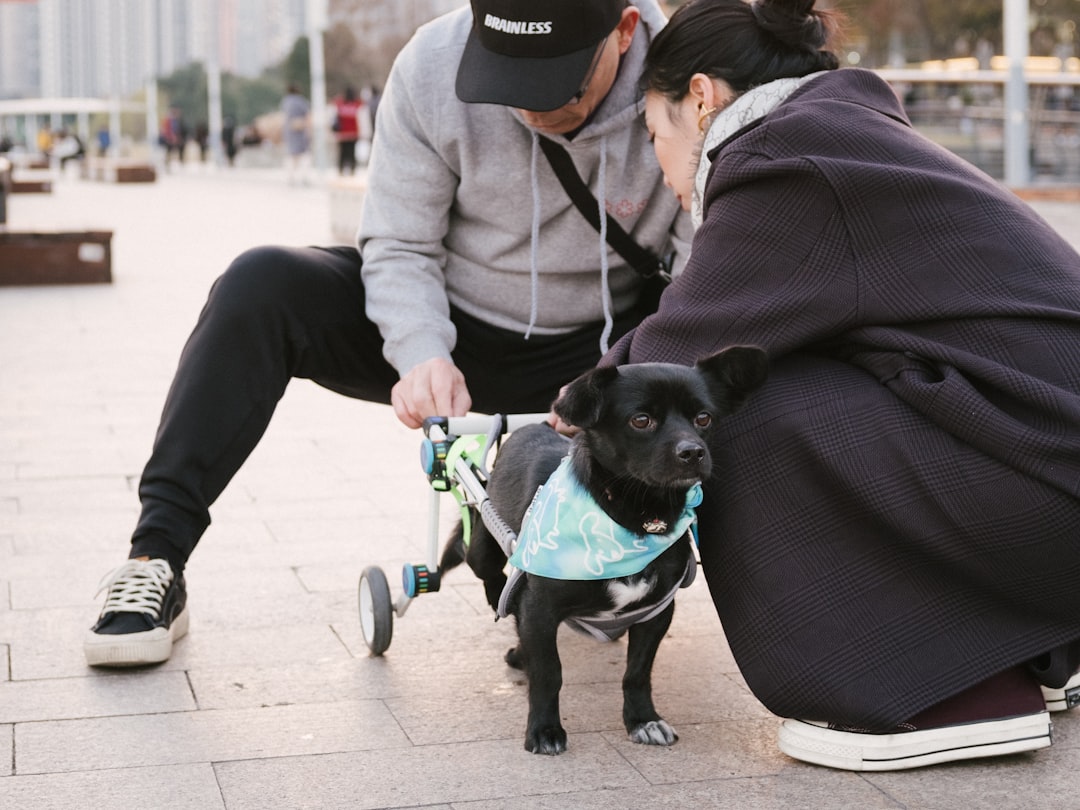
While specific statistics are not established, a significant number of dogs are believed to be affected with canine PTSD, but because the condition has only been recognized in dogs within the past 10 years, there is still much to learn. Professional support isn’t luxury – it’s often necessity.
Sometimes the fear can be so intense, pets need pharmaceutical help to get started with their retraining. Time and patience are vital to managing canine PTSD, with owners needing to actively work with their dog daily and maintain regular communication with their veterinary team. You’re not expected to handle this alone.
The journey with a rescue dog isn’t always easy, but understanding their memory gives you the tools to help them heal. Your patience, love, and knowledge can literally rewrite their story. Every positive moment you create together isn’t just making them happy today – it’s building new memories that can last a lifetime. What memories will you help your rescue dog create today?


