

Picture this: a horse so massive it could dwarf a small car, yet gentle enough for a child to brush. That’s the paradox of the Shire horse – nature’s gentle giant that has captured hearts for centuries. These magnificent creatures stand among the tallest horses in the world, but their towering presence is matched only by their surprisingly tender temperament.
You’ve probably seen them in movies or parades, those majestic beasts with flowing manes and feathered legs pulling carriages with effortless grace. Yet behind that intimidating size lies a personality so calm and willing that it might just surprise you. The question isn’t whether they’re impressive – it’s whether these gentle titans could actually become part of your family. Let’s explore what it really takes to welcome one of these magnificent creatures into your life.
Understanding the Gentle Giant’s Temperament
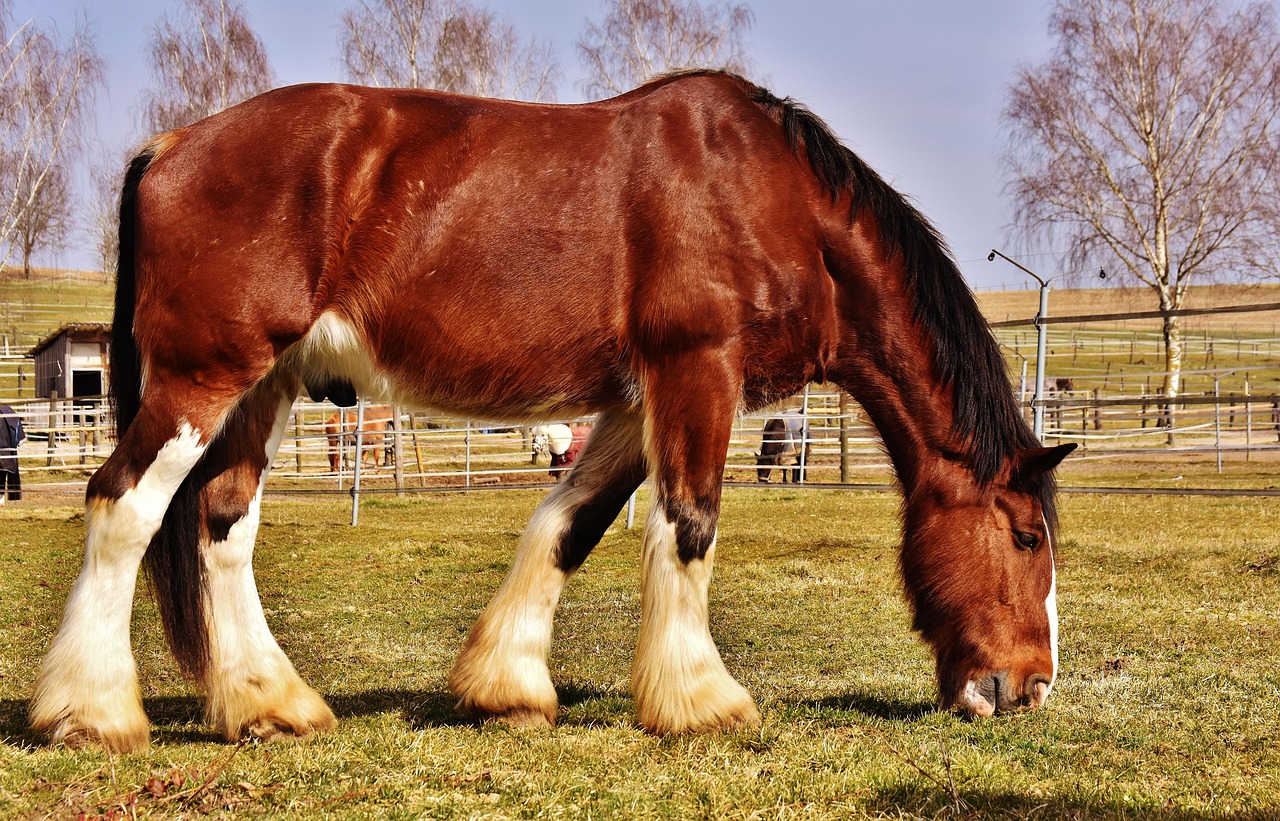
Shire horses are known for their gentle temperaments as well as their size, and in contrast to their imposing size, Shire horses have docile temperaments and are considered easy to train. This remarkable combination makes them quite unique in the equine world.
They aren’t easily rattled by loud noises or children, dogs, or other animals. They do not mind being around other animals, such as dogs, and they are even comfortable around loud noises, water, cars, and children. Overall, this breed has a mellow personality and state of mind that is typically attributed to the fact that it was originally created to work as a war horse.
Due to their calm, patient nature, and high level of intelligence, Shire Horses can make excellent family pets. They are typically very gentle with children, making them suitable for families.
They respond well to kindness and patience and are not easily startled or aggressive. This makes them particularly appealing for families who want a horse that won’t spook easily or pose unnecessary risks to handlers, especially children learning around horses.
Size Matters: Space and Housing Requirements
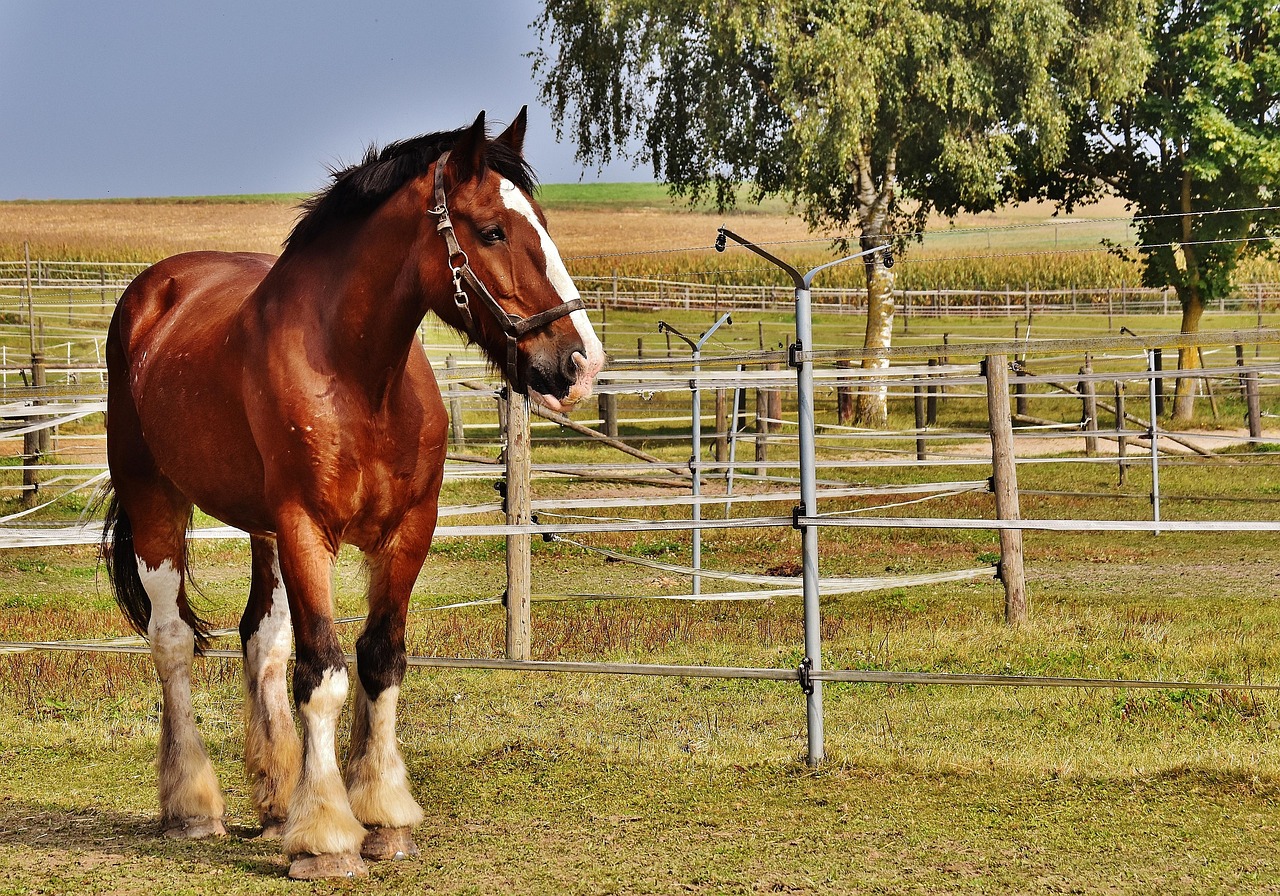
Your horse will need plenty of space and clean bedding in its stable or shelter, along with a pasture of at least an acre for grazing and exercise. However, this is truly the minimum – these giants need considerably more room than typical horses.
Shire Horse horses need considerably more space than smaller horse breeds. Their stall in the stable should be large and spacious so that they can lie down and stand up easily. The pasture areas must also be generously proportioned so that the horses get enough exercise.
They need a lot of space and care. Their large size means they’re not suited to small properties. Shire horses typically live for 25 to 30 years when well cared for. This longevity means you’re making a serious long-term commitment that could span decades.
The reality is that Shires require infrastructure built to accommodate their massive frames. Standard horse facilities often won’t suffice, and modifications can be costly. They are large animals, so they require adequate space in their stall – often resulting in a higher monthly boarding bill. For a full-service stall board, you can expect to pay between $600-$900 a month to house your Shire.
The Financial Reality of Shire Ownership
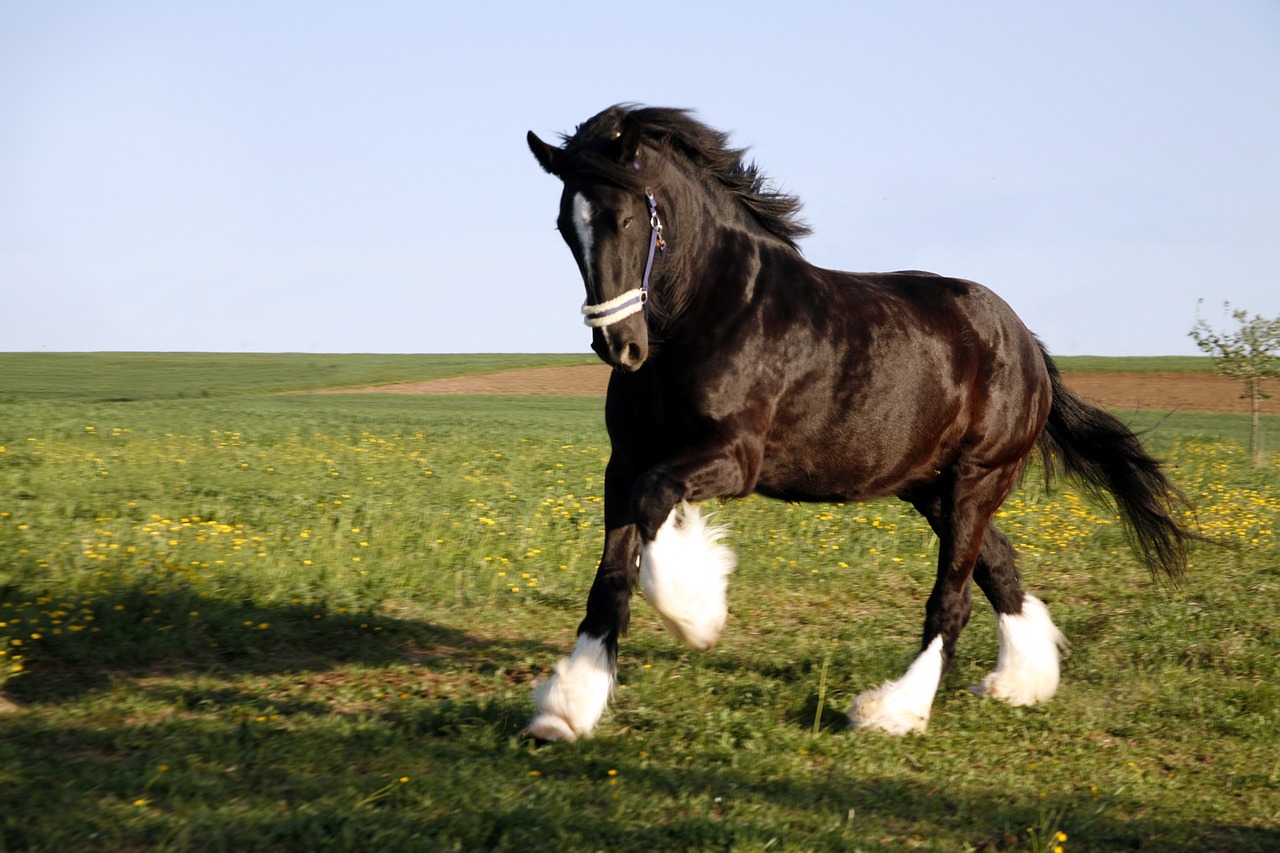
The average Shire horse costs between $5,000 up to $20,000. Yet this initial investment is just the beginning of your financial journey with these magnificent animals.
These gentle giants require 40-80 pounds of hay daily plus substantial grain portions, creating annual feed bills of $2,000-4,000. Shire horse veterinary costs and specialized farrier care add significant expenses due to their size requirements.
Plan for $400-700 monthly for basic Shire horse maintenance costs, including feed, basic veterinary care, and farrier services. The monthly cost of a Shire horse ranges from $400-$800, including feed, boarding, and routine care. These gentle giants eat significantly more than average horses, driving up monthly expenses.
Shire horse veterinary costs exceed those of average horses due to their size and specialized needs. Annual wellness exams, vaccinations, and dental care typically cost $800-1,200, while emergency calls can reach $200-400 per visit. Their substantial weight requires careful hoof care, with Shire horse farrier costs ranging from $120-200 per shoeing every 6-8 weeks.
Daily Care and Grooming Challenges
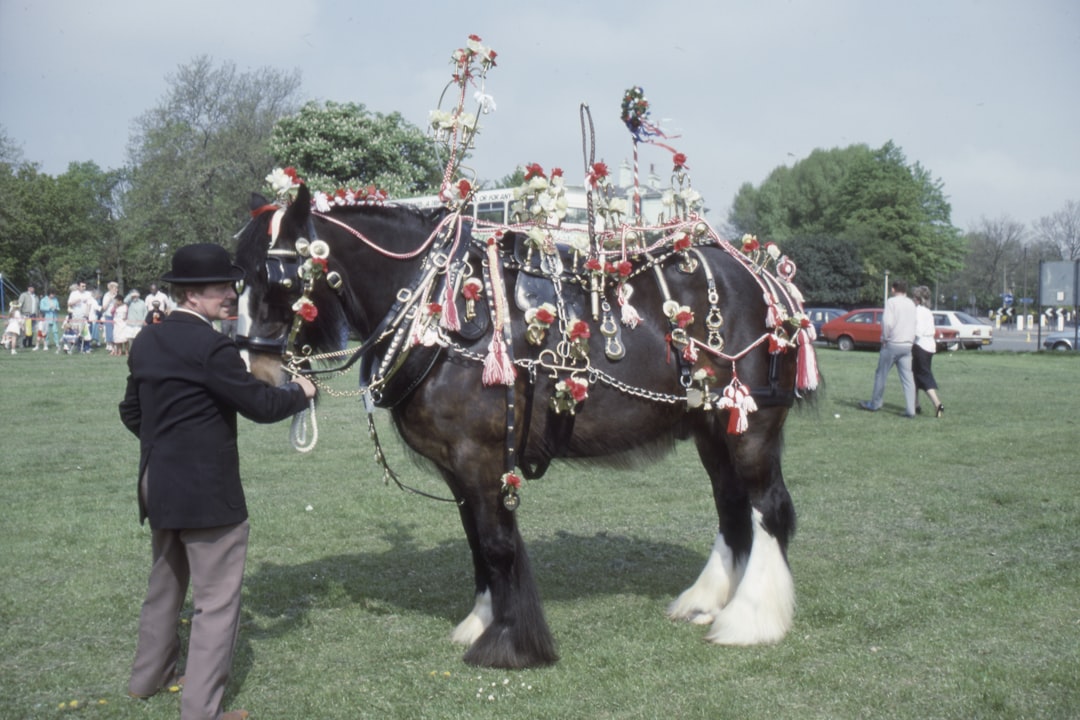
In particular, the feathering on the Shire horse’s legs requires regular brushing and cleaning to prevent irritation and infection. It’s also vital to dry the feathering completely after bathing your horse so it doesn’t become a breeding ground for bacteria and fungi.
Their thick, feathered legs need extra attention to prevent skin conditions like mud fever. Daily grooming helps remove dirt, moisture, and debris, keeping their coat and skin healthy. This beautiful feathering, while striking, can become a significant maintenance burden.
The shire’s heavily feathered legs require a great deal of upkeep to keep clean. Because of the feathering, shires often suffer from the bacterial infection colloquially known as “mud fever,” “scratches” and “dew poisoning.” While topical treatment or antibiotics can help, keeping your shire out of wet areas reduces the odds of his developing this dermatological disease.
The sheer size of these horses means that every grooming task takes longer and requires more physical effort. Simple activities like picking hooves or brushing can become quite the workout when you’re dealing with an animal that weighs 1,800-2,400 pounds.
Health Considerations and Veterinary Needs
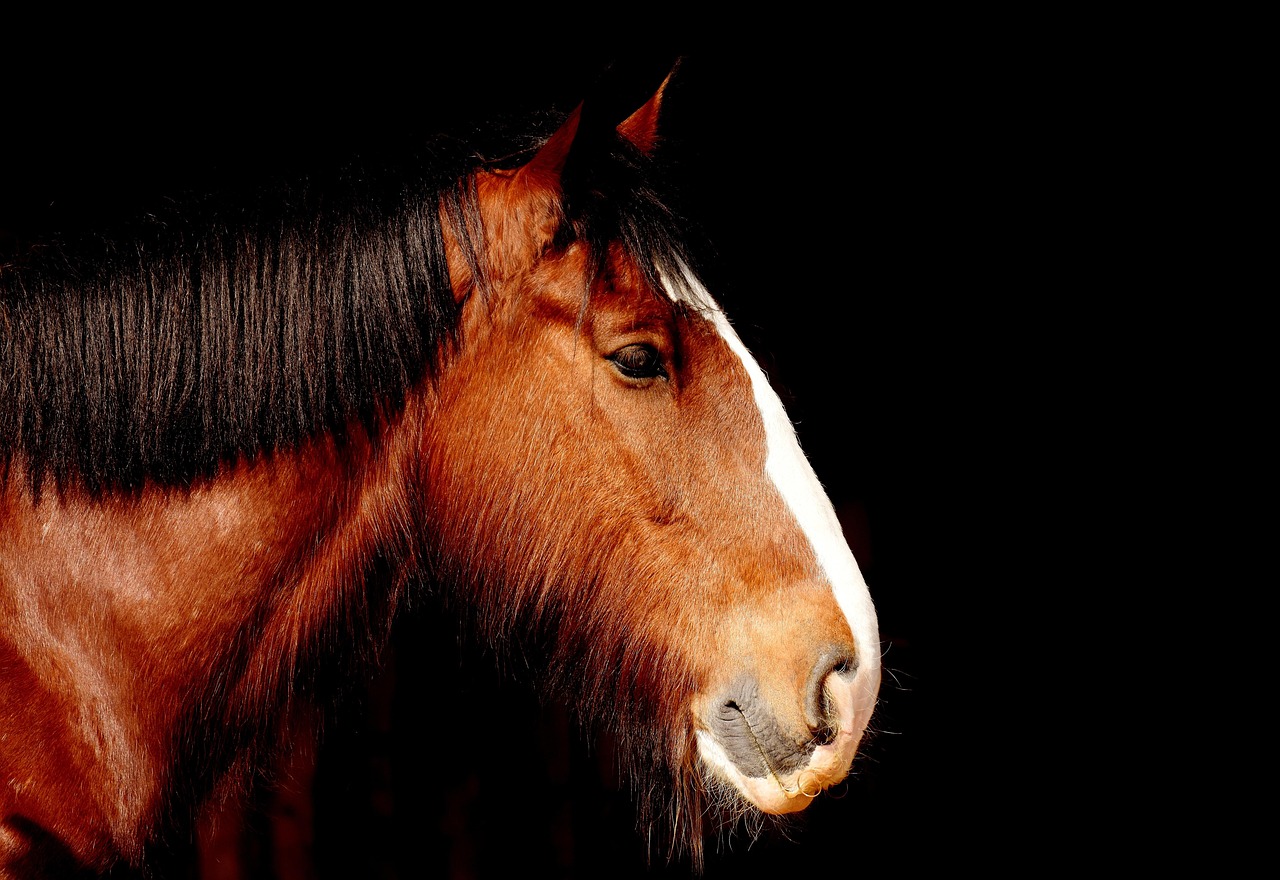
Shire horses and other draft horses tend to be healthy for the most part. But they can be prone to: Chronic progressive lymphedema. This skin condition causes the lower legs to gradually swell.
Polysaccharide storage myopathy (PSSM) is the most commonly diagnosed genetic condition in Shires and other draft breeds. This muscle disorder is characterized by abnormal glycogen accumulation in muscle tissue, which can lead to tying up in affected Shires.
Chronic Progressive Lymphedema (CPL) is a progressive swelling, hyperkeratosis, and fibrosis of the lower limbs. It is related to the syndrome in humans that causes elephantiasis. Shires, Clydesdales and Belgians are affected. This disease has also recently been found in a small number of Gypsy Vanners.
Specialized veterinary knowledge becomes crucial for draft horse ownership. Not all veterinarians have extensive experience with horses weighing 1,800-2,400 pounds, so finding qualified professionals may require traveling to specialists. This can add both inconvenience and additional costs to routine care.
Training and Handling Considerations
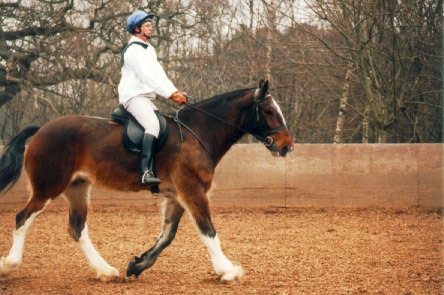
Shire horses are known for being cooperative and easy to train. Shire horses are known for being cooperative and easy to train. Use clear, consistent cues to guide them. Positive reinforcement, such as praise, treats, and scratching, encourages correct behavior.
They are also easy to train, despite their size, so they are suitable for all levels of horse owners, riders, and trainers, including beginners. In fact, shying, rearing, bucking, and spooking are rare behaviors for this breed.
However, their size presents unique safety considerations. Safety is important with any horse, but especially with one as large as the Shire. Always approach your horse from the front, move slowly and deliberately when you’re around it, and stay out of kicking range – especially when it’s nervous or upset.
While Shire horses are gentle and patient, their massive size can be intimidating for beginners. They are best suited for experienced horse owners or those willing to invest in proper training and guidance. Their gentle nature doesn’t eliminate the need for proper horsemanship skills and respect for their power.
The Rewards of Shire Companionship
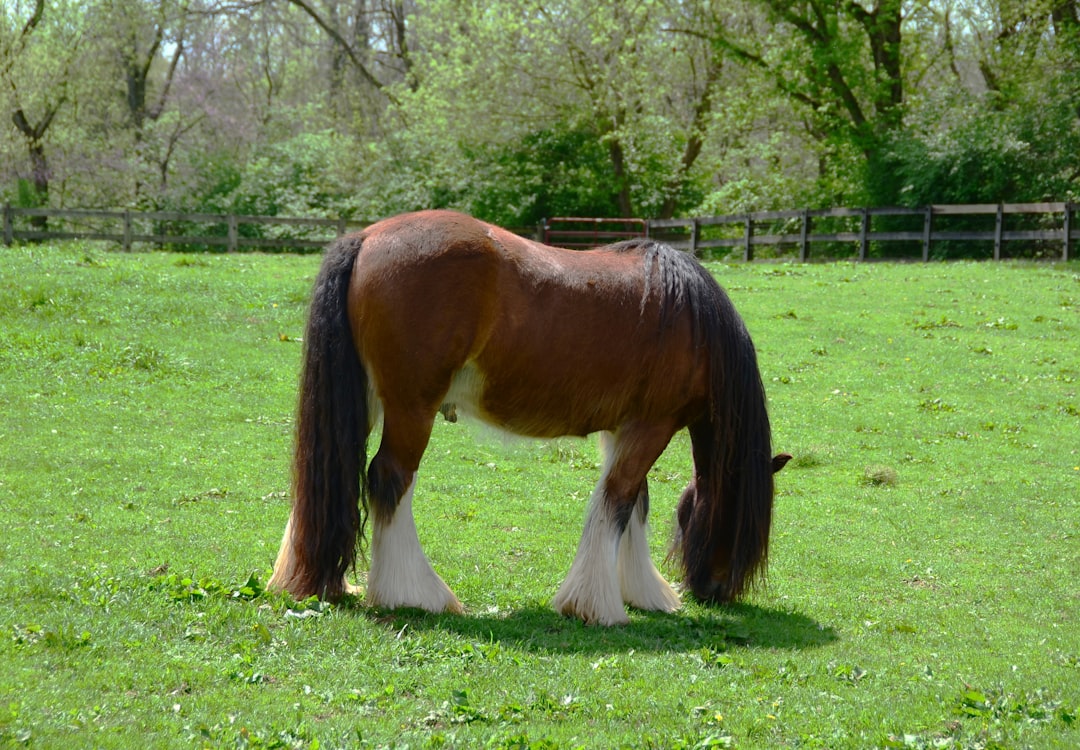
Even today, people who keep Shire horses as pets talk about how gentle yet outgoing these magnificent creatures are. They’ll happily trot along in parades for miles at a time without missing a step and some even come when you call them!
Working side by side with these gentle giants is a pleasure any horse enthusiast would enjoy since they are known to develop very strong bonds with their handlers. Their mild and compliant nature certainly adds to their popularity, making them one of the most sought-after horse breeds among experienced riders.
They are adaptable to training and make good (but very big) pets. These gentle giants make wonderful pets, and are ideal for farmers on small acreages who don’t want to buy a tractor. Their versatility extends beyond companionship – they can actually serve practical purposes on small farms.
The emotional rewards of Shire ownership are immense. Shires thrive on routine, kindness, and connection. Spend time grooming, walking, or simply being present. Isolation, stress, or poor handling can affect their health over time. When you invest in proper care, these gentle giants return your affection tenfold.
Conclusion
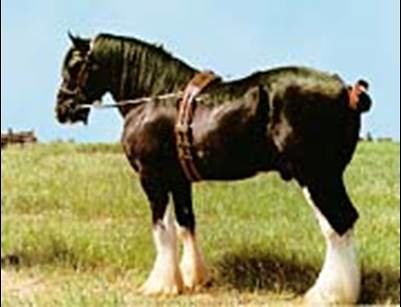
Shire horses can indeed make wonderful pets, but they’re not for everyone. These gentle giants offer unparalleled companionship and emotional rewards, with their calm temperaments and strong bonds with handlers creating truly special relationships. Their intelligence and trainability make them suitable even for some beginners, while their versatility allows them to serve both as beloved companions and practical working animals.
However, successful Shire ownership demands significant resources – financial, spatial, and time-wise. The substantial ongoing costs, specialized care requirements, and need for adequate facilities mean this decision shouldn’t be taken lightly. These magnificent creatures deserve owners who can commit to their long-term needs and provide the space, care, and attention they require.
If you have the means, experience, and dedication necessary, a Shire horse can become one of life’s most rewarding companions. Their gentle nature combined with their impressive presence creates an experience unlike any other in the equine world. What’s your gut feeling – does the magic of owning a gentle giant outweigh the challenges?


