
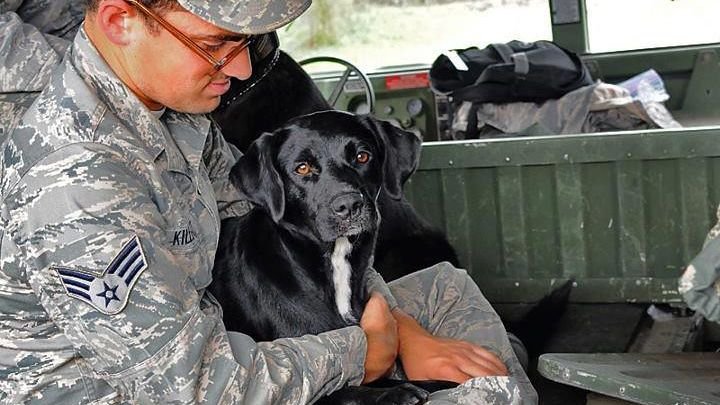
Picture this: you stand up to grab a glass of water, and within half a second, there are four paws padding behind you. You sit back down. They sit too. You go to the bathroom. Yep, they’re right there outside the door, waiting with the patience of a saint and the intensity of a bodyguard.
If that sounds familiar, you might be living with a Velcro dog. And honestly? It’s one of the most endearing, sometimes maddening, always fascinating quirks a dog can have. There’s a whole lot more going on beneath that devoted gaze than simple affection. Let’s dive in.
What Exactly Is a Velcro Dog?
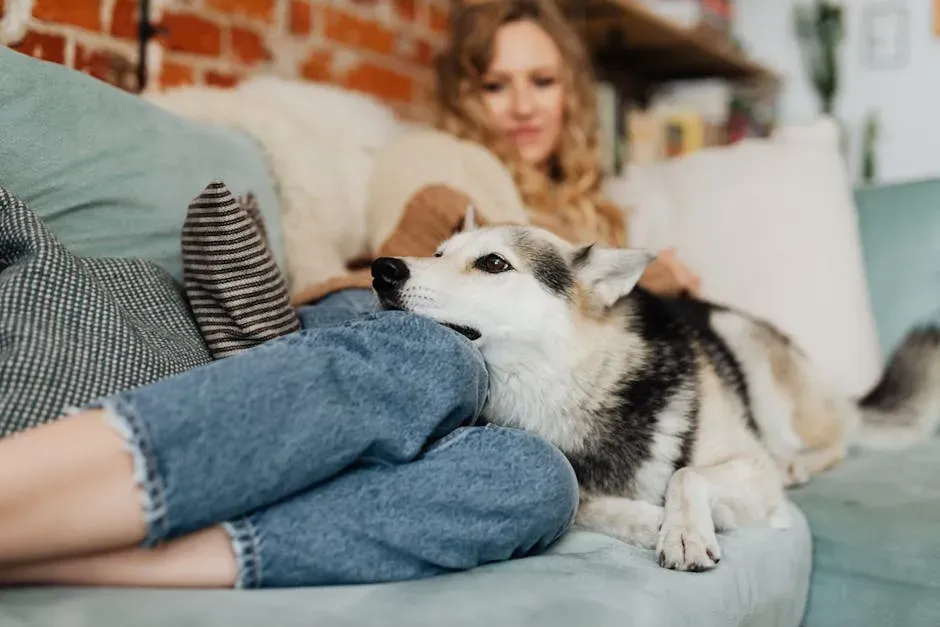
A Velcro dog is a term used to describe dogs who are overly attached and clingy with their owners. Think of it like a shadow that breathes and occasionally steals your spot on the couch. Velcro dogs usually follow their owners from room to room, refuse to leave them alone, and become anxious when separated.
The Velcro dog takes clinginess to the next level. It becomes almost a compulsion. The needy dog simply must be beside you and always have you within eyesight. It’s worth noting that this level of attachment isn’t automatically a red flag, but it is absolutely worth understanding.
Why Do Some Dogs Become Velcro Dogs?

Here’s the thing: the reasons behind Velcro behavior are surprisingly layered. Dogs may become clingy from learned behavior, anxiety, health issues, or breed and individual predisposition. It’s rarely just one thing.
If you reward your dog with attention every time they follow you or insist on snuggles, they may learn to stick to you for that reward. While this isn’t inherently bad, it can unintentionally reinforce Velcro-like behaviors. Think of it like a habit loop. Your dog discovers that staying glued to your side equals love and treats, and boom, a Velcro dog is born.
Interestingly, dogs can also become clingy if they sense our stress or anxiety. Dogs can also become clingy if you change their daily routine or make changes in the home or household. Even something as routine as switching work hours or rearranging furniture can tip a sensitive dog into overdrive.
The Breeds Most Likely to Stick Like Glue
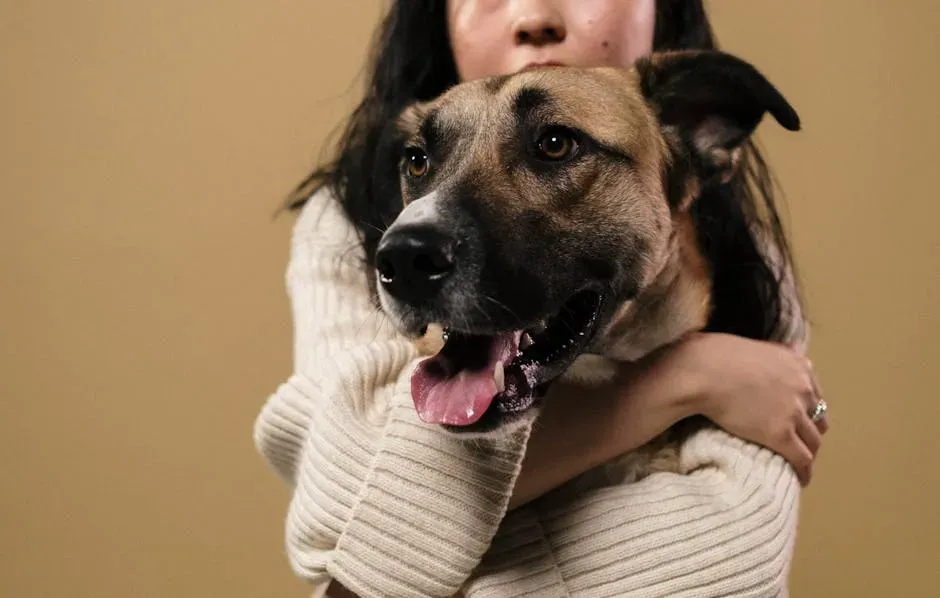
Let’s be real, some dogs are just wired for closeness. Some breeds are naturally inclined to stick close to their humans. In some cases, it is a direct result of selective breeding. For example, some working dog breeds are selectively bred to enjoy and seek the company of their owners, as it’s important they have a desire to work near and maintain interest in their owners and their activities for extended periods of time.
If there’s a poster pup for Velcro dogs, it’s the Vizsla. These hunting dogs were bred to work closely with their humans, making their attachment to their people one of their finest features. Vizslas thrive on human companionship and will happily follow you from room to room. Originally bred as lap dogs for royalty, Cavaliers are cuddle experts. If you own one, expect to share your lap, often. Sporting dogs like Vizslas, Labrador Retrievers, and Golden Retrievers have been bred to work closely with people, while companion breeds such as Shih Tzu and Cavalier King Charles Spaniels have also been selected for their desire to be close to their people.
Velcro Dog vs. Separation Anxiety: Know the Difference
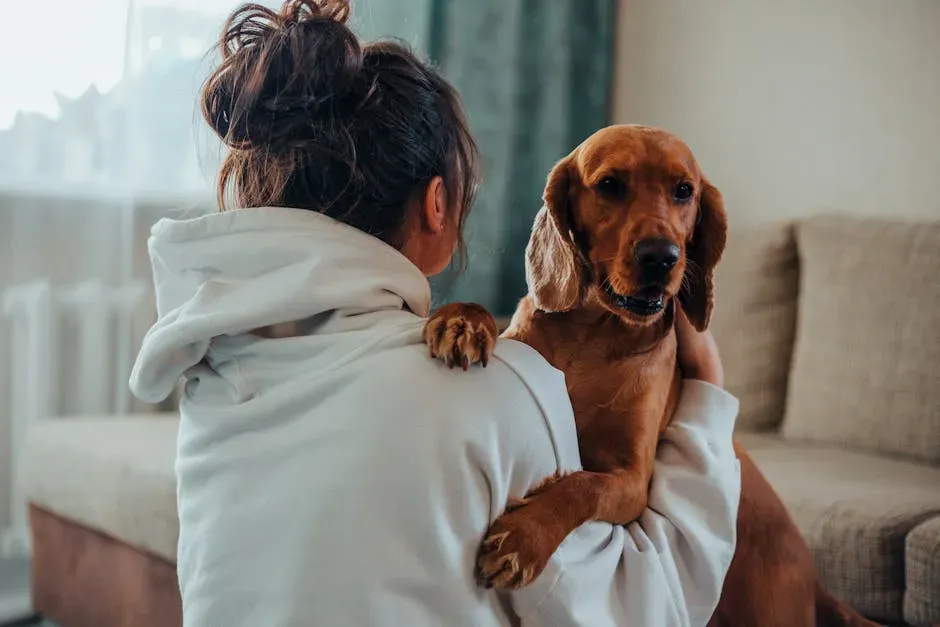
This is the part most dog parents get wrong, and honestly, the confusion is understandable. Clingy behavior is different from separation anxiety. Dogs with separation anxiety panic when their person isn’t around. Those are two very different emotional states.
A Velcro dog wants to be with you 24/7 when you’re around but typically manages well when you leave. On the other hand, if your dog is dealing with separation anxiety, they panic when you leave the house. Their stress leads to destructive behavior, potty accidents, and even self-inflicted wounds. A quick way to tell the difference? Set up a camera to monitor your dog’s actions when you’re away. If they’re napping quietly, it’s likely just Velcro tendencies. If they’re howling and destroying the sofa, that points toward genuine separation anxiety.
When Clinginess Becomes a Health Signal
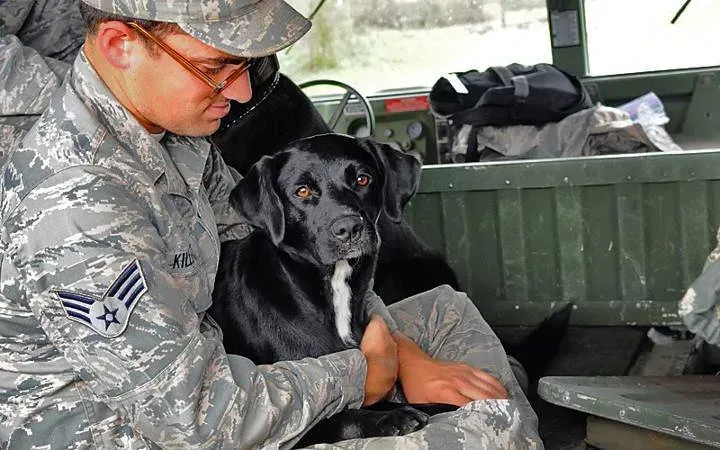
I think this is the part dog lovers most often overlook, and it’s so important. Sometimes, sudden clinginess isn’t just personality, it’s your dog telling you something is wrong. Older dogs developing cognitive dysfunction may become clingy because they’re confused or disoriented. Vision or hearing loss makes dogs more dependent on staying close to you for navigation and security. Pain and illness naturally make dogs seek comfort from their owners.
Clinginess is especially common in senior dogs, particularly when losing vision or hearing. As your dog’s world becomes less familiar, they’ll stay close to you as a source of comfort and familiarity. Always rule out medical causes before implementing behavior modification plans. Treating anxiety with training when your dog has an underlying health issue won’t solve the problem and may make things worse. When in doubt, call your vet first, always.
How to Help a Velcro Dog Build Healthy Independence
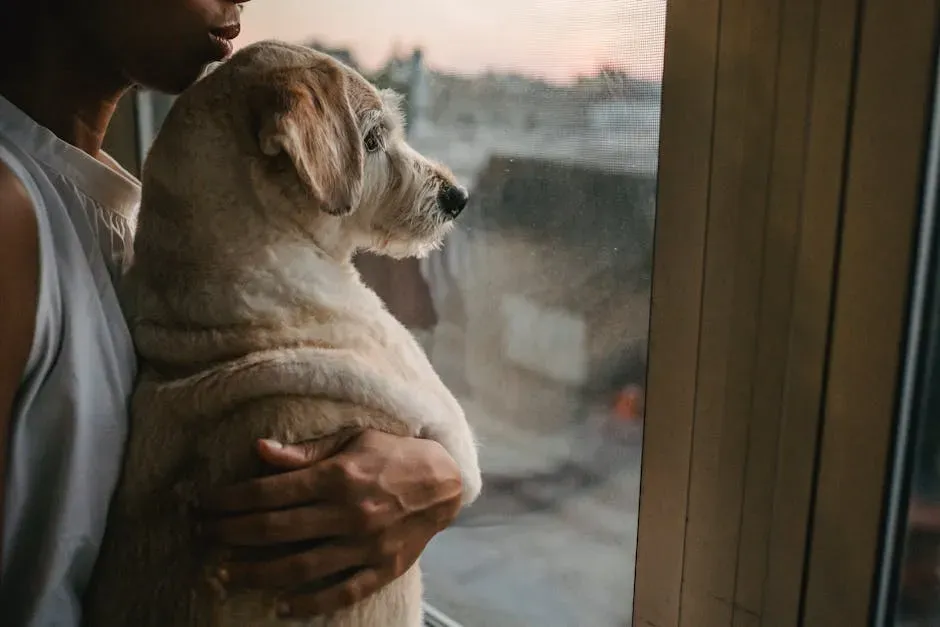
Good news: you don’t have to choose between a loving bond and a dog who can handle being in another room. If your dog panics the moment you leave the room, gradual desensitization can help. Start by stepping away for just a few seconds and slowly build up to longer absences, rewarding calm behavior. The goal is to show your dog that your departures and returns aren’t a big deal. Over time, this practice helps them feel less anxious when you’re not in sight.
Establishing boundaries, like teaching your dog to stay in a specific spot while you cook or relax, helps both of you enjoy some separation without stress. You can use positive reinforcement with plenty of toys or treats to encourage your dog to settle in a designated area, like a comfy bed or crate. Providing mental stimulation, like a treat licking mat or interactive toys, offers good ways to occupy your pup and help them self-soothe at the same time. Think of it as giving your dog their own little world to get absorbed in.
Conclusion: Love Them Close, But Help Them Grow
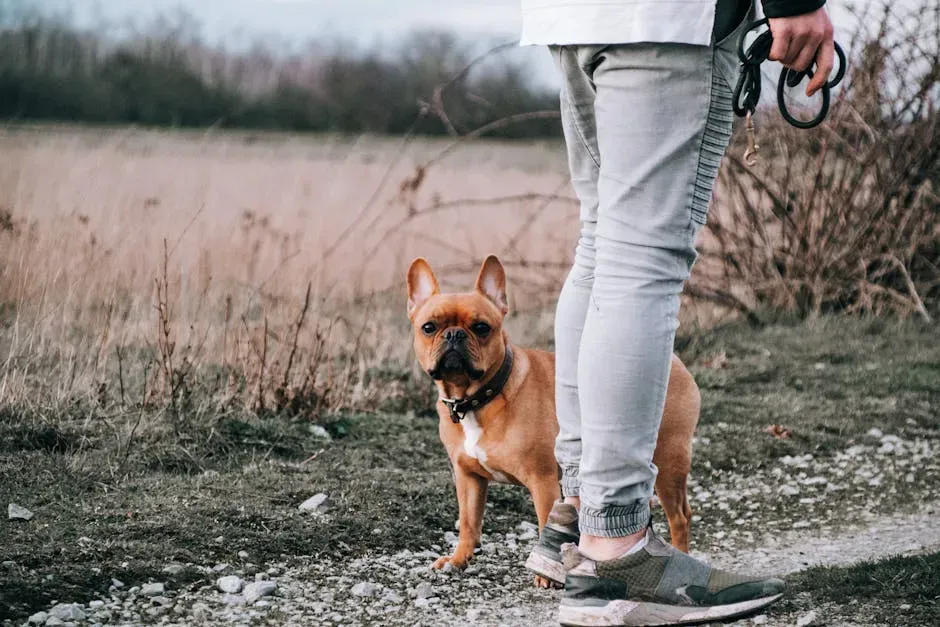
There is something deeply touching about a dog who just wants to be near you. It speaks to the purest kind of loyalty. Living with a Velcro dog can be exhausting and worrisome because they rarely leave your side and seem to completely rely on you for their emotional wellbeing. However, Velcro dogs can make wonderful companions, and it’s possible to teach them to be more self-reliant.
The goal isn’t to push your dog away. It’s to give them the emotional tools and the quiet confidence to know they’re safe, even when you’re not in the same room. Whether your dog’s attachment stems from breed tendencies, lack of socialization, past trauma, or separation anxiety, you can help them develop independence while maintaining your strong bond. The most effective approach combines gradual desensitization, confidence-building training, and creating positive associations with alone time.
Your Velcro dog loves you fiercely. Loving them back means helping them feel whole, even on their own. So tell me, does your pup follow you everywhere, and did you ever suspect there was this much going on behind those big, soulful eyes? Share your thoughts in the comments!


