

Picture this. You’re heading out for what should be a peaceful walk with your best friend. Instead, within seconds, you’re wrestling with a pulling, lunging, barking bundle of chaos. Sound familiar? You’re not alone. So many dog lovers struggle with walks that feel more like battles than bonding time. The truth is, a calm dog walk isn’t about luck or having a naturally mellow pup. It’s about understanding what your dog needs and avoiding the common mistakes that secretly sabotage your efforts.
Let’s be real, walks should be one of the highlights of your day together. They’re not just about exercise. They’re about connection, mental stimulation, and helping your dog feel safe and confident in the world. Ready to transform those stressful outings into the peaceful strolls you’ve been dreaming of? Let’s dive in.
Starting the Walk When Your Dog Is Already Overexcited
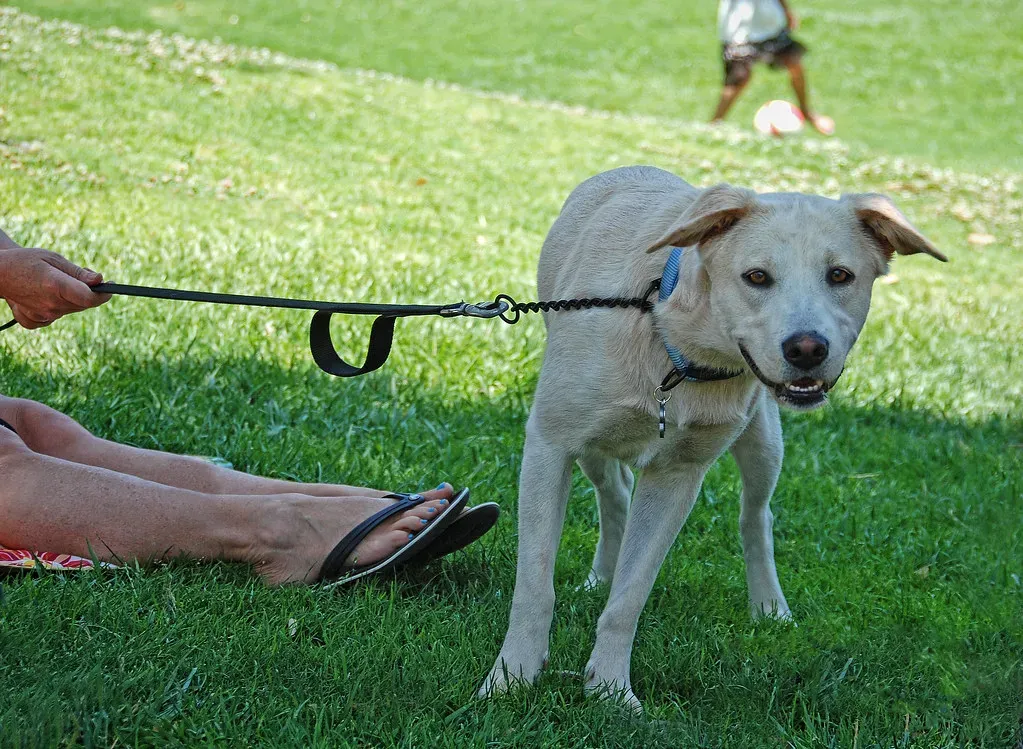
Here’s the thing. One of the biggest mistakes owners make is trying to start a walk when their dog is already bursting with excitement, which can be a recipe for disaster. Think about it. If your dog is already amped up before you even step outside, how can you expect calm behavior once you’re out there?
It’s important for dogs to learn how to contain their excitement, otherwise you’ll be taking your dog on a walk after they’re already amped up and not paying attention. To train a dog to stay calm on leash, you have to be ready to stop the process as soon as the dog shows excitement, and the best way to practice this is when you don’t need to. Try this approach: practice picking up the leash at random times without actually going for a walk. Over time, your dog will stop associating the leash with instant excitement. Provide positive reinforcement when your dog reacts calmly to the leash or ignores it completely. It might feel silly at first, but honestly, this simple trick can save you months of frustration.
Letting Your Dog Pull Without Consequences
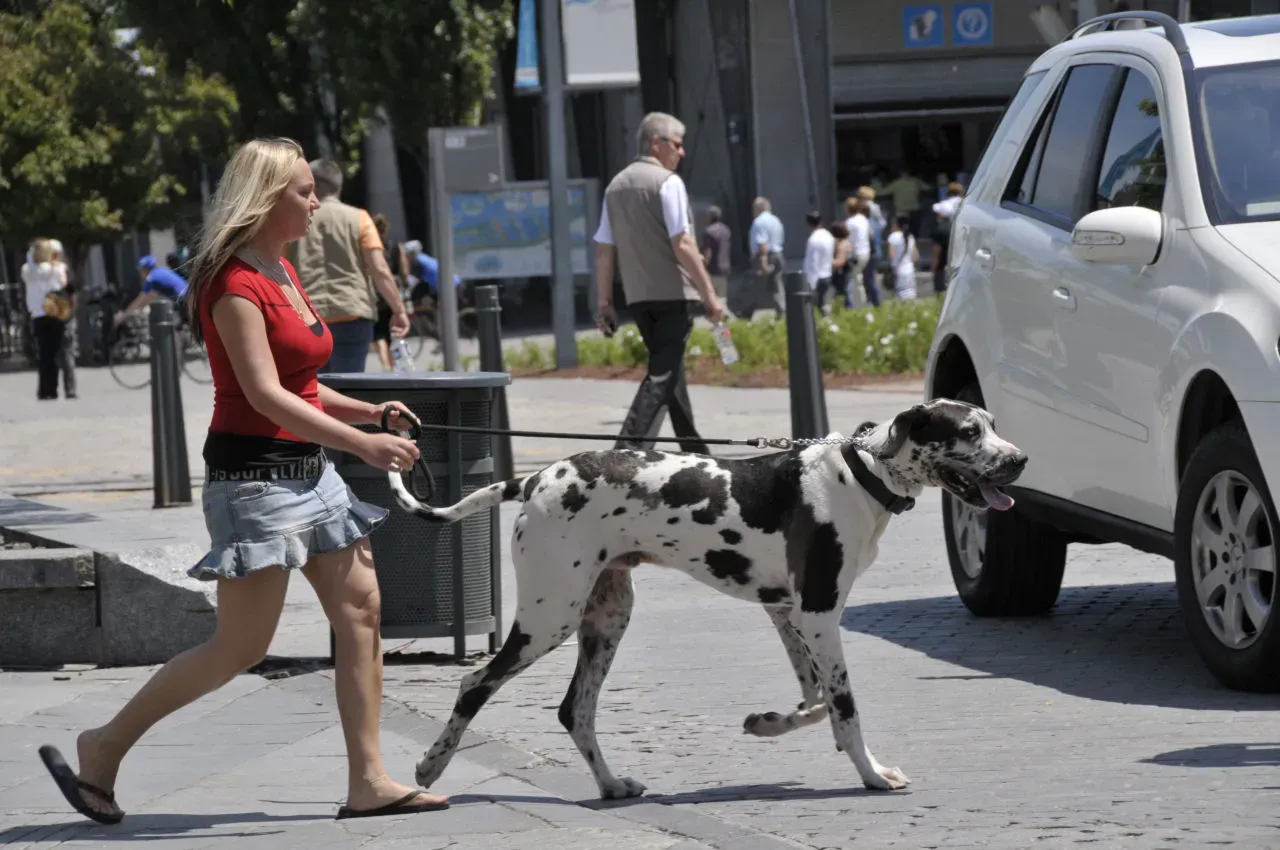
Dogs pull because it works – they pull, we follow – and before you know it, you’ve got a certified sled dog on your hands. Every time you move forward while your dog is pulling, you’re accidentally teaching them that pulling gets them where they want to go. It’s that simple.
While walking your dog, do not allow them to continue walking when they pull, and the second they do, stop the walk and keep your feet planted, then when they return to your side or loosen the tension, you may continue to walk. The secret is that a tight leash is just a symptom of an overexcited mind, and methods that focus on calming your dog’s mind and establishing you as the leader inside the house can help, because when your dog is calm and looking to you for direction, they are far less likely to charge ahead and pull. Patience is everything here. This technique takes time, but once your dog understands that pulling stops all forward progress, they’ll start to make better choices.
Missing Your Dog’s Stress Signals
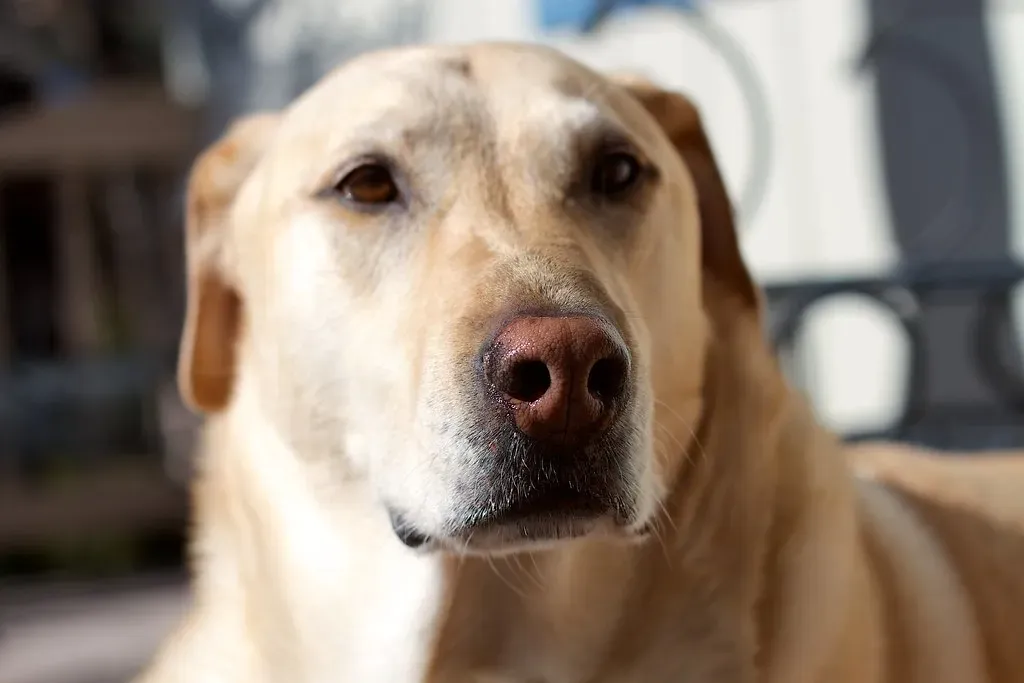
Dogs are constantly talking to us with their bodies, but we often miss the conversation. Dogs exhibiting stress signals like panting, drooling, yawning, lip licking, or avoiding eye contact while on a leash are showing signs of anxiety, and sudden changes in behavior, such as becoming overly hyperactive, fearful, or aggressive in specific situations while leashed, are red flags for leash reactivity.
I think this is one of the most overlooked aspects of dog walking. Some dogs pace when they are agitated or frightened, and some dogs walk a repeated path around the exam room while waiting. Signs include pausing, freezing or becoming still, ears pushed forward, tension in body or facial muscles, and tight, high tail wags. When you notice these signals, your dog is telling you they’re uncomfortable. The easiest way to lower the dog’s stress level is to increase the distance between the dog and the trigger, and while staying calm, turn and excitedly jog in the opposite direction of the stressor to give the dog something else to focus on. Pay attention, because your dog is literally showing you what they need.
Tensing Up on the Leash When You See a Trigger
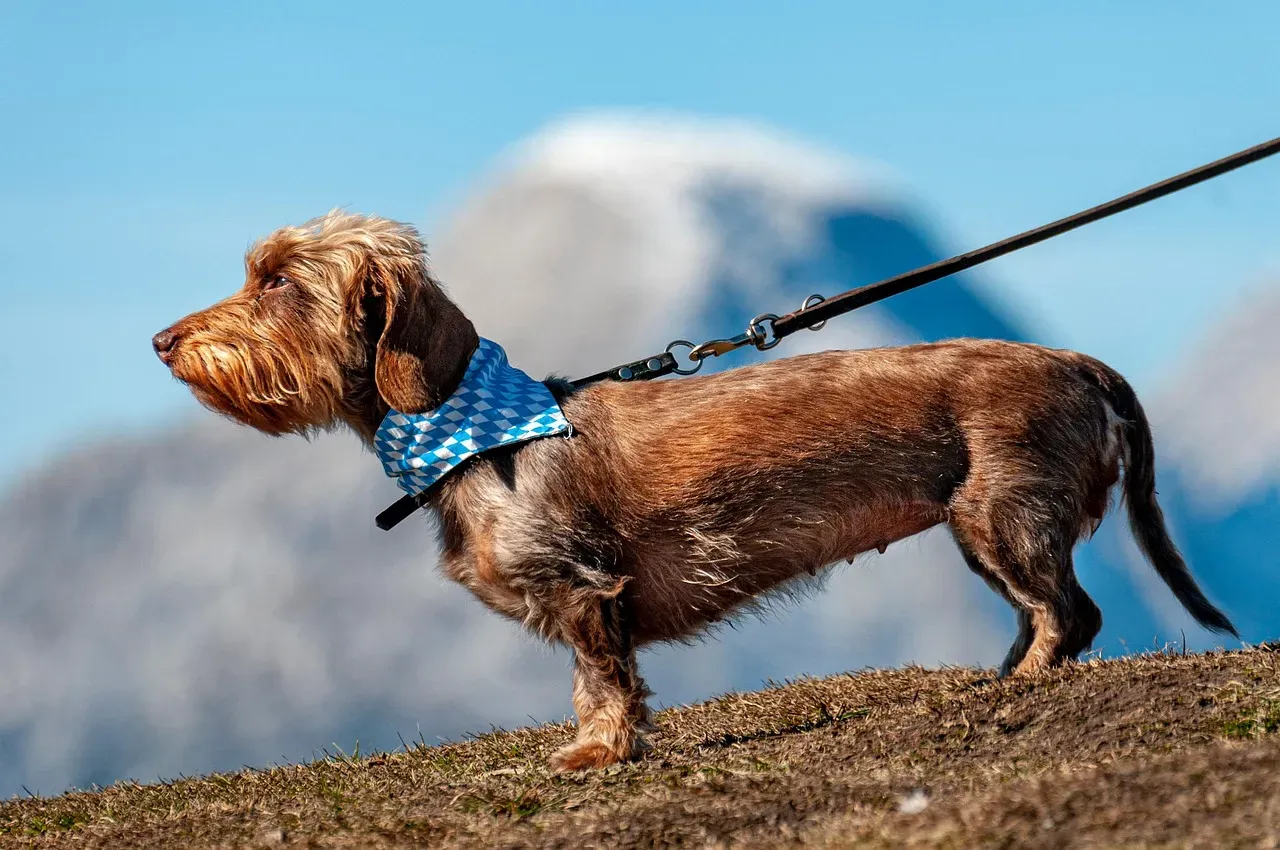
Let’s talk about something many of us do without even realizing it. Often, owners have their dogs on tight leashes, thinking this will help if anything happens, but unfortunately, a tight leash tells your dog you’re stressed, making your pup more stressed in return, and as a result, both dogs may start barking, switching from their flight instinct to fight.
Your dog is incredibly tuned in to your emotions. Your stress can be communicated to your dog via the leash, which can add to her stress, so try to keep the leash loose rather than taut, and take slow, deep and even breaths in order to help yourself feel calmer. The Jolly Routine is a training tactic that leverages the way dogs monitor our own emotions in response to their triggers, and it entails acting like a complete goofball when approaching something frightening, so instead of reacting with apprehension when you approach a trigger, you act happy – even silly, maintaining very loose body language, smiling, and talking to your dog in a silly voice. It feels awkward, I know, but it works. Your energy sets the tone for the entire walk.
Ignoring the Good Behavior
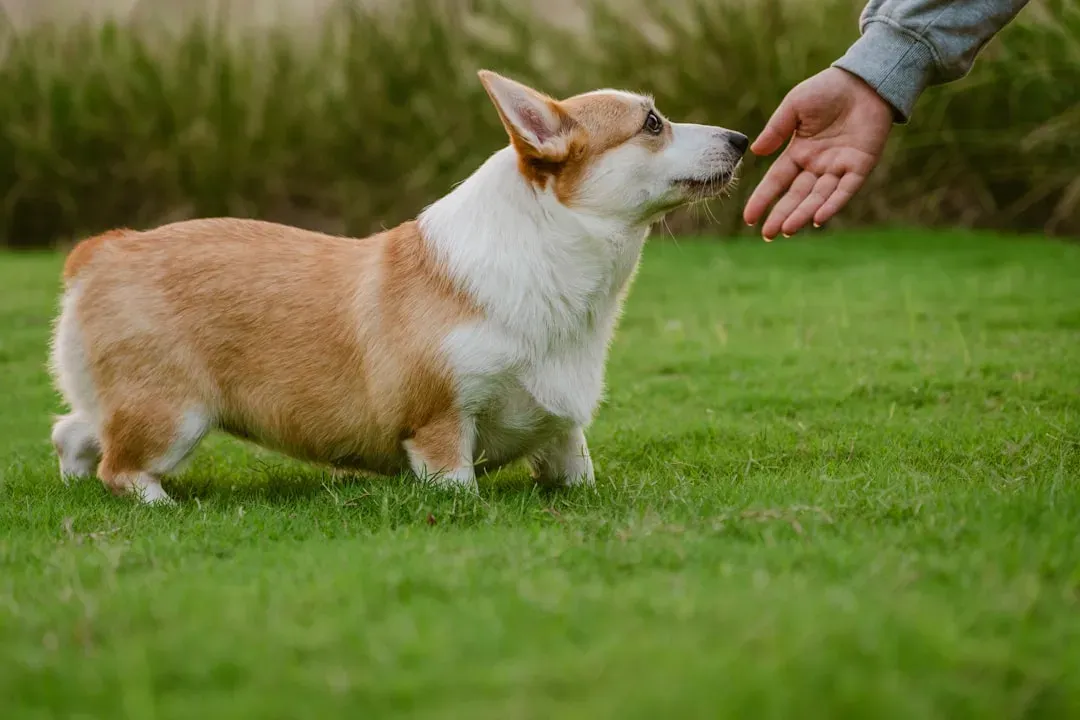
No matter how challenging your leash walks are, your dog probably does a ton of great stuff while you’re out with him, and rather than letting the positive behaviors happen without acknowledgement, tell him you appreciate even the little things, like praising him and giving him a treat when he chooses to walk close to you instead of pulling. We get so caught up in correcting problems that we forget to celebrate the wins.
Using positive reinforcement for dog walks means rewarding calm behavior encourages your dog to stay focused, and each time your dog is by your side, give a small treat or use praise to reinforce the behavior, because over time, your dog will associate staying calm with positive outcomes. Reinforcing good behavior is key to dog walking training, and when your dog walks calmly on the leash, reward them with treats, praise, or a favorite toy, because this positive reinforcement helps your dog associate walking nicely with something enjoyable, and being consistent with your rewards will encourage your dog to repeat the desired behavior. Every glance back at you, every moment they choose to walk beside you instead of lunging at a squirrel, that deserves recognition. Make those moments count.
Conclusion
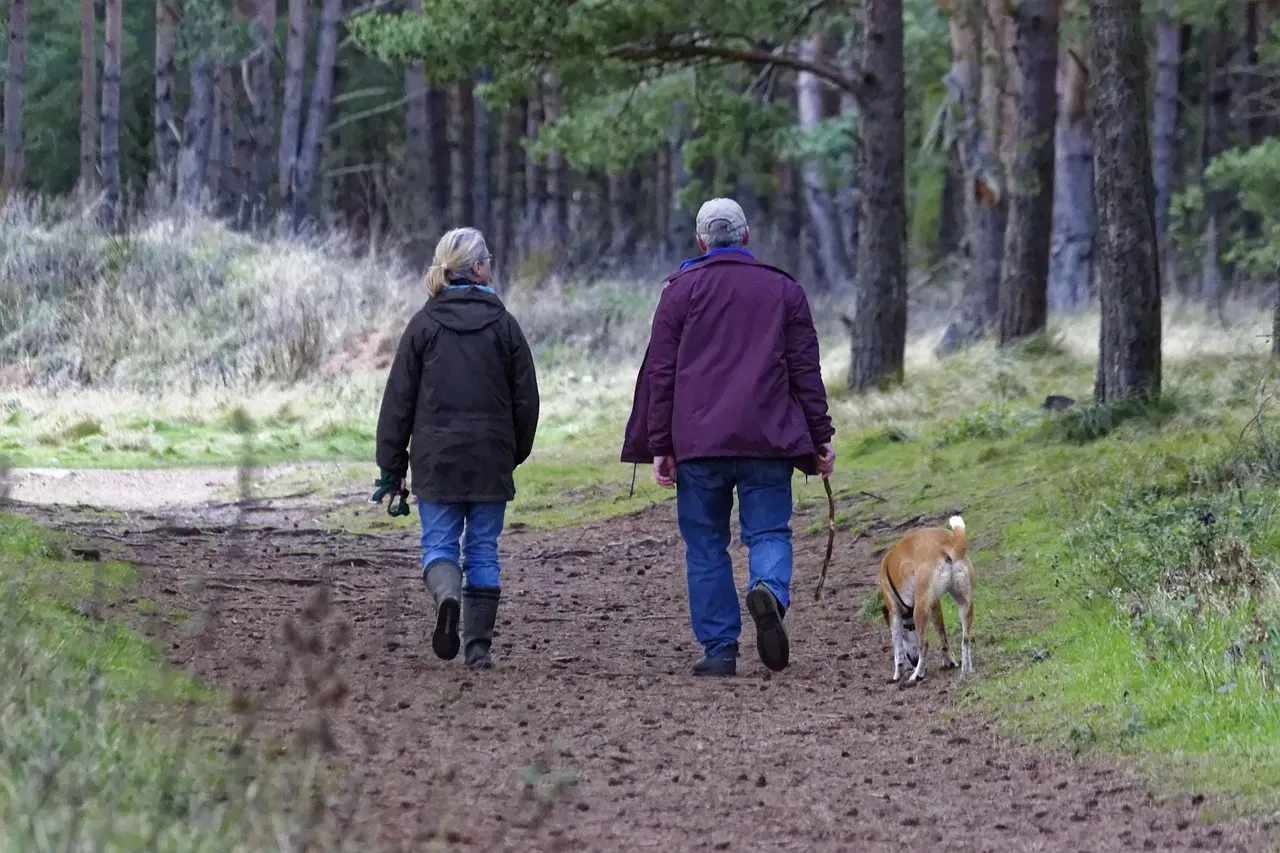
Transforming your dog walks from stressful to serene isn’t about following a magic formula. It’s about understanding your dog’s emotional state, communicating clearly through your own calm energy, and consistently rewarding the behaviors you want to see. Managing reactivity during walks requires patience, consistency, and the use of obedience, and by identifying your dog’s triggers, teaching heel and focus commands, and keeping a calm demeanor, you can help your dog learn to remain calm and controlled in stressful situations.
Remember, progress takes time. Some days will be better than others, and that’s completely normal. The most important thing is to stay patient, stay consistent, and never underestimate the power of noticing and celebrating the small victories. Your dog is trying their best to navigate a world that can feel overwhelming at times. With your support and these strategies, those chaotic walks can become the peaceful, bonding experiences you both deserve. What’s the one thing you’ll try differently on your next walk?


