

Letting your dog sleep in your bed is a topic that sparks plenty of debate among pet owners. Some love the warmth and comfort of having their furry friend snuggled up beside them, while others prefer to set clear boundaries for better sleep quality and personal space. While sharing a bed can strengthen the bond between you and your pup, it may also lead to disrupted sleep or behavioral issues if not managed properly. On the other hand, providing a separate sleeping area can help establish structure and independence. Ultimately, the best choice depends on your lifestyle, your dog’s temperament, and what makes both of you happiest!
The Age-Old Debate Among Dog Owners

For many dog owners, the question of whether to let their furry friends sleep in bed or enforce boundaries is more than just a passing thought. It’s a topic that often divides households and sparks debates among pet lovers. On one hand, having your dog snuggle up with you can provide warmth and comfort. On the other, some argue that it can disrupt sleep and create behavioral issues. This decision often boils down to personal preference, lifestyle, and the unique bond between owner and pet.
The Comfort and Security of Sharing a Bed
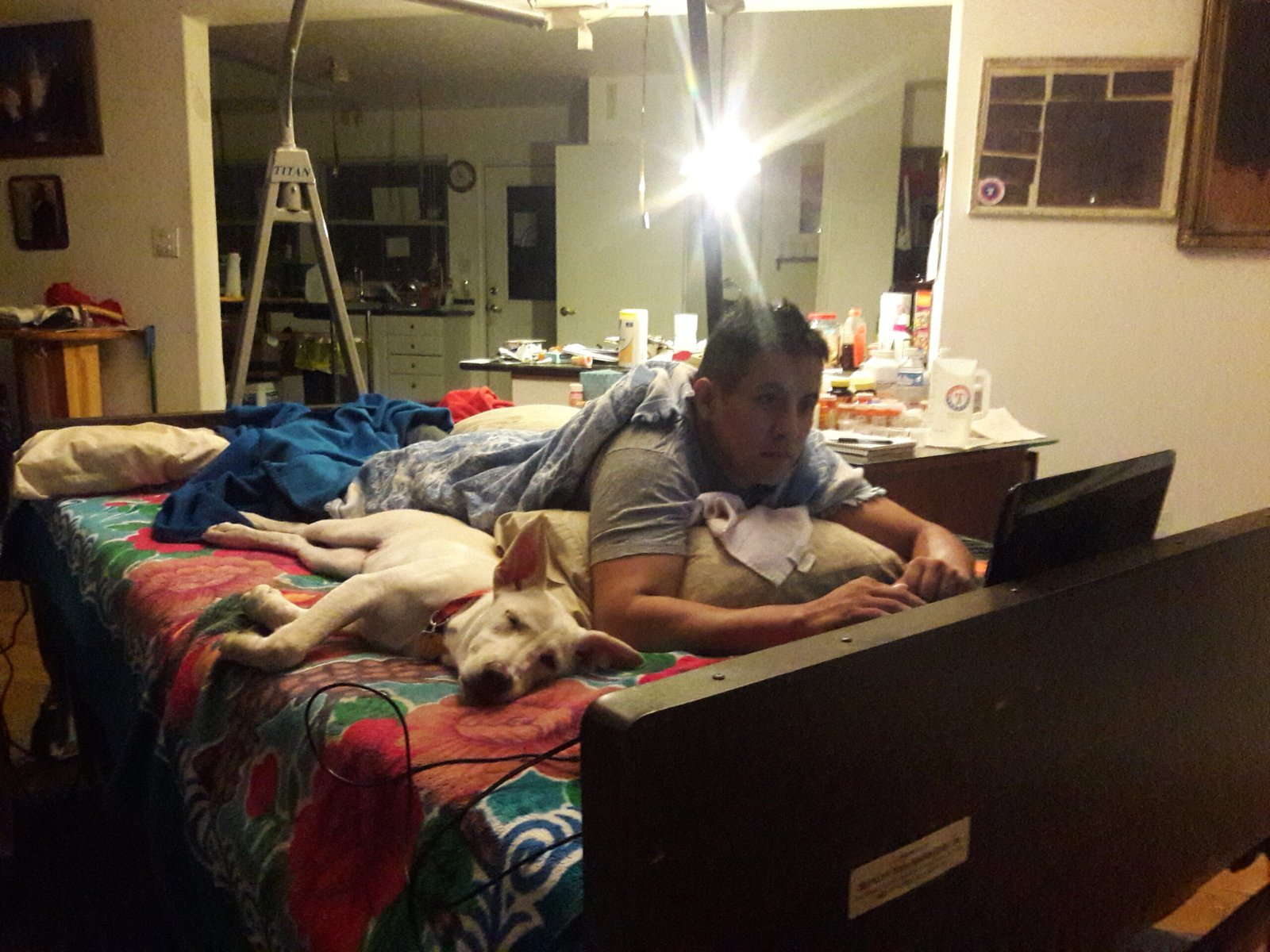
There’s something undeniably comforting about having your dog sleep beside you. Many people find the rhythmic breathing of their canine companions soothing, almost like a natural lullaby. It’s akin to the comfort a child finds in a beloved stuffed animal. Dogs, too, find security in sleeping close to their owners. This co-sleeping arrangement can strengthen the bond between you and your pet, making them feel more like a part of the family.
Potential Disruptions to Sleep

While the idea of co-sleeping with your dog sounds idyllic, it’s not without its challenges. Dogs, like humans, can be restless sleepers. They might snore, dream, or even hog the bed, leaving you clinging to the edge. For those who are light sleepers, a dog’s nighttime movements can be disruptive. It’s a bit like sharing a bed with a toddler who never quite stays in one spot. For some, the promise of uninterrupted sleep is reason enough to keep boundaries firm.
Health Considerations for Co-Sleeping

Health is another factor to consider when deciding whether to let your dog sleep in bed. Some people may have allergies to pet dander, which can exacerbate symptoms if the dog is in close proximity during sleep. Additionally, dogs that spend time outdoors can bring in dirt, pollen, or even fleas. It’s similar to letting someone walk through the house with muddy shoes. Ensuring your dog is clean and healthy can mitigate some of these concerns.
Understanding Your Dog’s Behavior

Before making a decision, it’s essential to understand your dog’s behavior and needs. Some dogs are naturally more independent and may prefer their own space. Others are more clingy and thrive on constant companionship. Observing your dog’s behavior can provide clues about what arrangement might be best. Think of it as learning to read the subtle cues of a dance partner—each step and movement tells a story.
Training and Boundaries

Setting boundaries doesn’t mean you love your dog any less. In fact, it can help reinforce training and establish a routine. Dogs are creatures of habit and thrive on predictability. By setting clear boundaries, you can help your dog understand what’s expected of them. For instance, teaching them to sleep in their own bed might be a challenge at first, but with consistency, it can become second nature.
Personal Preferences and Lifestyle

Ultimately, the decision of whether to let your dog sleep in bed is a personal one. It often depends on your lifestyle, sleeping habits, and how much you value personal space. Some people cherish the idea of a cozy bed shared with their pet, while others prioritize a good night’s sleep. It’s important to consider what works best for you and your household, much like deciding on the perfect mattress or pillow.
Weighing the Pros and Cons

When weighing the pros and cons, it’s helpful to make a list of what matters most to you. For some, the emotional benefits of sharing a bed with their dog outweigh the potential downsides. For others, maintaining boundaries is essential for a peaceful home life. Much like any significant decision, weighing the pros and cons can provide clarity and help you make an informed choice.
Creating a Comfortable Space for Your Dog

If you decide against co-sleeping, it’s important to create a comfortable sleeping space for your dog. This could be a cozy dog bed or a designated spot in your room. Think of it as designing a special nook just for them, ensuring they feel loved and secure even without sharing your bed. Providing them with a comfortable space can also help ease any transition if they’re used to sleeping with you.
The Final Decision

In the end, whether you let your dog sleep in bed or keep boundaries firm is a decision only you can make. It’s about finding the right balance for your family and ensuring both you and your dog are happy and healthy. Remember, there’s no right or wrong answer—just what’s best for you and your furry friend.
Whether you let your dog snuggle in bed or set firm boundaries, the key is finding what works best for both of you. Every dog-owner relationship is unique, and as long as your pup is happy and well-adjusted, there’s no wrong choice. At the end of the day, it’s all about creating a comfortable and loving environment—whether that includes sharing your bed or not!


