
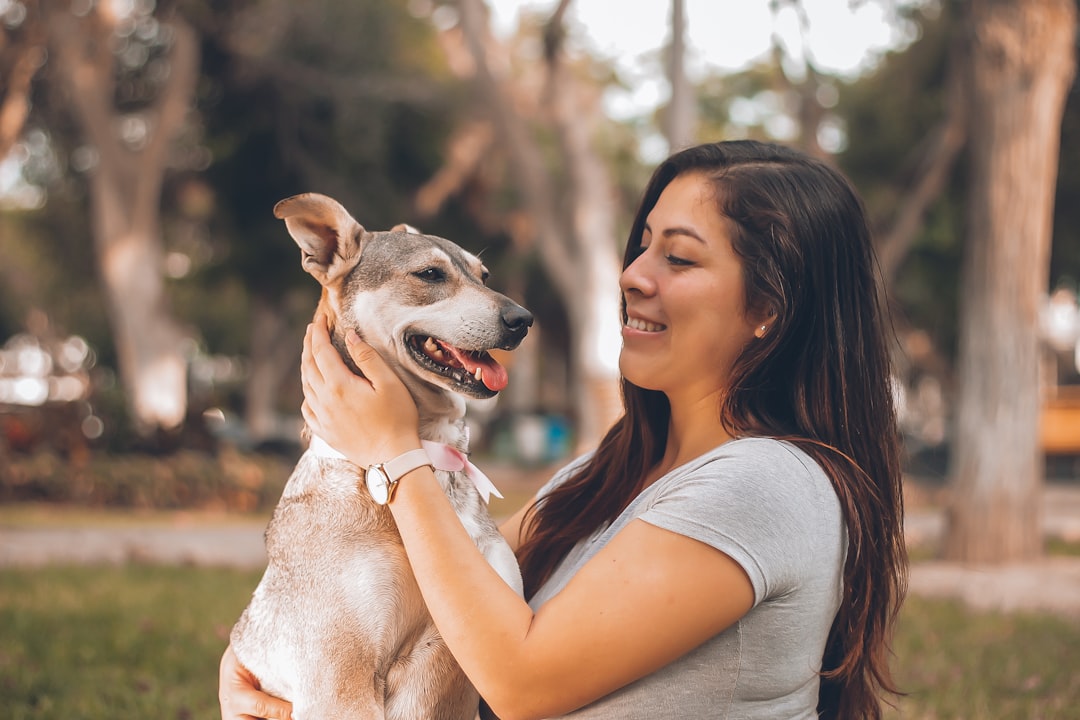
Have you ever noticed your dog curling up beside you when you’re feeling sad or bouncing around with excitement when you’re happy? It almost feels like our furry companions are tuned into our every mood. This uncanny connection isn’t just in your head—dogs might actually sense, reflect, and respond to our emotional ups and downs. The bond between humans and their canine friends is full of surprising depth, and science is just beginning to unravel the mysteries behind how our moods might ripple through our pets. If you’ve ever wondered whether your dog is riding the emotional rollercoaster with you, get ready for some eye-opening discoveries that will make you look at your pup in a whole new light.
The Science Behind Canine Emotional Intelligence

Ever notice your dog seeming extra calm when you’re relaxed—or tense when you’re upset? You’re not imagining it. Dogs are remarkably attuned to human emotions, often picking up on subtle cues in our behavior, tone, and energy. But can they actually mimic our mood swings?
Canine emotional intelligence is a fascinating area that scientists are exploring with increasing curiosity. Dogs have evolved alongside humans for thousands of years, and this close relationship has shaped their ability to interpret and respond to human emotions. Researchers have found that dogs are capable of recognizing a range of human expressions, from joy to anger. Through brain scans, scientists have even observed activity in areas of a dog’s brain similar to those used by humans to process emotions. This means that when your dog looks into your eyes, they might actually be trying to read your emotional state. The more time dogs spend with their owners, the better they become at picking up subtle cues. It’s not just about voice tone or facial expressions—dogs can detect changes in body language and even scent. This complex web of communication forms the foundation of their emotional intelligence and hints at just how deeply they understand us.
How Dogs Sense Human Emotions

Dogs are equipped with an incredible sense of smell, which allows them to pick up on chemical changes that occur in our bodies when we experience different emotions. For example, stress can cause us to sweat more or release certain hormones, and dogs can detect these shifts. Along with scent, dogs are experts at observing body language. A tense posture, a smile, or even the way we walk can give away a lot about how we’re feeling. Dogs combine all of these clues to get a read on our mood. Over time, they learn to associate certain behaviors or scents with particular emotions. Some dogs even become so attuned to their owners that they respond before we’re fully aware of how we feel ourselves. This remarkable sensitivity isn’t just a coincidence—it’s a result of evolution and the powerful bond we share with our canine companions.
Do Dogs Mirror Our Mood Swings?

It’s not just our imagination—dogs really do seem to mirror our moods. Studies have shown that dogs living with anxious or stressed owners often display similar behaviors, such as restlessness or nervousness. When we’re happy and relaxed, our dogs tend to be playful and calm as well. This isn’t limited to obvious emotions; even subtle mood swings can affect our pets. The phenomenon is sometimes referred to as “emotional contagion,” where one individual’s feelings ripple out to those around them. In multi-dog households, this effect can even spread among the dogs themselves, creating a shared emotional environment. If you’ve ever come home after a tough day and noticed your dog acting subdued, or if you’ve laughed out loud and seen your dog wagging their tail, you’ve experienced this mirroring firsthand. It’s a testament to the deep bond and empathy that dogs are capable of.
Body Language: The Silent Connection

Dogs are masters at reading our body language, often picking up on signals that we don’t even realize we’re giving off. A slouched posture, crossed arms, or a furrowed brow can all communicate sadness or frustration. Conversely, open arms, relaxed shoulders, and a big smile signal happiness and invite play. Dogs respond to these nonverbal cues almost instantly. For example, if you sit on the floor with your head in your hands, your dog might approach slowly, nudge you, or rest their head on your lap. If you’re excited and clapping, your dog might jump in circles or wag their tail furiously. This silent conversation happens every day, creating a constant feedback loop between you and your pet. The more you become aware of your own body language, the more you’ll notice how your dog reacts to it.
The Role of Tone and Voice

Beyond body language, the tone of your voice plays a huge role in how your dog perceives your mood. Dogs are incredibly sensitive to the pitch, volume, and rhythm of our speech. A calm, soothing voice can reassure a nervous dog, while a loud or harsh tone might make them anxious. Even when they don’t understand the exact words, dogs pick up on the emotional content of our speech. Many dog owners find that their pets respond to “baby talk” or sing-song voices with extra enthusiasm. On the flip side, if you raise your voice in anger or frustration, your dog may cower or retreat. This sensitivity is a powerful tool for communication, allowing us to comfort or energize our dogs simply by changing our tone. It’s a reminder that every word we speak carries emotional weight, and our furry friends are always listening.
Stress and Anxiety Transfer: Fact or Fiction?

The idea that our stress and anxiety can transfer to our dogs is both intriguing and a little unsettling. Recent studies suggest that it’s more fact than fiction. When we’re stressed, our bodies release hormones like cortisol, which dogs can detect through scent and behavior. Dogs exposed to chronic stress at home may start to show signs themselves, such as barking, pacing, or destructive behavior. Some experts even believe that dogs living with highly anxious owners are at greater risk for developing anxiety disorders of their own. However, it’s not all doom and gloom. The flip side is true as well—relaxed, happy owners often have calm, confident dogs. This transfer of emotions is a two-way street, and by managing our own stress, we can help create a peaceful environment for our pets.
Empathy: Are Dogs Capable of True Compassion?
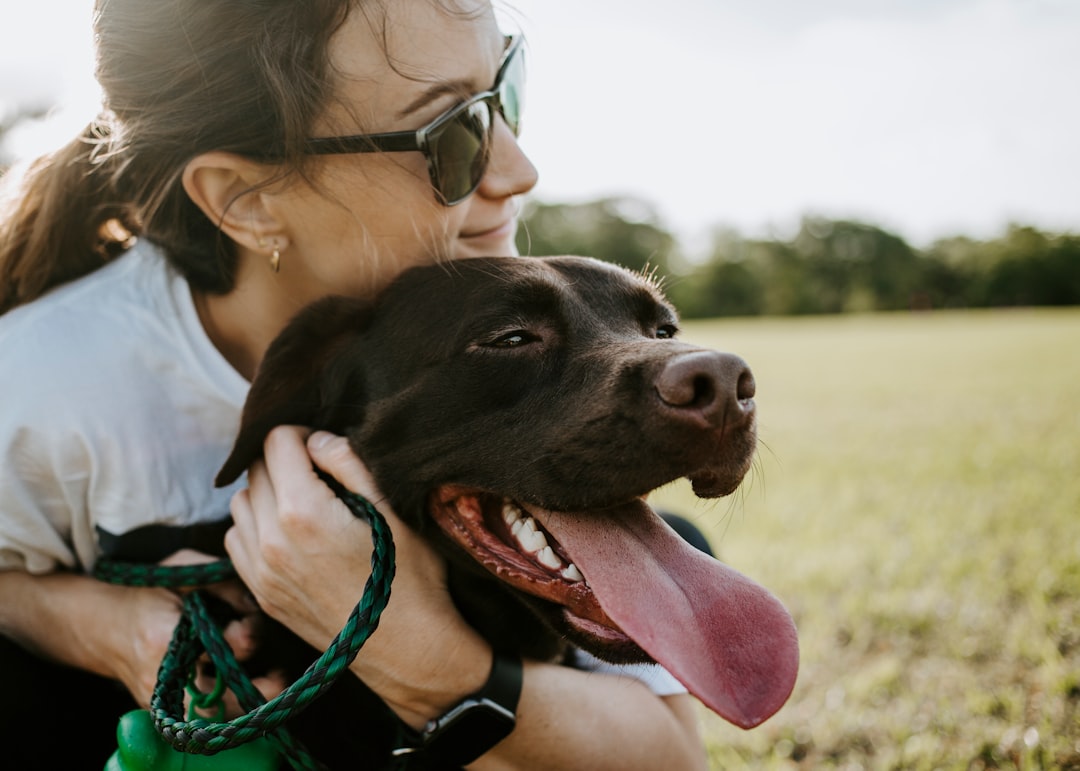
Many dog lovers swear that their pets comfort them during tough times, but are dogs really capable of empathy? While it’s hard to know exactly what goes on in a dog’s mind, research points to a surprising level of emotional awareness. Dogs have been observed responding to human tears with comforting behaviors, such as nuzzling or licking. In some cases, dogs even approach strangers in distress, suggesting that their caring instincts aren’t limited to their immediate family. This ability to sense and respond to emotions is often likened to human empathy, though it may not be as complex or intentional. Still, the comforting presence of a dog during sad or stressful moments feels remarkably genuine. Whether it’s true compassion or a learned response, one thing is clear: dogs have an extraordinary ability to make us feel understood and supported.
Training and Socialization: Shaping Emotional Responses

The way a dog is raised can play a big role in how they respond to human emotions. Puppies that are exposed to a variety of people, sounds, and situations tend to be more adaptable and emotionally resilient. Training methods also matter—a dog raised in a positive, encouraging environment is more likely to respond calmly to mood swings, while one raised with harsh discipline might become fearful or anxious. Socialization teaches dogs how to navigate the complex world of human emotions. For example, therapy dogs undergo special training to remain calm in stressful environments, helping them provide comfort to those in need. Every interaction you have with your dog shapes their emotional intelligence, for better or worse. That’s why patience, kindness, and consistency are so important in a dog’s upbringing.
Can Dogs Help Improve Our Own Emotional Health?

It’s not just a one-way street—dogs can have a profound effect on our own emotional well-being. Countless studies have shown that spending time with a dog can lower blood pressure, reduce stress, and boost feelings of happiness. The simple act of petting a dog releases oxytocin, the “love hormone,” in both humans and dogs. Dogs encourage us to be more active, social, and mindful, which can help ward off depression and anxiety. Their unconditional love and nonjudgmental presence offer comfort during tough times. For people living alone or dealing with emotional challenges, a dog can be a lifeline. The emotional support dogs provide isn’t just a warm feeling—it’s backed by real science and countless personal stories.
Recognizing and Supporting Your Dog’s Emotional Needs
Just as dogs respond to our moods, they have emotional needs of their own. It’s important for owners to recognize signs of stress, anxiety, or sadness in their pets. Changes in appetite, sleep patterns, or behavior can all signal that something is wrong. Offering comfort, routine, and positive reinforcement helps dogs feel secure and loved. Playtime, walks, and gentle affection go a long way in supporting their mental health. If your dog seems persistently anxious or withdrawn, it might be time to consult a veterinarian or animal behaviorist. Understanding and supporting your dog’s emotional well-being is a key part of the bond you share. When both you and your dog feel happy and secure, life together becomes even more rewarding.
Understanding how dogs reflect our emotional states reveals just how deep the bond between humans and canines can be. Whether your dog mirrors your joy, stress, or sadness, their behavior is often a heartfelt response to your energy and mood. By becoming more aware of your own emotional cues and maintaining a stable, positive environment, you not only help your dog feel secure but also strengthen the trust and connection you share. Emotional intelligence isn’t just a human trait—it’s something your dog may be showing you every day.


