
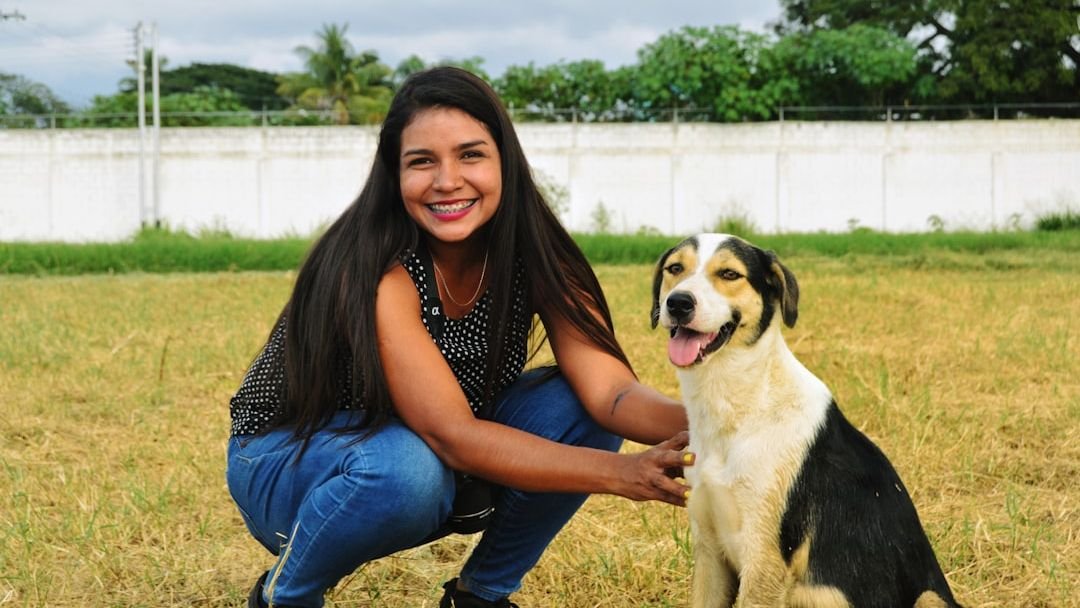
You know that little sting you feel when your dog leaps off the couch the second your partner walks through the door, but barely glances up when you return home? Or maybe you’ve noticed your pup always seems to curl up next to them on movie night, leaving you with the cold side of the bed. If this sounds familiar, you’re not alone in wondering whether your furry best friend has been playing favorites all along.
The truth is, dogs absolutely can and do develop preferences for certain people. It’s not personal, really. It’s just how they’re wired. Think of it this way: dogs are like emotional sponges, soaking up every interaction, every routine, every vibe you give off. They form attachments based on who meets their needs, who makes them feel safest, and honestly, who’s just the most fun to be around. Let’s dive into the fascinating ways you can tell if your dog has chosen your partner as their number one, and more importantly, what you can do about it.
The Follow Game: Who Gets the Shadow Treatment?
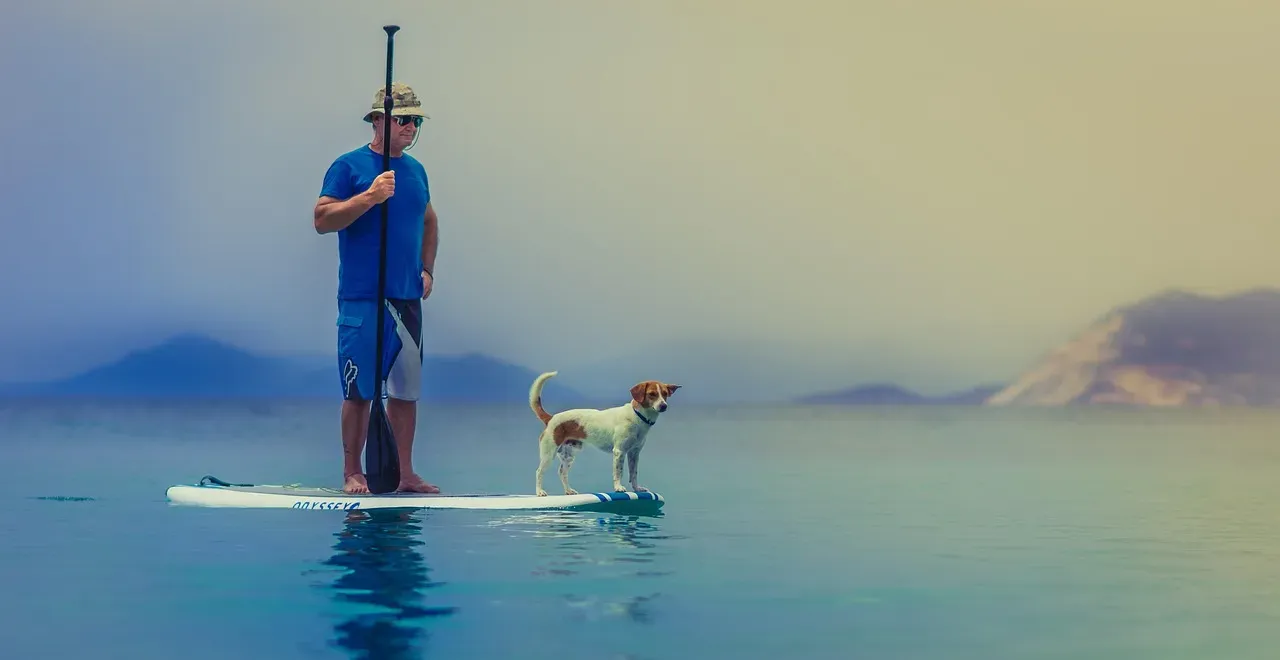
One of the clearest signs your dog prefers your partner is the shadow behavior. Dogs repeatedly seek out the person they adore, remaining near them much of the time, often leaning against or sitting near their chosen human as a way to show trust. If your partner can’t even go to the bathroom without a furry escort while you’re left sitting alone on the couch, that’s a pretty strong indication of where your dog’s loyalty lies.
Your dog will follow you everywhere if they have bonded with you the most, as this is part of canine imprinting behavior and happens with the person a dog spends the most time with as puppies. Pay attention to who your dog gravitates toward during everyday moments. Do they position themselves closer to your partner during dinner? Do they watch them intently as they move from room to room? These subtle tracking behaviors reveal their emotional priorities.
The Greeting Test: Whose Return Sparks Joy?
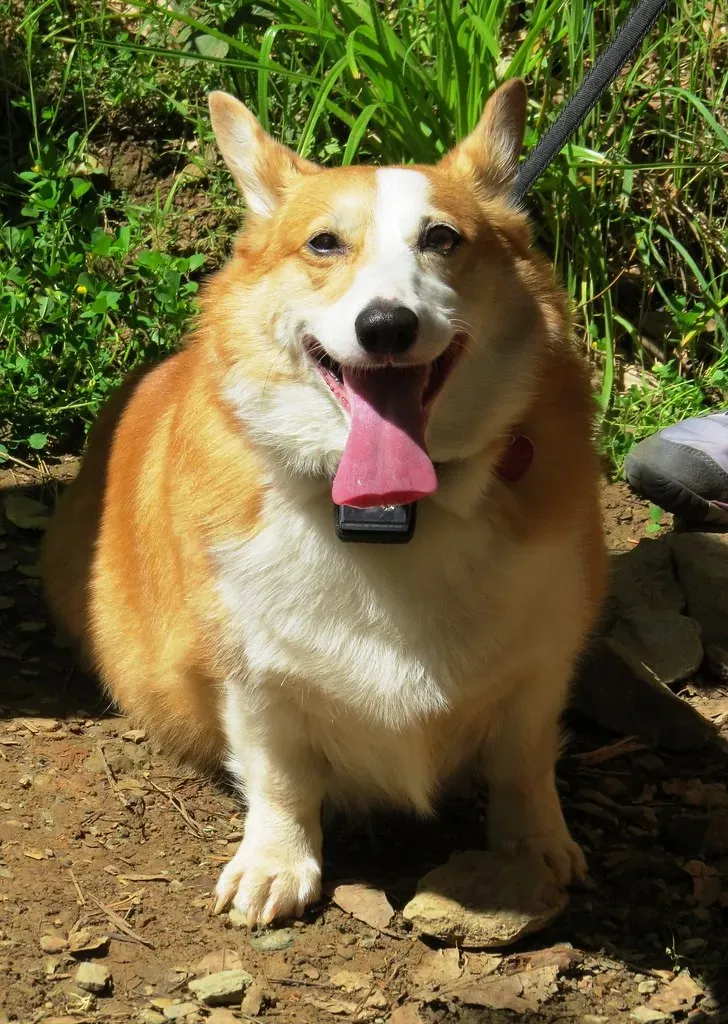
Let’s be real, the way your dog greets you when you come home says volumes. Does your dog go absolutely bonkers when your partner arrives, complete with full-body wiggles and joyful whining, but offer you a half-hearted tail wag? That enthusiasm gap is telling.
If one person spends more time at home with the dog, naturally the dog will want to see and spend time with the other partner, too. It’s fascinating how context matters here. Sometimes the excited greeting doesn’t necessarily mean deeper love, it might just mean novelty and anticipation. Still, if your partner consistently receives the red-carpet treatment while you get the polite nod, your dog has made their preference pretty clear.
Notice the intensity and duration of the greeting, too. A dog who’s genuinely bonded will maintain that excitement, seeking physical contact and making sustained eye contact with their favorite person.
Eye Contact: The Window to Canine Devotion
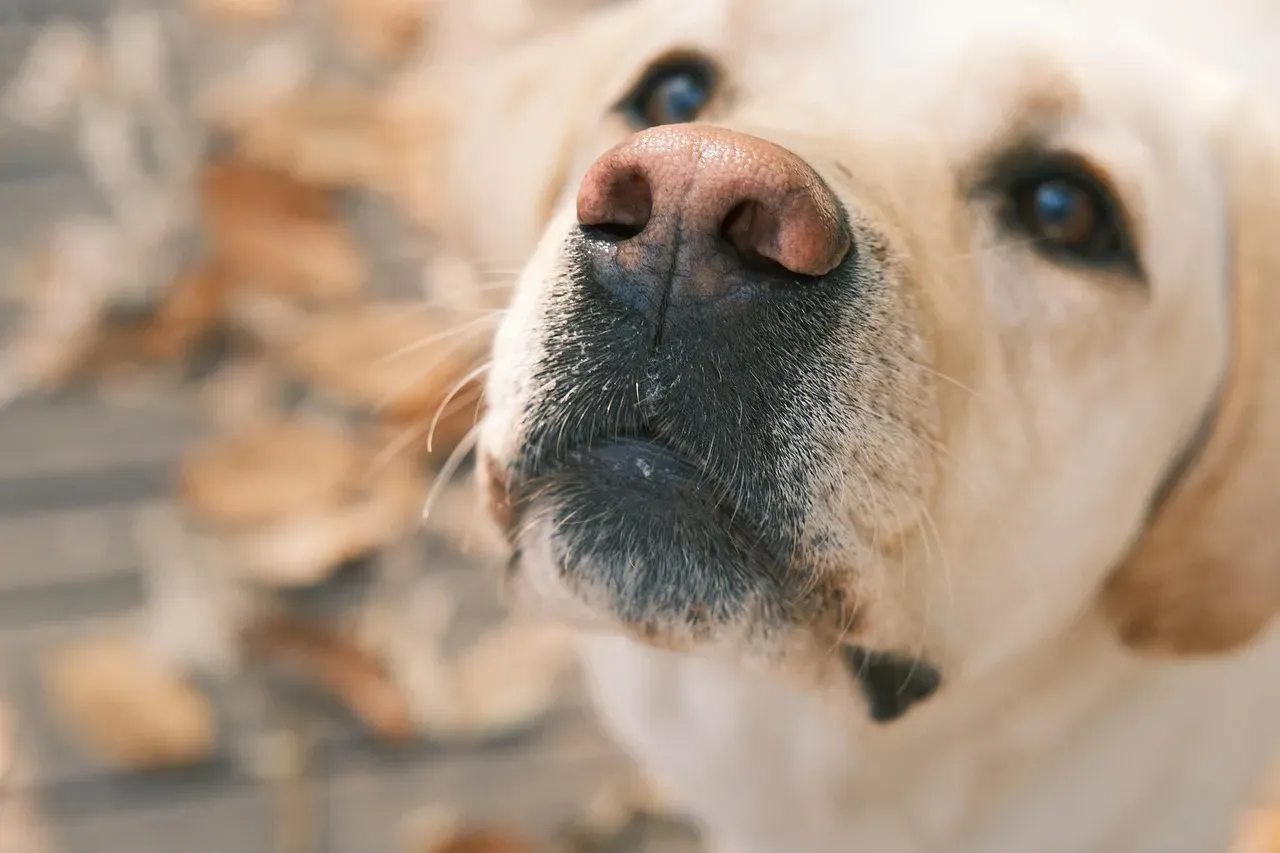
Eye contact is the best bonding indicator. This is huge. When your dog gazes into someone’s eyes, they’re not just looking, they’re connecting on a deeper level. Research has shown that mutual gazing between dogs and humans triggers the release of oxytocin, the same bonding hormone that strengthens parent-child relationships.
Eye contact is another clear sign, as dogs that gaze directly into a person’s eyes are demonstrating a strong connection. So, whose eyes does your dog seek out? When your dog is uncertain or needs reassurance, which person do they look to for guidance? If they’re constantly checking in with your partner but ignoring your presence entirely, that’s a preference signal you can’t ignore.
I think this is one of the most honest indicators because dogs can’t fake eye contact. It’s instinctive and deeply emotional for them.
Who Holds the Power of Comfort?
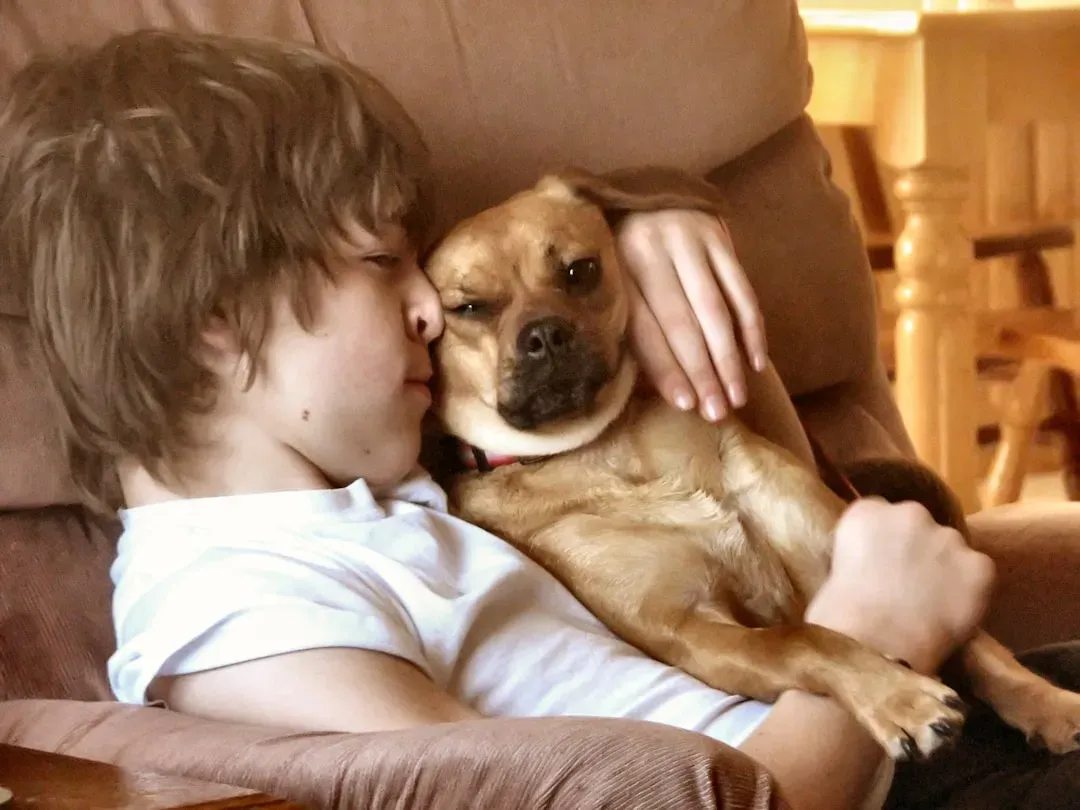
Here’s where things get interesting. When your dog is scared, anxious, or unwell, who do they turn to? This is the ultimate test of attachment. When the owner is there for support, the dog is more comfortable expressing the urge to be sociable, and you’re still important, you’re your dog’s number one in stressful, unfamiliar contexts.
If thunderstorms send your dog running straight to your partner’s lap, or if they seek them out when they’re not feeling well, that’s a powerful sign of who they view as their primary source of security. Dogs instinctively know who makes them feel safest, and they’ll gravitate toward that person during vulnerable moments.
However, context matters tremendously here. Owned dogs preferred to interact with their owners when in an unfamiliar context, but in an unfamiliar place, dogs spent more of their interaction time with their owners, nearly 80 percent, while in a familiar place, the animals spent more with the stranger, around 70 percent. So your dog’s behavior might shift depending on the situation.
The Good Cop, Bad Cop Dynamic
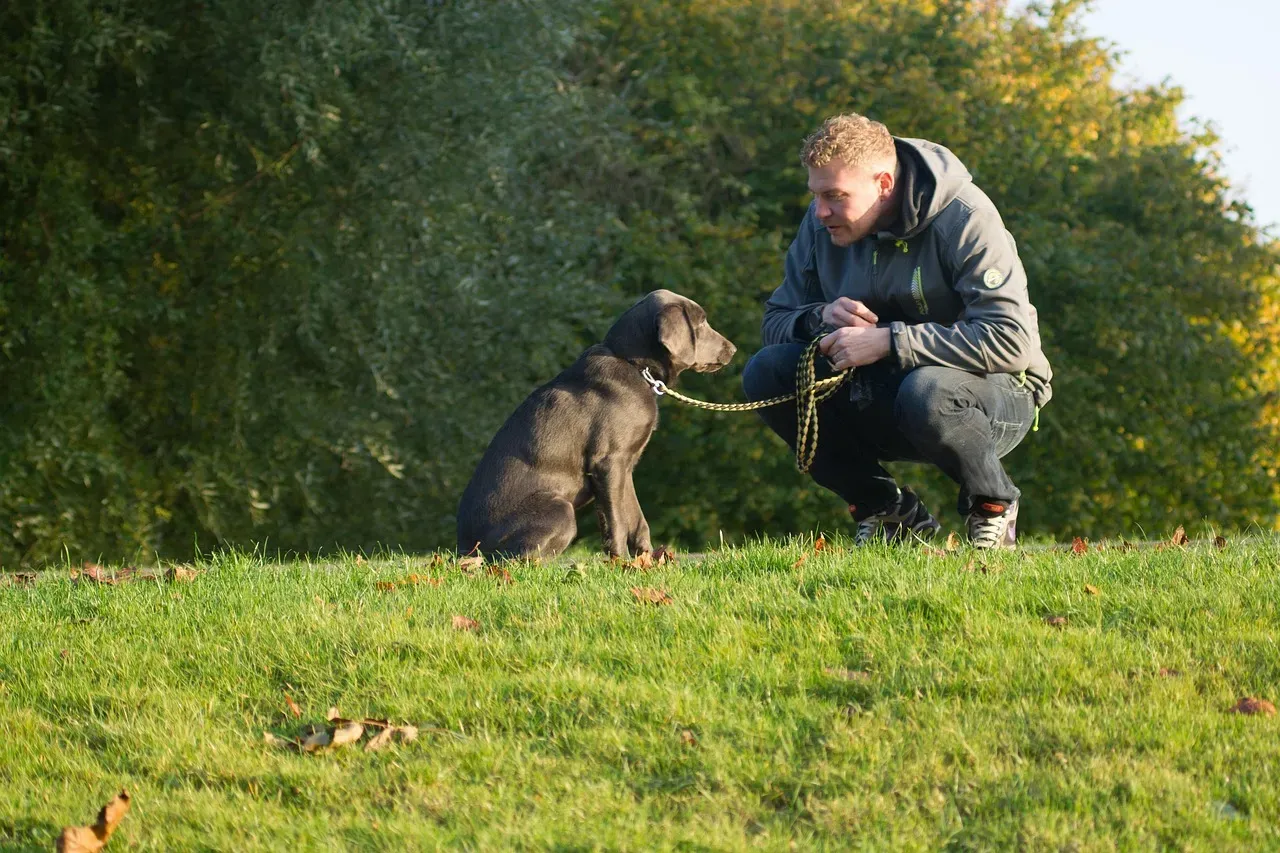
Dogs have a clear sense of good cop and bad cop, learning who’s the dutiful parent who says no for their own good, and who’s the fun one who lets them break the rules, with a good chance your dog will want to snuggle up to the one who allows them to jump on the soft, warm couch. Honestly, this one stings a bit if you’re the disciplinarian in the household.
If you’re the one enforcing rules, taking them to the vet, or cutting short playtime, while your partner sneaks them treats and lets them on the furniture, guess who’s winning the popularity contest? Dogs are smart and a bit manipulative in this way. They know who to approach for what they want.
This doesn’t mean they don’t respect or love you, it just means they’ve figured out the household dynamics. Still, if they consistently avoid you after you’ve enforced boundaries, that preference becomes pretty obvious.
Building Your Bond: It’s Never Too Late
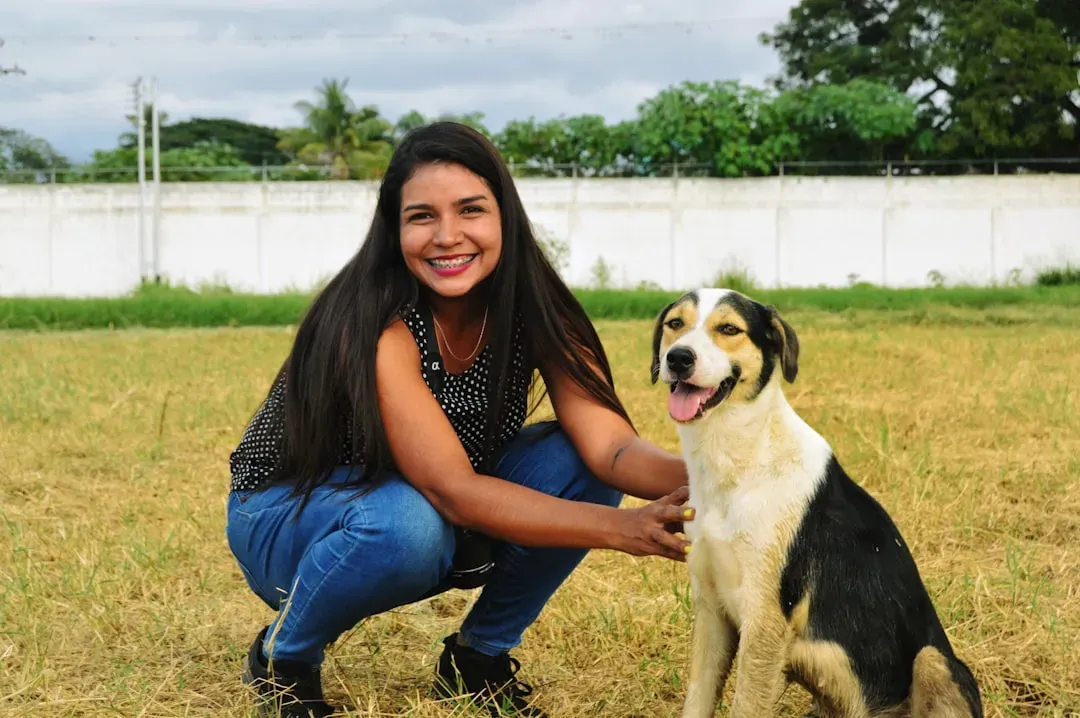
If you’ve realized you’re not your dog’s favorite, don’t lose hope. If you have the feeling you’re not your dog’s favorite person, don’t despair, as you can improve and increase the bond between you, with the easiest way being to spend at least 30 minutes of focused, one-on-one time together each day. This isn’t passive time like watching TV together, it needs to be active, engaged interaction.
Most dogs tend to bond to the person who gives them the most attention, for example, in a family with two parents and two kids, the dog may favor the parent who fills their bowl every morning and takes them for a walk every evening. Take over some of the daily care routines. Be the one who feeds them, walks them, and plays their favorite games. Positive reinforcement training is particularly powerful for building trust and connection.
The quality of your interactions matters more than the quantity. Be present, be consistent, and show genuine enthusiasm when you’re with your dog. They’ll respond to your energy and effort. Remember, dogs are incredibly adaptable creatures, and their preferences can shift as their experiences and relationships evolve.
Conclusion
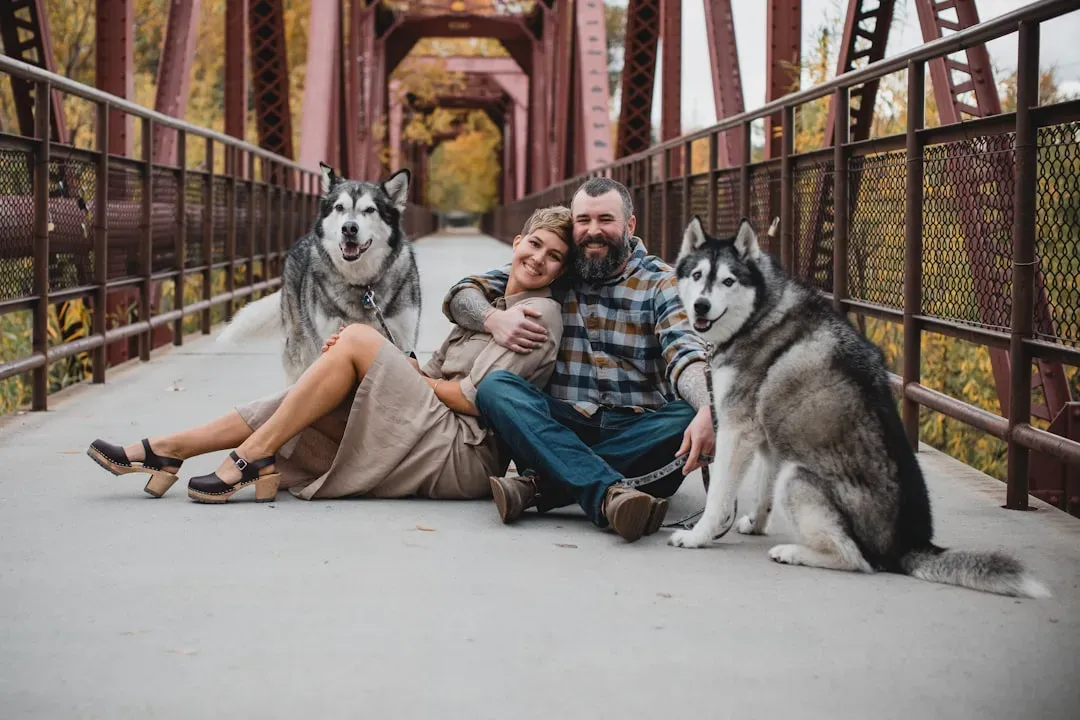
Figuring out whether your dog prefers your partner can feel like a relationship reality check you didn’t ask for. The signs are usually pretty clear: who they follow, who they greet with unbridled enthusiasm, who they make eye contact with, and who they seek comfort from during stressful moments. These behaviors paint an honest picture of where your dog’s heart truly lies.
The good news? Canine preferences aren’t set in stone. With intentional effort, quality time, and consistent positive interactions, you can absolutely strengthen your bond. Your dog’s capacity for love is enormous, and there’s plenty of room for multiple strong attachments in their heart. So what do you think, are you ready to claim your spot as the favorite, or are you content sharing the title? Either way, your dog is lucky to have you both.


