
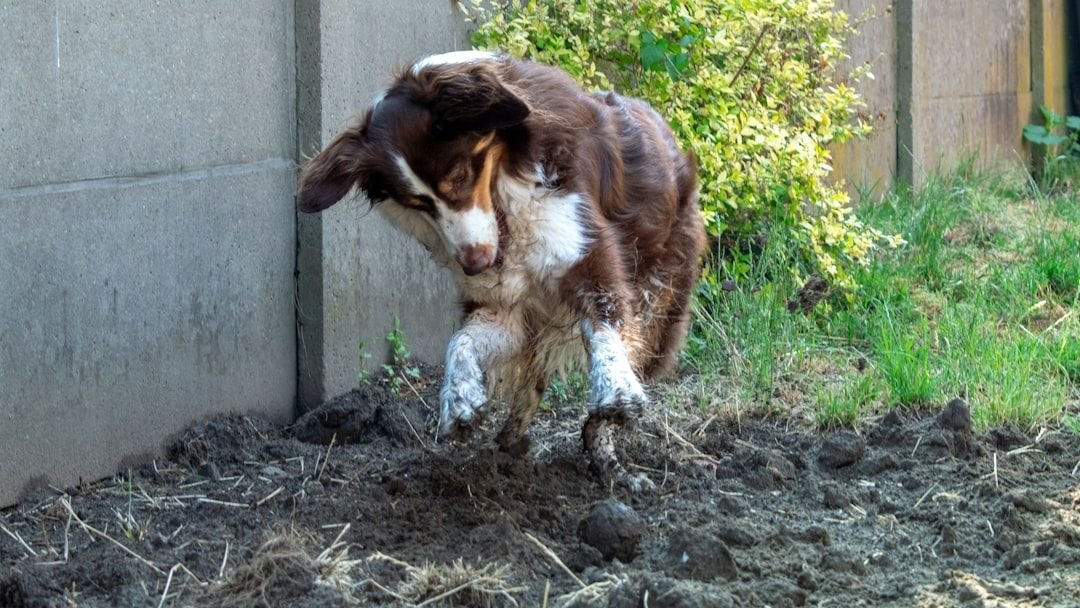
Picture this: you walk outside to your backyard, expecting to see your beautiful garden, only to find what looks like an archaeological excavation site. Your dog stands proudly beside their latest crater, tail wagging, covered in dirt from nose to tail. Sound familiar? You’re definitely not alone in this frustrating experience.
Digging is a very common canine behavior. A dog may dig for a variety of reasons, ranging from natural tendencies and instincts to underlying behavioral issues. The truth is, your furry friend isn’t plotting against your landscaping. They’re simply following ancient instincts and trying to meet their needs in the only way they know how. Let’s dive into why this happens and what you can actually do about it.
The Ancient Art of Dog Excavation
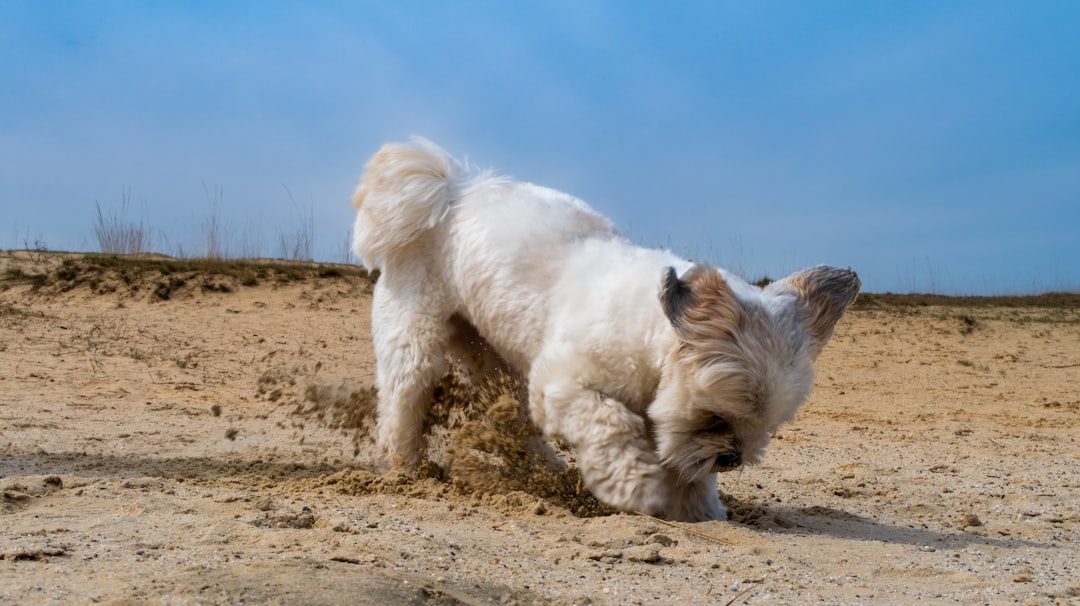
Digging is an instinctive behavior dogs inherited from their wolf ancestors, points out the American Kennel Club (AKC). All dogs dig to some extent; it comes as naturally to them as barking or wagging their tails. Think about it this way: for thousands of years, dogs needed to dig to survive. They created dens for shelter, cached food for lean times, and hunted prey that lived underground.
The simplest explanation for why dogs dig is that dogs have dug for thousands of years. The behavior served a purpose in the wild for our pets’ ancestors – wolves dug, and dig, to look for and cache food, or to make a den or a cool spot to lie down. Your pampered pooch may have a cozy bed and regular meals, yet those ancient wiring patterns remain deeply embedded in their DNA.
Some breeds were actually developed specifically for their digging abilities. Dachshunds, for example, were bred to hunt badgers, which burrow into the ground. So digging is in their DNA! If you own a terrier, you’re dealing with centuries of selective breeding for this exact behavior.
The Boredom Blues and Energy Overload
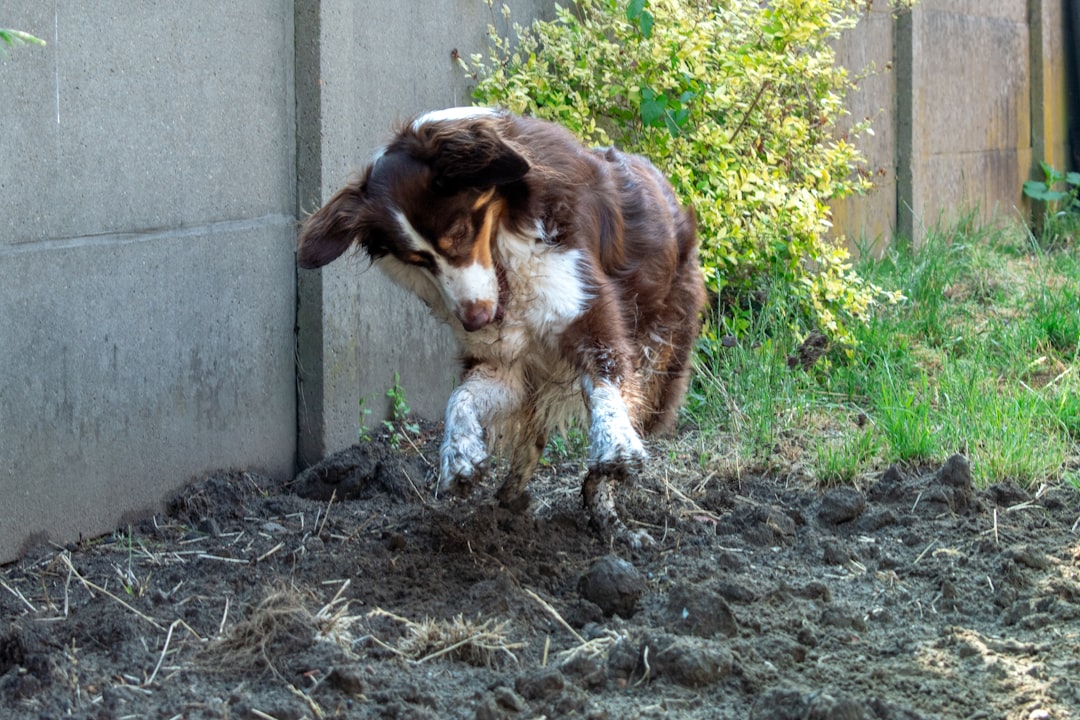
An anxious dog needs confidence-building, and a bored dog needs more stimulation. Many digging problems stem from dogs who simply don’t have enough to do with their time and energy. When your dog spends long hours alone in the backyard with nothing stimulating to engage their mind, digging becomes their entertainment system.
If the dogs are not getting enough exercise or spending too much time alone, digging is their way to express frustration and release the energy that has nowhere else to go. It’s like having a marathon runner forced to sit still all day – eventually, that pent-up energy has to go somewhere.
Digging provides mental and physical stimulation – something necessary for curbing feelings of boredom and anxiety. Your dog might see it as the perfect workout combined with an engaging puzzle. The fact that it destroys your flower bed is just an unfortunate side effect from their perspective.
The Great Escape Artist Chronicles
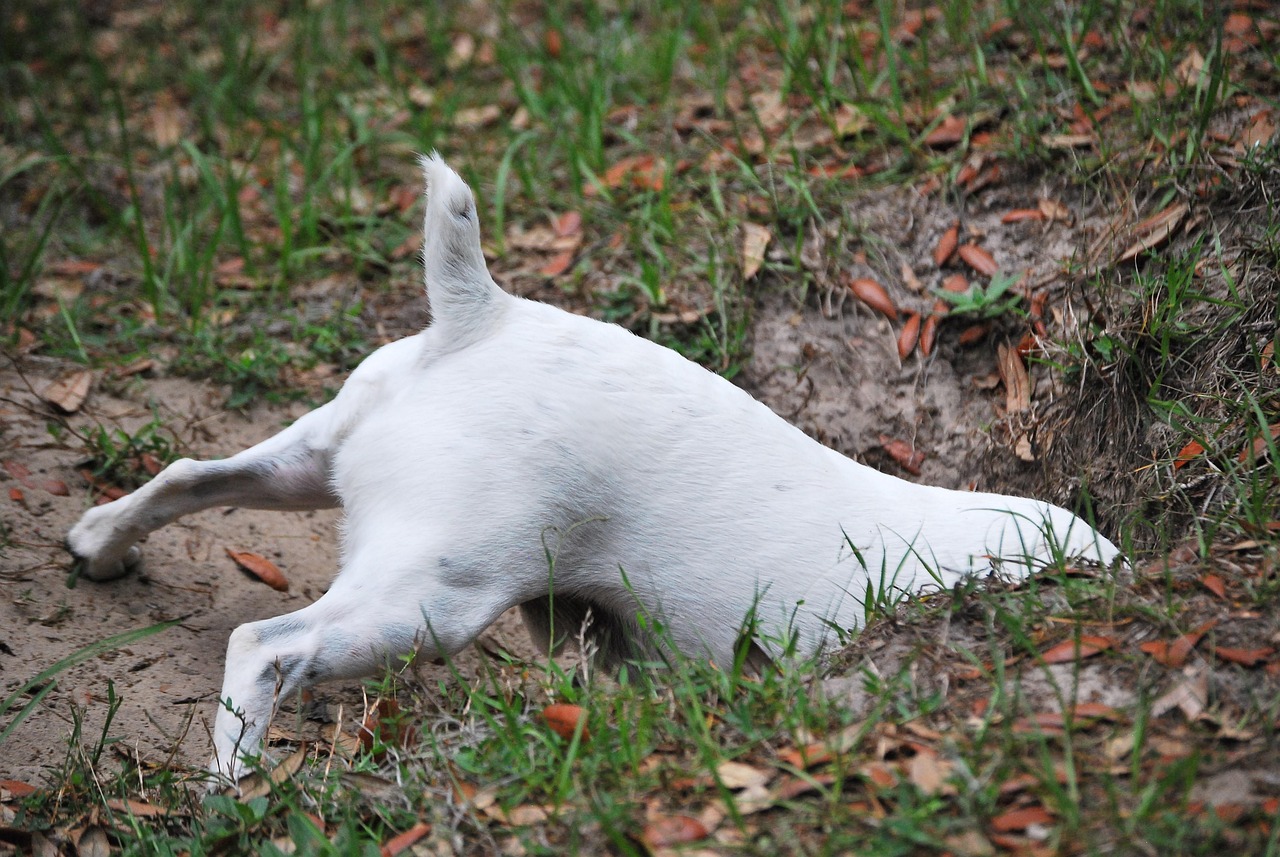
Some dogs are dedicated escape artists. If they can’t go over or through, there’s a good chance they’re going to try and go under. For many dogs, this works quite well. Many people don’t have fences that go under the ground, so dogs can easily dig right under them, creating the perfect tunnel to crawl through.
Your dog might be digging escape routes for various reasons. They could be seeking adventure beyond your yard, looking for social interaction with other dogs, or trying to find you when you leave. Escaping may be a seasonal issue if your dog is intact (not spayed or neutered). The dog may bark and run along the fence line, growl/lunge at a fence toward neighbor dogs, escape out open gates, or wait to bolt at gates when people come in/out.
Sometimes the motivation is as simple as curiosity about what’s happening on the other side. Dogs are naturally social creatures, and being confined can create anxiety that manifests as digging behavior.
Temperature Control and Comfort Seeking
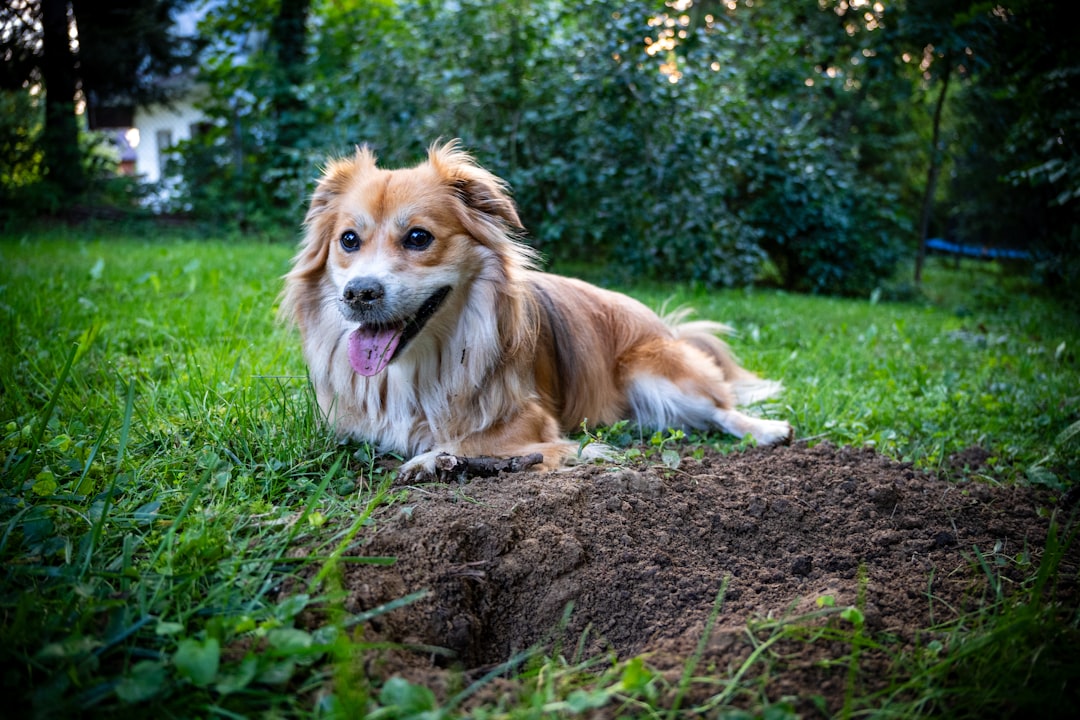
In hot weather, dogs will sometimes dig themselves a spot in the dirt to lie down in and cool off. Larger dogs with thick coats who are bred for colder weather, such as the Siberian husky, are particularly prone to this behavior, says AKC. Your dog is essentially creating their own natural air conditioning system.
Some dogs dig to cool off by digging a spot to lie on the cool earth. Their coats protect them from both cold and heat, so when they want to cool, they do so via their underbelly. This behavior makes perfect sense when you think about it – the earth several inches down stays much cooler than the surface, especially during hot summer days.
In hot weather, dogs may dig holes to lie in the cool dirt. They may also dig to provide themselves with shelter from cold, wind or rain or to find water. It’s their instinctive way of creating a microenvironment that meets their comfort needs.
The Thrill of the Hunt
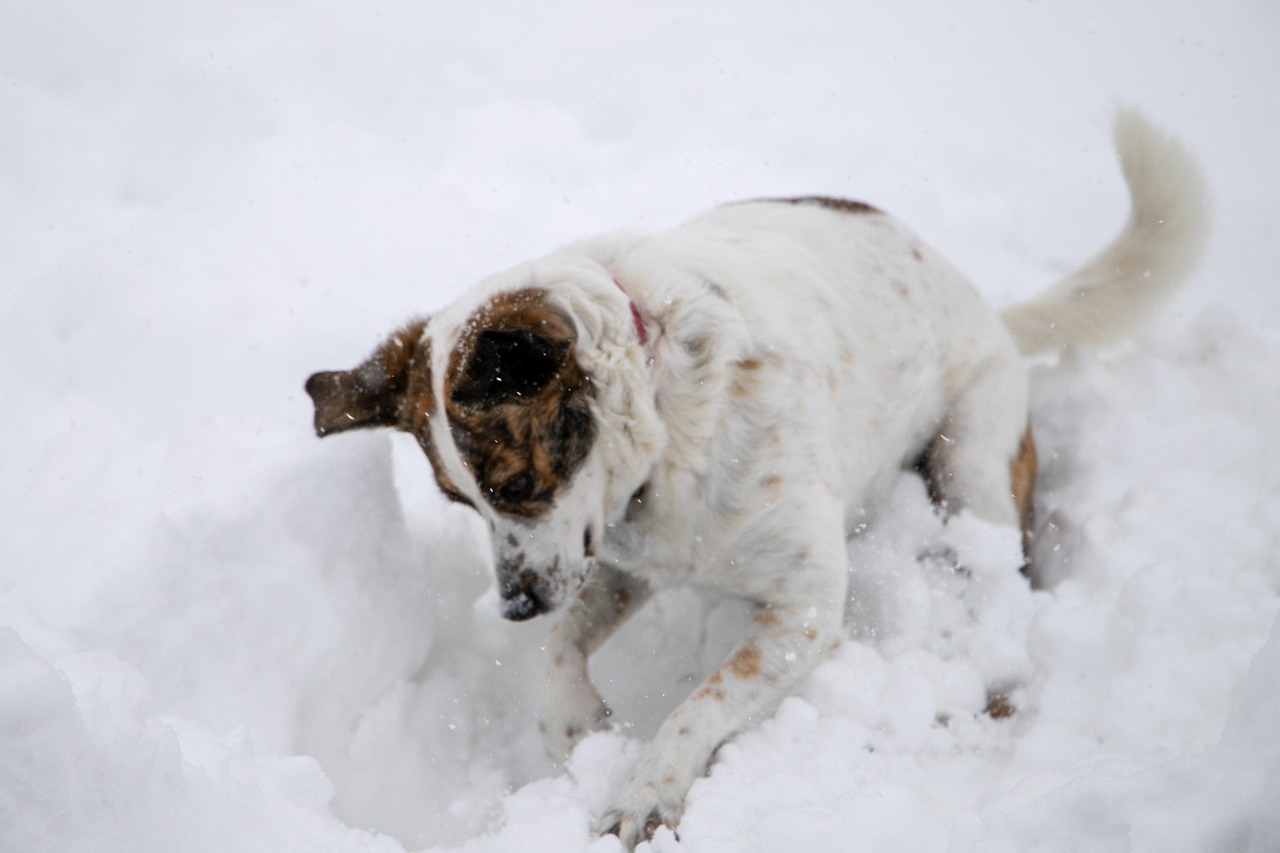
The most basic of these is to seek prey. Yards infested with rodents may have dogs digging intensively to find moles or mice. If you’ve noticed your dog digging in specific areas rather than randomly around the yard, they’re likely following their nose to underground critters.
Dogs with a high prey drive are likely to dig in order to go after rodents or other small animals they can hear or smell underground. This is especially true of terriers and small hound breeds such as dachshunds, who were bred to hunt rodents and small game. Their exceptional hearing allows them to detect sounds we can’t even imagine.
With their ability to hear high frequency sounds, and their highly acute sense of smell, some dogs dig as a direct result of odors or sounds such as those from voles and moles that attract the pet from beneath the ground. Your dog might be responding to an entire underground ecosystem you’re completely unaware of.
Burying Treasures and Hoarding Instincts

Some dogs like to bury treasures, such as a treat or a favorite toy, for safekeeping. Unfortunately, they don’t always remember to make a treasure map, which leads to more digging as they search for their hidden cache. This behavior traces back to survival instincts when food was scarce and saving for later meant the difference between life and death.
Dogs dig to bury or retrieve bones. You might give your dog a special chew or bone, only to find them immediately heading outside to bury it. Later, they’ll spend considerable time digging around trying to relocate their buried treasure, often creating multiple holes in the process.
This hoarding behavior can be particularly strong in dogs who were once strays or came from situations where resources were limited. Even though they now have reliable access to food and toys, the instinct to save for uncertain times remains powerful.
Practical Solutions That Actually Work
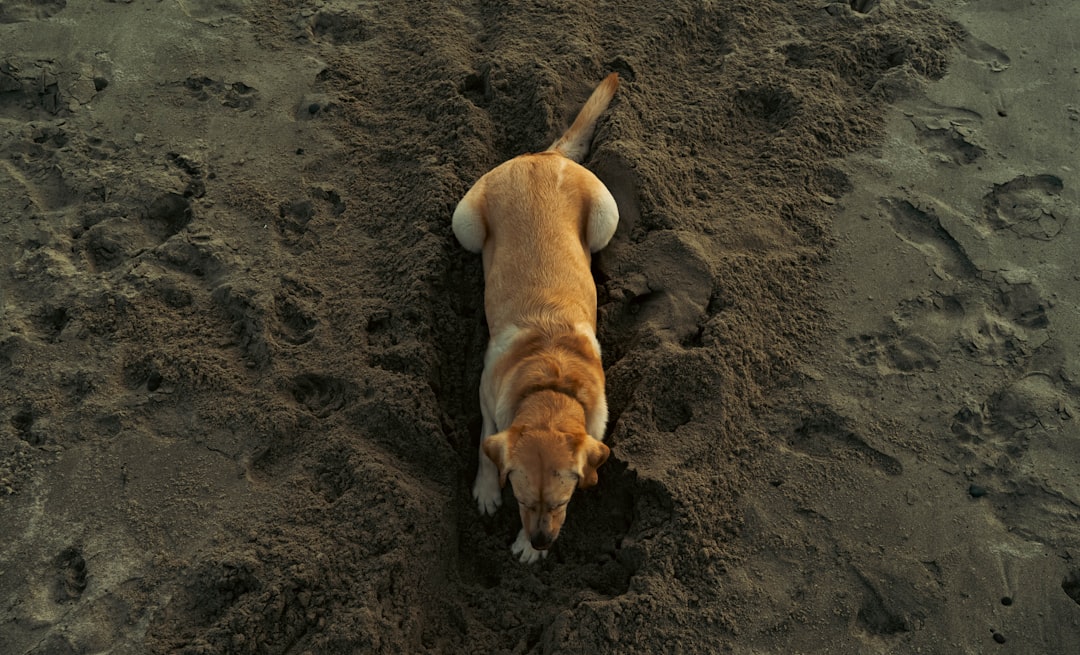
Now for the good news – digging problems can be managed effectively once you understand the underlying cause. Once you’ve determined the reason why your dog is digging, you’ll be able to effectively address their digging. Because digging is a normal, natural dog behavior, it’s important to first implement management. This means making changes to your dog’s routine, access, or environmental setup to prevent inappropriate digging in the first place.
Ensure your dog is getting enough mental stimulation and physical exercise every day. This will help with boredom and anxiety, and provide more appropriate types of fun. Consider creating a designated digging area where your dog is allowed to excavate to their heart’s content. Designate a specific corner or area of your yard that’s okay to dig in. Mark it with small garden dividers to help your dog learn where it’s okay to dig. Build a raised garden bed filled with dirt or sand.
Stopping your dog from digging takes time and patience. While Wilkinson says it’s natural to feel frustrated, remember that digging is a normal dog behavior – they’re not doing anything wrong. “We just need to direct that energy in another direction,” she adds. The key is working with your dog’s natural instincts rather than fighting against them completely.
Conclusion
Your dog’s digging habit doesn’t have to be the end of your beautiful backyard dreams. By understanding that this behavior stems from natural instincts and genuine needs, you can approach the problem with empathy and effective solutions. Whether your dog is seeking entertainment, comfort, prey, or simply following their genetic programming, there are practical ways to redirect this energy positively.
Remember, patience and consistency are your best tools. If the digging doesn’t stop and you’re out of ideas, don’t hesitate to ask a professional for help. Your furry friend isn’t trying to drive you crazy – they’re just being a dog. With the right approach, you can have both a happy pup and a yard you can be proud of.
What’s your biggest challenge with your dog’s digging behavior? Have you tried any of these solutions yet? Share your experiences in the comments below.


