

You know that feeling when you meet someone new and instantly sense their vibe? Dogs experience that too. If you’ve ever spent time around multiple dogs, you’ve probably noticed that each one has its own quirks, moods, and ways of seeing the world. Some bounce off the walls with excitement while others prefer observing quietly from the corner.
The truth is, our canine companions are far more complex than we often give them credit for. Just like people, they carry traits shaped by genetics, life experiences, and even their relationships. What makes this even more fascinating is how breed plays into personality. Let’s be real, though, it’s not quite as simple as you might think.
The Genetics Behind Those Adorable Quirks
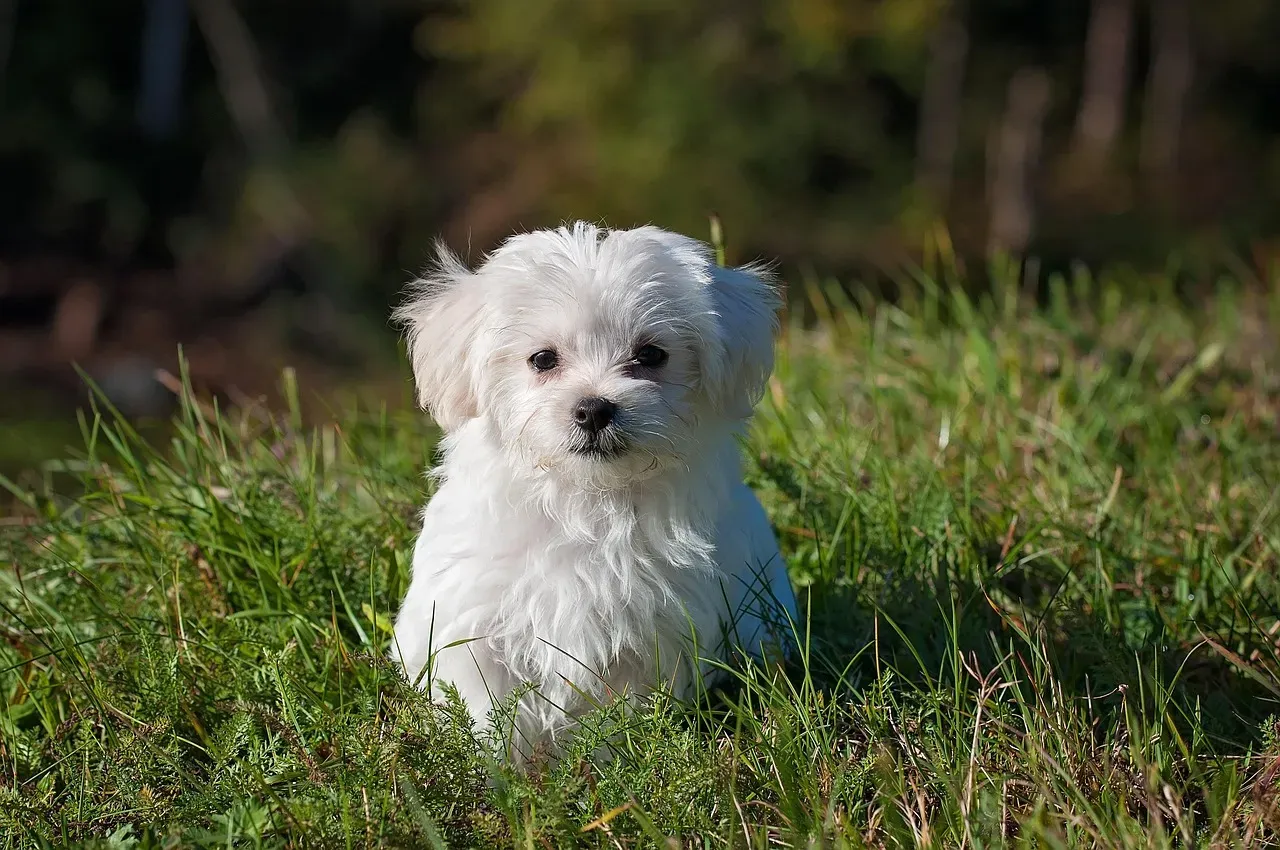
Science has given us some pretty eye-opening insights into why dogs behave the way they do. The genetic component of dog behavior is supported by between-breed differences and some evidence of within-breed variation. Researchers have found that certain personality traits in dogs are indeed heritable, meaning they can pass from parent to pup through DNA.
Think about traits like trainability or fearfulness. Trainability, chasing, and a tendency to be aggressive toward strangers were the most highly heritable traits, according to genetic studies. It makes sense when you consider how humans have selectively bred dogs for specific tasks over centuries. Border Collies needed sharp focus for herding, while Retrievers required gentle mouths for carrying game birds.
Still, here’s where it gets interesting. Breed explains just 9% of behavioral variation in individuals. That’s shockingly low if you thought your Golden Retriever came with a guaranteed friendly personality built in. Genetics loads the dice, sure, but it doesn’t determine the roll.
Why Your Labrador Might Not Love Retrieving
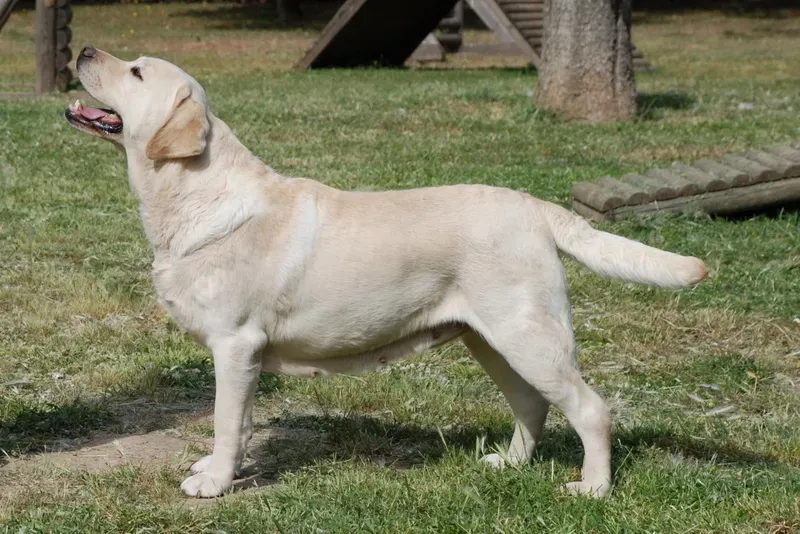
I’ve met Labradors who wouldn’t fetch a ball if their life depended on it. Sounds crazy, right? These dogs were supposedly bred for retrieving waterfowl. Yet personality studies reveal tremendous variation even within the same breed.
For example, they found golden retrievers that do not retrieve. Researchers examining thousands of dogs discovered that breed stereotypes often don’t hold up when you look at individual animals. Though most of the Labrador retrievers rarely howled, 8 percent of owners reported their Lab had a propensity for howling.
What this tells us is profound. Your dog’s breed might nudge them toward certain tendencies, but environment, training, and individual genetics matter enormously. Therefore, a dog’s breed is not a predictor of its personality, but the probability of showing certain personality traits differs between breeds. It’s about likelihood, not certainty.
The Role of Early Life and Socialization

Puppyhood experiences shape adult dog personalities in powerful ways. Some environmental factors, especially puppyhood socialization, were also associated with personality. Those critical early weeks and months matter more than most people realize.
A well-socialized puppy exposed to different people, sounds, and environments typically grows into a confident adult. Meanwhile, a puppy raised in isolation might develop fearfulness or anxiety regardless of breed tendencies. Training consistency, the bond with their human, and even traumatic experiences can dramatically alter how a dog sees and reacts to the world.
I think what’s underappreciated here is how much control we actually have. Yes, genetics hand your dog certain cards. However, you’re teaching them how to play the hand through daily interactions, boundaries you set, and adventures you share together.
Age Changes Everything
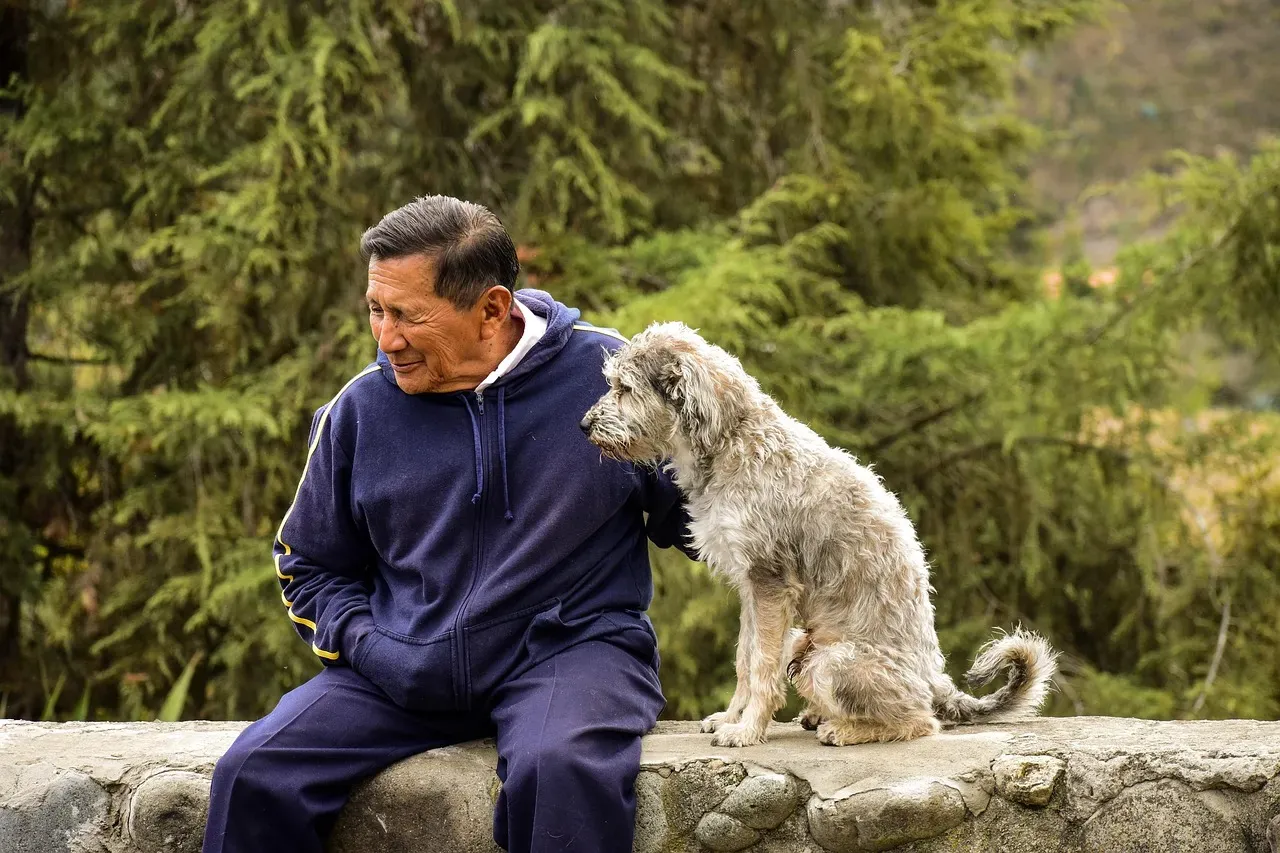
Dogs mature emotionally do. Breed and age had the strongest associations with dog personality traits. Younger dogs tend to be more energetic and excitable, while senior dogs often mellow considerably.
He became more confident as he got older, something Morrill credits to Rosie’s reassuring presence. This observation from a researcher studying her own dogs highlights something beautiful. Personalities aren’t static. Dogs can grow, learn, and even heal from past anxieties over time.
Male and female dogs also show differences. Female dogs were more focused on training and insecure than male dogs, whereas males were more aggressive/dominant, dog sociable, and energetic, studies have found. Neutering can affect temperament too, though the relationship is complicated and varies by individual.
Mixed Breeds Are Personality Goldmines
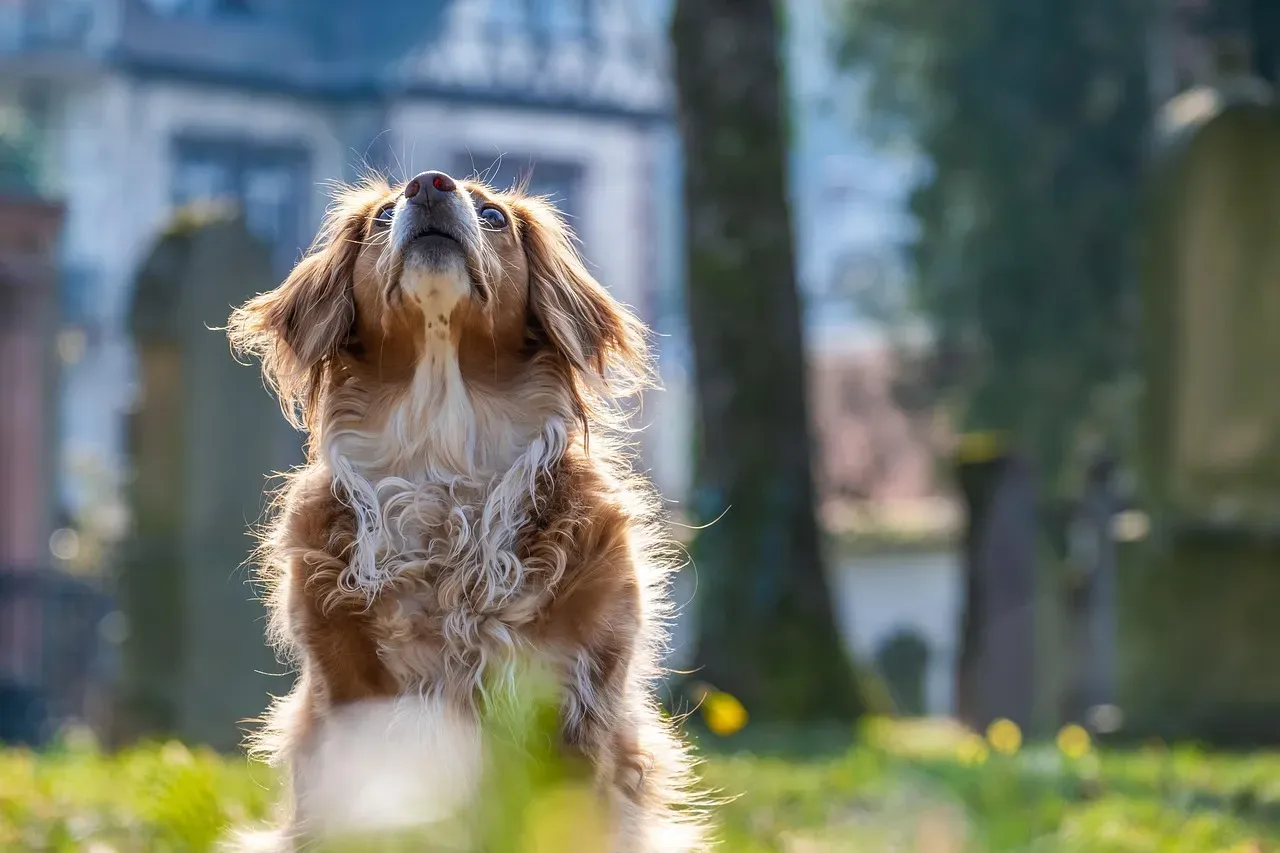
Mixed breed dogs represent fascinating genetic puzzles. They inherit traits from multiple breed lineages, creating unique combinations you won’t find in purebreds. Mixed-breeds and guarding breeds showed the highest rates of aggression towards humans while herding breeds showed the lowest rates of aggression.
What surprises many people is that mutts often defy expectations precisely because their heritage is so diverse. A questionnaire-based survey revealed that breeds perceived as aggressive are less aggressive than expected, while mixed-breeds tend to exhibit more aggression. This doesn’t mean mixed breeds are problematic. Rather, it highlights how stereotypes fail us.
Every mixed breed dog is truly one of a kind. You might get a dog who’s part Beagle, part Terrier, part who-knows-what. That pup could have the Beagle’s nose, the Terrier’s determination, and a completely unexpected gentle temperament that came from somewhere in their family tree.
What This Means for You as a Dog Parent
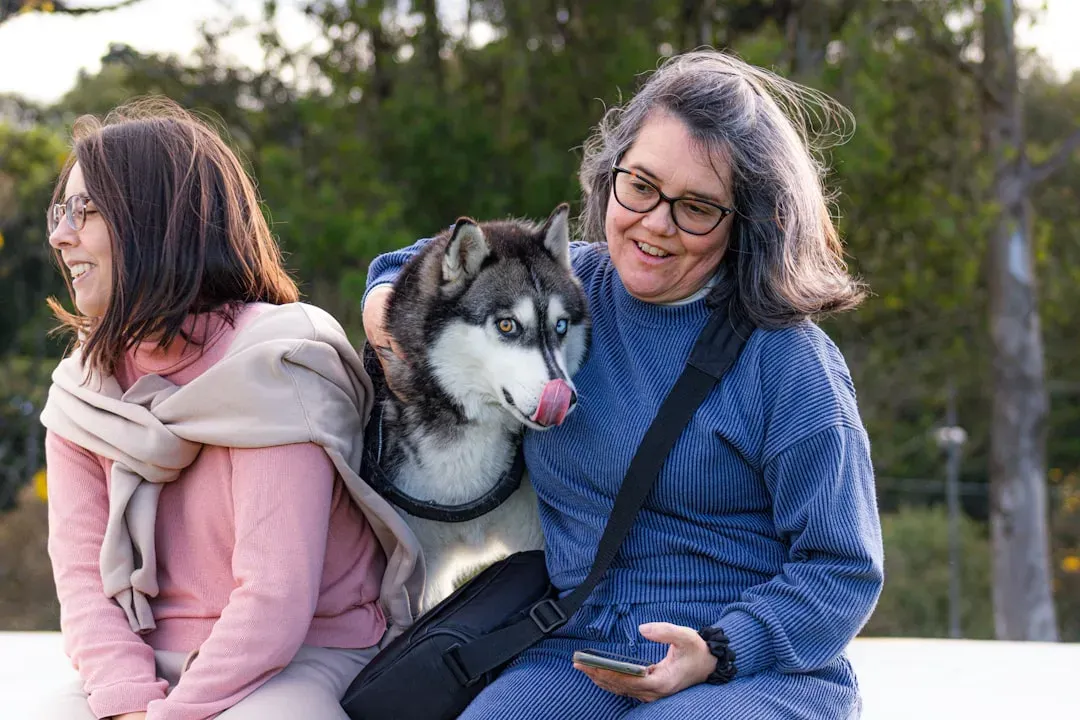
Understanding that dogs have individual personalities should fundamentally change how we approach choosing and raising them. Environmental factors and owner interactions play a much greater role in shaping a canine’s personality. You’re not just bringing home a breed label. You’re welcoming a thinking, feeling individual.
Meet dogs before committing if possible. Spend time observing their behavior, energy levels, and how they respond to you. Ask about their history, especially for rescue dogs who might carry baggage from previous experiences. Remember, all have individual dog personality traits regardless of breed group. Just because one group often produces friendly pups doesn’t mean socialization and training don’t play an important role in their development.
Pay attention to behavioral cues your dog gives you. Tail position, ear carriage, body tension – these signals communicate volumes about how they’re feeling. A dog who’s suddenly avoiding eye contact or hiding might be anxious. One who’s play-bowing and wagging is clearly ready for fun. Learning to read your specific dog takes time, patience, and attention.
Conclusion

The science is clear. While breed heritage contributes to personality, it’s just one ingredient in a complex recipe. A dog’s personality and behavior are shaped by many genes as well as their life experiences. This makes them difficult traits to select for through breeding. Your dog is an individual shaped by genetics, environment, age, experiences, and the relationship you build together.
Here’s the thing. This knowledge empowers you to be a better dog parent. Stop expecting your Beagle to be calm or your Pit Bull to be aggressive. Instead, get to know the unique soul wagging that tail at you. Invest in training, socialization, and building trust. Your efforts matter far more than any breed stereotype.
What surprises has your dog shown you that defied breed expectations? Every dog teaches us something if we’re willing to listen.


