

You know that feeling when you accidentally drop a spoon and your dog acts like the entire world is ending? Some dogs just have that gift. They can take a minor blip – a tiny sound, a brief moment alone, a change in your routine – and spin it into full-blown panic mode. It’s not that they’re being dramatic for the sake of it. Honestly, for many breeds, their wiring just makes them more sensitive, more vigilant, more reactive to things the rest of us barely notice.
The thing is, we bred these dogs to do specific jobs. We wanted them to be hyperaware, to spring into action, to form unbreakable bonds with us. Now, in our modern homes, those same traits can backfire. What was once an asset becomes a liability when there’s no sheep to herd or no game to hunt. Understanding which breeds are prone to escalating problems can help you better support your dog, or help you choose a companion whose temperament matches your lifestyle.
The Herding Workaholics Who Can’t Switch Off
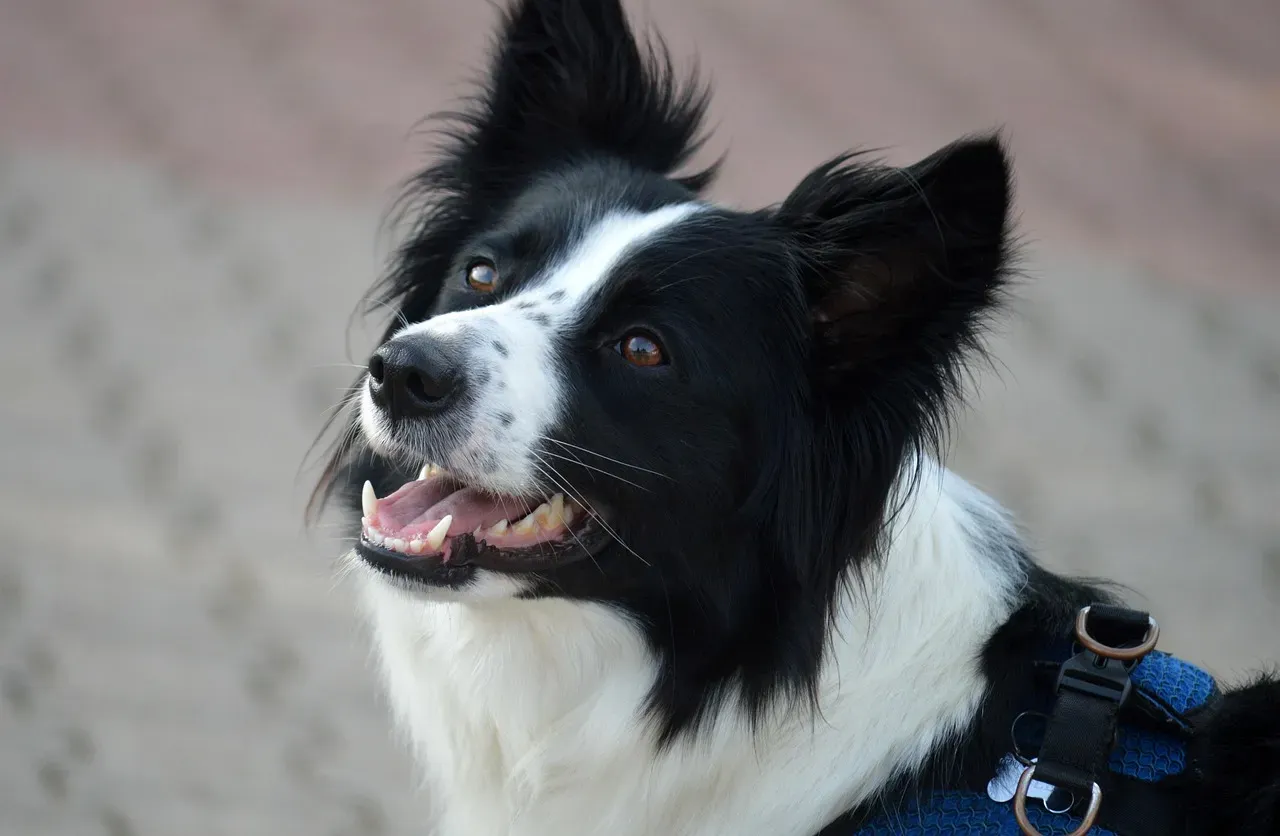
Border Collies are renowned for their intelligence, agility, and herding prowess, but these very traits can also predispose them to severe anxiety, requiring constant mental and physical stimulation to avoid obsessive pacing, barking, and destructive chewing. Think about it: these dogs were designed to work all day, every day, making split-second decisions while managing livestock. That kind of brain doesn’t just relax on the couch.
Australian Shepherds are naturally sensitive to their environment, and while advantageous on a farm, this can lead to anxiety in overstimulating environments, with noisy or crowded spaces overwhelming them and their acute senses making them reactive to loud noises, sudden movements, and chaotic situations. Imagine bringing one of these sensitive souls into a busy city apartment. Every siren, every footstep in the hallway, every door slam becomes a potential crisis.
Border Collies could take the crown as the most overthinking, hyperaware dog breed, with their intense focus and herding instincts making them incredibly intelligent but prone to neurotic behaviors without proper stimulation, developing obsessive habits like spinning, shadow chasing, or trying to herd family members when their brains never rest.
The Velcro Dogs Who Fear Being Left Behind

Let’s talk about the dogs who were literally bred to be your shadow. Toy Poodles may develop separation anxiety when left alone for long periods. These aren’t just companion dogs – they’re companion breeds taken to the extreme.
The Bichon Frise is known for its emotional sensitivity and tendency to develop separation anxiety, with these social dogs forming tight bonds that make alone time a real challenge, potentially becoming overly excitable and prone to excessive barking when anxious. Picture a little cotton ball of anxiety following you from room to room, panicking the moment you reach for your keys. That minor routine of leaving for work? To them, it might as well be abandonment.
Cavalier King Charles Spaniels are affectionate, gentle dogs with a strong desire to be around people, bred to be companion dogs, making them prone to separation anxiety and forming deep family bonds. What starts as you being gone for a few hours can escalate into destructive chewing, relentless barking, or even house-soiling. It’s not defiance. It’s pure distress.
The Tiny Terrors With Giant Reactions

Small dogs often get overlooked when we think about anxious breeds. That’s a mistake. Despite their bold personalities, Chihuahuas are prone to social and separation anxiety, being shy and timid around new people and barking excessively when nervous. Their size makes them feel vulnerable, so they compensate by being extra reactive.
Jack Russell Terriers possess a bold and confident temperament typical of terrier breeds, but this fearless nature can also lead to fear-based anxiety, becoming reactive if they feel threatened or cornered due to high sensitivity and alertness that can make them perceive danger even when there is none. A stranger at the door isn’t just a visitor – it’s a potential threat that requires maximum alarm. A loud noise outside? Time to bark for the next twenty minutes.
These breeds need an outlet for all that energy and intensity. Also known as the Jack Russell Terrier, this high-energy breed may display anxious behaviors such as excessive barking and digging, needing at least an hour of exercise every day. Without it, you’re not dealing with a small problem anymore. You’re dealing with a four-legged tornado of pent-up anxiety.
The Guarding Breeds Who Take Everything Personally
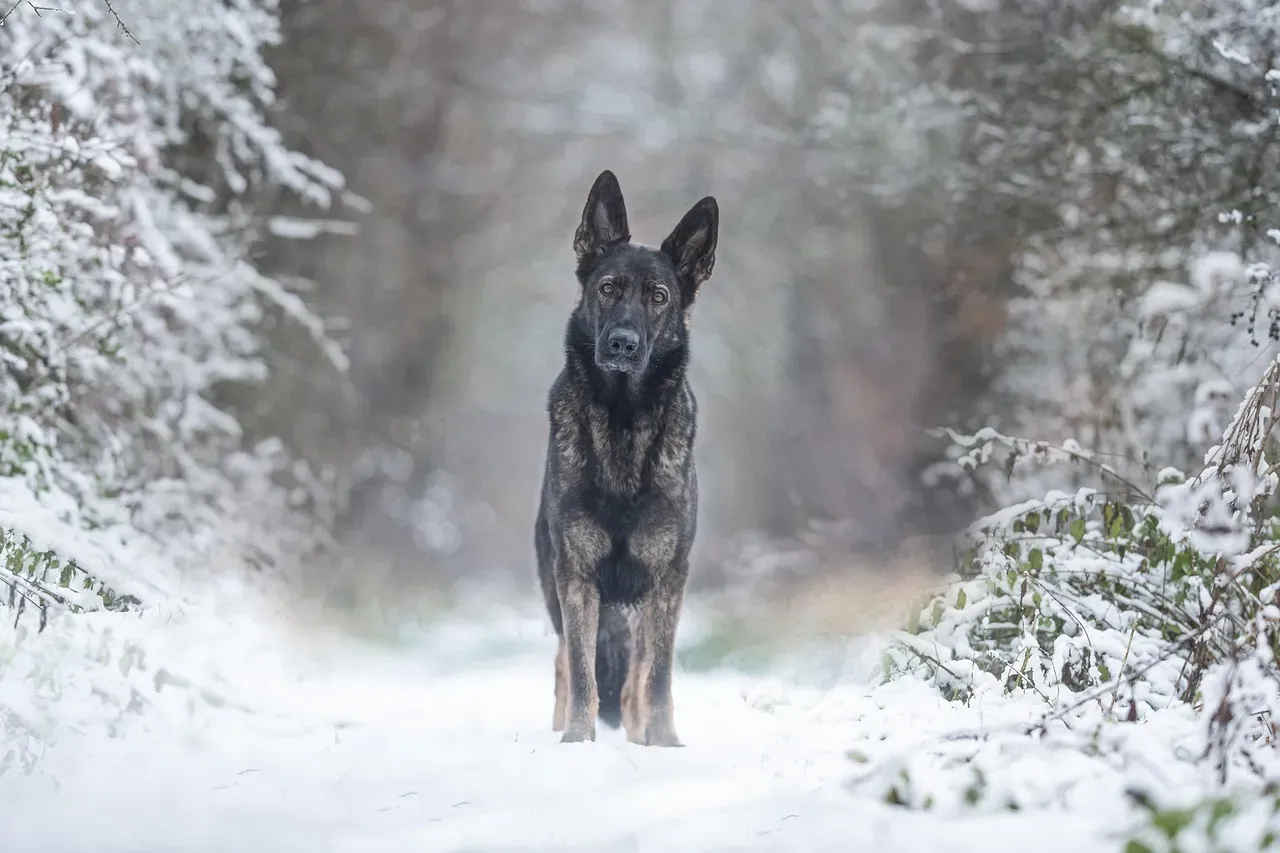
Despite their impressive capabilities, German Shepherds can be prone to anxiety, with their protective nature, deep attachment to owners, and need for mental stimulation contributing to their susceptibility. These dogs were bred to protect, to be vigilant, to notice threats. In a modern setting, that vigilance can morph into hypervigilance.
German Shepherds are naturally inclined to protect their territory and family, but these strong guarding instincts can cause high levels of stress when they perceive something or someone as a threat, real or imagined, resulting in hypervigilance and reactivity to strangers or unfamiliar situations. The mail carrier becomes a daily invasion. A neighbor walking past the window becomes a crisis. What should be routine becomes a source of constant stress, both for the dog and for you.
German Shepherds are high-energy herding dogs who love having a job that lets them use their brain and body, thriving on consistency, so being thrown off their routine may result in anxious behaviors such as pacing and door-scratching. Miss their morning walk because you overslept? That small deviation can set off a chain reaction of anxious behaviors that last all day.
The Noise-Sensitive Souls Who Hear Everything
Noise sensitivity is the most common anxiety-related trait with a prevalence of 32% in 13,700 Finnish pet dogs. That’s nearly one in three dogs. Some breeds are especially affected.
Lagotto romagnolos are some of the most anxious dogs, prone to experiencing a high rate of fear of thunder and noise anxiety from sources like loud vehicles, gunshots, and loud music. Thunderstorms aren’t just weather events for these dogs – they’re full-blown emergencies. Fireworks season becomes a nightmare.
Noise sensitivity was most pronounced in lagotto Romagnolos, wheaten terriers, and mixed breed dogs, while the most fearful breeds were Spanish water dogs, Shetland dogs, and mixed breeds. A minor inconvenience like construction work down the street can trigger trembling, hiding, pacing, or destructive behavior. What we dismiss as background noise, they experience as an assault on their senses. The cumulative effect of repeated exposures can actually worsen their reactions over time, creating a vicious cycle where small triggers become progressively bigger problems.
Conclusion
Here’s the thing about these dogs: they’re not broken. They’re just intensely themselves. Their sensitivity, their loyalty, their vigilance – these are all traits we deliberately bred into them. The catch is that modern life doesn’t always accommodate those traits gracefully. A Border Collie without a job, a German Shepherd without structure, a Chihuahua without proper socialization – these situations are recipes for escalating anxiety.
The good news? Once you understand your dog’s predisposition, you can work with it instead of against it. Mental stimulation, consistent routines, gradual desensitization, and sometimes professional help can make a massive difference. Your anxious dog isn’t trying to make your life difficult. They’re just struggling to make sense of a world that feels overwhelming to them. What do you think – does your dog turn molehills into mountains? Share your experiences in the comments.


