
Picture this. You’re standing in your living room, separating your new rescue from your resident cat for the third time this week. Your heart sinks a little each time you realize this isn’t just an adjustment phase. It’s their nature.
Some dogs simply struggle when sharing space with other animals. It’s not about being mean or badly behaved. These breeds carry instincts so deeply wired that coexistence with cats, rabbits, birds, or even other dogs becomes a daily management challenge rather than peaceful harmony. Let’s talk about which dogs need their kingdom to themselves, and why.
Siberian Huskies and Their Untamed Hunting Spirit
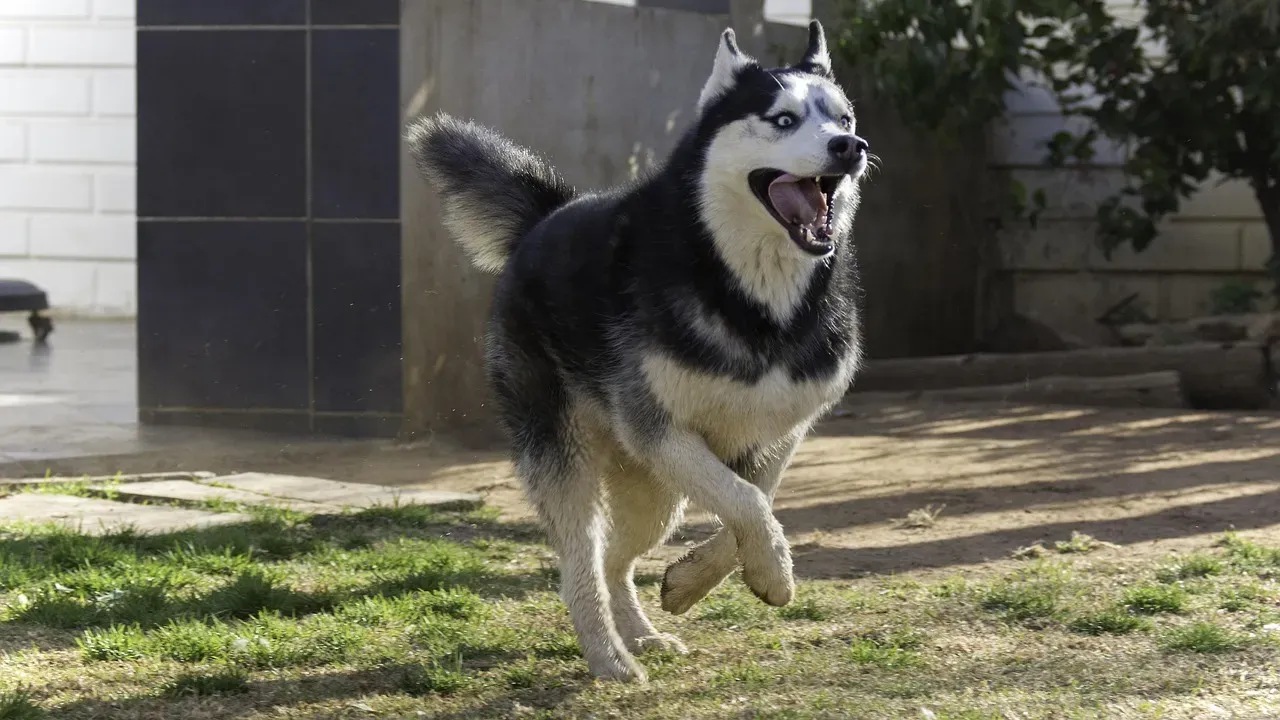
Siberian Huskies are energetic and playful favorites among dog lovers, but their high chasing instinct poses real problems with smaller pets, as they’re known for hunting instincts that may chase or harm smaller animals like cats or rabbits. Their ancestry traces back to working sled dogs in harsh Arctic conditions, where survival instincts ran high.
Working group breeds such as Siberian Huskies possess strong prey drives and may require close supervision around smaller pets. When a Husky locks eyes on a fleeing cat or spots a bird fluttering near the window, something ancient kicks in. Training helps, sure, but it rarely overrides what thousands of years of breeding have cemented into their DNA.
They’re loving family members, don’t get me wrong. Yet leaving them unsupervised with small furry housemates is asking for trouble.
Akitas and Their One Person Loyalty Complex
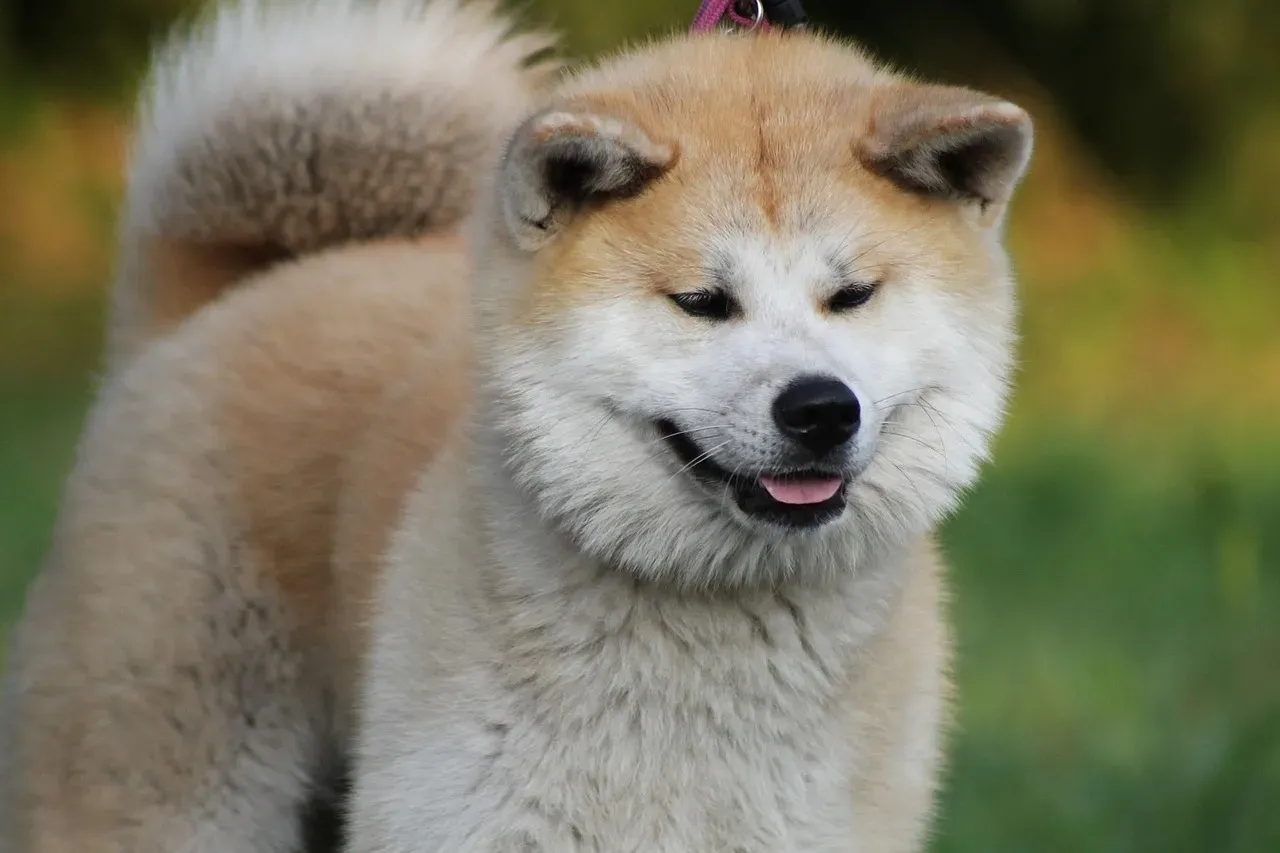
Akitas are known for their bold independence, which can make them difficult for first-time owners, and without proper training, they may become overly territorial or reactive around other pets. Originally bred in Japan to hunt large game and guard nobility, they form intense bonds with one or two people while viewing everyone and everything else with suspicion.
Without proper exposure, they may perceive unfamiliar people or animals as intruders, and their natural suspicion of other dogs, especially those of the same sex, requires careful management during canine interactions, with Akitas always kept on a leash or in secured areas due to their prey drive and dominant tendencies.
Their territorial nature isn’t something you can simply train away. It’s who they are at their core. Living with another dog, especially of the same sex, can spark conflicts that escalate quickly.
Jack Russell Terriers and Their Relentless Chase Drive
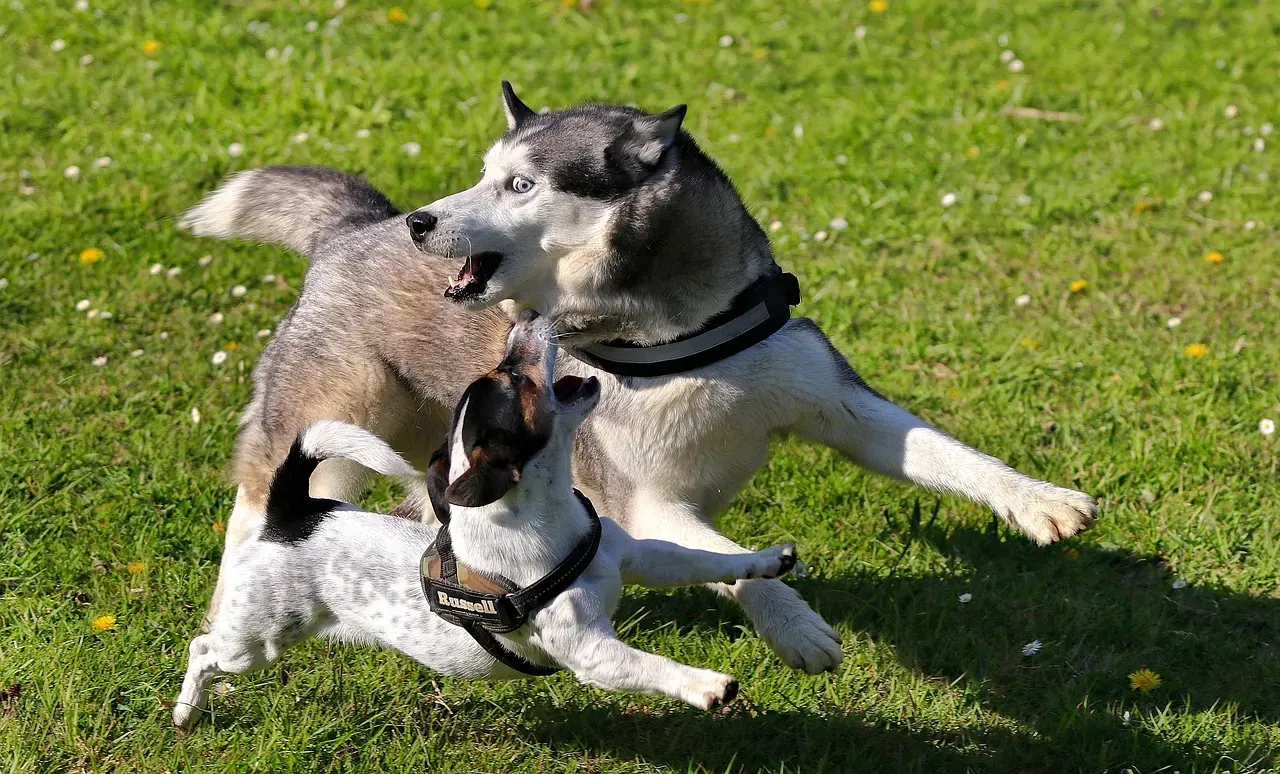
Don’t let their small stature fool you. Jack Russell Terriers pack enormous energy and hunting drive into their small frames, and bred for fox hunting, they view smaller animals as potential prey rather than potential friends.
These compact bundles of intensity were designed to chase foxes from their dens, a job requiring fearlessness and persistence. Jack Russells were bred for hunting vermin and chasing prey, making it difficult for them to settle peacefully with smaller pets like cats, rabbits, or rodents, and their tenacity and high drive to chase can also create friction with other dogs, especially when they feel challenged or bored.
I know someone whose Jack Russell spent years living reasonably well with a senior cat, only to suddenly chase after a neighbor’s kitten visiting the yard. That prey drive never truly disappears. It just waits.
Chow Chows and Their Aloof Territoriality
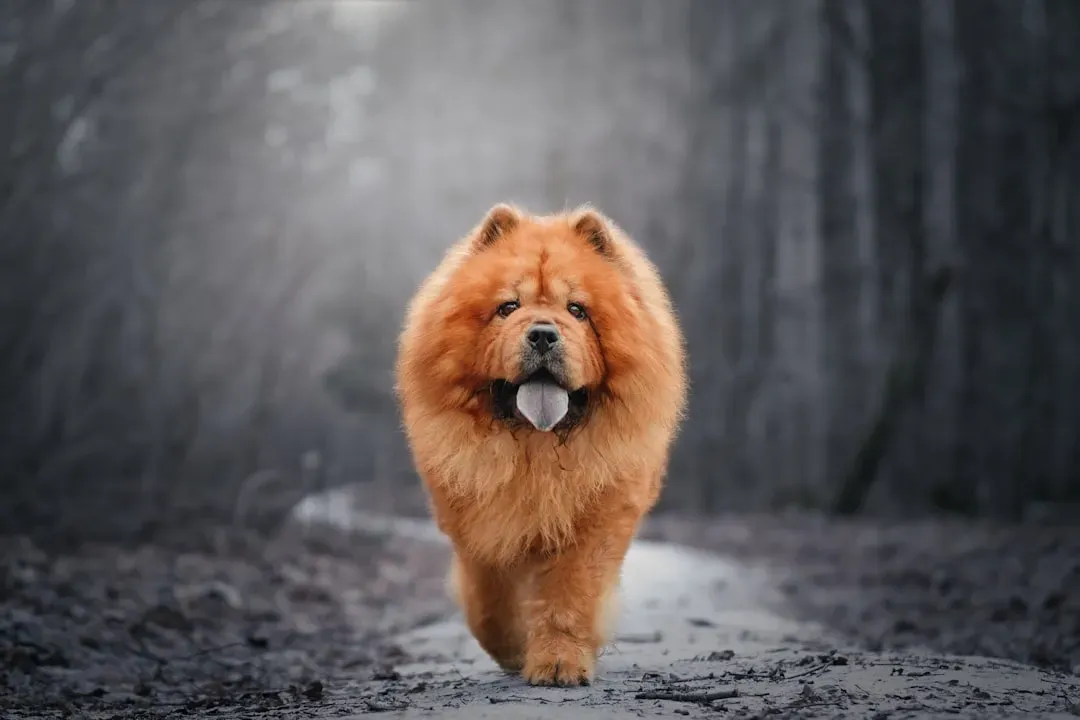
Chow Chows are known for their dignified and calm appearance, but they can be aloof and independent, making them less than ideal for families with young children, while they bond closely with their owners, they tend to be standoffish with strangers and other pets, and their stubbornness can make training difficult, with their territorial nature potentially leading to aggressive behavior if not properly managed.
Their thick lion-like mane and scowling expression hint at what’s beneath: a dog that prefers solitude and control over their domain. They’re not social butterflies hoping to make friends at the dog park.
Chow Chows are dignified and independent dogs that often prefer to keep to themselves, can be wary of strangers and are not known for their patience with other pets in the home, and their dominant personality means they often want control of their environment, which can spark conflict when another animal enters the picture. These ancient Chinese dogs have guarded homes for centuries, and that job description doesn’t include welcoming other animals with open paws.
Belgian Malinois and Their Intense Working Drive
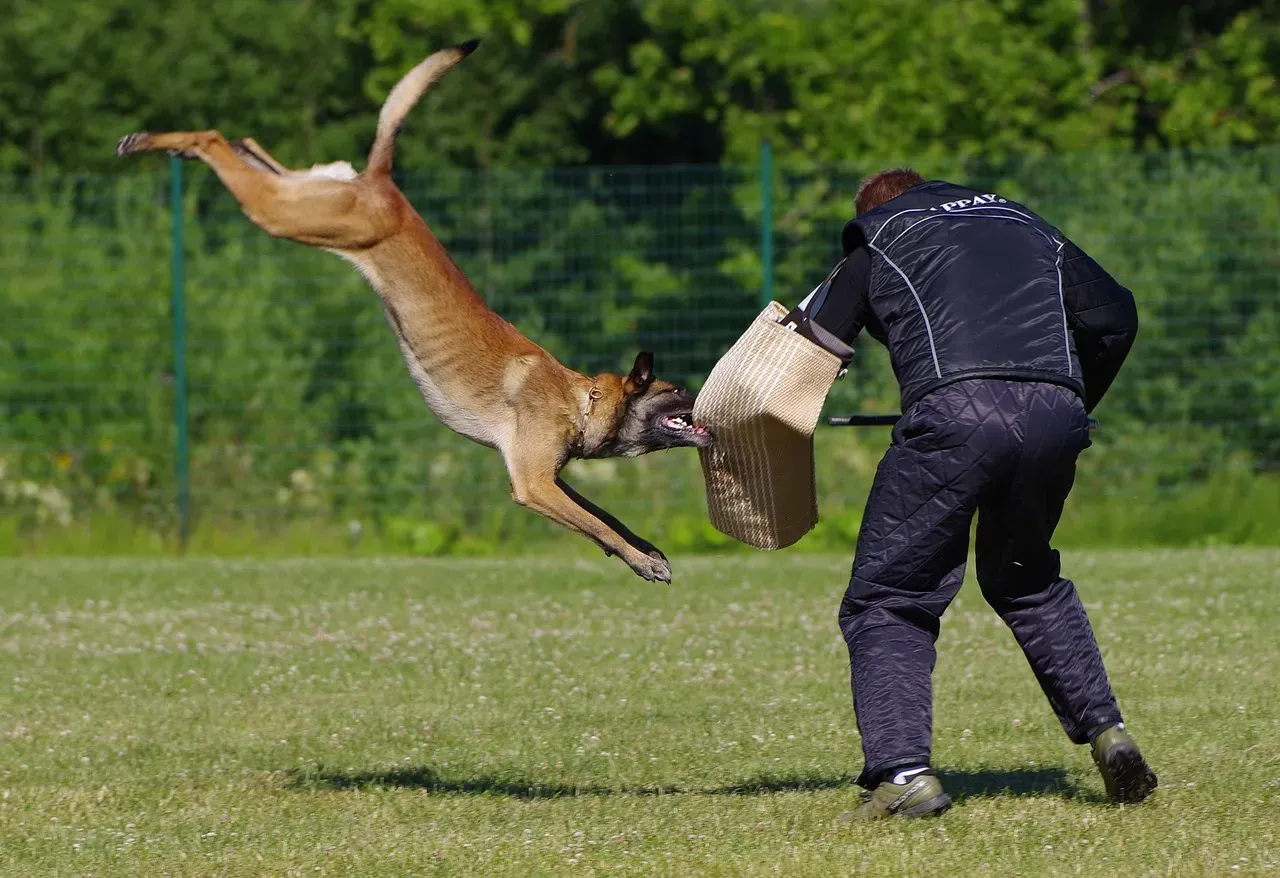
The Belgian Malinois is a highly intelligent, energetic breed that excels in police and military roles, their protective nature means they are highly territorial, which can lead to aggressive behavior if they feel their family is threatened, this breed requires a firm and consistent leader, and training can be difficult without it, and although loyal to their family, their aloofness toward strangers can make them a difficult fit for households with frequent visitors or other pets.
These dogs aren’t pets in the traditional sense. They’re athletes, protectors, workers who need constant mental challenges. With sharp intelligence and a sleek build, this breed is a true athlete, often employed in military and police roles, thriving on challenges, but their fierce loyalty comes with protective instincts that may cause them to see smaller animals as prey, so supervision is essential in multi-pet households.
Their drive to protect can translate into viewing the family cat as either something to herd or something that doesn’t belong. Neither scenario ends well for peaceful cohabitation.
Dogo Argentinos and Their Big Game Hunter Mentality
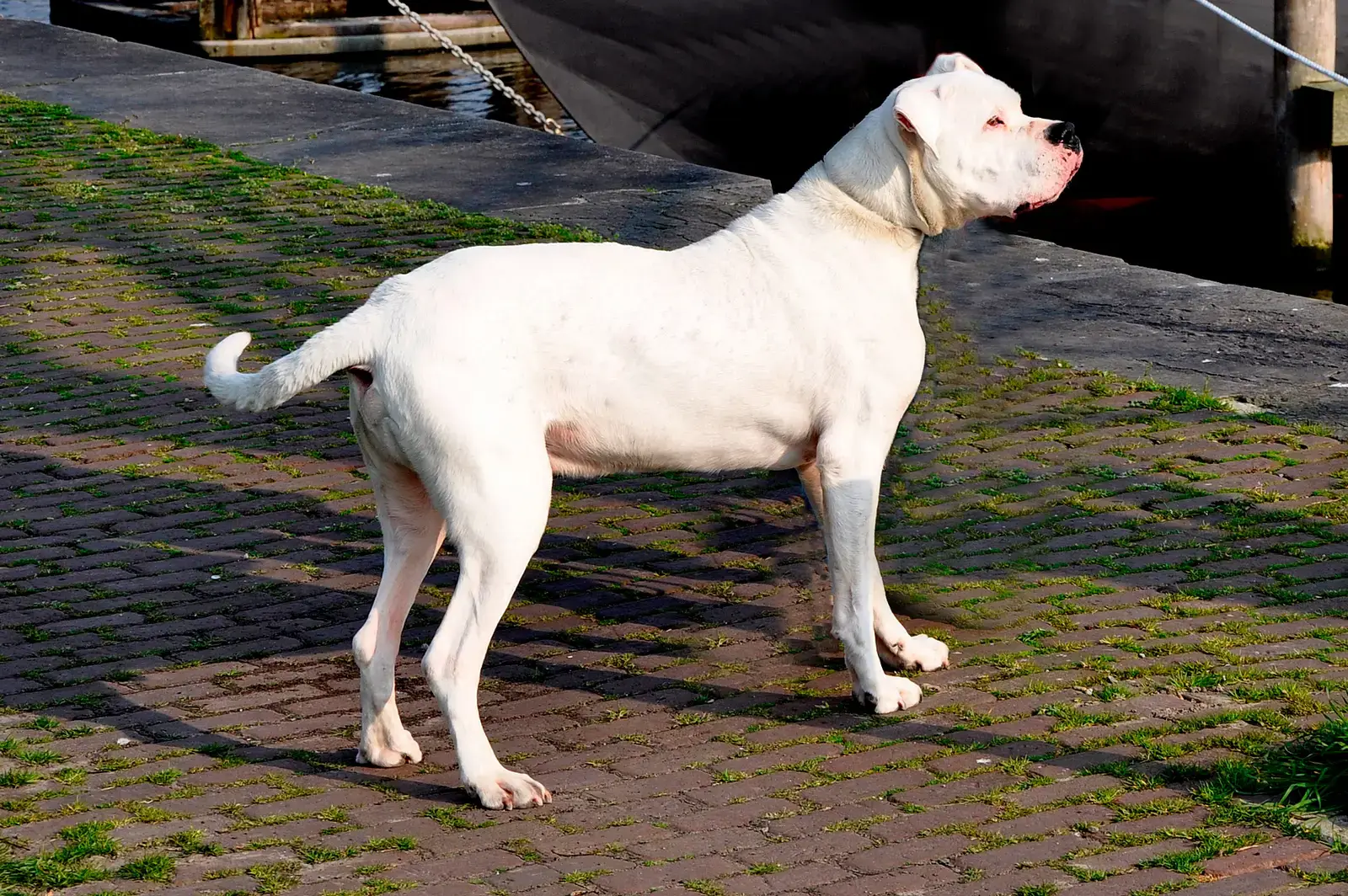
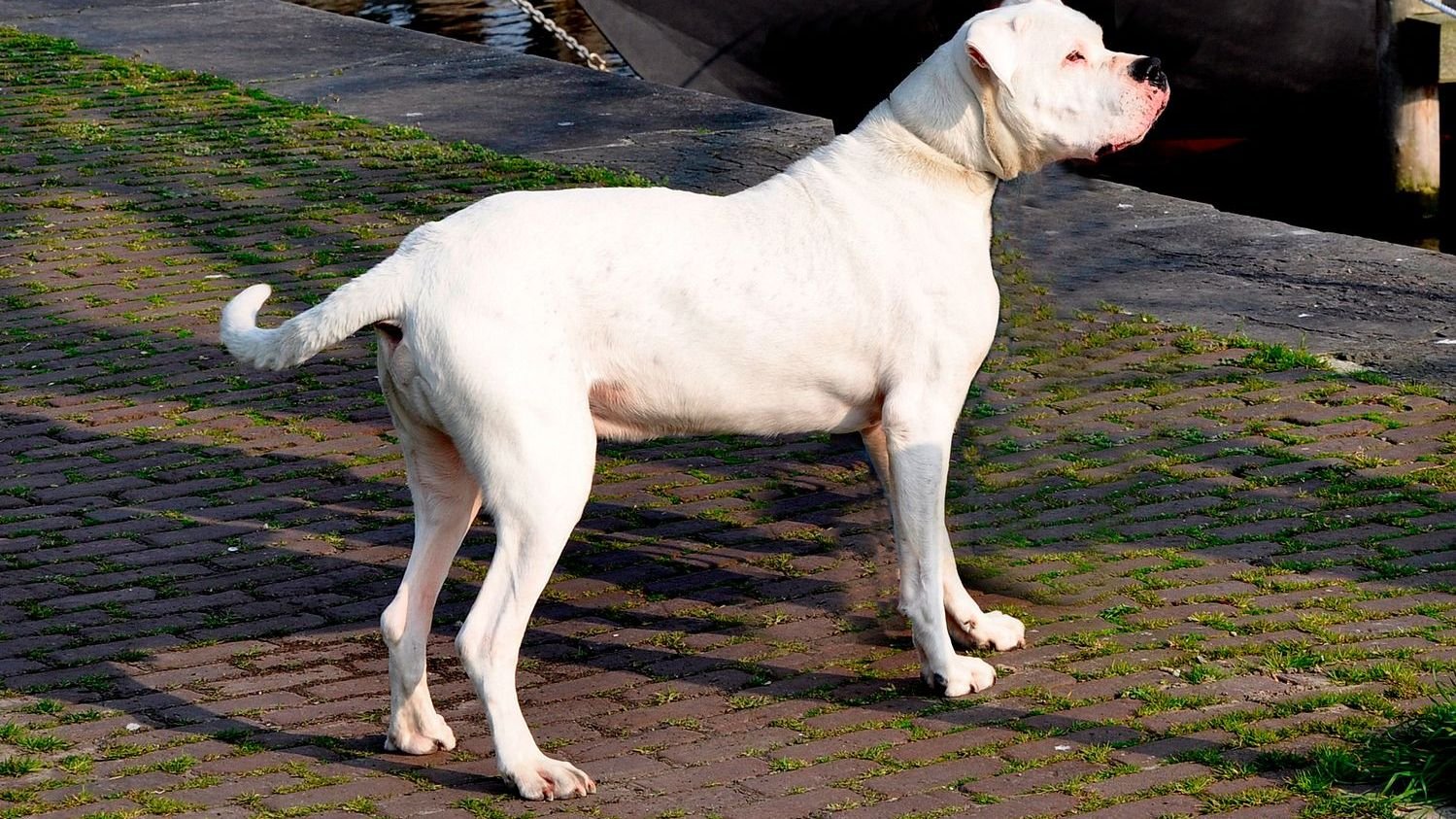
The Dogo Argentino was developed in Argentina for big game hunting and protecting territory from wild predators like mountain lions, with an imposing build weighing between 88 to 100 pounds and standing up to 27 inches tall, this breed exudes power and dominance, fiercely loyal and protective of its family, the Dogo Argentino possesses an intense territorial instinct that demands responsible handling, and their naturally high prey drive, especially toward smaller animals, makes them unsuitable for multi-pet households.
Picture a dog bred to hunt wild boar and pumas. That’s the Dogo Argentino’s resume. They’re stunning, loyal, and incredibly powerful, yet those same qualities make them dangerous around smaller household pets.
Even with early introductions, this breed rarely accepts unfamiliar people or pets comfortably. Their instinct to chase and capture runs so deep that even the best training provides only a thin layer of control. One moment of distraction, one squeaky toy that sounds like prey, and everything can go sideways.
Conclusion
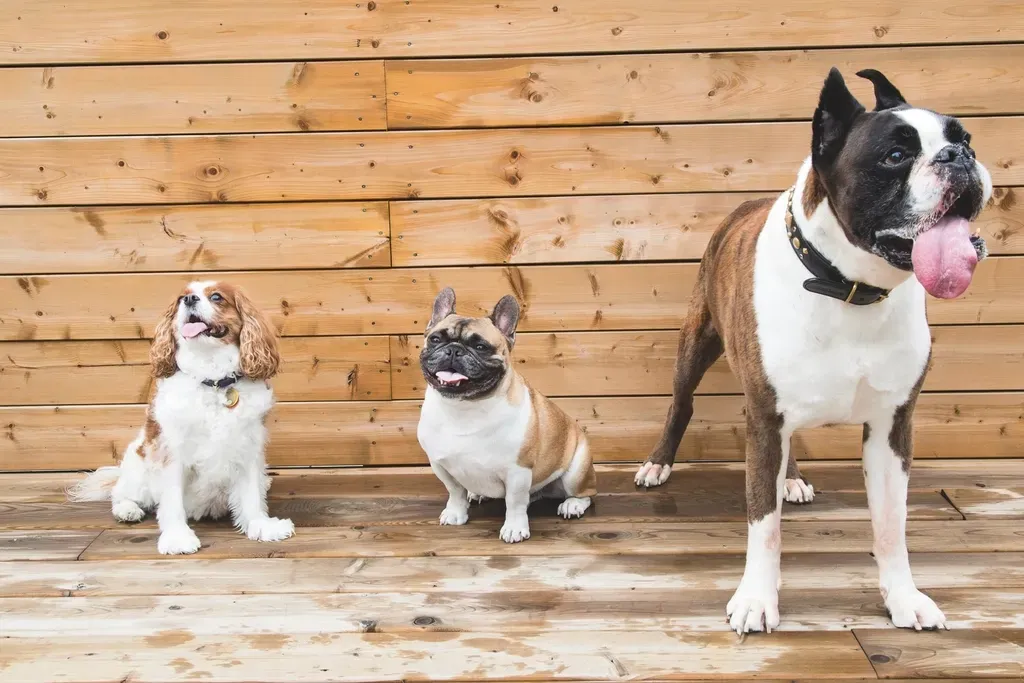
Here’s the thing. None of these breeds are bad dogs. They’re just dogs being exactly what they were bred to be: hunters, guardians, protectors with instincts honed over centuries. The failure isn’t theirs, it’s ours when we misunderstand their needs and place them in homes where they can’t succeed.
The dogs’ breeds, physical characteristics, ages, health status, temperaments, and backgrounds can all affect their relationship. If you’re dreaming of a bustling multi-pet household, choosing one of these breeds means accepting constant vigilance, extensive training, and sometimes, the heartbreaking reality that it simply won’t work.
They deserve homes where they can thrive without fighting their nature every single day. So does every other pet in your house. What do you think? Have you experienced these challenges firsthand? Share your story in the comments below.


