
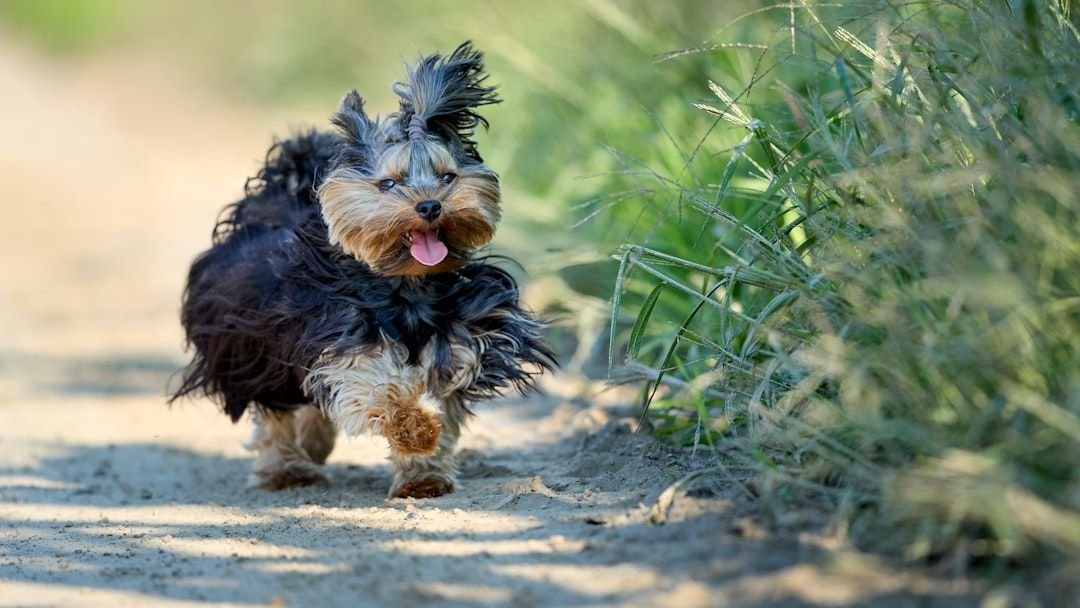
You know the feeling. You’re watching someone else’s dog walk perfectly beside them, responding instantly to every command like they’re auditioning for a reality TV show. Then there’s you, being yanked down the sidewalk by your furry hurricane. You’re wondering if maybe you missed a chapter in dog ownership. Honestly, it might not be your fault.
Some breeds are born with minds of their own, making traditional training feel like negotiating with a toddler who speaks a different language. The most stubborn dog breeds tend to be intelligent, independent, and occasionally infuriating. These dogs weren’t designed to please you. They were bred for work that required split-second decisions without waiting for permission. That independence streak is still alive today, turning every training session into a battle of wills. Let’s talk about the breeds that test even the most patient among us.
The Afghan Hound: Beauty With a Stubborn Soul
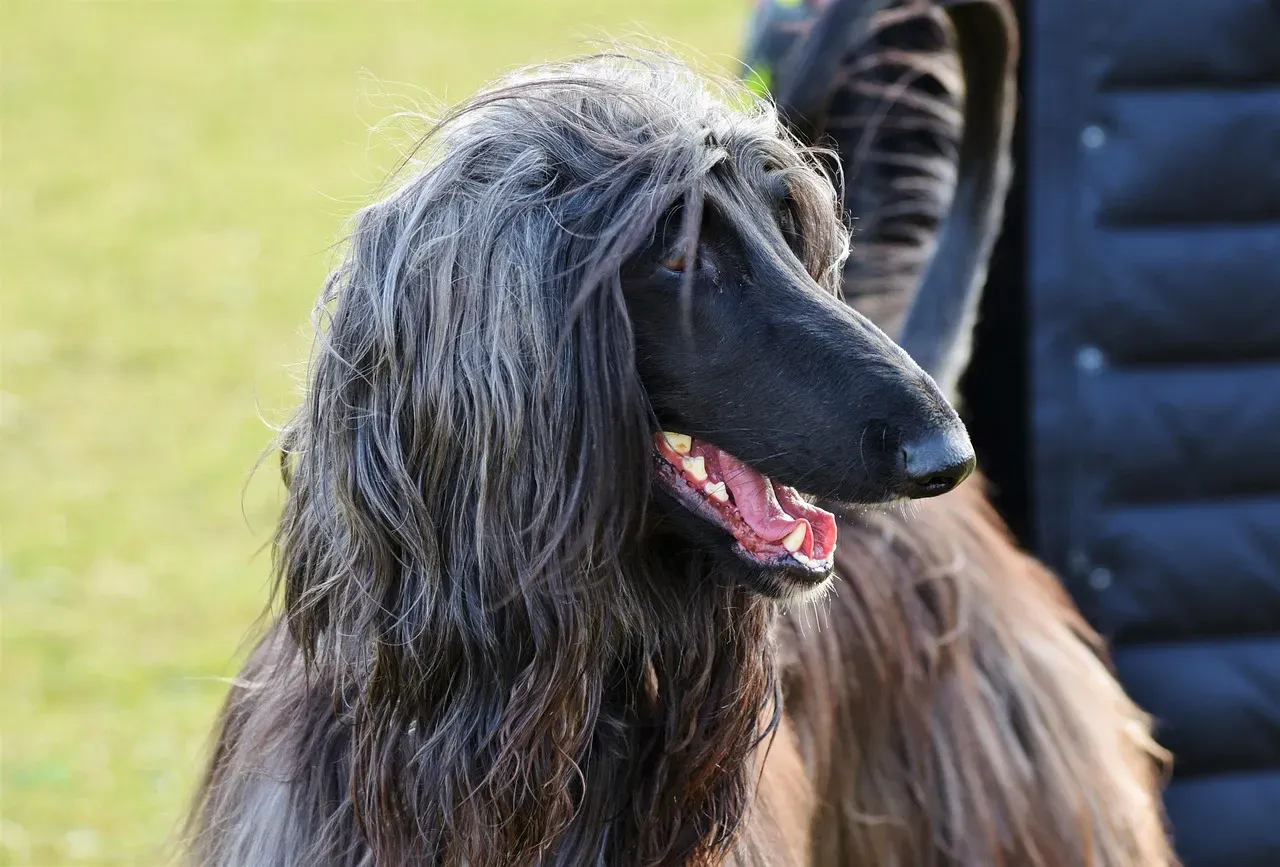
With its elegant appearance and aloof demeanor, the Afghan Hound is a classic stubborn breed, originally bred for hunting with a strong independent streak and can be aloof during training sessions. These dogs seem to know exactly how gorgeous they are, and they use it to their advantage. Picture this: you’re calling your Afghan, they hear you perfectly, and then they simply choose to continue staring majestically into the distance.
One of the most difficult challenges of training an Afghan Hound is that they will seem to take well to training at first, but later they might decide they no longer want to listen, which can be very frustrating for their owners. They’re intelligent enough to learn commands quickly. The problem is they question whether those commands are worth following. Known for their independent nature and aloof demeanor, Afghan Hounds can be a bit stubborn when it comes to training, requiring dedicated training and a gentle, reinforcement-based approach.
Siberian Huskies: The Ultimate Escape Artists
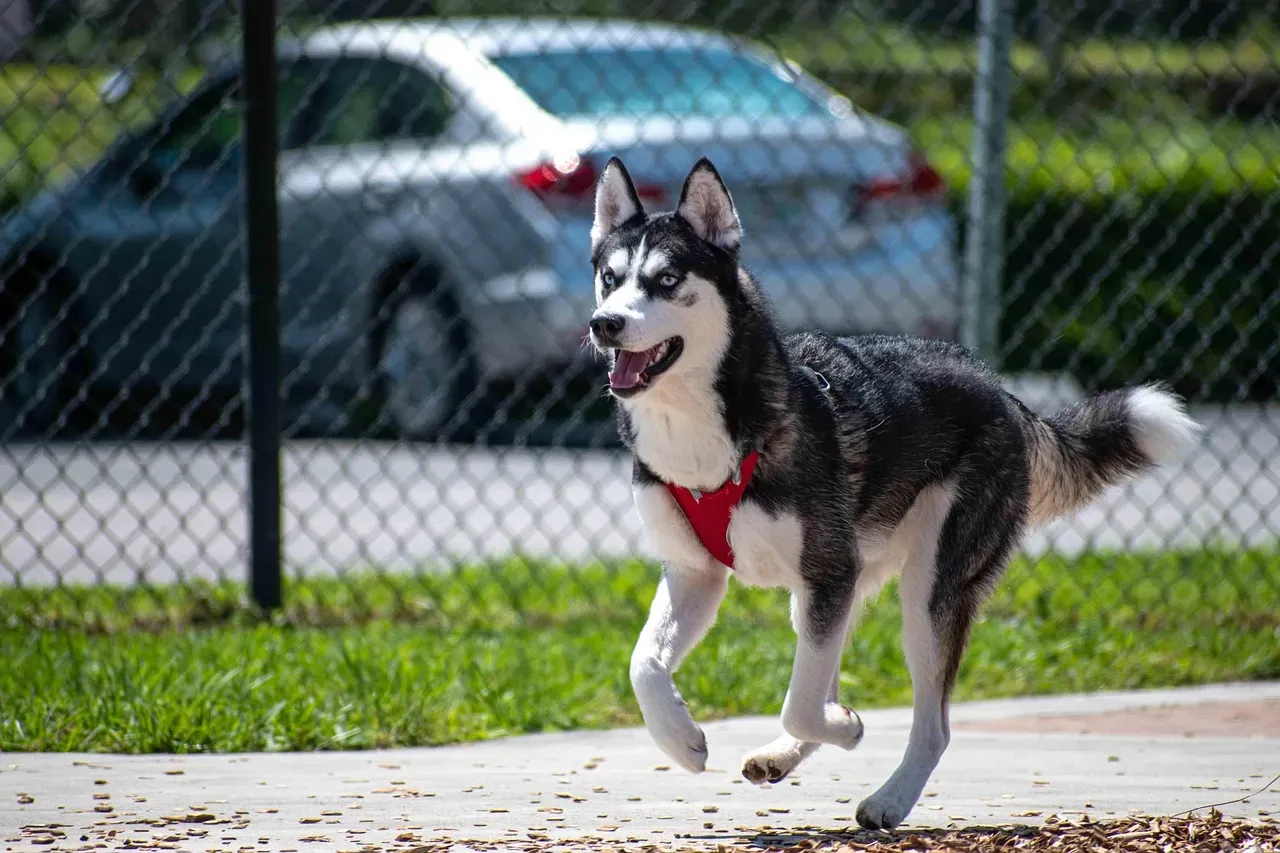
Huskies are famous for their stubborn behavior, bred to pull sleds in harsh climates, they’re independent thinkers who love to run and explore, often ignoring commands, especially if off-leash. If you’ve ever seen a Husky owner at a dog park, they’re probably the one sprinting after their dog who has absolutely no intention of coming back. These dogs don’t ignore you out of spite. They just have somewhere more important to be.
They are intelligent and independent, which can make training a challenge, needing a lot of exercise and mental stimulation to prevent boredom, which can lead to destructive behavior. Boredom is a Husky’s worst enemy. Without proper outlets, they’ll create their own entertainment, which might involve redecorating your living room with couch stuffing. A Siberian Husky’s need for exercise is so strong, it’s less of a request and more of a mandatory activity you’ll be sharing with them.
Their energy levels are relentless, and their stubbornness is legendary. They’ll test your patience daily, making you wonder if you adopted a dog or a full-time personal trainer.
Basenjis: The Clever Cat-Dog Hybrid
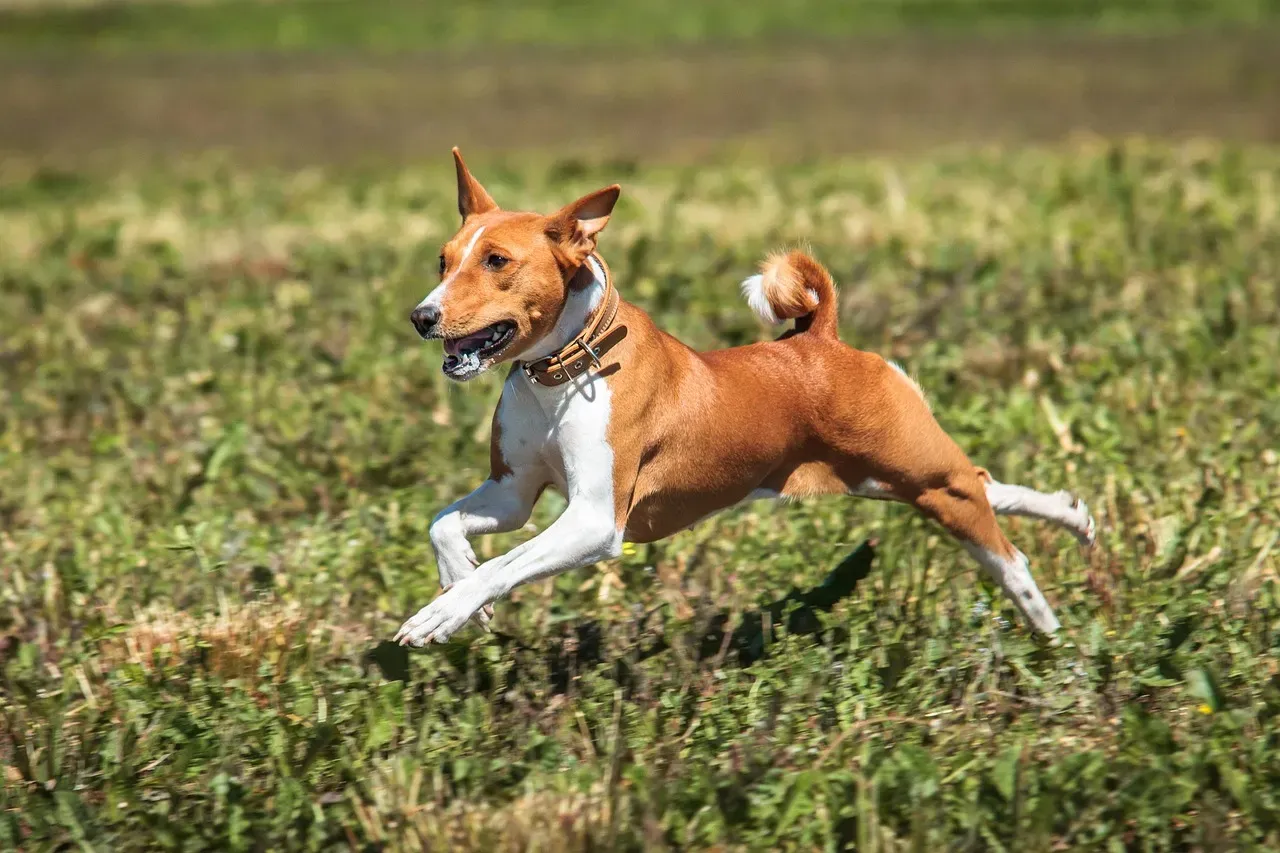
Basenjis are known for their cat-like personalities, being both independent and intelligent, notoriously difficult to train due to their stubborn nature, curious and easily bored, requiring creative training techniques to keep them engaged. They’re also famously known as the barkless dog, which sounds like a blessing until you realize they’ve replaced barking with an eerie yodel.
Training a Basenji can feel like negotiating with a clever, self-assured roommate, incredibly intelligent yet notoriously stubborn, often preferring to do things on their own terms. They evaluate every command like it’s optional. If they don’t see the benefit, they simply won’t participate. Traditional training drills bore them senseless.
They thrive on mental stimulation, so traditional drills won’t cut it, creative methods like puzzle games and scent challenges help keep their sharp minds engaged, with high prey drive and curiosity that can easily override recall. You’ll need to constantly change your approach, keeping things fresh and challenging. Repetition is your enemy with this breed. Their intelligence is both their greatest gift and biggest curse.
Beagles: Nose First, Commands Never
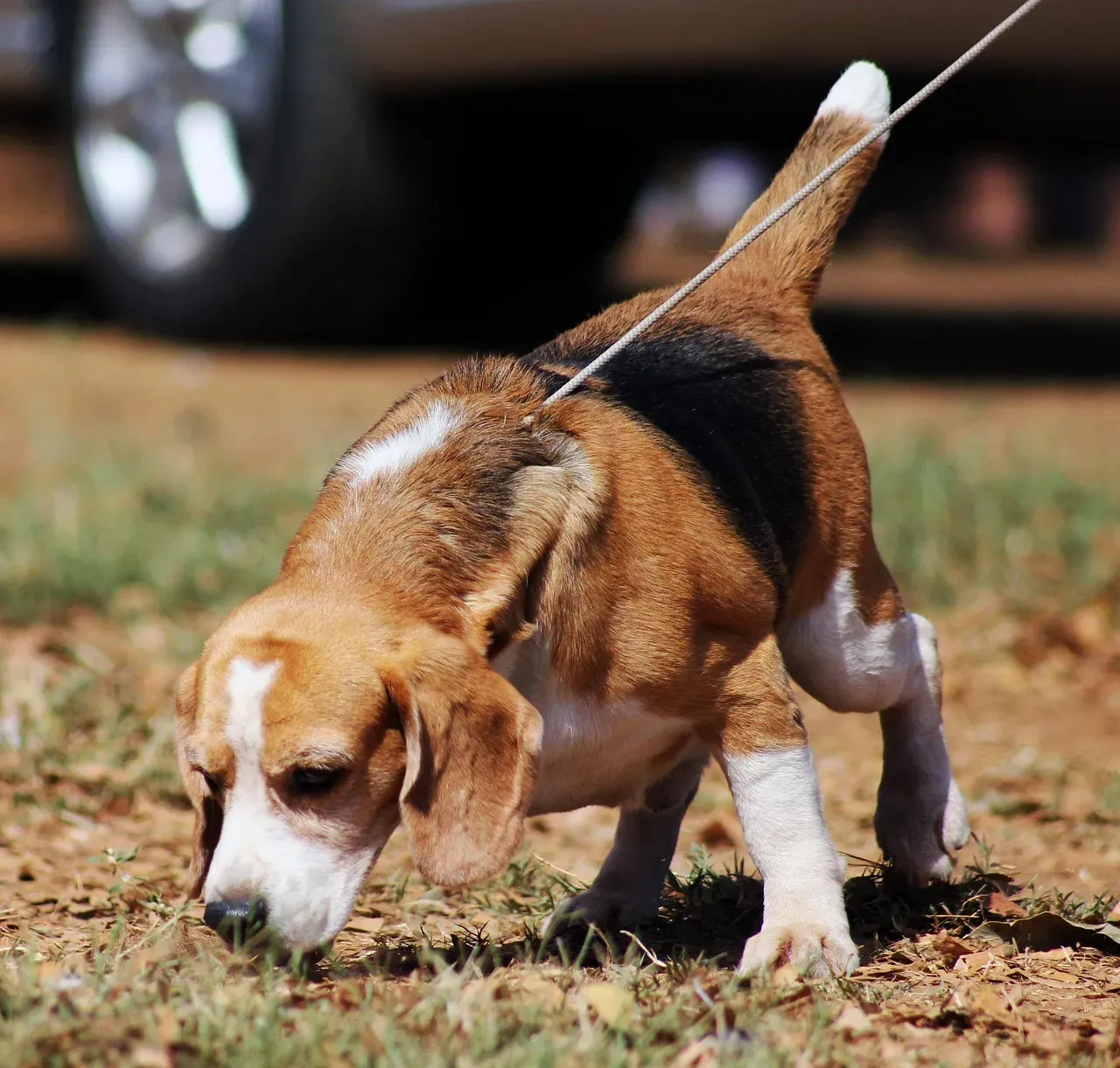
Beagles have a nose for everything, with this breed’s exceptional sense of smell often leading them to be easily distracted by scents, making training a challenge. Watching a Beagle during training is like watching someone try to study while their phone keeps buzzing. Every scent is a text message they absolutely must check.
Another scent hound, the Beagle is friendly, loving, and notoriously difficult to train, with an independent streak and incredible nose meaning it will often ignore its owner’s calls when on a scent trail. When they lock onto a smell, you cease to exist. Your commands become background noise to their olfactory adventure. It’s not defiance, it’s biological programming.
One thing that Basset Hounds are known for is being difficult to house train, a process that takes longer than with other breeds, and they will also follow their nose everywhere, usually disregarding any of your commands. Honestly, potty training a scent hound is an exercise in extreme patience. You’ll celebrate small victories like they’re Olympic gold medals, because with these dogs, they genuinely are.
Chow Chows: The Dignified Defiers
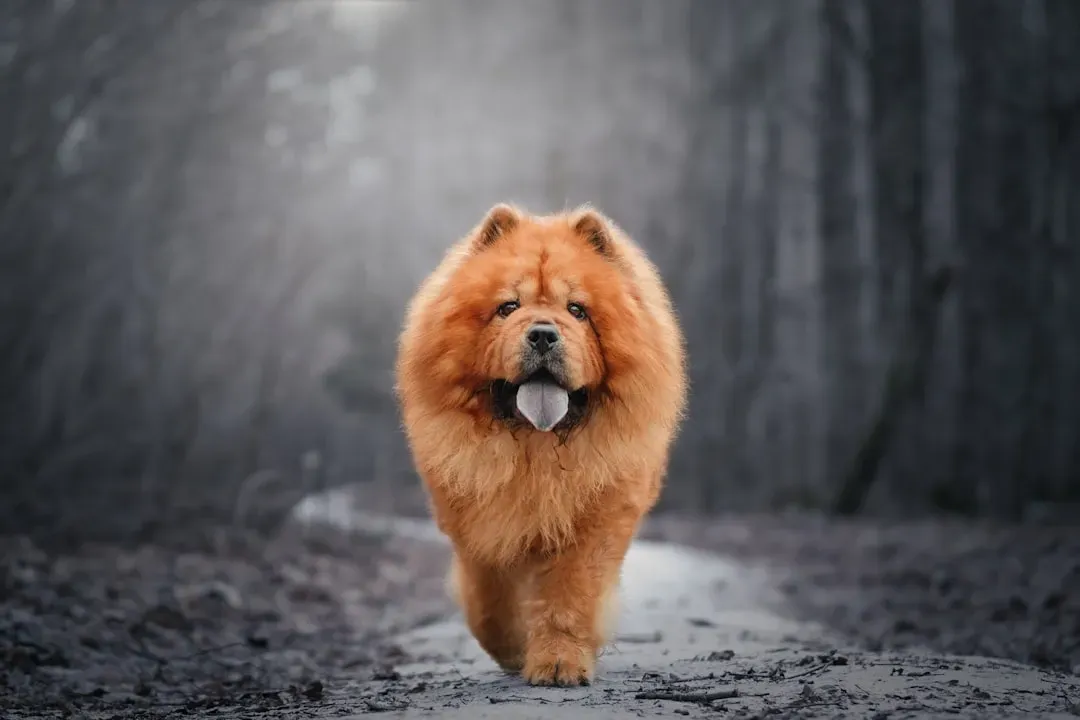
Chow Chows are notoriously difficult to train because they don’t possess the eager-to-please nature found in many other breeds, instead they’re strong-willed and discerning, often questioning the necessity of commands before acting. They look like teddy bears, but their personalities are more like grumpy aristocrats who tolerate your presence.
Their independence requires an owner who can establish calm authority early on, using consistency and patience rather than force, with a tendency toward aloofness, these dogs form deep bonds with their families but can be wary of strangers, and without early socialization, they may develop overprotective instincts. Socialization is critical. Skip it, and you’ll have a beautiful, fluffy liability on your hands.
Their stubbornness isn’t malicious. They simply believe they know better than you do. Getting a Chow to obey requires earning their respect, which takes months, not days. Force or harsh corrections backfire spectacularly with this breed.
Jack Russell Terriers: Small Package, Massive Attitude
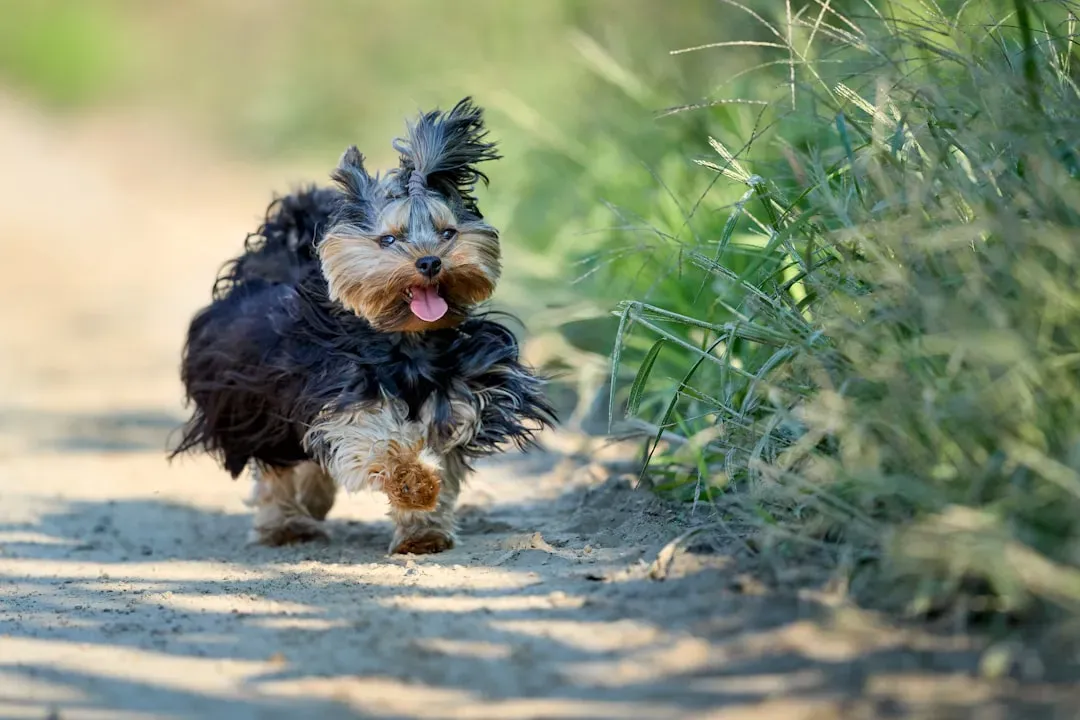
For a small dog, the Jack Russell Terrier sure has a big fursonality, known for their fun-loving and independent attitude, with a streak of stubbornness that makes them difficult to train. Don’t let their size fool you. These little dynamos pack the energy of a dog three times their size and the stubbornness to match.
Jack Russell terriers need 30 to 45 minutes of vigorous daily exercise, not to mention lots of off-leash play in an outdoor space, to let off their excess energy. Without adequate exercise, they become tiny tornados of destruction. They were bred to hunt vermin, which means they’re fearless, relentless, and utterly convinced they’re in charge.
These energetic terrier breeds are as clever as they are stubborn, bred to hunt small prey like foxes, so it’s no surprise they often act like they’re on their own mission, doing best with structured routines and plenty of exercise. They’ll outsmart you if given half a chance. Training requires staying one step ahead, which is exhausting. Their intelligence makes them excellent problem solvers, unfortunately, they often solve problems you didn’t want solved, like how to escape the yard.
Conclusion
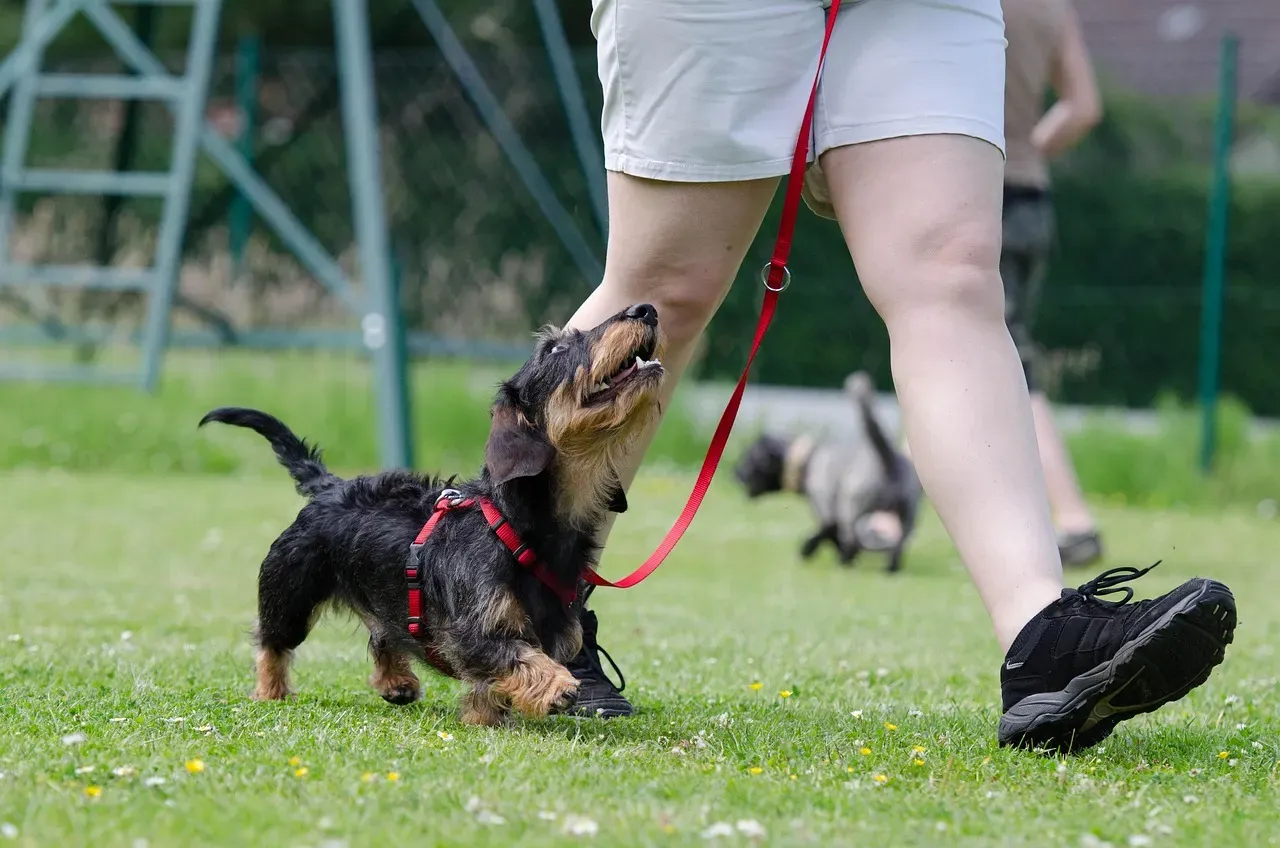
Living with a stubborn breed isn’t for everyone. These dogs demand more than basic obedience classes and weekend walks. Training difficult to train dog breeds isn’t just about following a set of techniques, it’s about understanding and patience, and by embracing these challenges, you can build a stronger bond with your furry friend. They’ll test your limits, push your buttons, and make you question your sanity on a regular basis.
While these breeds are renowned for being the hardest dogs to train, there is no untrainable pup, the breeds listed above just require more dedication, patience, and perseverance, and training a stubborn dog can actually prove a heck of a lot more rewarding! The key is accepting who they are instead of fighting their nature. Work with their instincts, not against them. Keep training creative, consistent, and positive.
These breeds aren’t broken. They’re just wired differently. With the right approach and realistic expectations, even the most headstrong dog can become a devoted companion. So what do you think? Are you patient enough to take on one of these challenging breeds?


