

Picture this: three slender dogs with sandy coats running along a Tunisian beach, their lean bodies cutting through the wind with effortless grace. Nemcha, Zina, and Zouina are North African Sloughi hounds, and they’re completely unaware that their ancient bloodline is fighting for survival. The CCT estimates that fewer than 200 pure-bred Sloughis remain in Tunisia, making them rarer than many critically endangered wildlife species.
These aren’t just any dogs – they’re living pieces of history. The Sloughis have for many centuries accompanied nomadic societies across North Africa, and have been featured in art and lore dating back at least to the Roman era. Yet modern life is slowly erasing their presence from the deserts where they once ruled as swift hunters and loyal guardians. The situation is becoming increasingly desperate. Recent years have seen a spike in unregulated crossbreeding, mixing the local Sloughi with other hounds often brought in from abroad to boost its speed for dog races. It’s like watching a masterpiece being painted over with cheap colors – the original beauty gets lost forever.
Desert Royalty with Ancient Roots
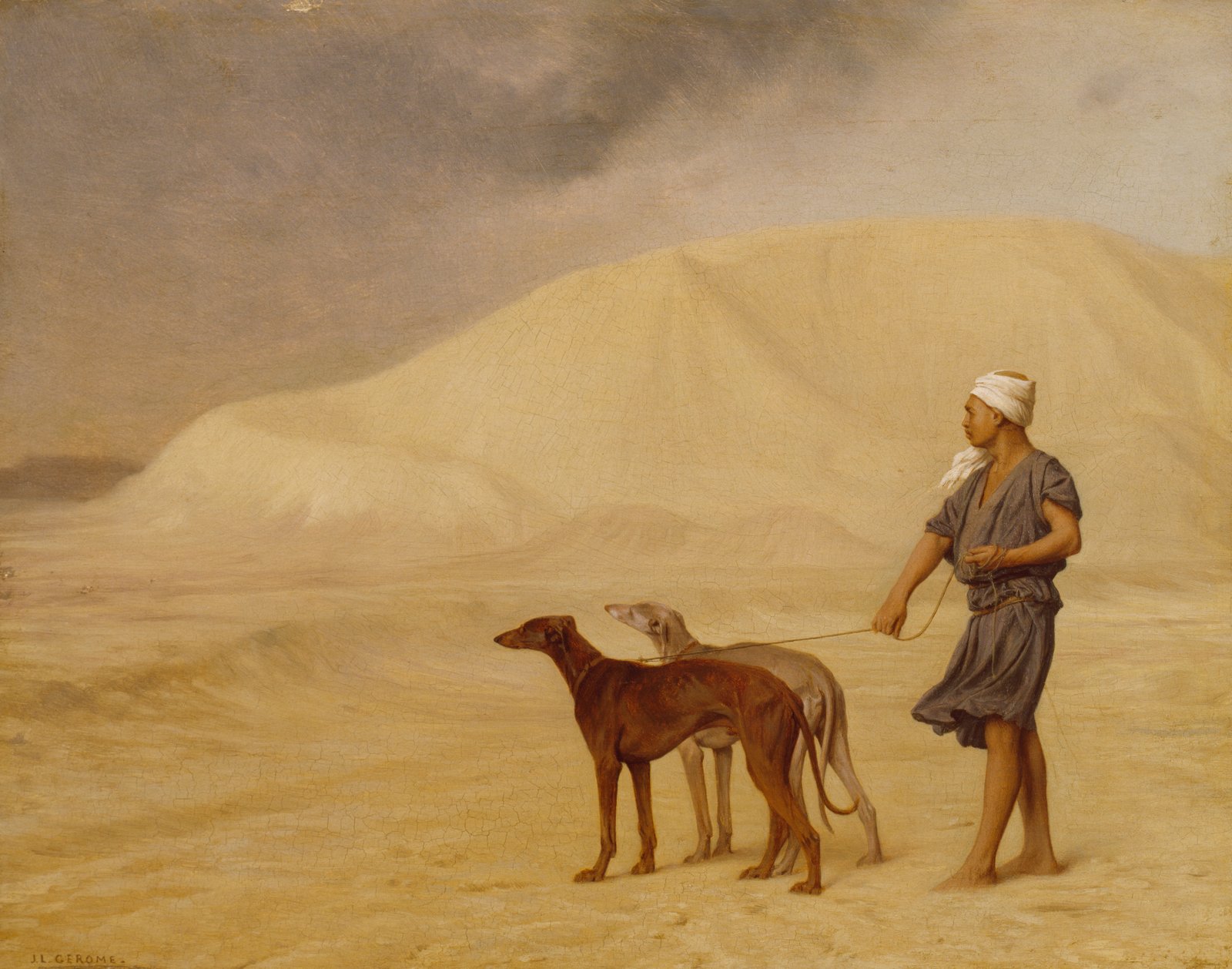
The Sloughi is an ancient dog breed of sighthound developed in the North African area that includes Algeria, Libya, Morocco, and Tunisia. The exact origins of the breed are unknown, but it may date back as far as 8000 – 7000 B.C. That’s older than the pyramids! These dogs didn’t just witness history – they helped shape it.
For centuries, or possibly even millennia, the Sloughis have been vital companions to desert nomads, helping them hunt and guard livestock. Think of them as the original multi-purpose tool of the desert, capable of chasing down gazelles across scorching sand dunes while protecting families from predators at night.
“Running like a Sloughi” is still a common saying in Tunisia, showing just how deeply these dogs are woven into the cultural fabric. But culture without preservation is just a memory waiting to fade.
The Passionate Guardians Fighting Back
Meet Olfa Abid, a 49-year-old veterinarian who’s become something of a guardian angel for the Sloughi breed. Walking her three dogs along the Tunisian coast, she speaks with the intensity of someone who knows time is running out. “The age-old breed is ‘part of our heritage, our history’… ‘We must protect the Sloughi,’ said Abid”.
Abid isn’t alone in her fight. There’s also Hatem Bessrour, a 30-year-old agricultural engineer and proud owner of a Sloughi named Cacahuete. Bessrour called on fellow dog owners to register their pure-bred hounds with the national canine centre to support its breeding programme. The breed is part Tunisia’s heritage, he said. “We must care for it just like we care for antiquities and archaeological sites”.
These aren’t professional conservationists or wealthy philanthropists – they’re ordinary people who’ve fallen in love with an extraordinary breed. Their passion is infectious, and it’s what gives hope to this endangered species.
The Official Rescue Mission
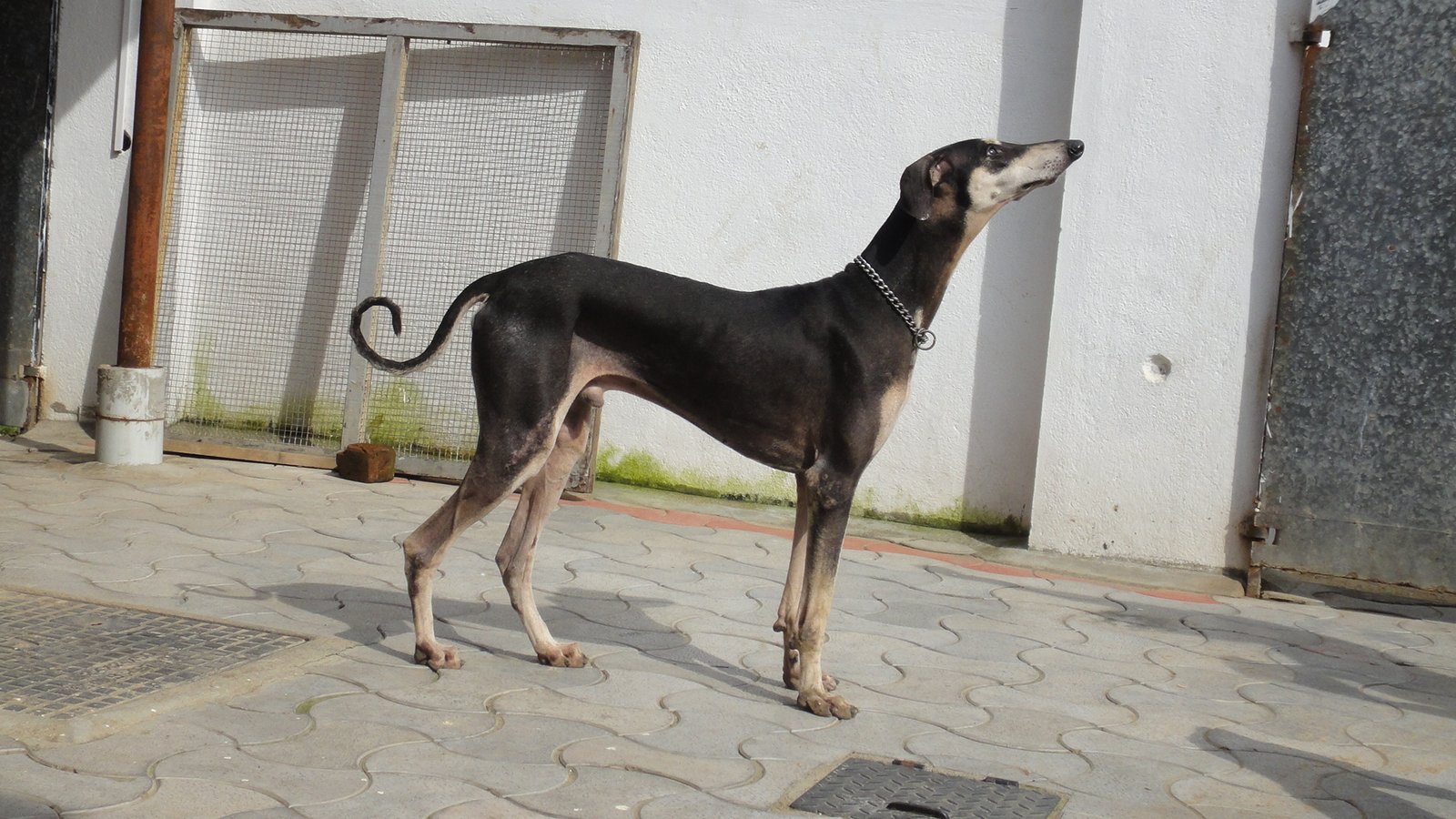
National kennel club the Tunisian Canine Centre (CCT) has been working to raise awareness and safeguard the breed, including by creating a dedicated registry with a regulated breeding scheme. It’s like creating a genetic insurance policy for the future of the breed.
But the CCT has bigger ambitions than just local preservation. The organisation’s director Noureddine Ben Chehida said it also seeks to have the Tunisian Sloughi “recognised according to international standards” as a unique breed, under the guidelines of the International Canine Federation, the world’s main dog breed registry.
This international recognition isn’t just about prestige – it’s about survival. Such recognition would give the local Sloughi population a place on the international stage and help preserve its lineage at home. Think of it as putting the Sloughi on the global map before it disappears from its homeland forever.
What Makes These Dogs So Special
The Sloughi isn’t just another pretty face in the dog world. “It’s a noble dog that was the pride of its nomadic owners,” said Abid. “It’s a primitive hunter with a purpose when food was scarce”. They were bred for survival, not for show rings.
With their short coats in sandy hues or grey and arched backs, the hounds’ swift gait has earned them a precious spot in Tunisian folklore. Their appearance isn’t accidental – every feature was honed by generations of desert life, from their heat-resistant coats to their incredible speed.
Perhaps most remarkably, the Sloughi has also had a more privileged standing compared to most dogs that are generally considered impure in Islamic cultures. Unlike other breeds, Sloughis have traditionally been allowed indoors and would even eat beside their owners. This shows just how deeply valued these dogs were in their traditional society.
The Breeding Crisis Threatening Everything
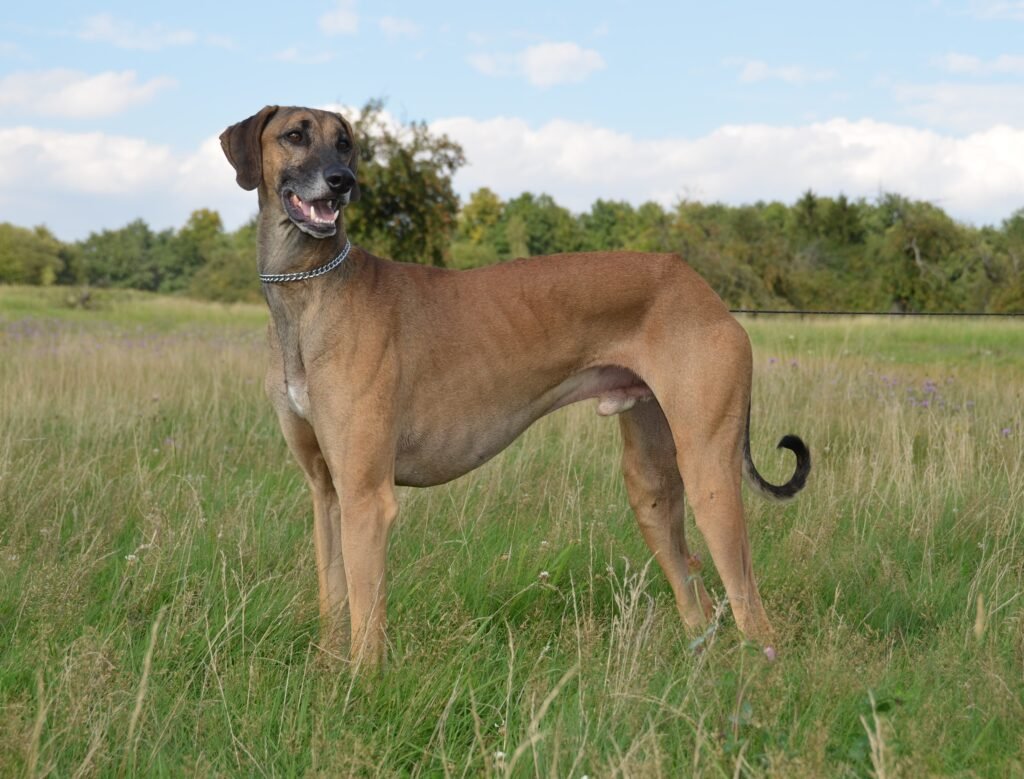
The biggest threat to the Sloughi isn’t disease or habitat loss – it’s genetic pollution. In the southern town of Douz, on the edge of the Sahara desert, dog breeder Nabil Marzougui said the “proliferation of hybrid breeds” is putting the Sloughis’ future at risk.
This isn’t accidental mixing – it’s deliberate crossbreeding for profit. People want faster dogs for racing, so they import foreign hounds and mix them with local Sloughis. The result might be a faster dog, but it’s no longer a true Sloughi. It’s like adding water to wine – you get more liquid, but you lose the essence.
The traditional nomadic lifestyle that shaped these dogs is also vanishing. Breeders and advocates say that unregulated crossbreeding, the decline of nomadic lifestyles and habitat shifts due to urbanisation mean that they might soon disappear. When the lifestyle disappears, the dogs that were perfectly adapted to that lifestyle become relics.
A Global Perspective on Breed Survival
The Sloughi’s story isn’t unique to Tunisia. Around the world, ancient dog breeds are disappearing as globalization homogenizes everything, including our four-legged companions. Although it is more popular now in Europe than in the U.S., it remains extremely rare.
Interestingly, in the countries of origin, the Sloughi is far more numerous. Annual Sloughi moussems in Morocco still attract hundreds of Sloughis and their hunter-owners from remote villages throughout the country. This shows that the breed isn’t extinct – it’s just under pressure.
However, the Sloughi is endangered by changing times and changing lifestyles. The modern world doesn’t need hunting dogs the way desert nomads did, but that doesn’t mean we should let thousands of years of selective breeding disappear.
Racing Against Time
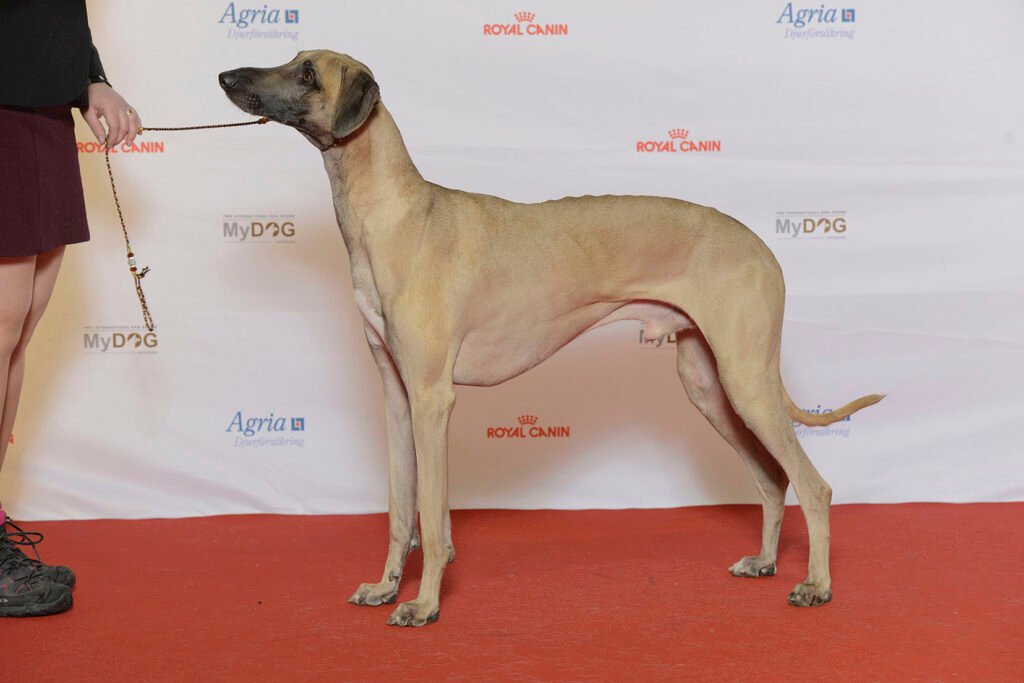
The story of the Tunisian Sloughi is really a story about all of us. It’s about what we choose to preserve and what we’re willing to let slip away in the name of progress. These dogs aren’t just animals – they’re living libraries of genetic information, cultural heritage, and thousands of years of human-animal cooperation.
The passionate dog lovers in Tunisia are fighting not just for a breed, but for a piece of their identity. They’re racing against time, against urbanization, against the economic pressures that make crossbreeding profitable and purebred preservation expensive. But their dedication gives us hope that this ancient desert hound might continue to run across North African landscapes for generations to come.
When Olfa Abid wraps her arms around her Sloughi on that Tunisian beach, she’s not just hugging her pet – she’s embracing history itself. The question now is whether the rest of the world will help her hold on to it.


