
Have you ever wondered if your dog truly remembers you after a long time apart, or why they seem to forget where their favorite ball is just minutes after playing? The world of dog memory is packed with surprises, and understanding it can make our bond with our furry friends even deeper. Imagine what your pup could tell you if only they had the words! Get ready to explore the mysterious vault of canine memory—how it works, what they hold onto, and what they let slip away.
The Science Behind Dog Memory: More Than Just Instinct
Dog memory is a fascinating blend of instinct, learning, and emotion. Unlike humans, who rely heavily on episodic memory (the ability to recall specific events), dogs lean more on associative memory. This means they remember through links between experiences and emotions, rather than a timeline of events. For example, hearing your car keys might get them excited because they associate that sound with walks. Scientists have discovered that, while dogs don’t recall details like dates, their brains are incredibly adept at storing patterns and associations. This unique memory system helps them adapt quickly to routines and environments. Dogs’ brains, especially the hippocampus (the part responsible for memory), work differently from ours, focusing on what’s most important for survival and happiness. It’s not just about remembering facts—it’s about remembering feelings and actions that matter most to them.
Short-Term Memory: Why Do Dogs Forget So Quickly?
It’s almost comical how a dog can lose track of a treat you just tossed or forget where they buried a bone only minutes later. This is because dogs’ short-term memory, sometimes called working memory, is relatively brief—often lasting only a few seconds to a couple of minutes. While this might seem like a disadvantage, it’s actually nature’s way of helping them focus on the present. In the wild, remembering every tiny detail could overwhelm them, so they keep only the information that’s immediately useful. However, this doesn’t mean they’re forgetful in the ways that matter. If something is repeated or emotionally significant, it moves into their long-term memory. So, if your pup forgets the ball in the backyard, don’t worry—they’re just living in the moment, blissfully free from distraction.
Long-Term Memory: What Stays with Them?
Despite their fleeting short-term recall, dogs can remember important things for months or even years. Long-term memory in dogs is shaped by repetition and emotion. For example, your dog may remember your face, your scent, and the sound of your voice long after you’ve been away. They also recall routines, such as feeding times or the route of their daily walk, because these are associated with strong emotions and rewards. Even after a traumatic event, some dogs can carry memories for a lifetime, which is why abused animals may remain cautious or fearful. The power of repetition and positive reinforcement can etch memories deep into your dog’s mind, making them loyal companions who never forget the people and moments that matter most.
Emotional Memory: Why Dogs Never Forget a Friend or Foe
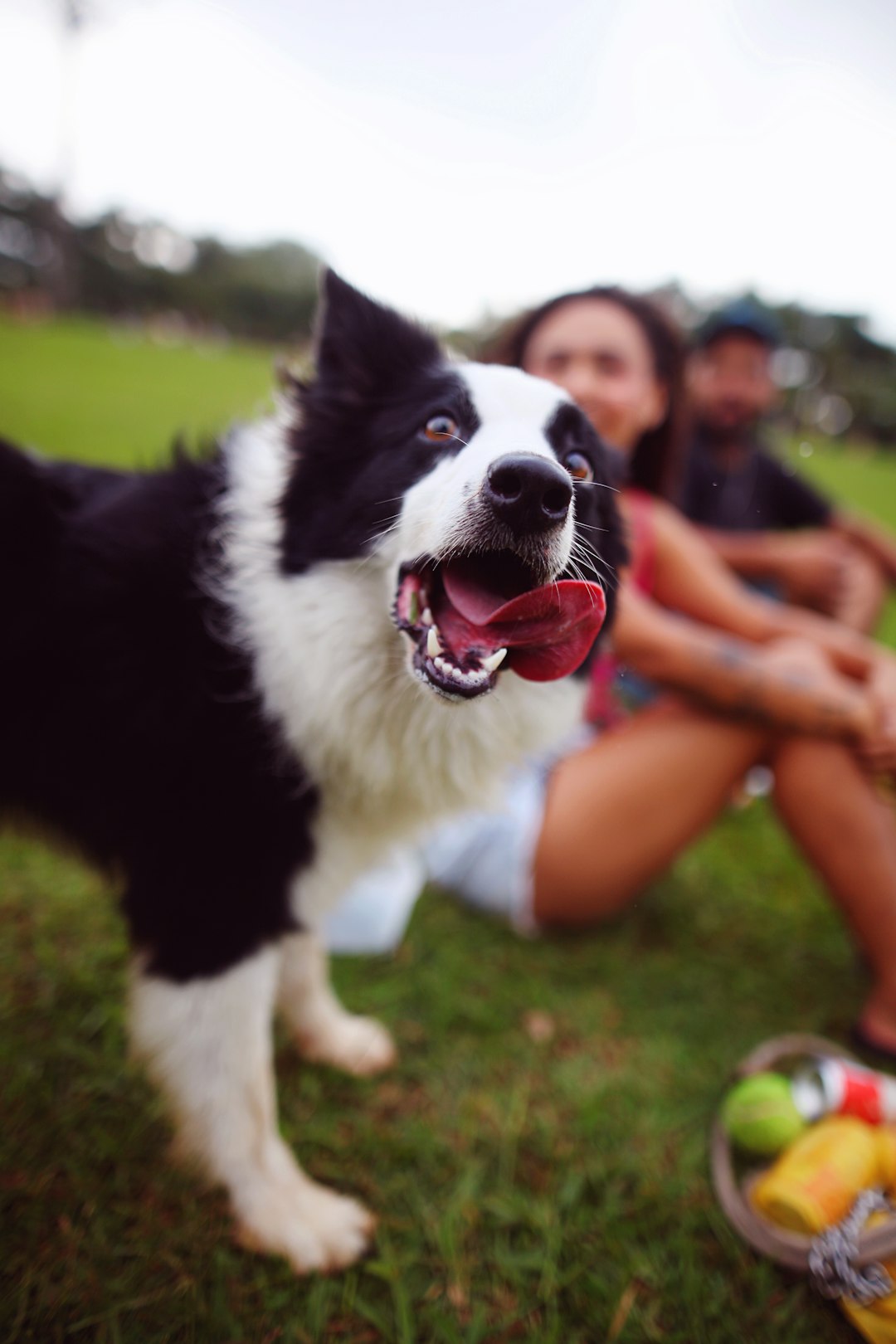
If you’ve ever seen a dog’s joyous reunion with a long-lost owner, you know their memory is tied deeply to emotion. Dogs are experts at remembering people and other animals who have had a significant impact on their lives. This emotional memory is why a dog will wag their tail furiously at a familiar face or cower at the sight of someone who once frightened them. Dogs don’t just remember what happened—they remember how it made them feel. The emotional bonds they form, whether positive or negative, can last a lifetime. This is why creating happy memories with your dog is so important; those moments of love and trust are treasured and never forgotten.
Associative Memory: Linking Sights, Sounds, and Smells

Dogs are masters at forming associations. They learn to connect the jingle of your keys with a car ride, the crinkle of a treat bag with a tasty snack, or even a certain park with the thrill of playing fetch. These associations are built over time and reinforced through repetition and reward. What’s truly remarkable is how quickly dogs can form these links—sometimes after just one or two experiences. Smells, in particular, are incredibly powerful for dogs, as their sense of smell is far superior to ours. A familiar scent can trigger a flood of memories, making a dog instantly recognize a person or place even after a long separation.
Do Dogs Remember Bad Experiences?

Unfortunately, dogs remember negative experiences just as strongly as positive ones. A single frightening trip to the vet or a harsh scolding can stick with them, sometimes leading to anxiety or avoidance in the future. This isn’t just about fear; it’s a survival instinct. Remembering bad experiences helps dogs avoid danger and stay safe. It’s why patience and kindness are so important during training. If a dog associates a command with fear, they may resist or become anxious. Conversely, gentle encouragement creates positive memories that make learning fun and rewarding. The memories of both good and bad shape a dog’s personality and behavior, often in ways we don’t immediately see.
Remembering Commands and Tricks: How Dogs Learn Over Time
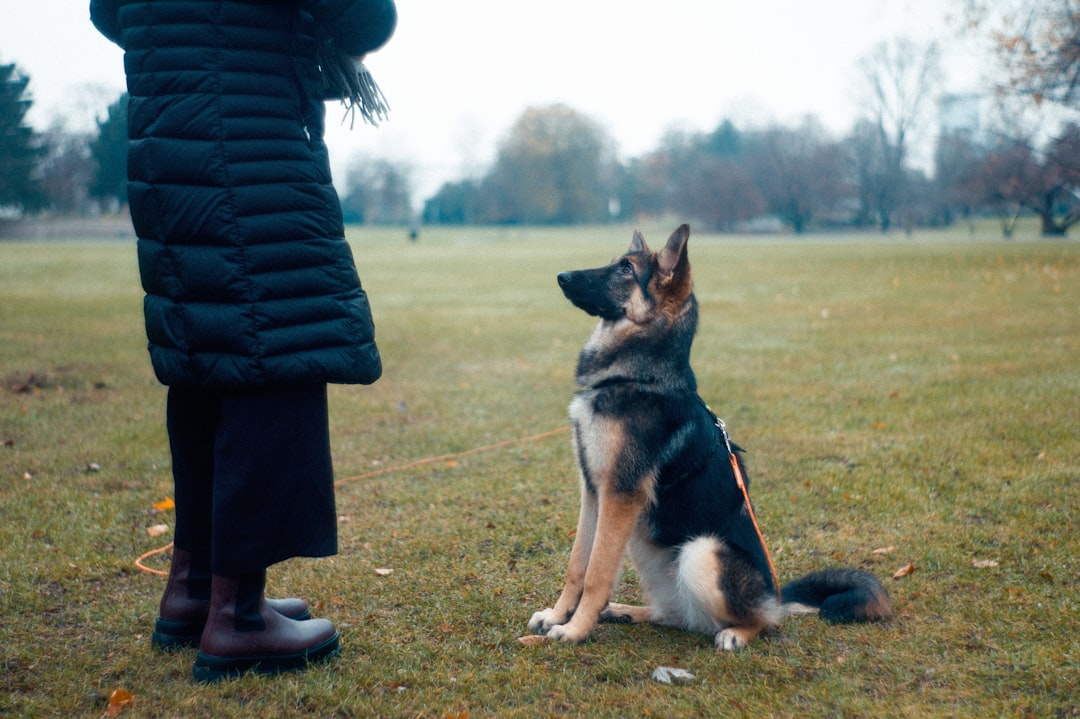
Ever wondered why your dog can remember “sit” or “stay” for years, even if you stop practicing for a while? That’s because repetitive training moves these commands into long-term memory. Dogs thrive on clear, consistent cues, and when commands are paired with rewards, they become almost automatic. However, if a command isn’t reinforced regularly, it can fade over time, just like any skill. Training that’s fun and engaging keeps memories fresh and strengthens the bond between you and your dog. While some breeds are naturally better at remembering and learning commands, every dog benefits from positive reinforcement and patience.
Do Dogs Remember Past Owners?
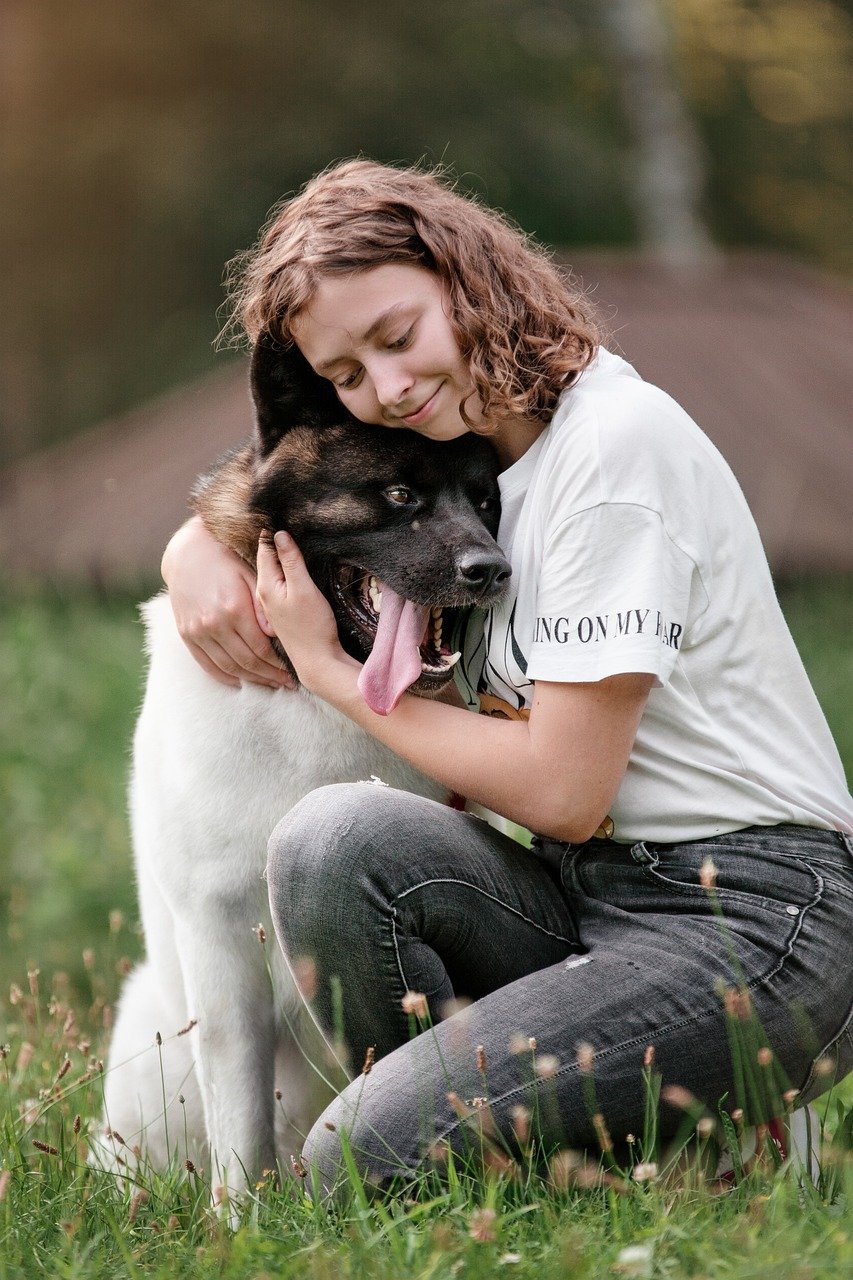
One of the most touching aspects of dog memory is their ability to remember people who have played a big role in their lives, even after years apart. There are countless stories of dogs who recognize former owners after long absences, showing sheer joy and affection. This type of memory is driven by a combination of scent, voice, and emotional connection. While every dog is different, most will remember the people who treated them with love and care. Even after adoption or rehoming, dogs can recall their past owners if the memories were strong and positive. This enduring loyalty is one of the reasons dogs are so beloved—they never truly forget those who mattered most.
Can Dogs Remember Other Animals?
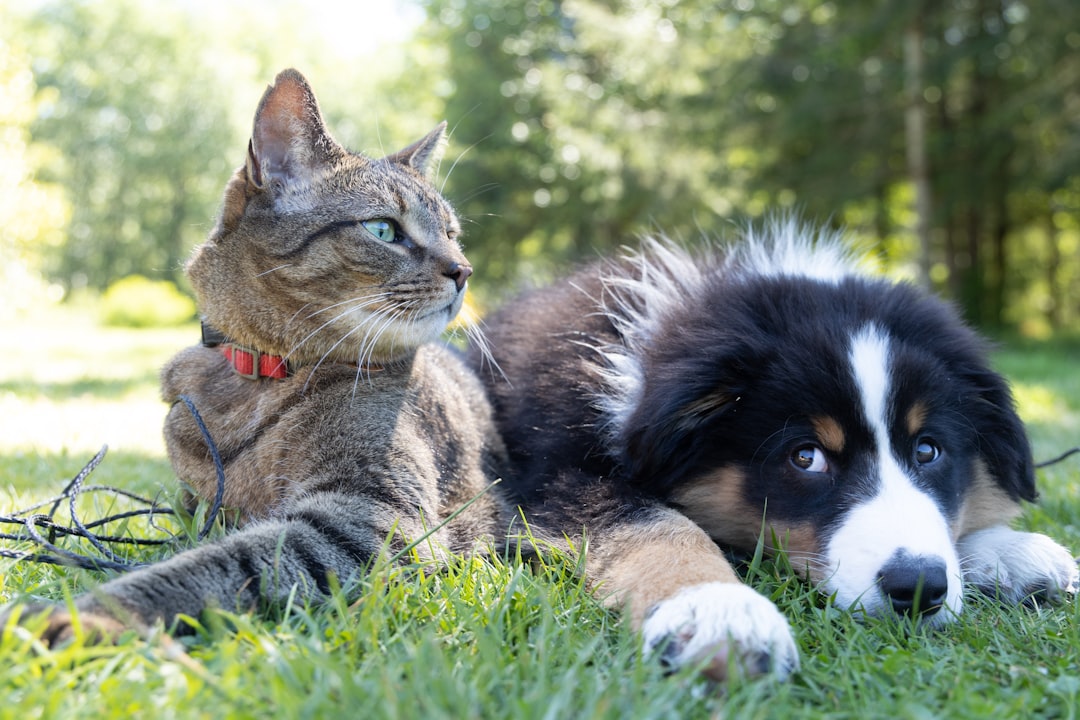
Dogs don’t just remember humans—they also remember their animal friends and rivals. If your dog had a best buddy at the dog park or a feline companion at home, chances are those memories don’t fade quickly. Dogs use scent, sight, and sound to recognize other animals, and their memories can last for years, especially if the relationship was significant. Even after being separated, a dog may react with excitement or caution when they see a familiar animal again. The social bonds dogs form with other pets can be just as strong as those with humans, and these memories help shape their social behavior for life.
How You Can Help Your Dog Build Happy Memories
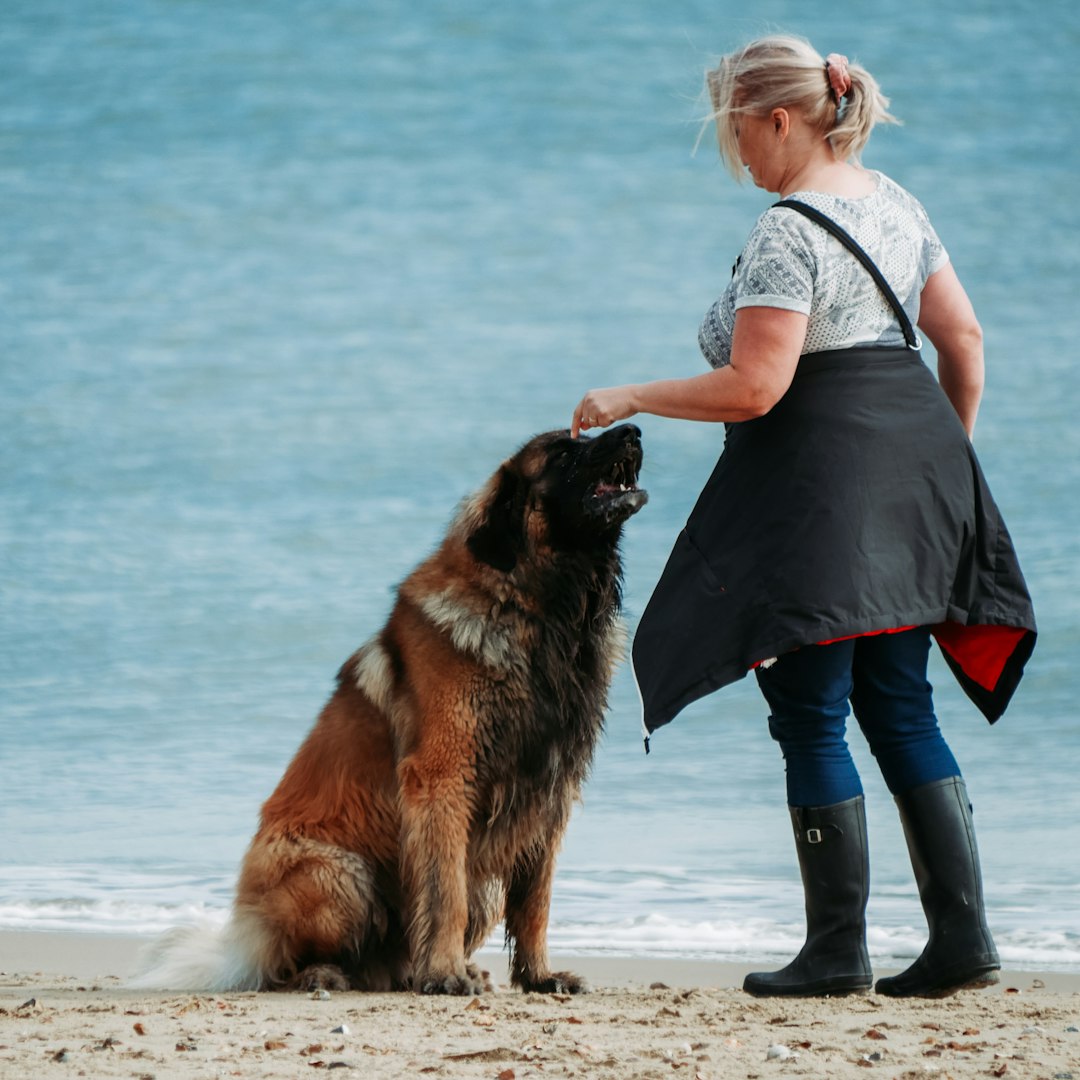
Creating positive memories for your dog isn’t just about treats and toys—it’s about consistency, love, and understanding. Dogs thrive on routine and clear communication, so regular playtime, training, and affection go a long way. When you introduce new experiences, do so gradually and with patience, allowing your dog to feel safe and secure. Celebrate their successes, comfort them when they’re scared, and always end each day with love. These moments, big and small, are what your dog will remember most, and they’re the building blocks of a happy, trusting relationship that lasts a lifetime.


