

Picture this. You’ve just adopted a dog, and every well-meaning friend and neighbor tells you the same thing: “Take him to the dog park! He needs to socialize!” So off you go, expecting a magical play session where your pup makes instant best friends. Then reality hits. Your dog cowers behind your legs while a rowdy pack of pooches charges toward the gate. Or maybe he gets way too amped up, ignores every command you’ve practiced, and starts bulldozing smaller dogs like a linebacker at a high school reunion. Either way, you leave wondering what went wrong.
Here’s the thing most people don’t realize until it’s too late. Dog parks aren’t one-size-fits-all solutions, and honestly, they’re not always the paradise they’re cracked up to be. Sure, some dogs thrive there. Others come home stressed, overstimulated, or worse – traumatized. Let’s take a deeper look at what’s really happening behind that chain-link fence and why your four-legged friend might not be having the time of his life.
Not Every Dog Is Wired for the Chaos

Let’s be real. Some dogs are wallflowers, and that’s perfectly okay. Dogs of varying temperaments, sizes, and play styles are often thrown together, which can lead to fear, anxiety, and even aggression. A timid dog might become overwhelmed and stressed, resulting in long-term anxiety around other dogs.
Think about it from your dog’s perspective. Loud noises, unfamiliar dogs, and crowded spaces may overwhelm them. Watch your dog’s body language; signs like tail tucking, panting, or avoidance mean it might be better to skip the park or try a quieter time. If your shy pup is already nervous around new situations, throwing him into a free-for-all with twenty boisterous strangers isn’t going to magically cure his anxiety. It’s more likely to convince him that other dogs equal danger.
Temperament really matters here. Dogs that are naturally dominant or possessive may become more aggressive in an uncontrolled setting. Conversely, timid dogs may become more fearful or anxious. Instead of building confidence, repeated stressful visits can actually make things worse, turning a cautious dog into a fearful or even reactive one.
Overstimulation Turns Playtime Into Mayhem
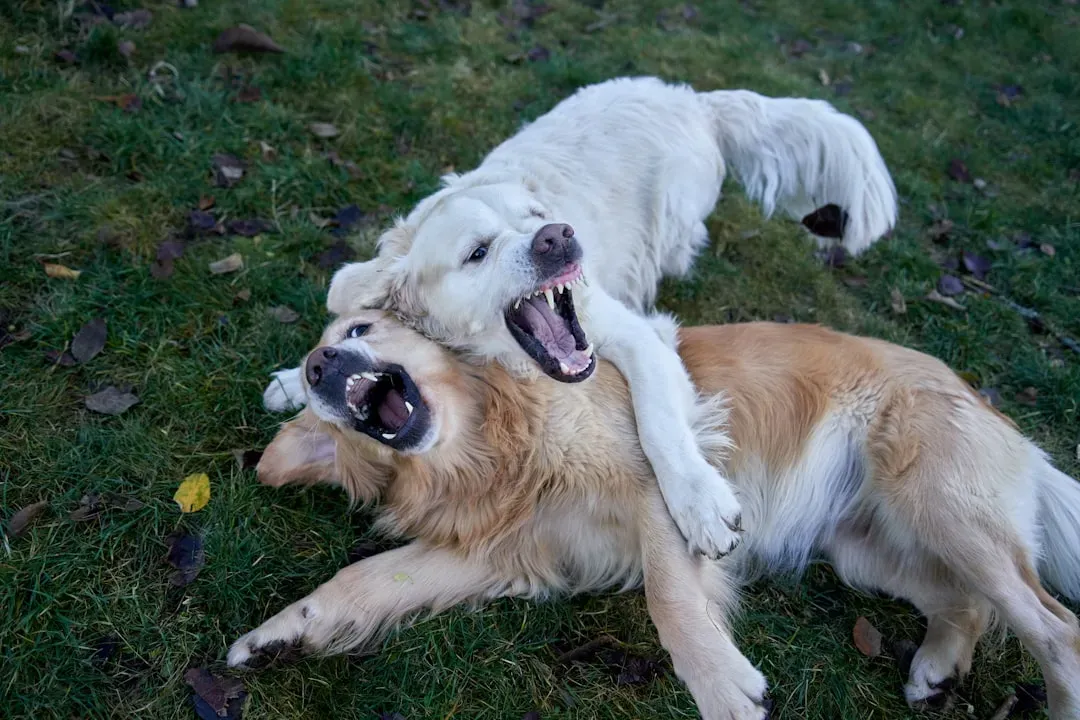
Ever seen a dog at the park who looks like he just guzzled three espressos? That’s overstimulation in action, and it’s way more common than you’d think. Some dogs enter the park like they’ve just discovered coffee. They’re bouncing off walls (or other dogs), and their enthusiasm can quickly escalate into overstimulation. This state of arousal can lead to rougher play, which other dogs might interpret as aggression.
The problem is that not all excitement is good excitement. Common signs of overstimulation: Ignoring recall or commands, excessive mouthing or rough play, inability to disengage, heightened reactivity on leash afterward. When dogs get too hyped up, their brains essentially go offline. They can’t listen to you, they can’t read other dogs’ signals properly, and things can spiral fast.
Busy dog parks, loud homes, chaotic playdates, overuse of high-arousal games, or even a jam-packed training session can push a dog from excited to overwhelmed in minutes. Overstimulation is a form of sensory overload and emotional overwhelm. What starts as innocent wrestling can quickly turn into something that looks a lot like aggression, and other dogs won’t always tolerate it.
Disease and Parasite Risks Lurk in the Dirt
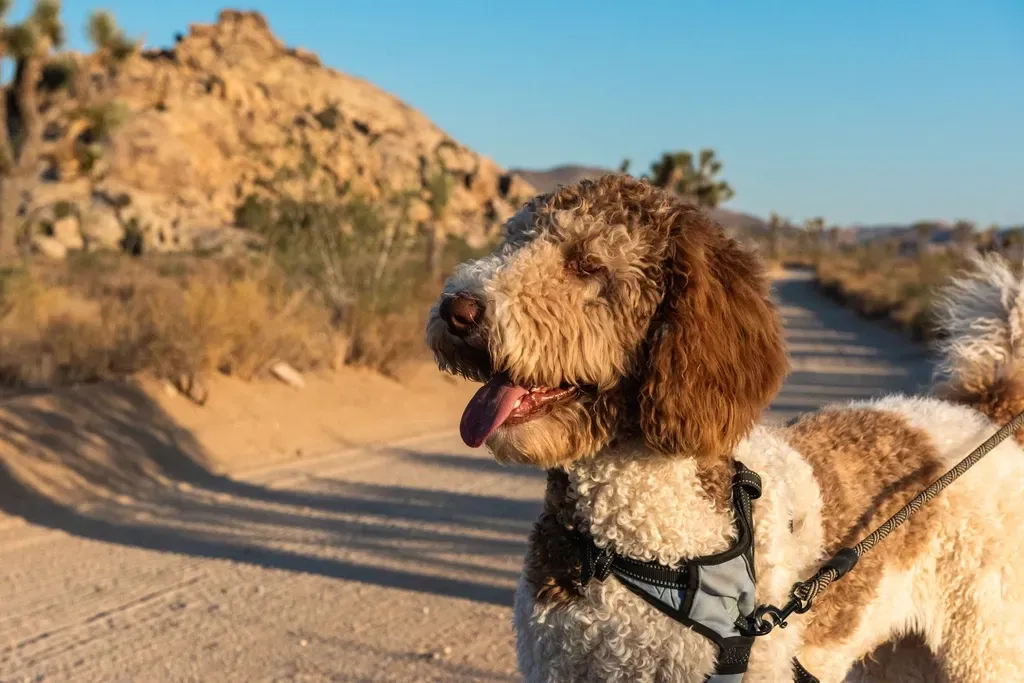
I know it sounds paranoid, but dog parks can be breeding grounds for stuff you really don’t want your pup catching. You and your dog are at risk of picking up diseases and parasites from the soil, water, and other dogs at dog parks. Such diseases and parasites that could potentially infect your dog at the dog park include intestinal parasites like hookworms, roundworms and whipworms, respiratory infections like kennel cough and canine influenza, and other infectious diseases like parvovirus.
It’s not just about dirty dogs either. A recent study collected fecal samples from over 3,000 dogs that frequent dog parks in over 30 metropolitan areas across the United States. The new dog park safety study revealed that a whopping 85% of the dog parks had at least one infected dog. That’s a staggering number when you think about it.
Communal water bowls are particularly sketchy. Keeping your dog hydrated is important in warmer weather, but letting your dog use a communal water dish can be risky. Communal water dishes can be a breeding ground for bacteria and giardia, an intestinal parasite. Bringing your own water bowl from home is a simple fix that can save you a pricey vet bill down the road.
Pack Mentality Can Trigger Dangerous Situations
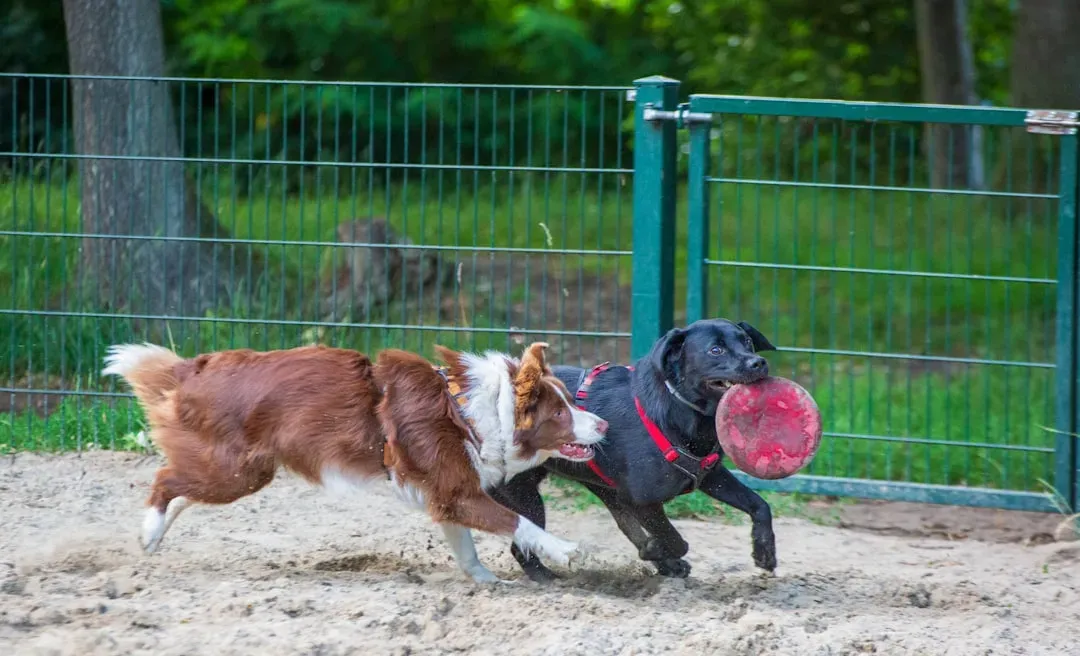
Here’s something most people don’t consider until they witness it firsthand. When multiple dogs gather without strong human leadership, their pack instincts can kick in – and not always in a good way. When a group of dogs (3 or more) are allowed to run together in an area where there are no strong pack leaders (human pack leaders), they instinctively try to establish a rank order (or pecking order). If there are several dogs that want to assume a certain rank within this new pack, there are often problems. Too often this results in dog fights to determine what rank a dog will assume.
There’s also this troubling phenomenon called “sharking.” Sharking is a term used to describe when one or more dogs will gang up aggressively on another dog. I’ve seen even normally friendly dogs become aggressive toward another dog that is being bullied or aggressed upon by another dog. Once the aggression starts, other dogs in the area will also join in and aggress, as their instincts kick in to do so.
It’s genuinely frightening to watch and can cause serious physical and psychological harm to the victim dog. Dog to dog aggression was most likely to break out as a result of mobbing behaviors – dogs congregating at the entryway of the park in order to meet incoming dogs – and bullying that went unnoticed until too late. Even if your dog isn’t the aggressor, being on the receiving end of this behavior can create lasting trauma.
Stress Signals Often Go Unnoticed
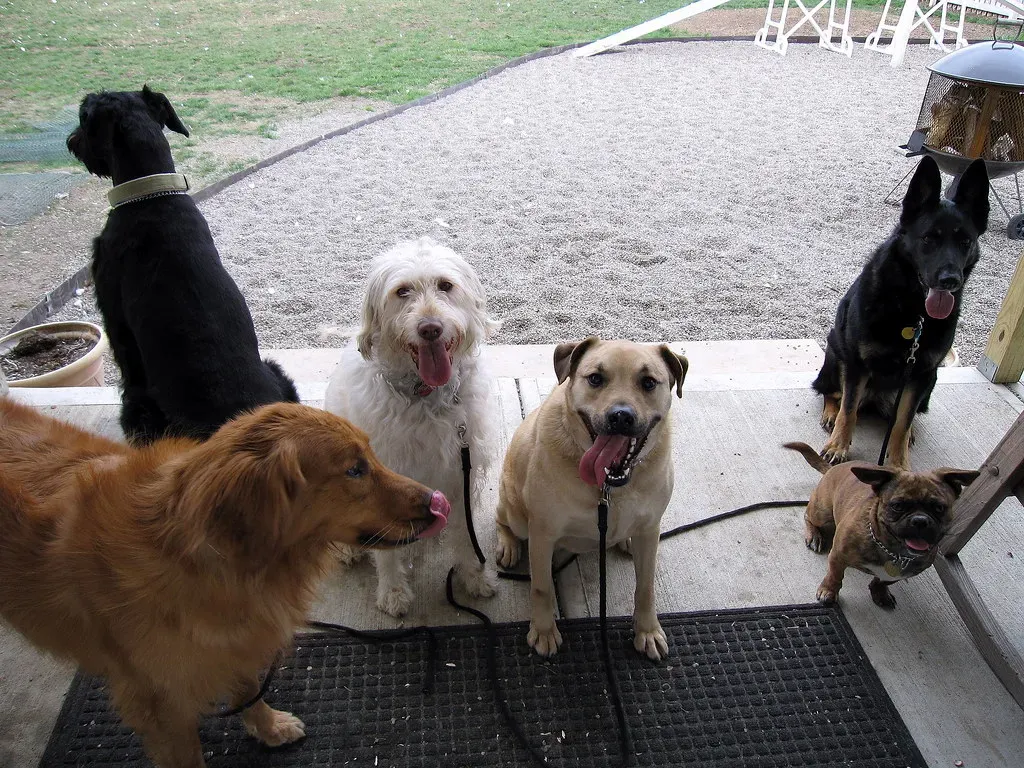
One of the biggest problems at dog parks is that most owners aren’t fluent in reading canine body language. Your dog might be screaming “I’m uncomfortable!” but you’re chatting with another owner and miss all the signals. A low tail is a clear indicator of stress. While almost all owners will pick up on the tail tucked between the legs – a classic signal of fear – not everyone realizes that a low slow-wagging tail can also be a signal of wariness and stress. A low tail signals stress and a low one tucked between the legs is a clear sign that your dog needs to leave the park and de-stress.
Other subtle signs include excessive yawning when your dog isn’t tired, pinned-back ears, and frequent lip licking when there’s no food around. Lip licking in the absence of food is often overlooked. When you take your dog to a new dog park and he feels a little stressed or overwhelmed, he will often start to produce extra saliva which results in frequent lip licking. While a little lip licking is to be expected in a new situation, make sure to pay close attention that no other canine stress signs are being displayed.
The truth is, many dogs tolerate dog parks rather than enjoy them. They’re going along with it because you brought them there, not because they’re having the time of their lives. Learning to spot these stress signals early means you can intervene before a bad experience turns into a traumatic one.
Conclusion
Dog parks can work beautifully for the right dogs under the right circumstances. But they’re definitely not the universal answer to exercise and socialization that many people assume. Some pups simply aren’t cut out for the chaos, and forcing the issue can backfire spectacularly. Pay attention to what your dog is telling you through his body language and behavior. If he’s constantly stressed, overstimulated, or coming home more reactive than when he arrived, it’s time to rethink your routine.
There are plenty of alternatives. Structured play dates with known, friendly dogs. Long sniffy walks in quieter areas. Doggy daycare facilities with professional supervision. Training classes where interactions are controlled and positive. The goal isn’t to make your dog love every other dog on the planet – it’s to help him feel confident and secure in his world.
So what do you think? Has your dog had good or bad experiences at dog parks? Sometimes the best thing we can do for our dogs is admit when something isn’t working and find a better path forward.


