

Your dog stops dead in their tracks during a walk, ears pinned back, trembling slightly as they stare at something you can’t quite identify. Yet minutes later, they’re bouncing with joy at the sight of another dog approaching. What goes through their mind during these moments of fear and excitement? How do dogs actually experience the world emotionally?
Understanding your dog’s inner world isn’t just fascinating – it’s essential for building a deeper bond and providing better care. Dogs experience a rich emotional life that mirrors our own in many ways, yet their unique perspectives and instincts create a psychology all their own. From their incredible ability to read human emotions to their complex social understanding, dogs think and feel in ways that might surprise you. Let’s dive into the remarkable world of canine psychology and discover what really makes your furry friend tick.
The Science Behind Canine Emotions
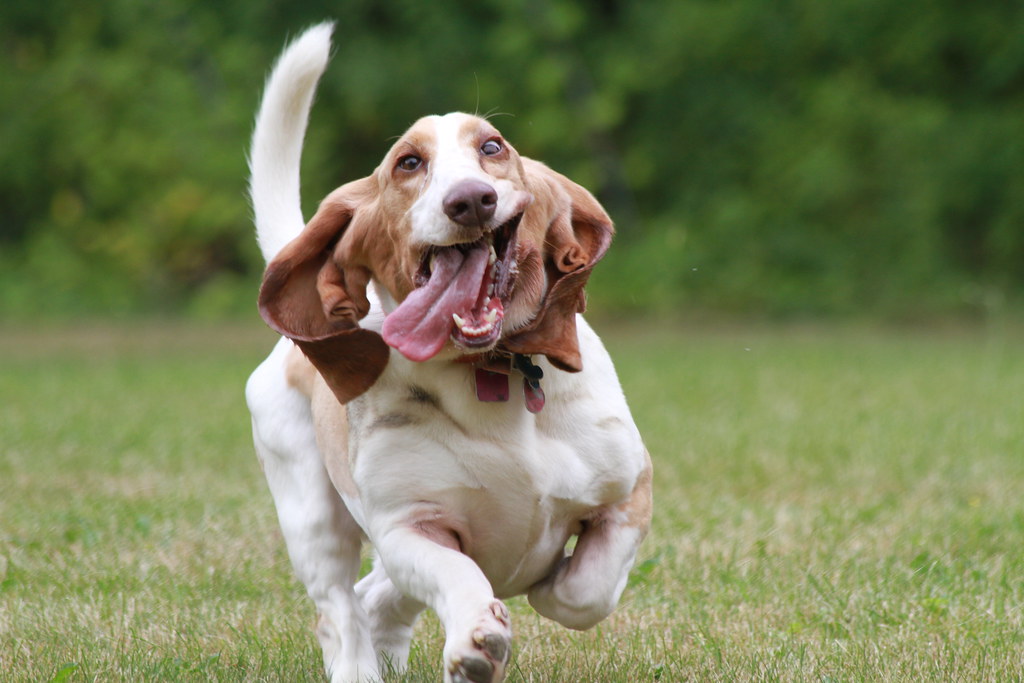
Recent research confirms what dog lovers have long suspected – animals, including our beloved dogs, genuinely experience emotions. Scientists now recognize that emotions can be broadly defined as complex multifaceted psychological phenomena that influence the management and control of behavior. This means your dog’s wagging tail, cowering posture, or playful bow all stem from real emotional experiences.
Dogs are not only passive recipients of their own emotional experiences but are also active subjects for expressing their emotions in a communicative way and for recognizing the emotions and emotional expressions of others. Think about how your dog seems to know when you’ve had a rough day, offering comfort with a gentle nudge or laying their head on your lap.
In their daily lives, dogs experience many emotions – from joy at getting into the car to stress when heading to the vet, followed by comfort from treats and ultimately relief when reunited with their person. These emotional fluctuations happen constantly throughout their day, creating a rich inner experience that guides their behavior and responses.
How Dogs Process Fear and Anxiety

Fear serves an important survival function for dogs, but when it becomes overwhelming, it can significantly impact their quality of life. While negative emotions like fear and pain can help keep animals safe by responding appropriately to dangerous situations, they can also prevent dogs from taking part in positive experiences and affect behavior. This is why a dog who has had a traumatic experience at the groomer might shake with fear every time they see clippers.
Modern research shows us that when dogs are stressed, they can often take comfort from the presence of their guardian. This completely contradicts old-school training advice that warned against “coddling” fearful dogs. Your presence and reassurance actually help your anxious dog feel safer and more secure.
Recognizing fear early is crucial for helping your dog. Watch for subtle signs like whale eye (showing the whites of their eyes), lip licking when not eating, or a tucked tail. These behaviors signal that your dog needs support, not punishment or forced exposure to whatever is frightening them.
Reading Your Dog’s Body Language Signals

Your dog is “talking” to you all the time, and if you learn what your dog is saying, you will develop a deeper bond of trust and respect while helping predict their behavior and prevent problems before they arise. Every part of your dog’s body contributes to their communication – from ear position to tail height to facial expressions.
When reading a dog’s body language, it’s important to note that the dog’s entire body plays a role in signaling; for example, a wagging tail doesn’t necessarily mean that a dog is happy or relaxed, especially if the rest of their body is stiff. A dog might wag their tail while feeling anxious, frustrated, or even preparing to be defensive.
Dogs with their tails pointing down to the ground or even tucked between their legs are feeling fear and stress, while dogs with their tails held up like a flag are feeling confident, perhaps even aggressive. Understanding these nuances helps you respond appropriately to your dog’s emotional state.
Stress signs to look for include whale eye (when dogs reveal the whites of their eyes), tucked ears or tail, raised hackles, lip-licking, yawning, and panting. Learning to spot these early warning signs allows you to step in and help your dog before their stress escalates.
The Social Intelligence of Dogs

Dogs possess remarkable social intelligence that allows them to navigate complex relationships with both humans and other dogs. Dogs are very well adjusted to their multispecies groups, families and life dynamics, and appropriately perceiving the emotions of the people they interact with plays a critical role in their success. This ability helps them form strong bonds and live harmoniously in human households.
Dogs have exceptionally developed sensory systems and abilities to recognize human signals and emotional states, making them invaluable in roles such as working dogs and therapy animals in human society. Your dog can pick up on your mood changes, stress levels, and intentions often before you’re even fully aware of them yourself.
This social awareness extends to their interactions with other dogs as well. They use complex communication systems involving body language, facial expressions, and energy to establish relationships, play appropriately, and avoid conflicts. Their ability to read and respond to social cues makes them uniquely suited to life alongside humans.
Understanding Stress Signals and Calming Behaviors
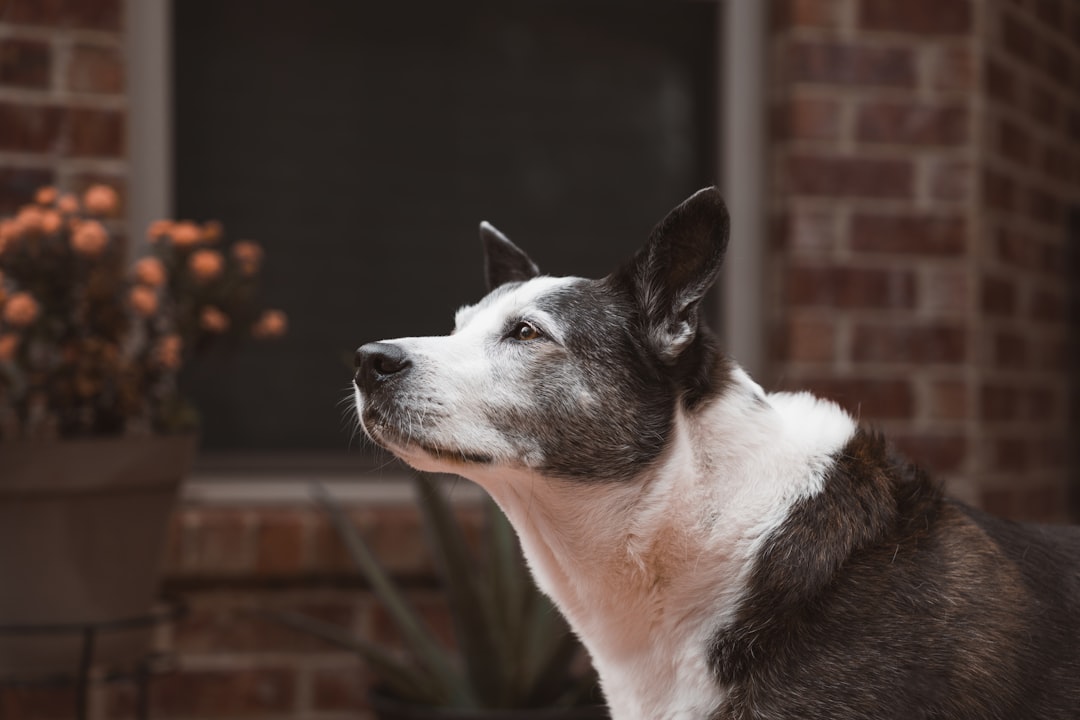
Norwegian dog trainer Turid Rugaas identified that dogs have more than 30 ways to avoid stressful situations and try to calm themselves, using these behaviors to diffuse situations or tell you or another dog that they aren’t a threat. These “calming signals” are your dog’s way of saying “I’m not looking for trouble.”
Classic stress signals include lip licking when not eating, yawning when not tired, excessive panting when not hot, and sudden scratching when not itchy – all displacement behaviors that indicate rising stress levels, along with avoidance behaviors like looking away or seeking higher ground. These behaviors help dogs cope with uncomfortable situations.
Dogs often do a full-body shake-off, as if they were wet, which typically happens just after a stressful interaction and serves as a kind of reset button. Pay attention to these moments – they reveal when your dog has been feeling stressed and is trying to decompress.
Recognizing these signals allows you to be your dog’s advocate, stepping in to remove them from stressful situations or giving them the space they need to feel safe again.
The Role of Positive Experiences in Canine Well-being
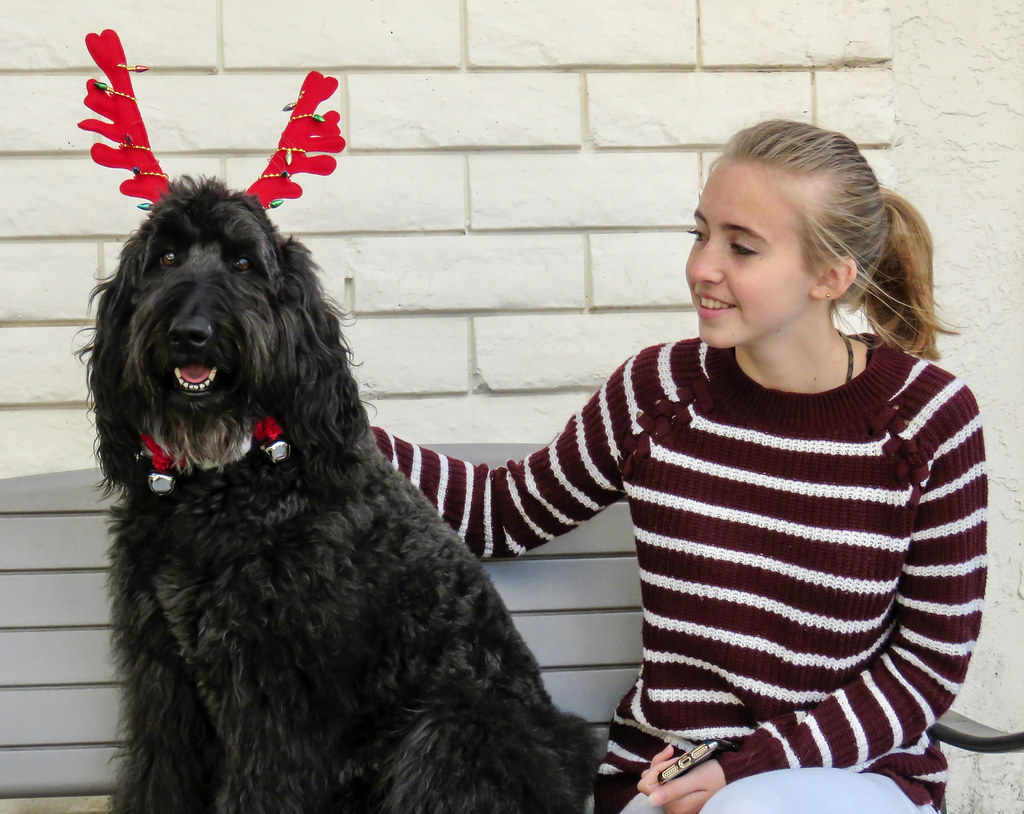
Dogs need opportunities to engage in normal canine activities that bring them joy, from long, lingering sniffaris on morning walks to running around and playing with other dogs they are friends with – essentially, any activity that your dog enjoys that is safe and provides good enrichment. These positive experiences are fundamental to their mental health.
Training with reward-based methods rather than aversive techniques like prong collars or shock collars can achieve the same or even better results while using positive emotions instead of fear and pain. This approach builds confidence and strengthens your relationship with your dog.
Creating opportunities for your dog to engage in species-appropriate behaviors – like sniffing, digging in designated areas, or playing with appropriate toys – helps fulfill their psychological needs. A mentally satisfied dog is generally a happier, more well-behaved companion.
Separation Anxiety and Emotional Attachment

Separation anxiety is triggered when dogs become upset because of separation from their guardians, the people they’re attached to, and escape attempts by dogs with separation anxiety are often extreme and can result in self-injury and household destruction. This isn’t defiance – it’s genuine panic and distress.
The best way to help a dog with separation anxiety is to permanently change their perception of what being alone means, one second at a time, and a dog trainer or veterinary behaviorist will be your best resource in creating a behavior modification program. This process requires patience but can be highly effective.
Positive reinforcement is a powerful tool in addressing separation anxiety in dogs, as rewarding good behavior helps dogs learn to associate being alone with positive outcomes. Starting with very brief separations and gradually increasing duration helps build confidence.
Protective factors include ensuring a wide range of experiences outside the home and with other people between the ages of 3-14 weeks, stable household routines and absences from the dog. Early socialization and consistent routines help prevent separation anxiety from developing.
Building Emotional Resilience in Your Dog

Just like humans, dogs can develop emotional resilience through positive experiences and appropriate challenges. It’s important for dogs to feel safe, not just to be physically safe, especially for fearful and anxious dogs who can find the world around them overwhelming if we don’t take steps to protect them. Creating a sense of safety builds confidence over time.
Learning about dogs’ body language helps us understand how our dog is feeling at any given point in time, and using that knowledge helps us know when we should step in to help our dog while also noticing when they’re enjoying activities so we can do more of that. This awareness allows us to support our dogs effectively.
Building resilience involves exposing your dog to new experiences gradually and positively, always staying within their comfort zone while gently expanding it. Success builds on success – each positive experience makes the next challenge a little easier to handle.
Remember that every dog is an individual with their own personality, fears, and joys. Some dogs are naturally more confident while others need extra support and patience. Respecting your dog’s individual emotional needs while providing gentle encouragement helps them develop into a well-adjusted, emotionally healthy companion.
Conclusion
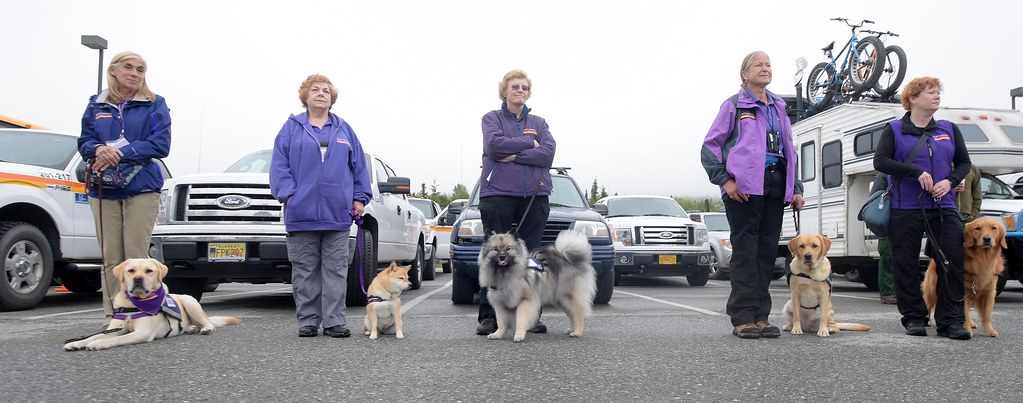
Understanding your dog’s psychology transforms the way you see every tail wag, every anxious glance, and every moment of pure joy in their daily life. Dogs experience genuine emotions, process complex social situations, and communicate constantly through their body language and behavior. They’re not just responding to training or instinct – they’re thinking, feeling beings with rich inner lives.
By recognizing stress signals, providing positive experiences, and respecting their emotional needs, we can help our dogs live happier, more fulfilling lives. Whether it’s understanding that a yawn might mean stress rather than tiredness, or knowing that your presence actually comforts an anxious dog, this knowledge deepens your bond and improves their well-being.
The more we learn about canine psychology, the more remarkable our dogs become. They’re not just pets – they’re emotional beings capable of joy, fear, love, and complex thought. What insights about your dog’s inner world surprised you the most? Share your observations in the comments below.


