
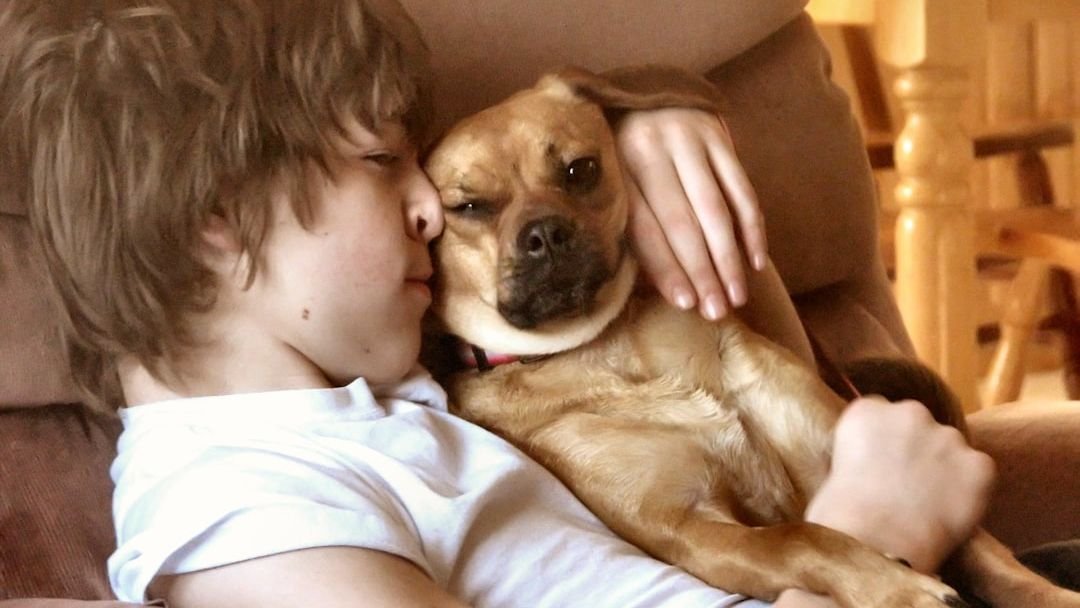
If you’ve ever lost one dog while another remained by your side, you probably witnessed something that broke your heart. Maybe your surviving pup wandered from room to room, searching. Maybe they refused their favorite treats or slept more than usual, curled up in the exact spot where their companion used to rest. You weren’t imagining it.
For years, people dismissed canine grief as projection, insisting dogs were simply reacting to disrupted routines or picking up on our sadness. Yet the quiet truth is becoming impossible to ignore. Dogs feel loss deeply, and their grief is real.
The Science Behind Canine Grief

Recent research shows that dogs can display grief-related behavioral and emotional patterns when a close companion dies. A 2022 Italian study surveyed 426 adults who had owned at least two dogs, exploring whether and how dogs experience loss. The findings were striking.
Surviving dogs changed both their activities like playing, sleeping, and eating, as well as their emotions, displaying increased fearfulness. Friendly or parental relationships between dogs, food sharing habits, and even the owner’s own grief and anger were key predictors of these negative behavioral changes. Honestly, the research validated what countless dog owners have quietly known but were hesitant to claim.
Scientists point out that at some levels, a dog’s mind is equivalent to that of a human child between two and three years of age. They might not grasp death as permanent, yet they absolutely notice absence. Dogs form emotional bonds with companion animals in their household, and removing that companion can trigger behaviors we interpret as grief and mourning.
What Grief Actually Looks Like in Dogs
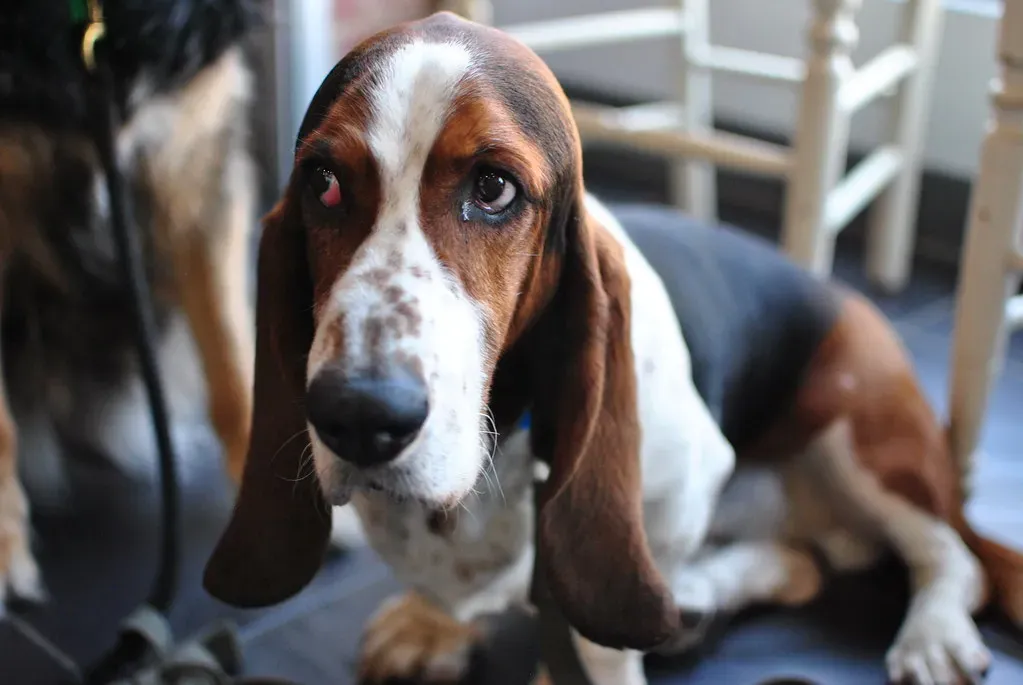
Dogs alter their behavior when they mourn, becoming depressed and listless, experiencing decreased appetite and declining to play, sleeping more and moving slowly. It’s not dramatic or theatrical, yet the changes are undeniable.
The most common behaviors owners reported included attention-seeking in 67 percent of dogs, playing less in 57 percent, a decline in activity in 46 percent, sleeping more in 35 percent, increased fearfulness in 35 percent, eating less in 32 percent, and increased vocalization in 30 percent. Some dogs wander through the house checking old napping spots. They may search for their companion within the home and become very clingy, following their owner around.
Here’s the thing: grief doesn’t look identical in every dog. Some become withdrawn while others grow hypervigilant. You might also see unusually aggressive or destructive behaviors, inappropriate elimination within the home, or unusual vocalizing for the dog who has passed. Think of it like this – just as humans cry, isolate, or throw themselves into work after loss, dogs express pain differently based on personality and circumstance.
How Long Does Dog Grief Last?
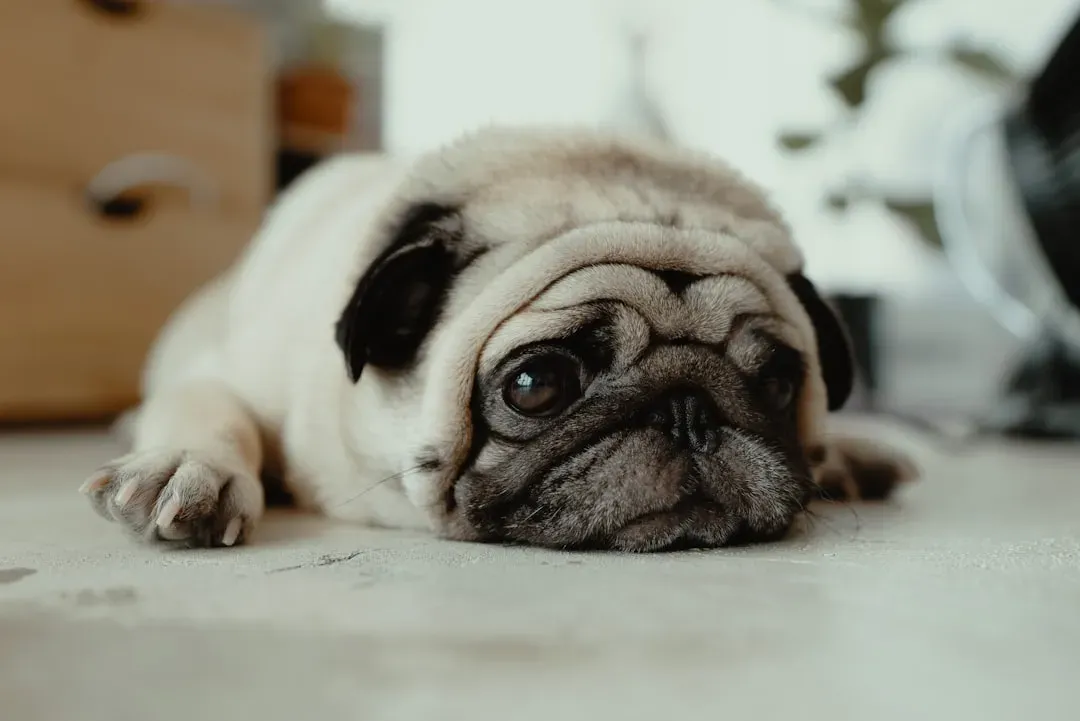
Grief behaviors vary depending on the dog, but they generally return to normal within two to six months. Still, that’s not a universal timeline. About a third of owners said negative behavior changes lasted between two and six months, while roughly 29 percent said it lasted less than two months, and nearly 25 percent reported it lasting over six months.
Several factors affect the length of a dog’s grieving process, including the dog’s age, health, and relationship with the other dog, as well as the grieving process of the humans in the home. Dogs are incredibly sensitive to our emotional states. One surprising finding was that a surviving dog was more likely to eat less if their pet parent was also displaying signs of grief. It’s a mirror effect – your sadness amplifies theirs.
The Owner’s Role in Canine Mourning
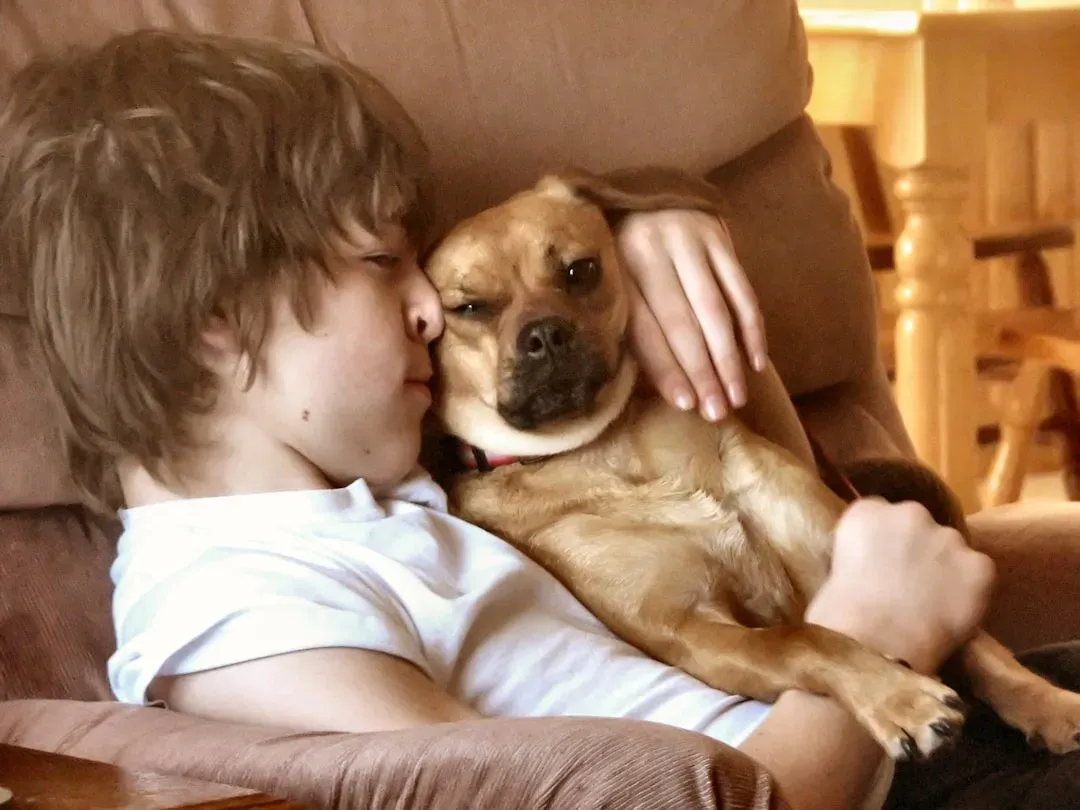
Dogs were more likely to show negative behavioral changes and fearfulness when their owners displayed more signs of suffering, grief, anger or psychological trauma following the death of their pet. This doesn’t mean you should suppress your grief. It means your emotional state matters because your dog is watching, sensing, and responding.
Dogs and cats are exquisitely sensitive to the emotions of their social companions, and as household people grieve and adjust, dogs can sense their sadness and may experience distress or anxiety. Let’s be real – you’re both navigating loss together. When signs of grief become evident, you can help by spending extra time with your dog and diverting their attention by engaging in favorite pastimes. Simple acts like an extra walk or more frequent petting can anchor them.
Keeping their routine as normal as possible, avoiding additional disruption that could cause stress, and comforting your dog with extra cuddles while praising calm behavior are crucial steps. Dogs thrive on predictability, and during grief, that stability becomes their lifeline.
Recognizing When Your Dog Needs More Help
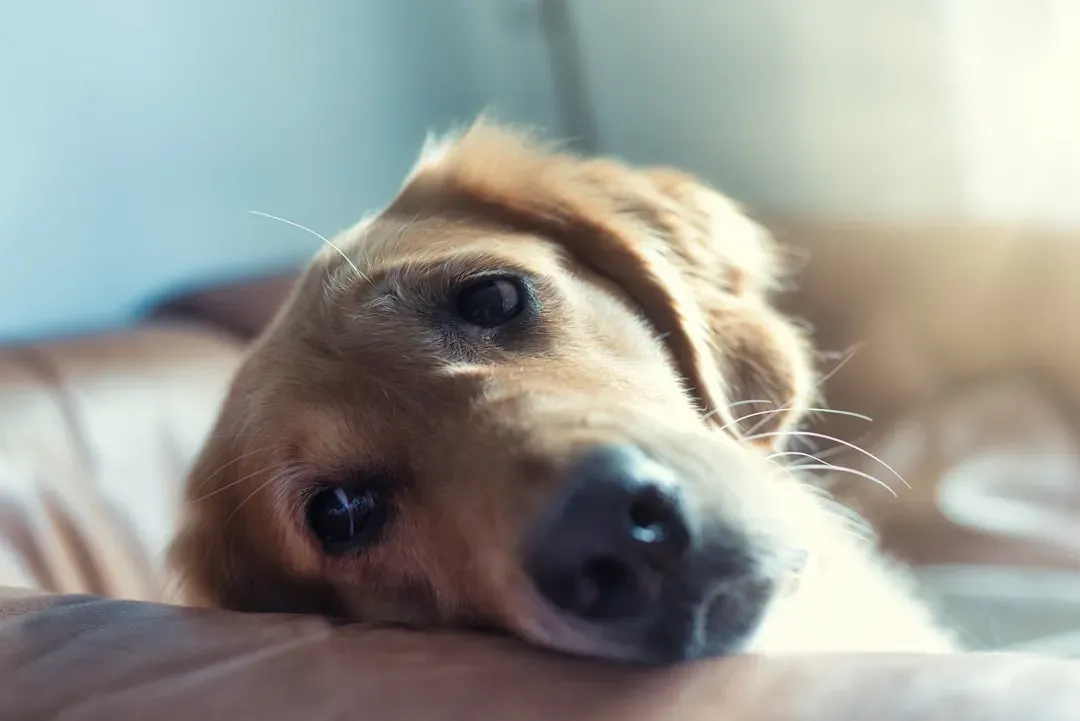
A 1996 ASPCA study found that 36 percent of dogs experienced decreased appetite following the loss of a canine companion, with approximately 11 percent refusing to eat at all. Many dogs slept more than usual while some suffered insomnia, and some changed the area of the house where they slept. When behaviors become severe or prolonged, intervention might be necessary.
If your dog has prolonged difficulty following a loss, ask your veterinarian about the use of a behavior modification drug, as several medications can serve as adjunct therapy. There’s no shame in seeking medical support. If your normally fastidious pet soils the house or doesn’t groom himself, this should raise a red flag – he could be grieving. Watch for warning signs that suggest grief has tipped into something more concerning.
Moving Forward Together
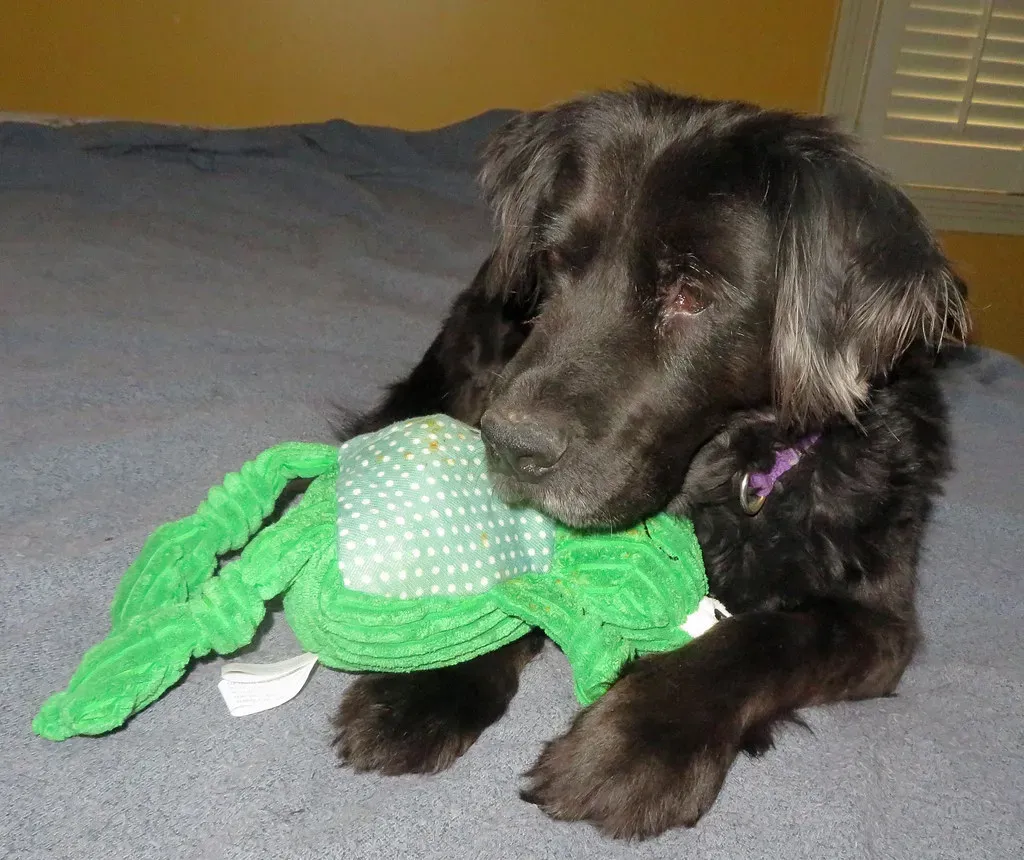
If your dog’s grief is due to the loss of a canine companion, don’t rush to find a replacement – give your dog time to grieve and adjust, as introduction of a new dog may add more stress. I know the silence can feel unbearable. The house feels emptier, and you might wonder if a new puppy would help everyone heal faster. Resist that urge initially.
The quality of the relationship between the two dogs was important – if the dogs were friendly toward each other, the survivor was more likely to show grief, with food sharing being one important marker. Your dog needs space to process before welcoming a new energy into their world. Meanwhile, shower them with patience, presence, and understanding. They’re navigating an emotional landscape they can’t articulate, relying entirely on you to guide them through.
Grief in dogs isn’t weakness or confusion. It’s love with nowhere to go, a bond suddenly severed. The next time you see your dog staring at an empty bed or pausing at the door as if waiting, remember: they’re not just missing a routine. They’re missing a friend. What do you think helps dogs heal most after loss? Share your experience in the comments.


