
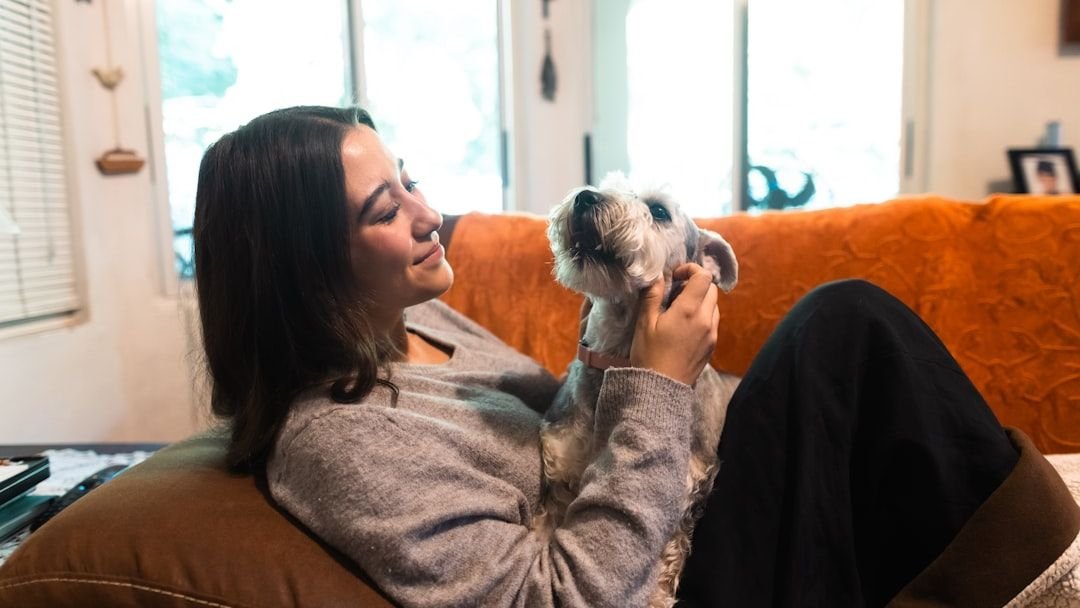
You know that feeling when your dog follows you from the kitchen to the bathroom, waits outside the shower door, and stares at you like you hung the moon? Yeah, it melts your heart every single time. We love being loved like that. Honestly, there’s nothing quite like the unwavering devotion of a dog.
Here’s the thing though. What starts as adorable loyalty can quietly slide into something more complicated. A dog who cannot function without you nearby, who falls apart the moment you grab your car keys, who scratches at doors and howls for hours is not simply showing love. That dog is struggling. The line between deep bonding and emotional dependency is thinner than most of us realize, and it matters deeply for your dog’s wellbeing and your own.
So let’s get into it. Because understanding this dynamic could genuinely change your dog’s life for the better.
The Real Difference Between Love and Dependency
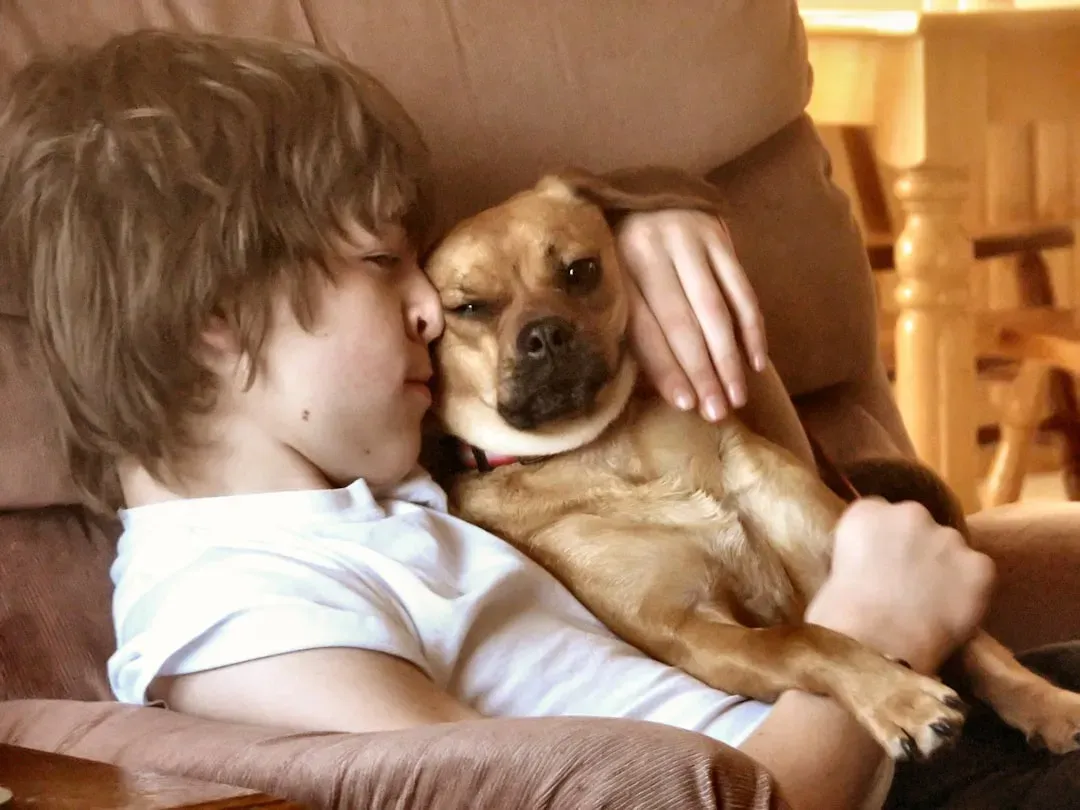
A loving bond between a dog and their person is one of the most beautiful things in the world. It is built on trust, routine, and positive connection. Dependency, on the other hand, is built on anxiety. The difference is not how much your dog loves you. It is how your dog feels when you are not there.
Codependency in the human-dog relationship means that a person’s emotional attachment to their dog (and vice versa) is such that they rely on the dog for comfort, companionship, or approval. These types of relationships may mean that neither the human nor the dog can relax when the other is gone, and each constantly needs contact with or a visual on the other. That is a meaningful distinction worth sitting with.
The human-dog social bond is thought to be analogous to a parent-child attachment. Since humans provide resources to the dog, just as parents provide for their offspring, the dog is naturally motivated to stay close to its owner. This motivation can manifest as a stress response in the absence of the owner. That stress response, when it becomes extreme, is where the trouble begins.
Warning Signs Your Dog May Be Emotionally Dependent
Most owners do not notice the early red flags. They see a velcro dog and think, “Aw, she just loves me.” These signs often start small and go unnoticed but can grow into significant dependency problems. Small actions can reveal larger issues. A dog’s subtle head bob as you leave might look cute, but could it indicate that your dog feels anxious without you?
Dogs with separation-related problems will often show signs of excessive attachment to their owners. They may follow their owners around when they are home and when their owners are preparing to leave the house. Some dogs will begin to whine, pace, pant, or freeze as their owner’s departure becomes imminent. These are not quirks. These are distress signals.
There are many levels of separation stress and the severity of behaviors associated with this issue, including but not limited to clinginess when the pet parent is preparing to leave or returns home, pacing, panting or drooling, vocalization, inability to settle, hovering near doors, house-soiling, destructiveness, self-injury, or attempts to escape. If two or more of those sound familiar, your dog deserves some dedicated attention and care.
How Codependency Develops: The Unintentional Trap
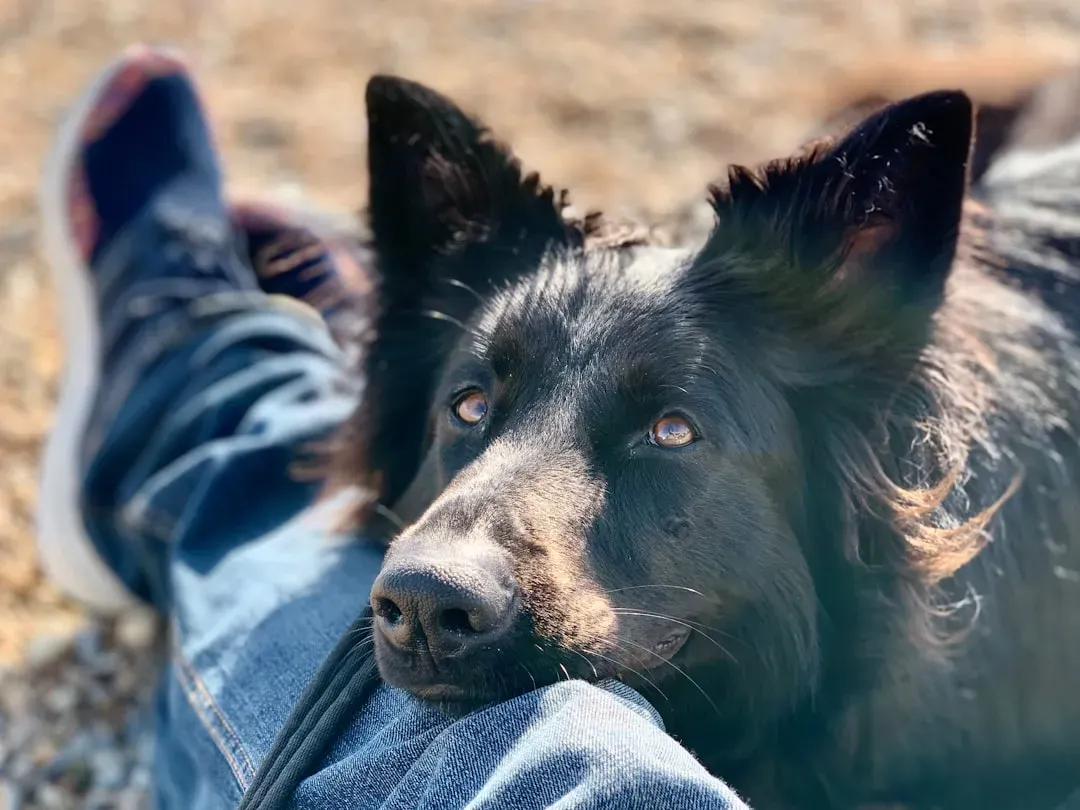
Here is something that might surprise you. Nobody deliberately creates a codependent dog. It almost always starts with love. You comfort your anxious pup every time they whine. You never leave them alone. You work from home and your dog has been beside you 24 hours a day for months. Without realizing it, you have become your dog’s entire world.
A major contributor to codependency is anthropomorphizing your dog, which means attributing human emotions, thoughts, and motives onto your pet. While it is natural to love and care deeply for your dog, treating them as a human child rather than a dog can blur important behavioral boundaries. This often begins with misinterpreting your dog’s actions, letting them ignore commands, or resisting leaving them alone. These patterns make it difficult for your dog to develop confidence and cope independently, reinforcing clinginess and anxiety.
While more time at home can enhance the human-dog bond, it can also cause unintended effects of codependency and separation anxiety. Think about how much time dogs spent alongside their owners during lockdown years. That closeness felt wonderful, but for many dogs, it quietly rewired what they understood as “normal.”
What This Does to Your Dog’s Health and Behavior

Let’s be real. Codependency is not just an emotional inconvenience. It has actual, measurable consequences for your dog’s health. An anxious dog is a stressed dog, and chronic stress takes a real physiological toll. Think of it like an alarm that never shuts off. That level of constant tension wears a body down over time.
Separation anxiety is associated with a higher incidence of, and more severe, skin problems for dogs. Dogs with separation-related problems are also likely to exhibit anxious behavior in response to loud noises such as fireworks and thunderstorms. Dogs with anxiety-related disorders, in general, are more likely to be aggressive toward their owners or strangers and to engage in phobic or compulsive behaviors.
The concern is that anxiety can progress and worsen over time. As this occurs, more signs and behavioral changes may be seen. At times aggression can come about too. Dogs may also show many clinical signs such as changes in eating, drinking, sleeping, over-grooming, and at times appearing more depressed. These are not small issues. They are a call to act.
The Ripple Effect on You as an Owner
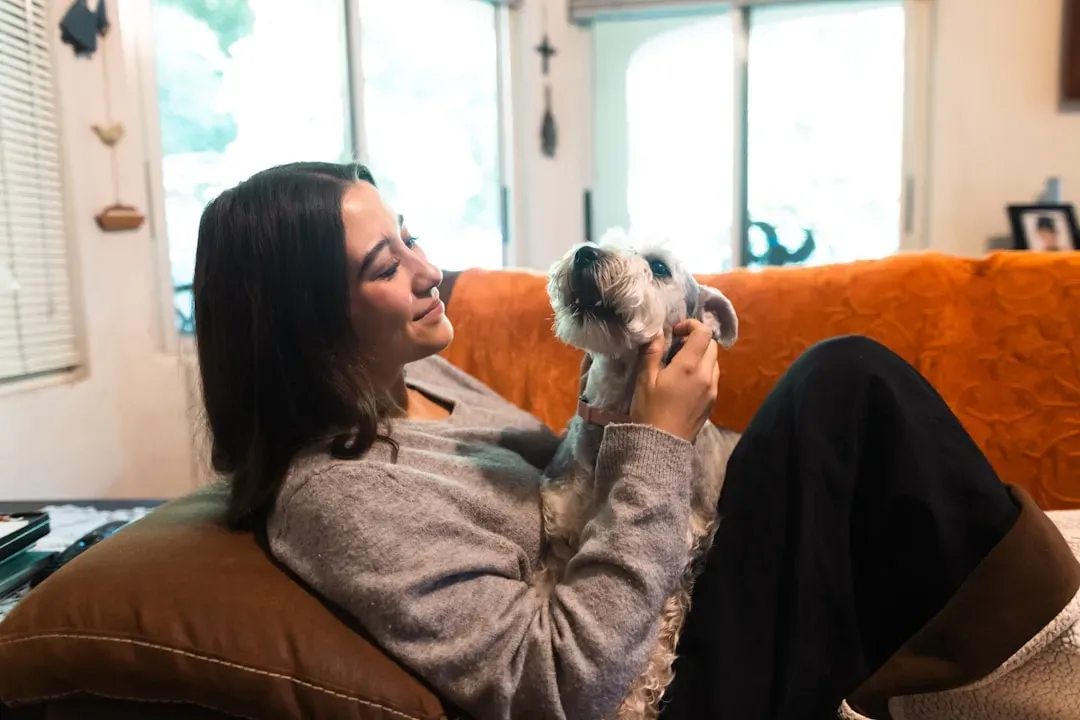
It is easy to focus entirely on the dog in these conversations, but codependency runs in both directions. A codependent dog parent is someone who has what may be thought of as an excessively close and even dependent connection with their pup. Their emotional needs and self-worth can become wrapped up in the dog too. That is worth a moment of honest reflection.
Codependency impairs both owner and dog. Owners frequently organize their lives excessively around their dog, missing out on social and personal experiences essential for wellbeing. Meanwhile, dogs become anxious, insecure, and behaviorally challenged due to inconsistent boundaries and unrealistic expectations. It is a cycle that quietly shrinks both of your worlds.
Pets help us beat loneliness and get out more, but they should not carry all our emotional baggage. Your dog loves you completely and unconditionally. That is a gift. Protecting that gift means making sure the relationship does not become a burden for either of you.
Practical Steps to Build Healthy Independence
The good news? This is entirely workable. You do not have to choose between being close with your dog and having a healthy dynamic. Think of it less as pulling away and more as teaching your dog to feel safe even when you are not in the room. That is an act of love, not rejection.
Practice short periods of separation by leaving the house for a quick errand or a brief walk around the block. Leave through different doors and do not follow the same routine before you go. When returning home, enter neutrally and do not emphasize your arrival by greeting your pup excitedly. Gradually increase the length of time you are gone to help your dog adjust slowly.
While socialization during key developmental periods is vital for a dog’s wellbeing, it does not stop there. A dog who continues socialization efforts throughout its life is better able to adapt to change, cope with stress, and problem-solve. This can help prevent codependency with the pet parent by allowing a dog to operate independently. Puzzle toys, training classes, dog sports, and playdates with other dogs are all powerful tools in your toolkit.
Co-independency, as opposed to codependency, allows you to build confidence in your dog, have a better relationship, and maintain a healthier mindset toward your pet. It allows for a close relationship that is also beneficial and sustainable for everyone involved. That is the goal. Close, trusting, and healthy all at once.
Conclusion: The Most Loving Thing You Can Do
If you have recognized your dog, or yourself, somewhere in these pages, please do not feel guilty. Almost every deeply devoted dog owner has drifted toward this territory at some point. The love is real. That is never in question. What matters now is what you do with that awareness.
You should absolutely love your dog and provide the best life you can for them. Chances are, they do not need you to do as much as you think they do. Your job is to care for them, not smother them. Remember to take care of yourself too, and maintain a healthy balance in every relationship, including the one with your canine companion.
A dog who feels safe in their own skin, who can nap peacefully while you run errands, who greets you with a wagging tail rather than frantic panic, that dog is a happy dog. Your mission, should you choose to accept it, is to raise that dog. It takes patience, consistency, and a willingness to set loving limits. The payoff? A bond that is not just deep but genuinely healthy for both of you.
So here is the question worth sitting with: Is your dog’s attachment to you a sign of your love, or a sign that your dog needs your help feeling whole on their own? The answer might just change everything.


