
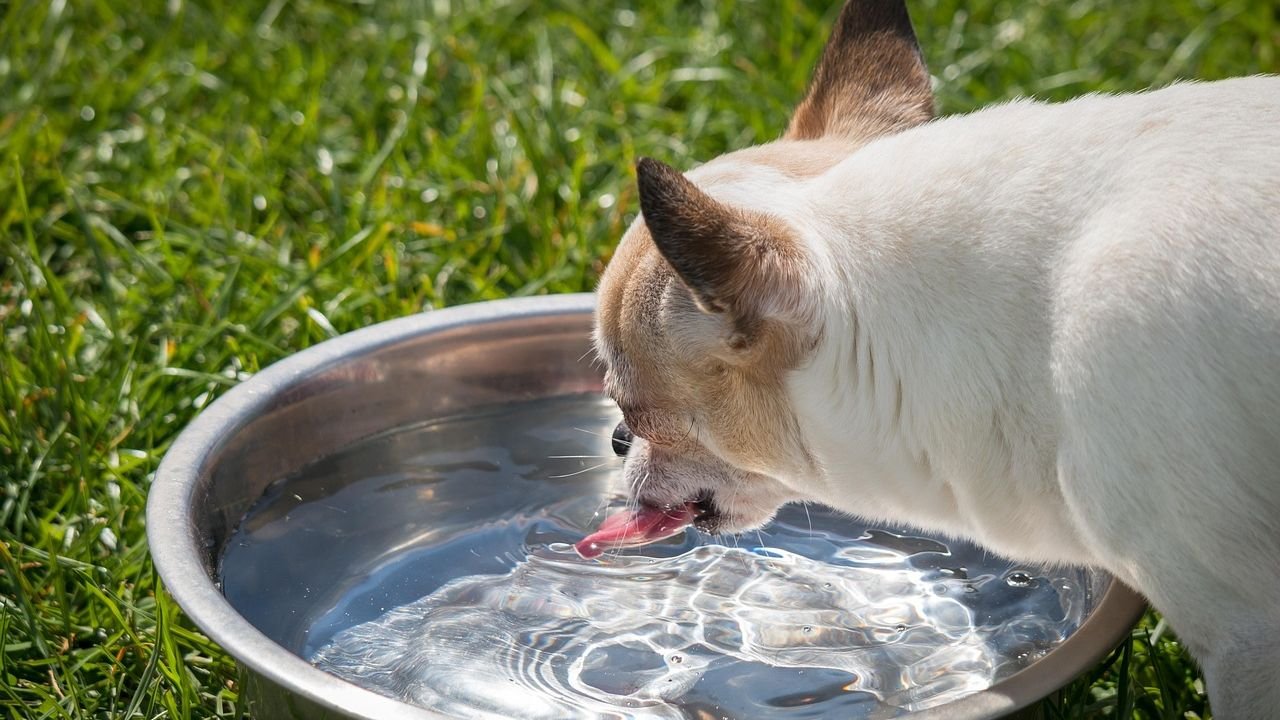
You fill it up every morning. Fresh, clean water sits waiting in that bowl. Yet your dog walks right past it, maybe even gives it a suspicious glance, and heads off to find something more interesting to do. Sound familiar? If you’ve ever wondered why your furry friend seems to have standards when it comes to hydration, you’re not alone.
Let’s be real, we often assume dogs will drink whatever water we put in front of them. After all, they’re the same creatures who happily lick puddles and investigate questionable outdoor water sources. Yet many dogs develop surprisingly specific preferences about their home water bowl. Understanding why they turn up their noses can help you keep them properly hydrated and healthy.
The Cleanliness Factor Nobody Talks About
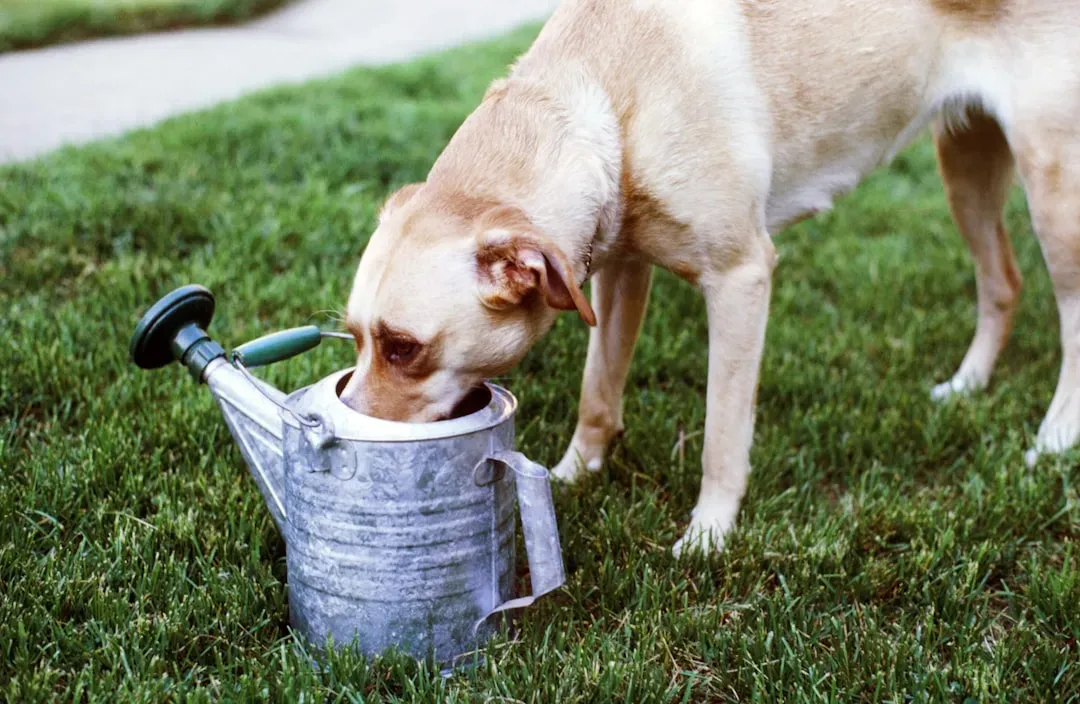
Here’s the thing about water bowls: they get disgusting faster than you think. Bowls with dirt, molds, insects, or soap residue can discourage a dog from drinking, and they should be washed and rinsed thoroughly in the dishwasher on a weekly basis. Your dog’s sense of smell is extraordinarily powerful, roughly 10,000 times more sensitive than ours.
What looks like clear water to us might smell like yesterday’s kibble, backwash, or even biofilm buildup to your pup. When water sits for too long, it can get stale and become a place for bacteria and algae to grow, and dogs can be picky about their water – if it’s dirty or smells bad, they might not want to drink it. Think about it this way: would you want to drink from a glass that’s been sitting out for three days collecting dust and debris?
For the best health, you should change your dog’s water at least once a day. Some dogs are even more particular and will only drink freshly poured water. I’ve known dogs who would literally wait by their bowl until their owner refilled it, even if water was still there from the morning.
Bowl Material Matters More Than You’d Expect
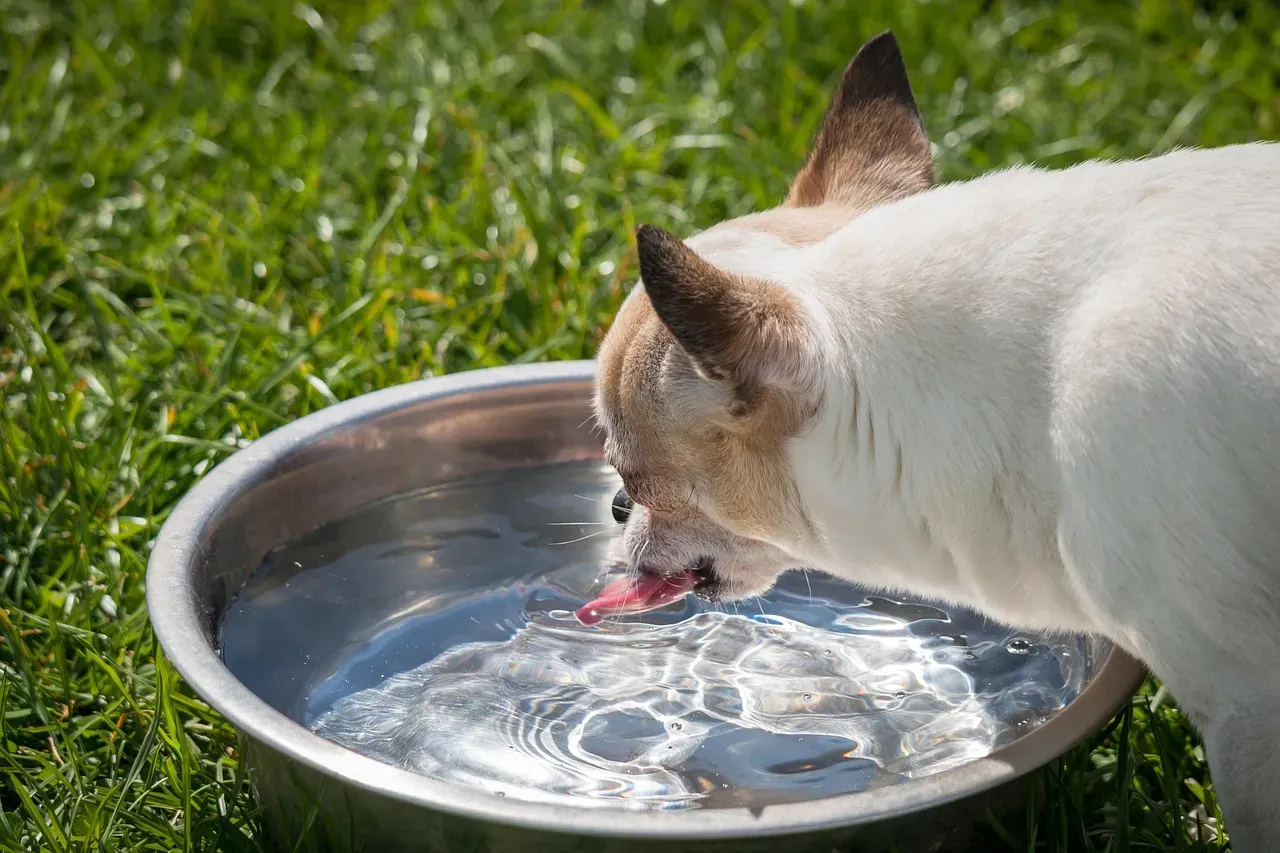
Not all bowls are created equal in your dog’s eyes. Dogs are sensitive to the taste and smell of water, and if the water bowl is dirty or the water is stale, your dog might refuse to drink – additionally, some dogs are picky about the type of bowl used.
Plastic bowls are prone to scratches and can harbor bacteria, and they can contain harmful chemicals such as BPA, phthalates, and other toxic substances that can leach into your pet’s food or water over time. Those tiny scratches you can barely see become bacterial havens and can alter the taste of the water. Even worse, some dogs develop allergic reactions to certain plastics, leading to conditions like contact dermatitis around their muzzle.
Stainless steel is considered one of the safest materials for dog bowls because it is durable, non-porous, and easy to clean, which makes it resistant to bacterial growth. Ceramic bowls can be stylish alternatives, though you need to ensure they’re lead-free and check regularly for chips in the glaze. Glass is another excellent option, though obviously more fragile.
Temperature Preferences Your Dog Won’t Tell You About
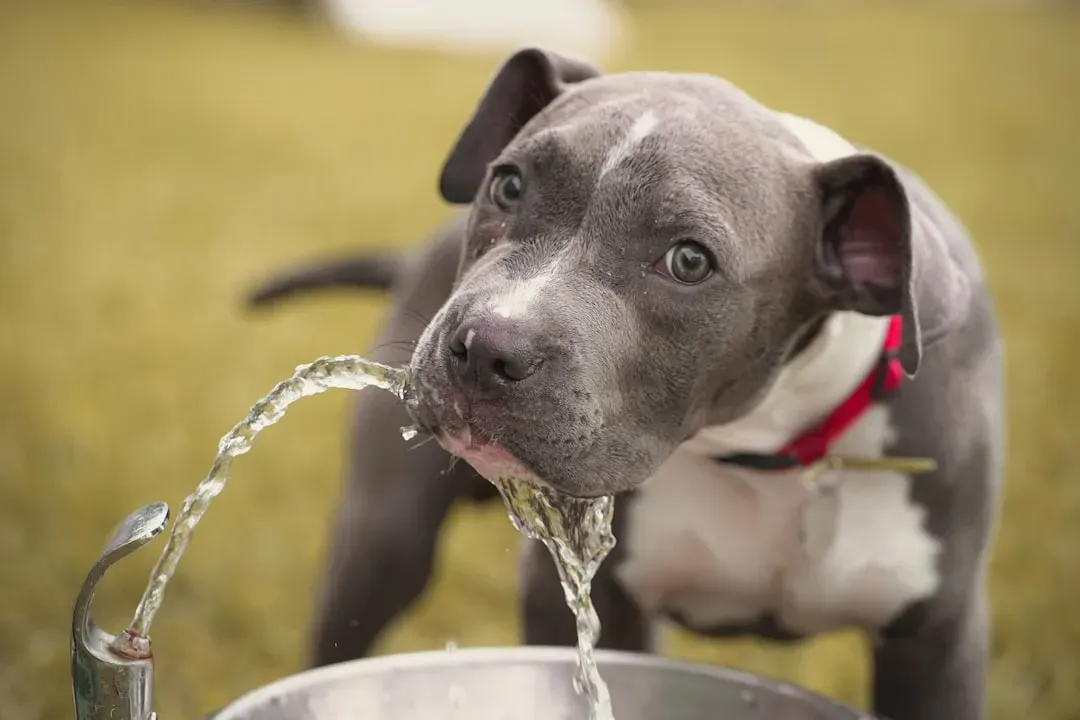
Believe it or not, dogs have opinions about water temperature. In a study that assessed 11 mixed-breed dogs over 13 days, it was observed that the dogs displayed a strong preference for cool drinking water, and the dogs were given the freedom to choose between water that was 15, 25, and 35 degrees Celsius, and they consistently chose the coldest water at 59 degrees Fahrenheit.
This makes biological sense. Some dogs may show a slight preference for cooler water, especially during hot weather, as cold water can help them cool down and provide some relief. Unlike humans who sweat across most of our body, dogs primarily cool themselves through panting and limited sweating through their paw pads.
The temperature of the water can also cause sensitivity in the teeth when underlying dental issues are present. If your older dog suddenly prefers room temperature water over the cold stuff they used to love, it might be worth checking for dental problems. Water that’s been sitting in a hot kitchen all day or outside in the summer sun becomes unappetizing and won’t help them regulate body temperature effectively.
Location, Location, Location
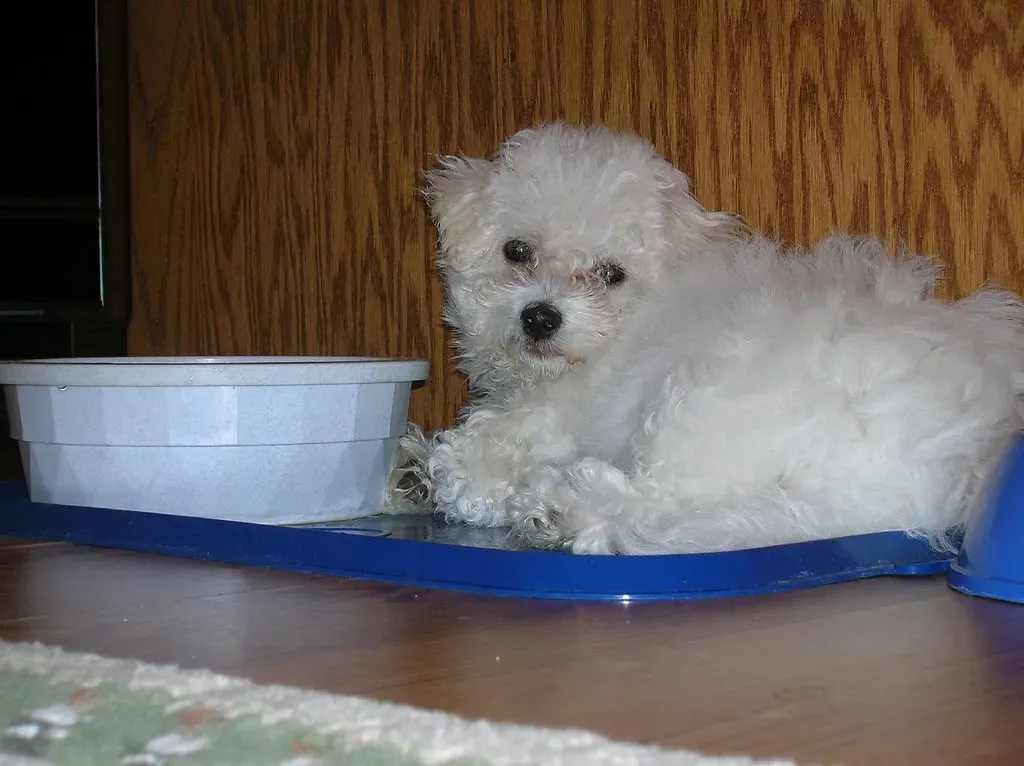
You might not have given much thought to where you placed that water bowl, but your dog certainly has. Placing the water bowl in a central area, such as the kitchen or living room, ensures that your dog passes it frequently during the day, which increases the likelihood of regular drinking.
Don’t put bowls near loud appliances or in areas that block your dog’s access, as the right location for the bowls is just as important as the type of bowl. Dogs can be startled by the sudden noise of a washing machine kicking on or dishwasher starting its cycle. Fear or anxiety can cause your dog to avoid the water bowl, like if they’ve experienced being jostled aside by other dogs or someone stepping on their tail or paw.
The placement of the water bowl can also influence your dog’s drinking habits, as if the bowl is near their food, some dogs may avoid it due to the smell of their meals, while others might feel uncomfortable drinking in high-traffic areas. Some dogs prefer a quiet corner where they can drink without being disturbed. Others want to be in the middle of family activity. Pay attention to your dog’s behavior and adjust accordingly.
Health Issues Hiding Behind Water Refusal
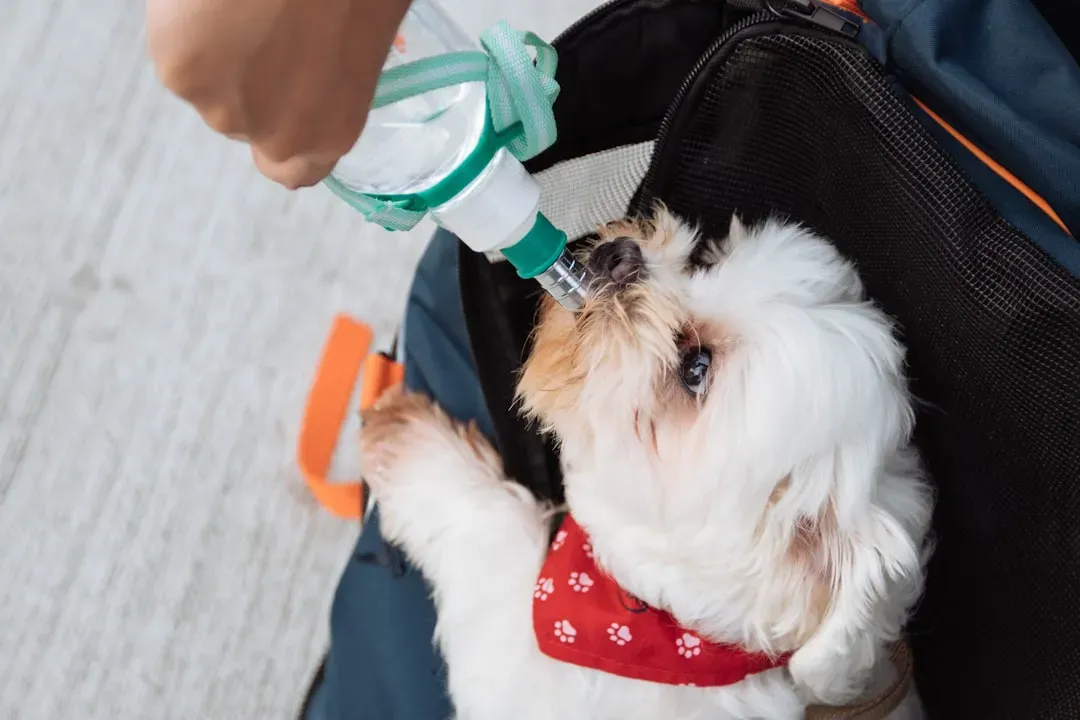
Sometimes a dog’s reluctance to drink isn’t about pickiness at all. If a dog is experiencing pain in their teeth or gums, eating and drinking may be less desirable, and the temperature of the water can also cause sensitivity in the teeth when underlying dental issues are present. Dental disease is surprisingly common in dogs and can make the simple act of drinking painful.
Mouth pain or dental problems can cause discomfort during swallowing if it hurts to drink, and tooth pain, gingivitis, or oral injuries can cause this discomfort. Similarly, gastrointestinal issues can make your dog feel nauseous, which naturally suppresses their desire to drink. Any illness that makes a dog not feel well can decrease thirst, including viral or bacterial infection, gastrointestinal diseases, cancer, kidney disease or failure, bladder infection, any situation that causes nausea, oral pain or injury, and arthritis.
If you notice your dog suddenly refusing water for more than 24 hours, or if they show other symptoms like lethargy, vomiting, or changes in urination, it’s time to call your veterinarian. Dehydration is so serious that it can lead to kidney failure, loss of consciousness, and in extreme cases, dehydration in dogs can be fatal. Don’t wait to see if things improve on their own.
Simple Solutions That Actually Work
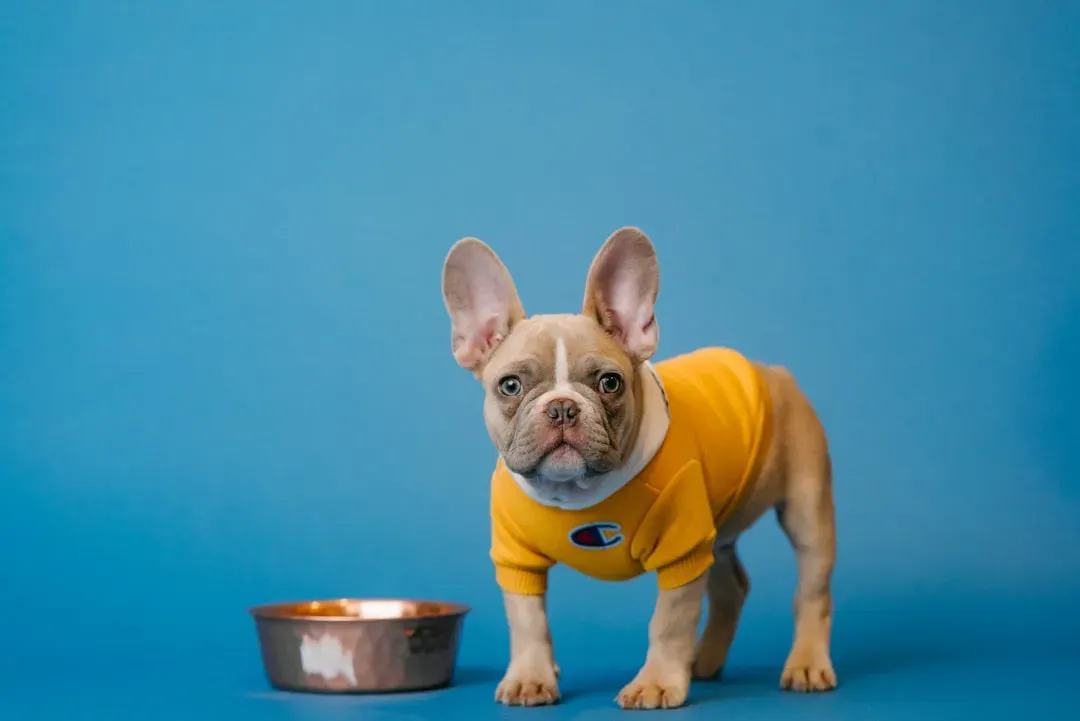
The good news? Most picky drinking problems have straightforward fixes. Start with the basics: wash that bowl daily with hot water and mild soap, rinse it thoroughly, and refill with fresh water. Adding additional water bowls around the house or outdoors can encourage dogs to drink, and having more bowls can ensure there is water for every pet.
Consider switching to stainless steel if you’re currently using plastic. Some dogs enjoy fountains and will drink more when available, but if you use a fountain and your dog loves it, make sure you keep it clean because some dogs will stop using the fountain if the water becomes moldy. The movement and sound of running water can be incredibly appealing to certain dogs.
Dogs that are used to a specific water source, such as tap, well, or bottled, will resist drinking from a different source. If you’ve recently moved or changed your water source, try mixing the new water with bottled water temporarily to help them adjust. Some dogs are that particular about taste.
Try placing ice cubes in the bowl during warm weather to keep water cool and appealing. Move the bowl to a quieter location if noise seems to be an issue. Honestly, sometimes the solution is as simple as buying a second bowl for another room so your dog has options throughout the day.
Conclusion
Your dog’s fussiness about their water bowl isn’t just them being difficult. More often than not, they’re responding to legitimate concerns about cleanliness, taste, temperature, or location that their superior senses pick up on. By paying attention to these details, keeping bowls impeccably clean, choosing the right materials, and placing water in accessible, calm locations, you’re setting your dog up for proper hydration and better health.
Remember, water is essential for virtually every function in your dog’s body. When they’re not drinking enough, everything from digestion to temperature regulation suffers. The effort you put into understanding their water preferences pays dividends in their overall wellbeing and happiness. What seems like a small detail truly isn’t small at all when it comes to keeping your best friend healthy and hydrated for years to come.


