If you’ve ever watched your dog become fixated on a tennis ball for hours or noticed them reacting intensely to sounds that barely register with other pets, you might have wondered if something deeper was going on. That intuition could actually be onto something real. Scientists are now seriously exploring whether our furry companions experience the world through neurodivergent brains, much like many humans do.
The conversation around neurodiversity has expanded dramatically in recent years, moving far beyond human experience. Researchers are now examining whether the same structural and chemical brain differences found in people with autism or ADHD might also exist in dogs. The implications are fascinating, not just for how we understand our pets, but for what this reveals about the nature of brain diversity itself.
The Science Behind Canine Neurodivergence
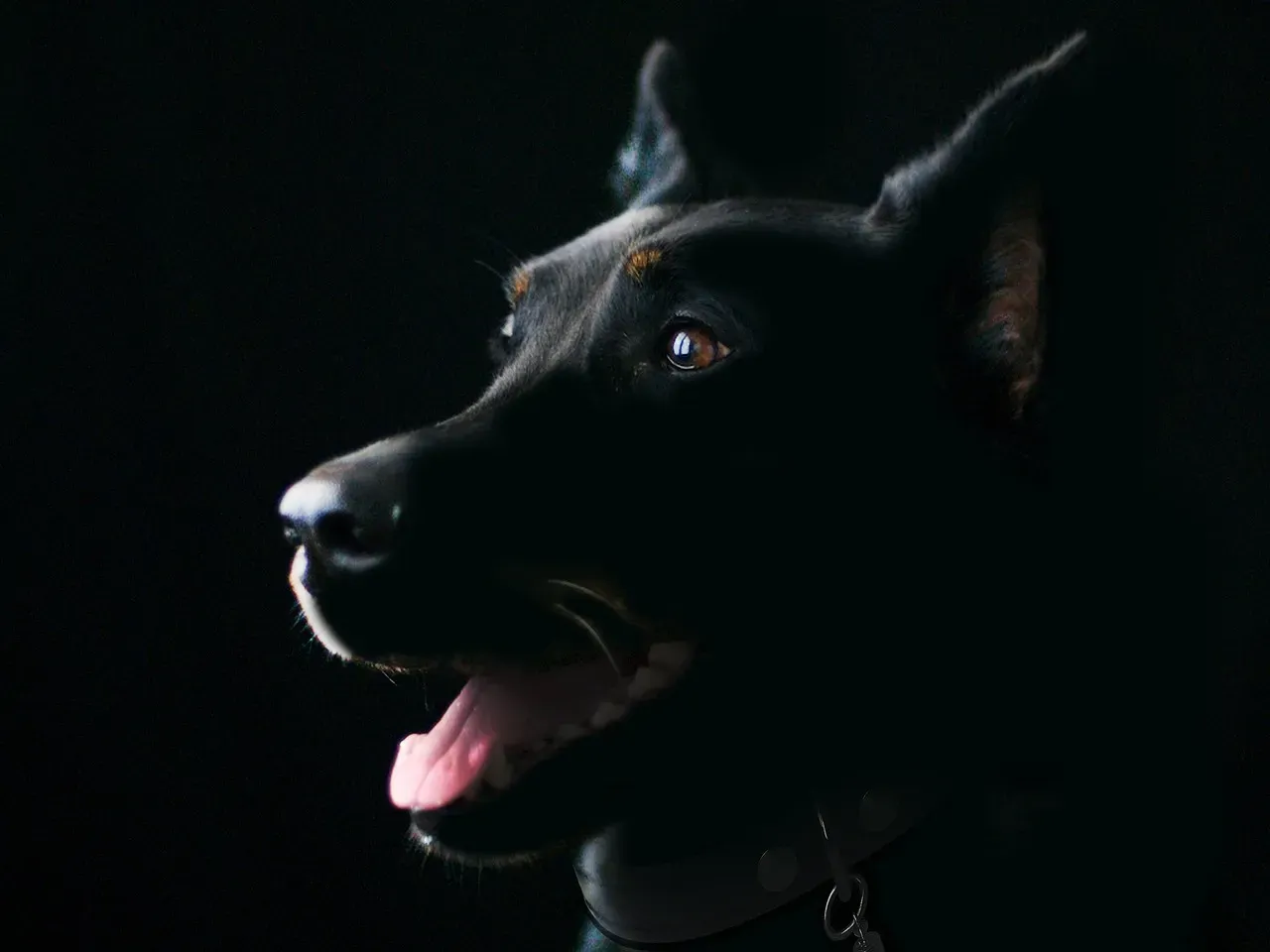
Research is challenging the assumption that autism is uniquely human, with studies suggesting that dogs may experience forms of neurodivergence that closely mirror autism, featuring similar structural and chemical differences in their brains to those found in humans with autism. Impulsive behavior in dogs is linked to low levels of the neurotransmitters serotonin and dopamine, the same neurotransmitters involved in emotional regulation and focus. Let’s be real, this is pretty significant stuff. We’re not talking about just quirky behavior anymore.
Beagles even share the same gene mutation with humans, called Shank3, which is linked to autism. Dogs with this mutation show reduced signaling in areas of the brain responsible for attention and social processing, and display a measurable drop in the synchronized brain activity that occurs when humans and dogs engage socially. This kind of neural coupling, or the way brains sync up during interaction, is something that happens naturally between neurotypical individuals but seems to work differently in neurodivergent brains, whether canine or human.
Behavioral Patterns That Mirror Human Conditions
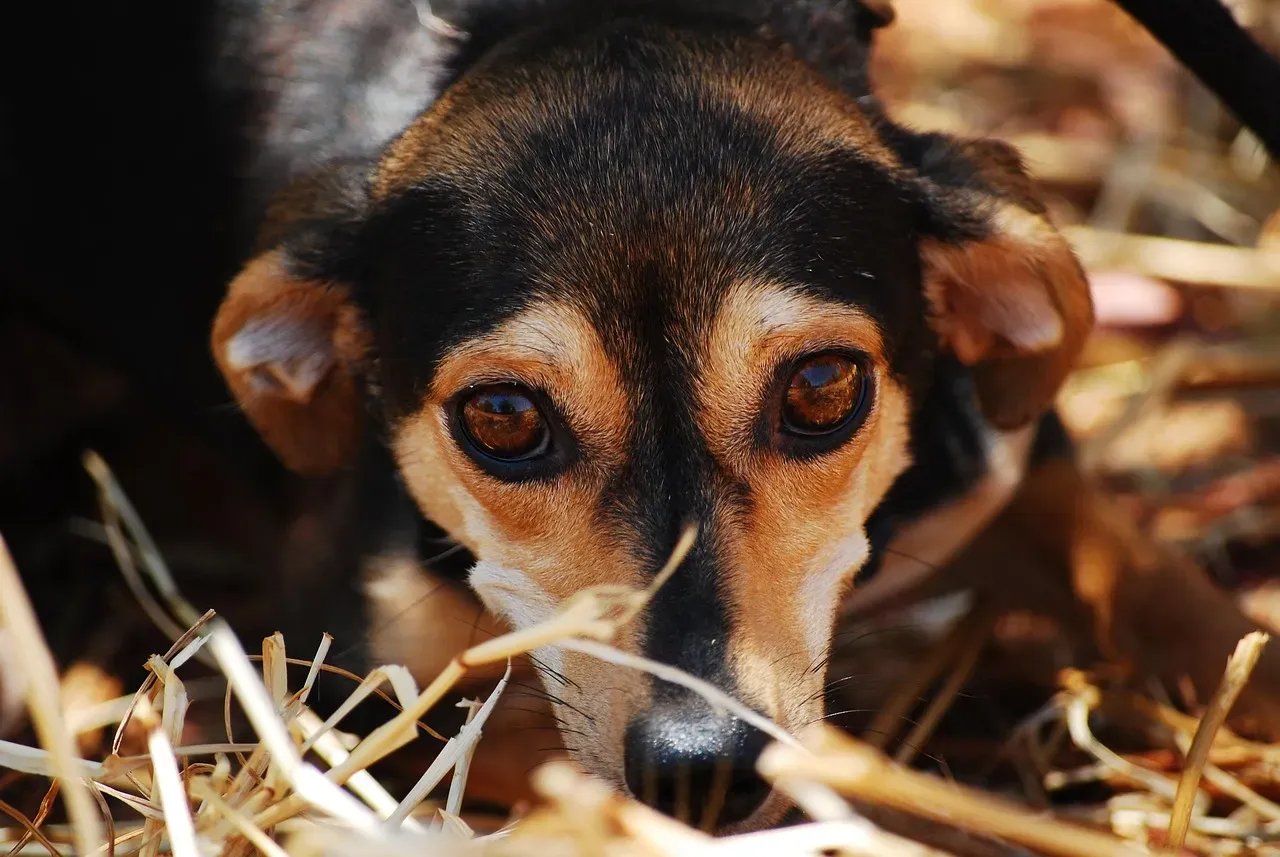
One 2024 paper that collected owner-reported data from over 43,000 dogs in the US reported that more than 99 percent of pet dogs enrolled in the study presented with at least one behavioural problem, with some behavioral concerns such as separation-related behaviours, fear, anxiety and obsessive behaviour mimicking challenges associated with some forms of neurodivergence in people. That’s an astonishing number when you think about it. Nearly every dog in that massive dataset showed some kind of behavioral concern.
These aren’t just random quirks either. Some dogs show severe sensory sensitivities, reacting intensely to loud noises like fireworks, sirens, or shouting, responses that parallel the sensory overload experienced by many autistic people, while others display social differences, including anxiety around other dogs or an unusual disinterest in interacting with humans. The similarities to human neurodivergent experiences are hard to ignore. Still, it’s important to remember that we’re observing these patterns through a human lens, which comes with its own limitations.
The Diagnosis Dilemma

At present, no official diagnosis for canine autism exists, with behaviors that resemble ADHD, sensory processing differences, or social withdrawal instead grouped under a broad category called Canine Dysfunctional Behavior (CDB). This creates an interesting challenge. How do you diagnose something when the subject can’t describe their internal experience? Animals obviously can’t tell us how they perceive things or answer diagnostic questionnaires the way humans can.
We can only ever describe animal behavior through the lens of our own understanding, for example labelling some dogs as impulsive, though for those dogs, their outward impulsivity might be normal behavior for their breed, in the same way that many cats are solitary. The challenge is distinguishing between breed-typical behavior and genuine neurodivergence. A Border Collie’s intense focus or a Beagle’s tendency to follow scents obsessively might just be what those breeds were designed to do. So where do we draw the line?
Emerging Tools and Research Methods

State-of-the-art machine learning tools can accurately identify ADHD-like traits in dogs, and there may be a future where a single tool can diagnose neurodivergence in both humans and animals. Technology is opening doors that seemed impossible just a few years ago. Researchers can now analyze how dogs move through new environments, measuring their responses in ways that remove some of the subjectivity from traditional behavioral assessments.
Shank3 canine research has also provided a hint at potential supportive medical interventions for human autism, with a single dose of the psychedelic drug LSD given to dogs with the Shank3 mutation resulting in increased attention and enhanced neural coupling with people over five days. This research direction is ethically complex and legally fraught, but it demonstrates how studying neurodivergence in animals might actually help us better understand and support neurodivergent humans. The connection goes both ways.
A Different Perspective on Pet Behavior
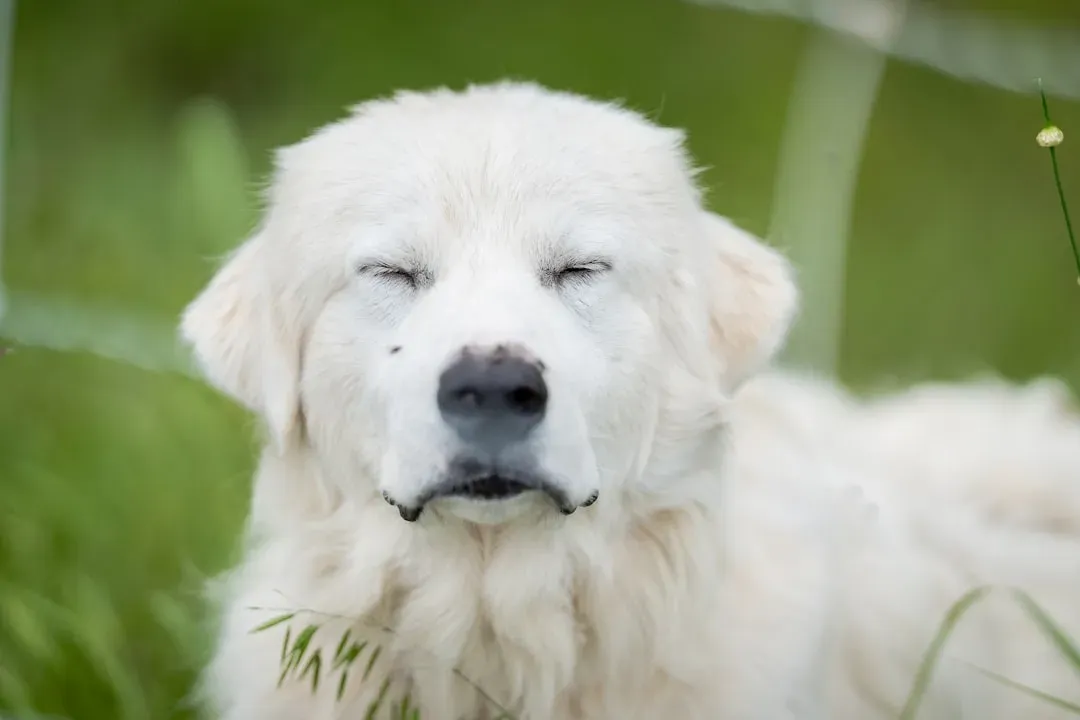
Dr. Boyd acknowledged that the idea of dogs exhibiting autism-like traits may unsettle many owners, but she urged them not to jump to conclusions or diagnose their pets on their own, explaining that it’s maybe less about saying whether your dog is neurodivergent, and more about recognising that we have neurodiversity. Honestly, this feels like the most practical takeaway from all this research. We don’t need to slap a label on every dog who acts differently.
For owners, the priority should be observing a dog’s individual needs and difficulties, such as a dog who startles at loud noises requiring quieter environments, a dog who struggles to socialize needing slower introductions, and a dog who hyperfocuses potentially benefiting from structured enrichment. It’s about adaptation and understanding. Think of it like this: instead of forcing every dog into the same behavioral mold, we could recognize that some need different approaches, just like neurodivergent people thrive with accommodations tailored to their needs.
What This Means for the Future

Managing pets with such behavioural problems can be distressing and may even lead to rehoming or euthanasia, though this could sometimes be avoided if owners had a better understanding of what was going on. That’s a sobering reality. How many dogs have been surrendered or worse because their behavior was misunderstood? Understanding neurodivergence in dogs isn’t just an academic exercise, it has real-world consequences for animal welfare.
This also raises the interesting possibility that by breeding animals to live alongside us, we selected animals with behavior similar to what is reported by neurodiverse people. Here’s something crazy to consider: what if humans have been unconsciously breeding neurodivergent traits into dogs for thousands of years? Perhaps the very qualities that made certain dogs better companions, more attentive, more focused, more responsive to human emotion, are actually markers of neurodivergence. We might have been celebrating and selecting for these traits all along without realizing what we were doing.
However, when behavior becomes distressing for the dog or the household, professional help is necessary, and they should absolutely be seeking a veterinary check-up and working with a fully qualified behaviorist or trainer. The research doesn’t give us permission to ignore serious behavioral issues or skip professional guidance. What it does offer is a more compassionate framework for understanding why some dogs behave the way they do. Recognition of neurodiversity in animals opens pathways to better care, more targeted interventions, and hopefully fewer dogs ending up in shelters because their humans didn’t understand their needs. What would change if we stopped expecting every dog to fit the same behavioral template? That’s the question worth sitting with.