
There’s a moment every dog owner knows. You’ve had a terrible day. You walk through the door, and there they are. Tail going like a helicopter rotor, eyes locked on yours, body practically vibrating with joy. No judgment. No agenda. Just pure, unfiltered love directed entirely at you. Honestly, it’s enough to make a grown person emotional.
Dogs are not simply pets. They are companions, emotional anchors, and, for millions of people around the world, a reason to get out of bed in the morning. But loving a dog deeply and caring for one well are two very different things. Understanding your dog’s emotional needs, health signals, and behavioral cues is the real language of love. So let’s dive in, because your dog deserves every bit of the best version of you.
The Science Behind Why Your Dog Loves You So Fiercely
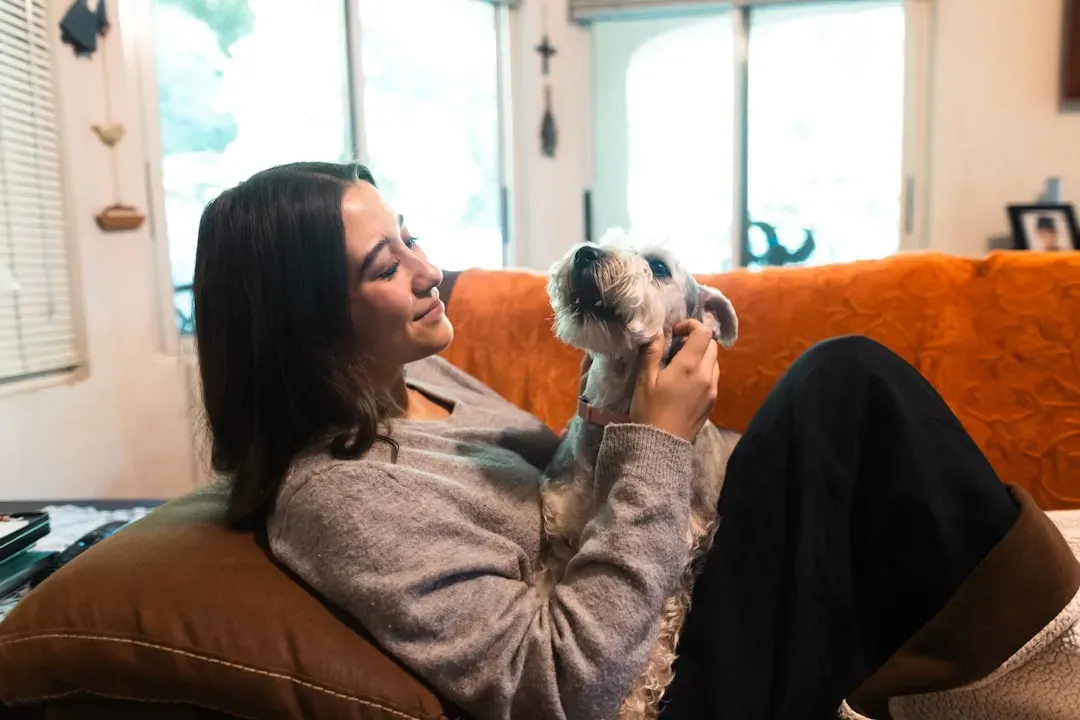
Let’s start with something that might genuinely surprise you. Eye contact with your dog can create the same emotional feedback loop seen between a mother and her children, including introducing high levels of oxytocin. That warm, melting feeling you get when your dog stares up at you? That’s not just sentiment. That’s actual chemistry happening in both of your bodies simultaneously.
Psychologists believe the relationship between humans and dogs is a bidirectional attachment bond which resembles the typical human caretaker and infant relationship. Dogs seek out their caretaker as a means to cope with stress, and the absence of the caretaker can trigger separation anxiety to a varying degree. Think about that for a second. Your dog genuinely experiences distress when you leave. That’s not manipulation. That’s love, in the only language they have.
A study from the University of Jyväskylä reveals that a dog’s heart rate variability adapts to its owner’s heart rate variability, suggesting a physical synchrony in emotional states. In other words, your dog literally feels what you feel. If you’re stressed, they feel it. If you’re calm, they calm down too. The relationship is far deeper than most people realize, and that alone should change how we think about our role in a dog’s life.
Reading Your Dog’s Body Language Before It Becomes a Cry for Help
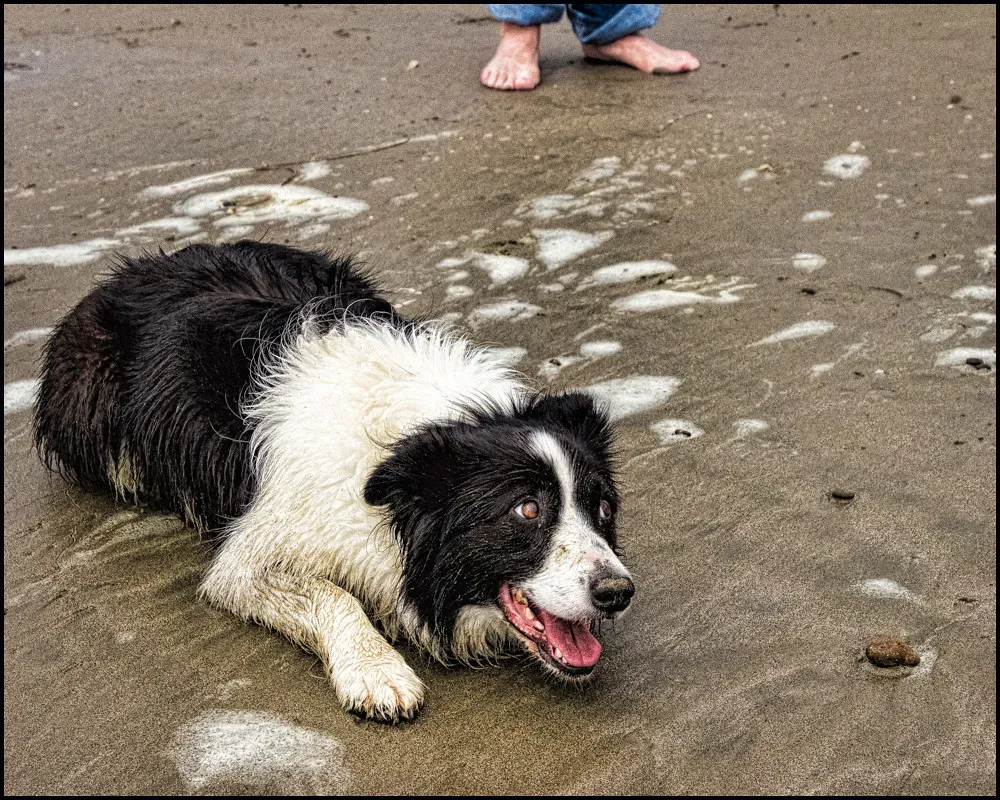
Here’s the thing most people miss. Dogs are masters at hiding discomfort. Dogs often hide signs of illness, which is why routine wellness care helps catch problems before symptoms appear. By the time your dog looks visibly unwell, the issue has often been quietly building for a while. This is why learning to read subtle behavioral signals is one of the most powerful things you can do as a dog owner.
Watch for changes that seem small but could mean something significant. Loss of appetite, lethargy, vomiting, weight changes, or unusual behavior are signs your dog may need veterinary care. Also pay attention to the less obvious ones. Excessive yawning, lip licking, avoidance of eye contact, or a sudden change in how your dog walks can all be early whispers of a problem. Think of it like this: your dog can’t call you when something is wrong. Their body is their only phone.
Signs like excessive barking or destructive behavior may indicate stress. So before you get frustrated with a chewed-up couch or incessant whining, ask yourself what your dog might actually be trying to say. Sometimes what looks like bad behavior is a dog screaming for help in the only way they know how.
Exercise, Enrichment, and the Mental Health of Your Dog
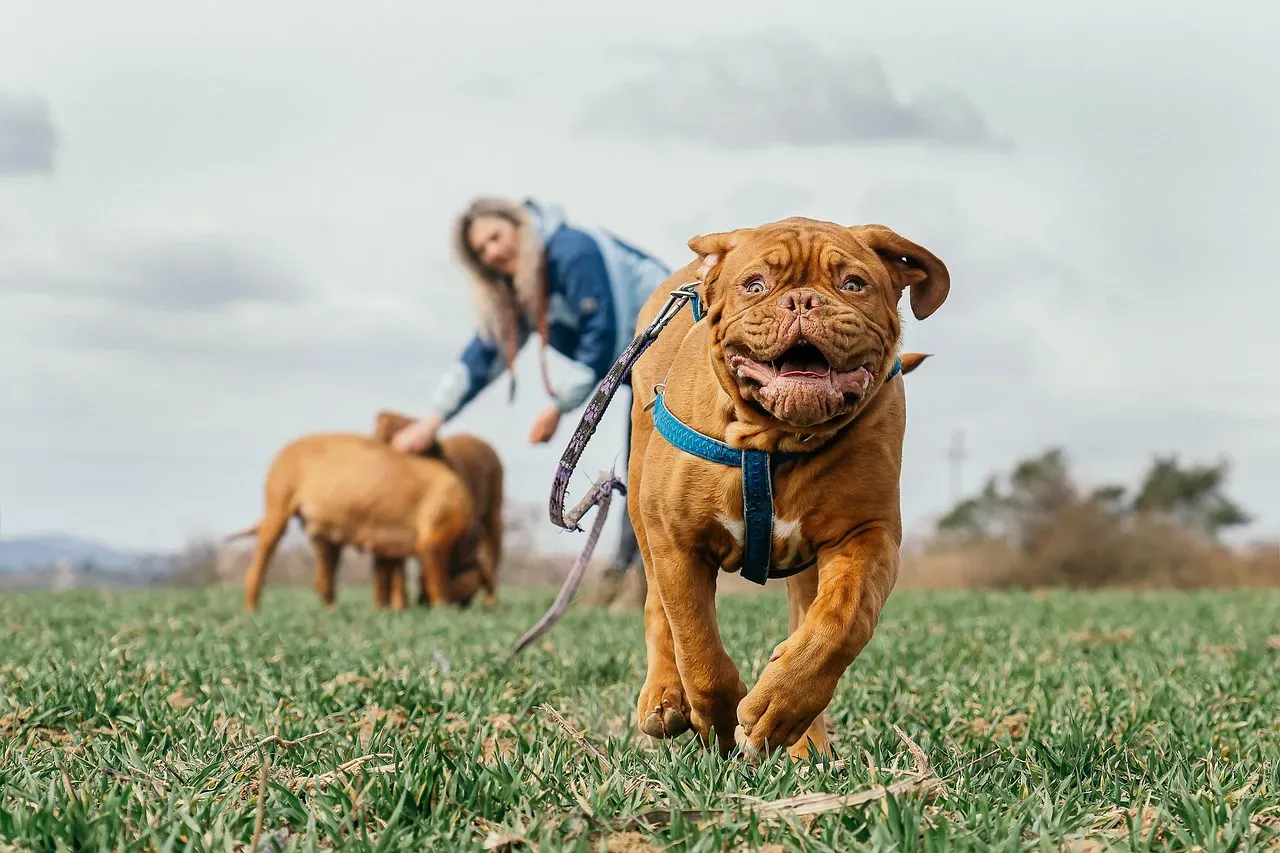
Exercise isn’t just about keeping your dog fit. It’s crucial for mental enrichment and well-being. Regular activity can prevent obesity and behavioral problems like anxiety. We often forget that a bored dog is a suffering dog. Imagine being physically capable of running, playing, and exploring but confined to the same four walls with nothing to engage your brain. That’s what under-stimulation feels like for a dog.
The amount of exercise a dog needs depends on their breed, age, and health. On average, dogs require thirty minutes to two hours of exercise daily. High-energy breeds like Border Collies and Labradors benefit from longer and more intense activities, while smaller breeds or older dogs may need less. Don’t just think about walks either. Mental stimulation with puzzle toys or scent games can keep their minds sharp. A dog that sniffs, problem-solves, and explores is a genuinely fulfilled dog.
A dog’s primary sense is smell. A fast-paced walk does almost nothing for their brain. Allowing your dog to use a long line in a quiet area and choose their own pace and direction is something most owners have never tried but the difference in your dog’s mood afterward is remarkable. It’s the canine equivalent of a long, peaceful stroll through the woods with nowhere to be. Let your dog lead sometimes. You’ll be amazed.
Preventive Health Care: The Gift That Keeps on Giving

Pet care continues to evolve every year, and in 2026, preventive care is more important than ever. Regular wellness habits help detect health issues early and reduce long-term treatment costs. I think this is one of the areas where even the most loving dog owners tend to fall short, not because they don’t care, but because vet visits can feel stressful and expensive. The truth is, catching a problem early is almost always cheaper, easier, and kinder to your dog than treating it late.
The importance of making sure your dog sees their vet regularly simply can’t be overstated. All dogs should be spayed or neutered, microchipped, examined regularly, and kept current on their vaccinations and parasite control. It’s hard to say for sure how many owners are fully up to date on all of this, but it’s safe to say a surprising number are not. Dental disease is a silent killer in dogs, with the vast majority showing signs of oral issues by age three. That statistic alone should be enough to make brushing your dog’s teeth a daily habit starting today.
Regular veterinary visits remain essential for early detection of health issues. In 2026, vets have access to advanced diagnostic tools that can catch problems before symptoms appear. The science is there. The tools exist. Your job is simply to show up consistently for your dog the way they show up for you every single day without fail.
The Emotional Bond: Nurturing the Relationship That Heals You Both

Let’s be real. The relationship between a dog and their person is one of the most quietly profound things in modern life. The human-canine bond offers profound impacts on our emotional well-being. Interacting with a dog can alleviate stress, anxiety, and depression. This isn’t just feel-good talk. It’s documented science. The simple act of petting a dog releases oxytocin, a hormone associated with relaxation and bonding, fostering emotional resilience in humans. Your dog is, in the most literal biological sense, good medicine.
Dogs are known for their attunement to human emotions. They can sense when their owners are sad or anxious and often respond with comforting behaviors such as physical proximity, licking, or nuzzling. If your dog has ever pressed their body against yours on a hard night, they weren’t guessing. They knew. Nurturing this bond requires you to be present, consistent, and responsive in return. The human-canine bond is strengthened or diminished depending on the quantity and quality of time spent with the dog through activities such as routine walking, feeding, grooming, and play.
Caring for a dog provides a sense of purpose and responsibility, which can be particularly beneficial for individuals struggling with depression or anxiety. The routine of feeding, walking, and playing with a dog offers structure and a reason to engage with the world, fostering both accountability and emotional fulfillment. Your dog doesn’t just need you. In the truest sense, they complete something in you too.
Conclusion: Love Them Like They Love You
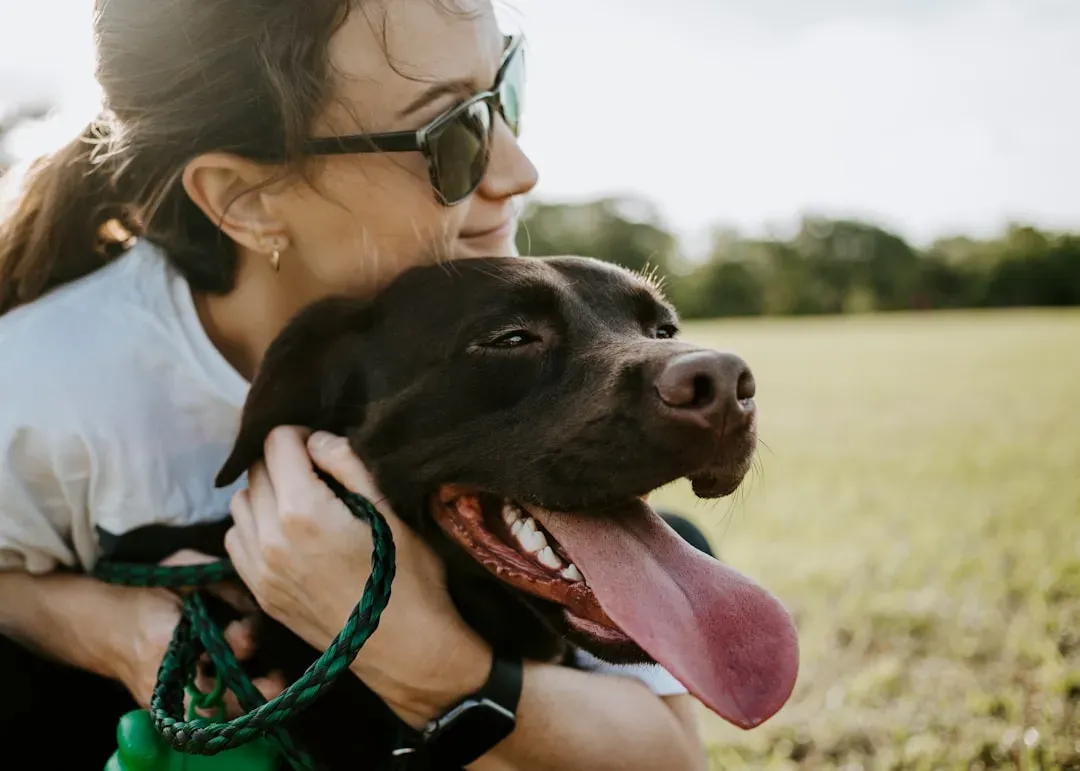
Dogs give us everything. They give us joy on the worst days, laughter when we least expect it, and a kind of loyalty that no human relationship can quite replicate. But that love isn’t maintenance-free. It asks something of us in return. It asks us to pay attention, to show up for vet appointments, to learn their language, and to make their inner world as rich as they make ours.
The good news is that caring well for your dog isn’t complicated. It’s mostly about consistency, observation, and genuine presence. Notice the small things. Move a little slower on walks sometimes. Put down your phone and just be with them. Because the years go by fast, and dogs live in every single moment of them.
So here’s a thought to carry with you: your dog already knows you’re their whole world. The only question is, do they know they’re yours too? What one small thing will you do differently for your dog starting today? Share your thoughts in the comments, we’d love to hear from you.


