
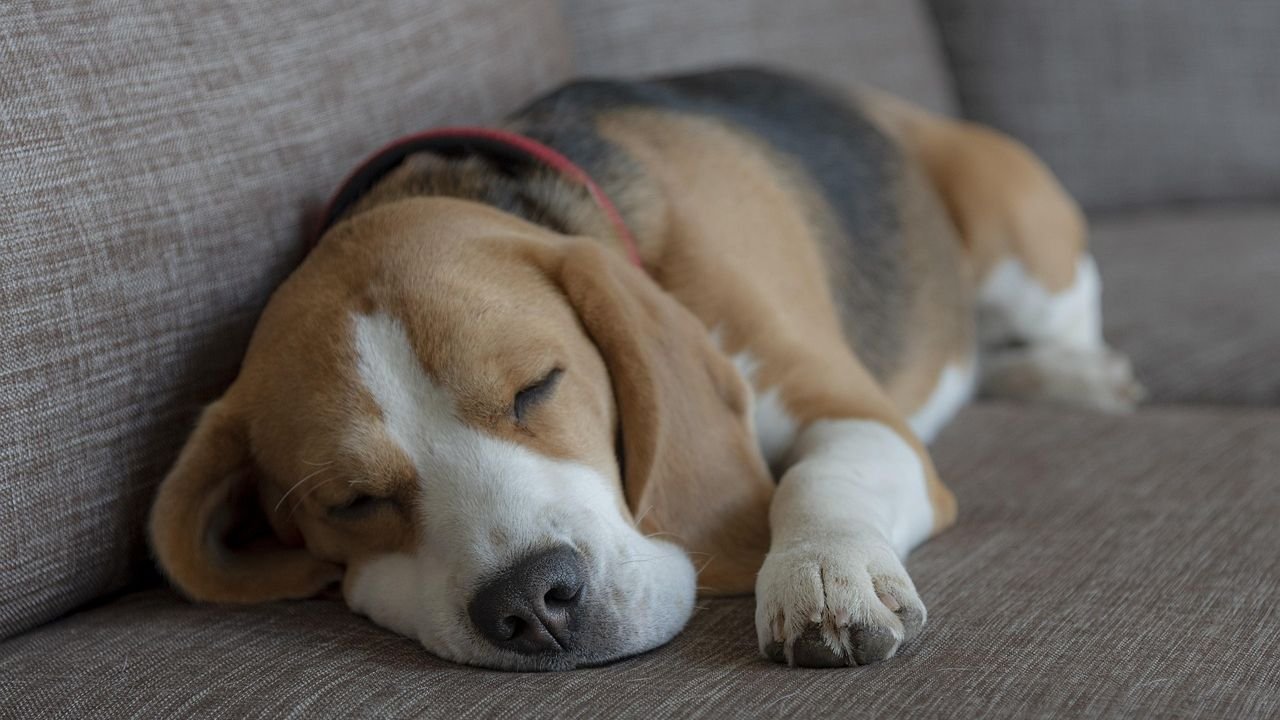
Picture this. It’s a quiet evening, your dog is curled up on their favorite spot, and suddenly, their paws start twitching. A soft little woof escapes. Their eyes flicker under closed lids. You lean in, heart full, and wonder – what on earth are they dreaming about?
Honestly, it’s one of those small, magical moments that makes dog ownership feel like the greatest gift in the world. There’s something deeply moving about watching the animal you love most drift into a world you can’t follow. The good news? Science has a lot to say about what’s really going on – and it might just change how you see your dog’s entire day. Let’s dive in.
The Sleep Science Behind a Snoozing Dog
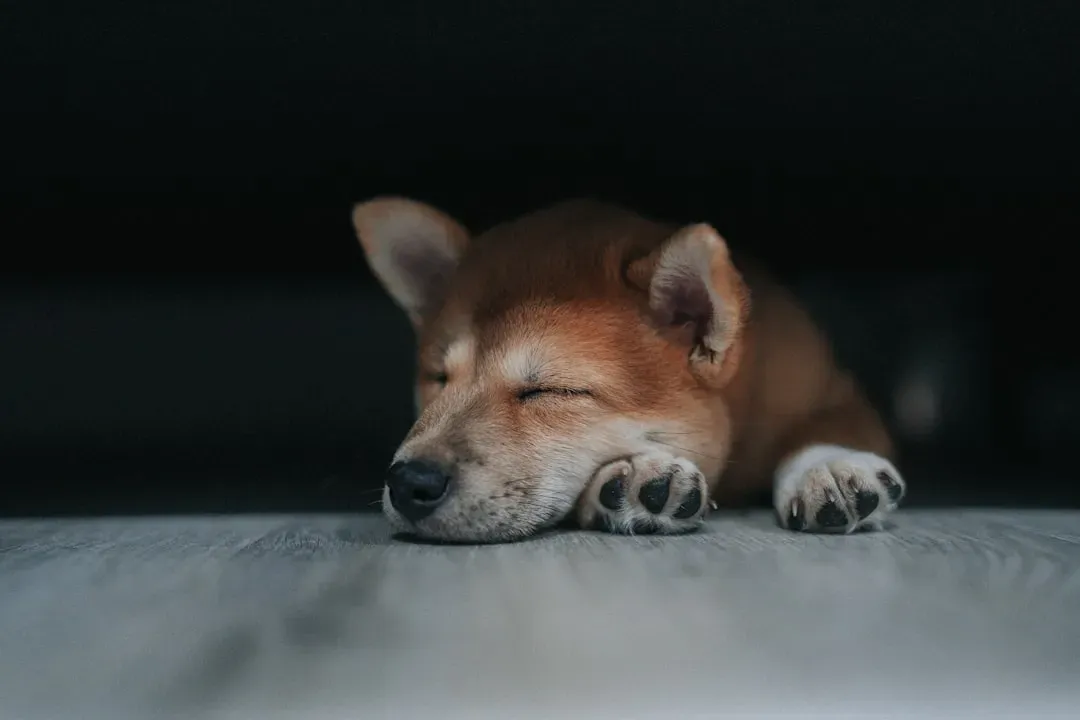
Like people, dogs go through several sleep cycles, with periods of wakefulness followed by REM sleep and non-REM sleep. REM sleep is the period when the most memorable and vivid dreams happen. Think of it like a nightly Netflix session for their brain – except the content is entirely personal.
A single sleep cycle usually lasts around 20 minutes in dogs, with about six of those minutes spent in REM sleep, when most dreaming occurs. That’s actually quite a short window compared to humans, which means your dog cycles in and out of dream states far more frequently throughout the night.
During sleep, the brains of humans and dogs function similarly and exhibit brain wave patterns reflecting two basic stages of the sleep cycle. When a dog first falls asleep, they experience slow wave sleep, where brain waves are slow and undulating, and mental processes are quiet while muscles remain active.
Later, a deeper stage of sleep occurs, marked by rapid eye movements. This is called REM sleep, where brain waves are faster and more irregular, muscles are more relaxed, but the mind is far more active and the eyes dart rapidly beneath the eyelids. It’s a beautifully complex little system, honestly.
What Your Dog Is Actually Dreaming About
Here’s where it gets really good. A landmark study from MIT in the early 2000s explored how animals dream by monitoring brain activity during both waking and sleeping hours. When rats ran through mazes during the day, their brain patterns matched up almost perfectly with patterns recorded during REM sleep, leading scientists to conclude that rats, and by extension dogs, likely dream about their daily activities.
So what does that mean for your dog? When your dog runs or barks softly in their sleep, they may be replaying a familiar scene, like chasing a ball or playing with you in the yard. Let that sink in. Your dog’s dream life is basically a highlight reel of the time they spent with you.
Since dogs draw from their past experiences for their dreams, it’s possible that dogs dream about their owners. We often play the biggest role in our dogs’ daily lives, so it makes sense that they would dream of us and our time together.
Dogs most likely dream about what they see in real life, which can include a favorite walking route, a bird or squirrel they wanted to chase, or even a favorite human. Scientists believe that certain breeds might dream about specific things – a retriever replaying a game of fetch, perhaps, or a terrier mid-chase of something small and fast.
Reading the Signs: Is Your Dog Actually Dreaming Right Now?
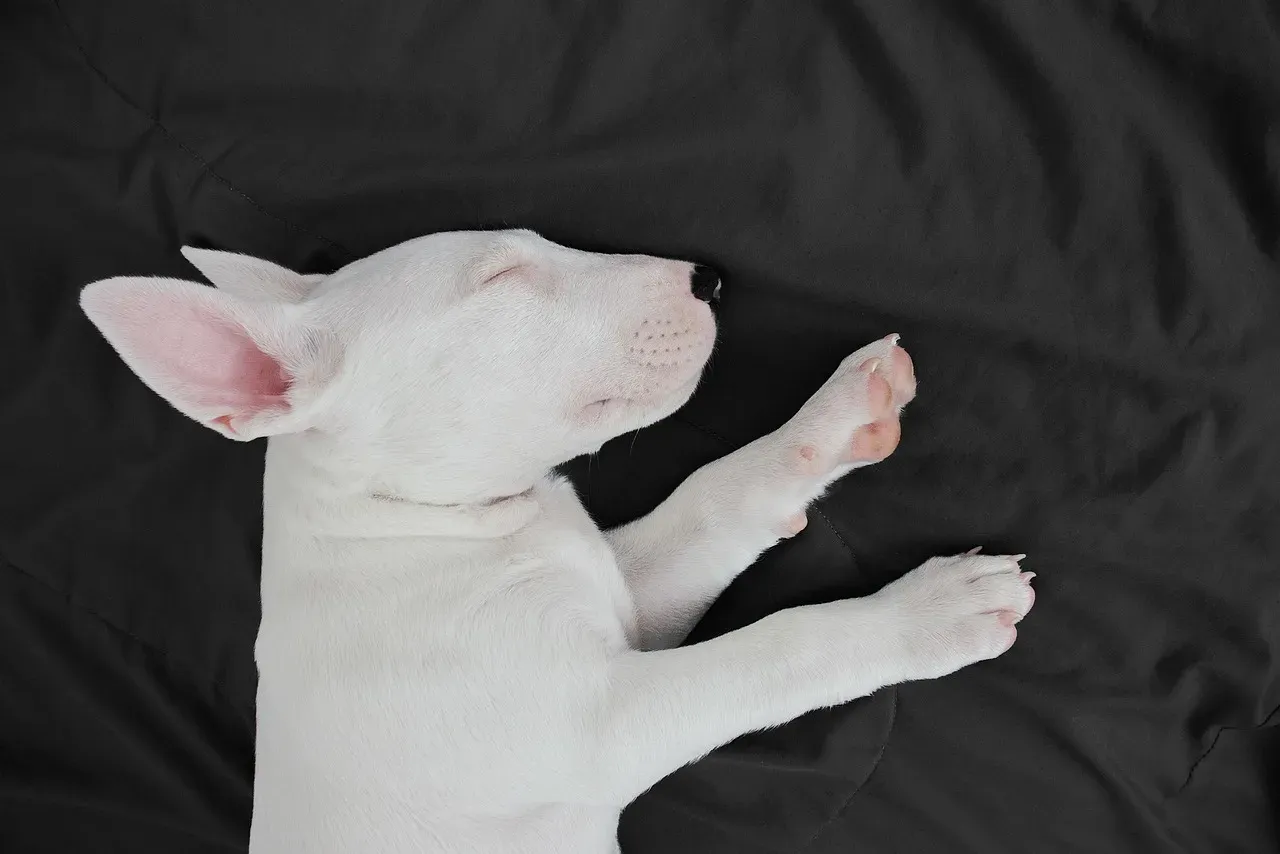
REM sleep usually begins 20 to 30 minutes after falling asleep. During this stage, a dog’s eyes move rapidly beneath closed lids, their muscles may twitch, and you might notice soft vocalizations or gentle paddling motions. These are classic signs of dreaming.
I find it so endearing to watch. Those little paw paddles? Pure magic. The small movements you see when your dog sleeps, like paw twitching, tail wagging, or muffled barks, are normal physical responses during REM sleep. These actions happen because the brain sends signals that trigger minor muscle contractions, while the brain stem prevents full muscle activation, keeping dogs from physically acting out their dreams.
Puppies and older dogs tend to twitch and move a lot more in their sleep. This is because the pons, the brain region that regulates movement during sleep, is underdeveloped in puppies and less efficient in older dogs. So if your puppy seems like they’re running a marathon every single night, that’s completely normal and completely adorable.
The amount of twitching and vocalization varies by breed, age, and temperament. A high-energy dog might dream more vividly about active experiences, while a senior dog might show more subtle signs of dreaming.
Nightmares Are Real, and Your Dog May Be Having Them
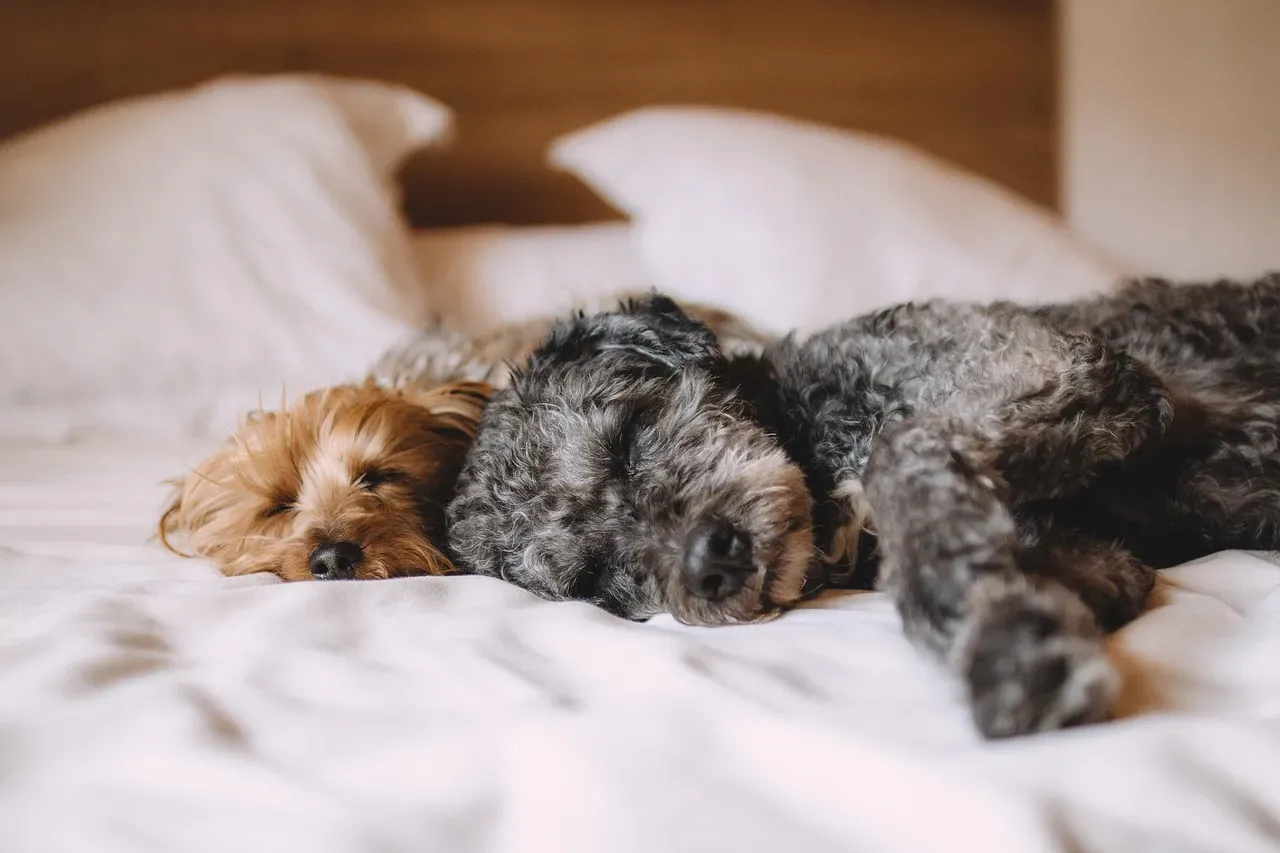
Not every dream is a happy one. Because a dog’s dreams usually have something to do with what occurred during their waking hours, bad dreams are certainly possible. For example, if your dog had an unpleasant encounter during their daily trip to the dog park, they could have a bad dream related to it later, since negative emotions have a way of following us all into our dreams.
Dogs can have nightmares just like humans do, and just as in humans, memories of trauma, such as those in rescue dogs, or physical pain may trigger nightmares. If you’ve adopted a dog with a difficult past, this is especially worth keeping in mind as you build their sense of safety.
Now, here’s something important. Dogs cannot control their actions in REM sleep, and if they are woken abruptly, they may bite. Roughly six percent of dog bites occur while a dog is sleeping or when a dog is woken abruptly. That’s a statistic most people don’t know, and it matters.
The best thing you can do for a dog you think is having a bad dream is to wait for your dog to wake up and be there to comfort them. Gentle reassurance after waking is far safer than interrupting the dream itself.
How Your Dog’s Day Shapes the Quality of Their Sleep
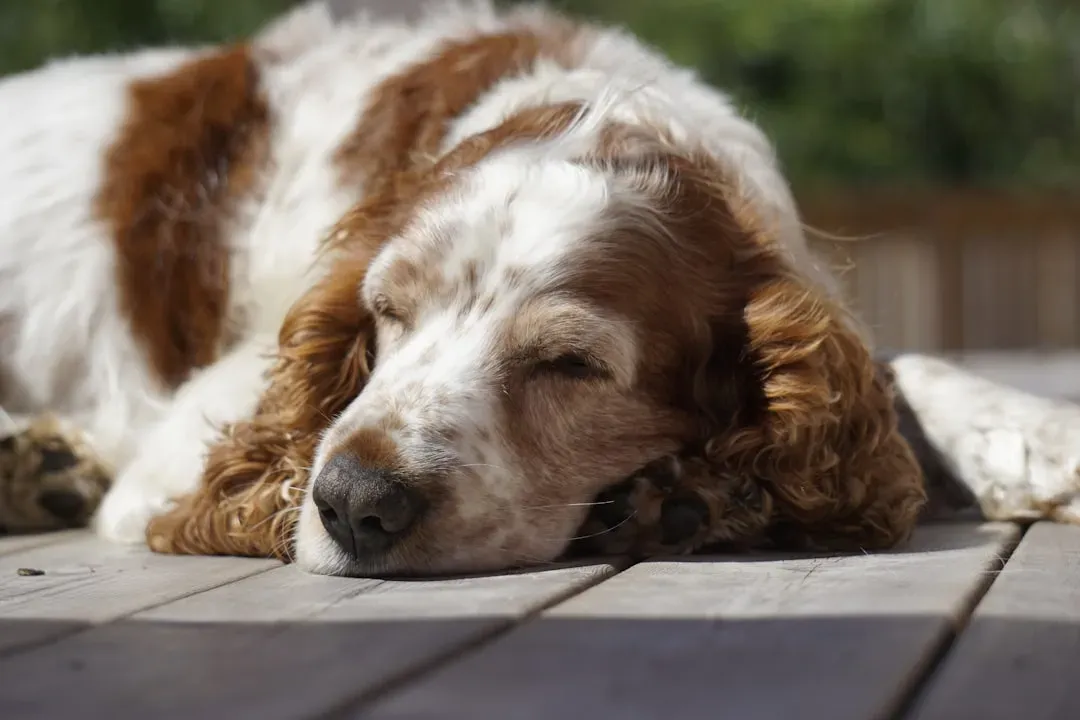
This is the part that really gives dog owners something actionable to hold onto. Dogs who feel safe and emotionally balanced tend to sleep better. Providing affection, mental stimulation, and social interaction during the day can help reduce stress and support peaceful sleep at night. In other words, a rich, loving day directly feeds into a restful, happy night.
The frequency and length of dreams may depend not only on size, but also on how active the dog has been. If a dog has been highly active throughout the day, they may have longer dreams since they’ll enter deep sleep for longer. Think of it like charging a phone fully before bed – a full day means deeper, more restorative rest.
Scientists believe that sleep plays a big role in memory consolidation, helping dogs retain information about what’s significant in their lives and storing that as long-term memories. Routinely waking your sleeping dog could hinder their ability to learn and make them grumpy.
Insomnia and sleep apnea in dogs can be caused by underlying health concerns. Pain from arthritis in older dogs, itchiness from fleas, or anxiety can cause insomnia in dogs and reduce the number of hours they’re able to sleep. If your dog seems restless night after night, that’s a conversation worth having with your vet.
Conclusion: Every Twitch Tells a Story
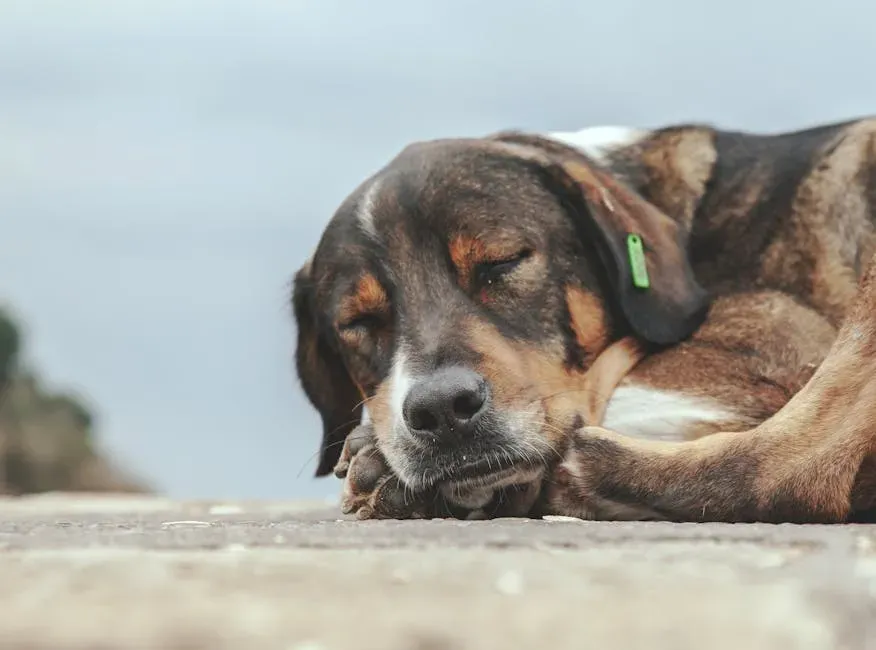
There is something profoundly touching about knowing that when your dog falls asleep, their mind replays the best parts of their day – and you are likely right there in the middle of it. Dogs use sleep to organize and store memories. Dreaming helps them process complex emotions and experiences, which may explain why dogs appear calmer and more responsive after a good night’s sleep.
The way your dog sleeps is a mirror of how they feel when they’re awake. Give them a stimulating, warm, joyful day, and their nights will reflect that. Protect their sleep, respect their rest, and understand that even those tiny sleep-twitches carry meaning. Watching your dog dream is more than a heartwarming moment – it’s a glimpse into how their brain processes the world around them.
So next time you see those paws paddling in mid-air, just smile. You’re probably in that dream too.
What does your dog do when they sleep? Do you think they’re dreaming of you? Tell us in the comments – we’d genuinely love to know.


