

Picture this: you leave the house, hit play on your favorite playlist, and come home to find your dog completely zonked out on the couch, tail lazily swaying. Coincidence? Maybe not. The idea that dogs could actually have musical preferences used to sound a little out there, like something only the most devoted dog parent would believe. Yet science keeps nudging us closer to a fascinating truth: your pup genuinely responds to what’s playing in the background, and not every song is created equal in their ears.
The more we learn about canine behavior, the more it becomes clear that sound is one of the most powerful forces in your dog’s emotional world. From the way a certain tempo can slow their breathing, to the way heavy bass can send them pacing and whining, music speaks to dogs in ways we’re only beginning to understand. If you’ve ever wondered whether your furry best friend has an inner music critic, you’re in for a treat. Let’s dive in.
Your Dog’s Ears Are Built Differently – And That Changes Everything

Before we even talk about genres and playlists, let’s get something straight: your dog doesn’t hear music the way you do. Not even close. The human ear can detect pitches up to 20,000 Hertz, whereas dogs can hear frequencies up to 45,000 to 67,000 Hertz. That’s an entirely different sonic universe.
Dogs have a whopping eighteen muscles in their ears, compared to humans who only have six ear muscles, and they use these powerful muscles to adjust their ears according to the sound they are hearing. Think of it like a living satellite dish, constantly adjusting to pick up the tiniest audio signal in any direction.
When dogs hear songs, they hear each instrument according to its frequency. This means they’re processing music in a fundamentally different, almost fragmented way compared to how we experience a song as a whole. A gentle piano melody might feel soothing to you, while your dog is actually catching layers of sound you can’t even perceive.
Honestly, this is part of why getting the volume right really matters. Music can have a negative effect on dogs if the volume is too high, and it’s important to make sure the volume stays at an acceptable level for your dog’s ears. As dogs have more sensitive hearing than you, what you find too quiet may be a good volume for them. So when in doubt, keep it low.
What the Research Actually Tells Us About Canine Musical Preferences
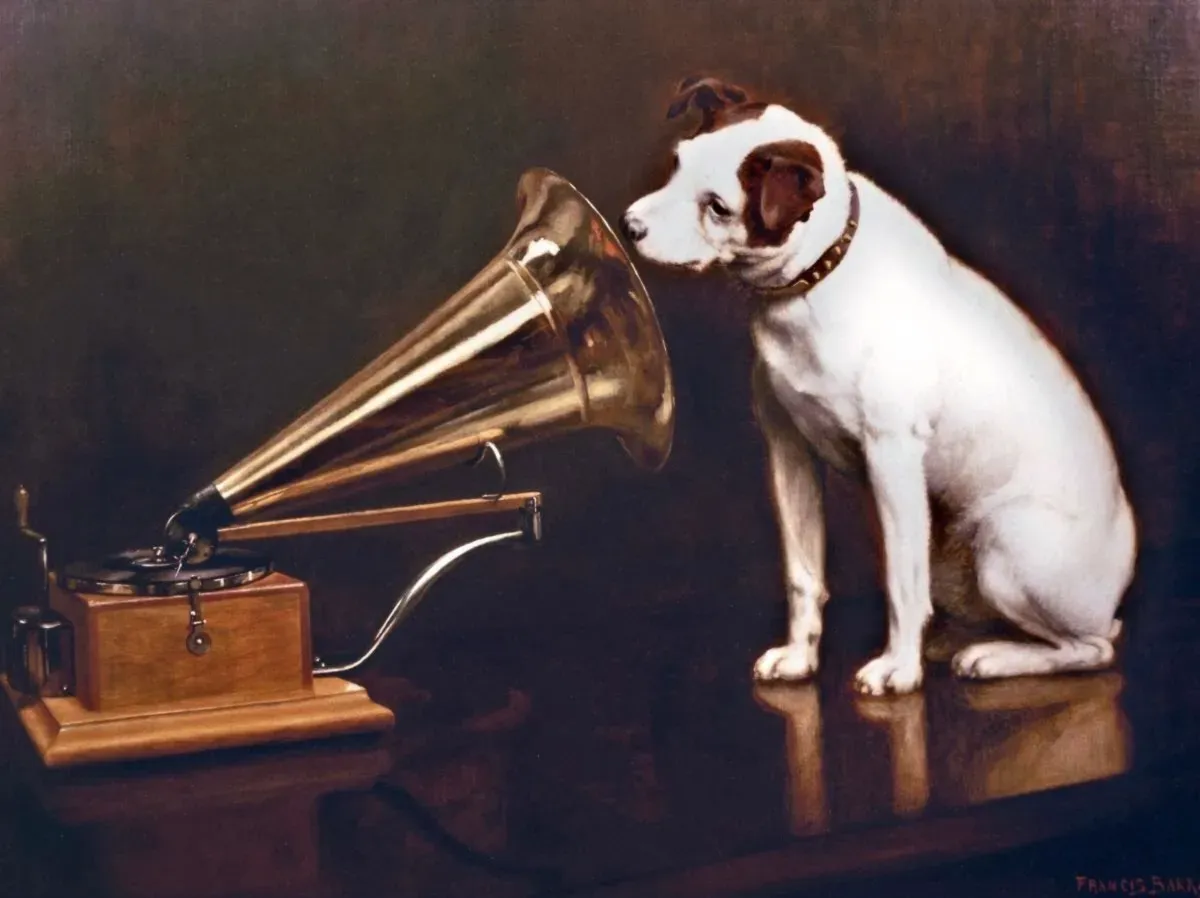
Here’s the thing: science has been quietly studying this topic for decades, and the findings are genuinely compelling. New research confirms that dogs have musical preferences and react differently to particular types of music, specifically reggae and soft rock. That’s not just a fun fact. That’s a behavioral shift you can actually observe in your own living room.
One study conducted by researchers at Queen’s University Belfast examined the effect different kinds of sounds have on rescue dogs in a shelter. They played the sound of human conversation, heavy metal music, pop tunes and classical songs for 50 dogs, exposing them to each sound for four hours, and recorded the differences in their behavior. The results were striking.
Overall, classical music was associated with dogs spending more time sitting or lying down, resting and sleeping, and less time vocalizing and standing. Heavy metal, on the other hand, was a very different story. When the researchers played heavy metal music the dogs became quite agitated and began barking. Classical music, on the other hand, seemed to have a calming effect on the dogs, as their level of barking was significantly reduced and the dogs often lay down and settled in place.
I think what makes this research so meaningful is how consistent the findings are across multiple independent studies. One study found that while dogs initially respond favorably to classical music, over time they seem to prefer reggae and soft rock. These genres had the most positive effects on behavior in more long-term studies, as stress levels decreased and dogs spent the most time lying down when listening to these two styles of music. So their taste can actually evolve, just like ours does.
Reading Your Dog’s Body Language: Is This Their Jam or a No?

The tricky part about dogs is that they can’t exactly give a thumbs up or press skip on Spotify. So the only way to know if your dog loves a song is to watch them like a hawk. Pay close attention to your dog’s body language and behavior while playing music, and look for signs of relaxation or enjoyment such as a wagging tail, relaxed posture, or contented facial expressions.
Many dogs react to music they like by howling or barking. Other signs can include wagging their tail, jumping up and down, and raising their ears. Your pup can also smile or show excited behavior when listening to a song that feels good. These are your green lights. The music is landing well.
On the flip side, negative reactions are just as clear if you know what to look for. If your dog does not like the music, it may show signs of agitation, restlessness, or discomfort. Some dogs may bark, whine, or howl in response to music that they do not enjoy, while others may become destructive or attempt to escape. If your dog is exhibiting these behaviors when music is playing, it may be a sign that they are not enjoying the music or that it is causing them distress.
One more thing worth knowing: if your dog avoids rooms where you’re playing music, they may prefer a different type of music, or quiet altogether. Don’t miss that signal. It’s one of the most honest reviews your dog will ever give you.
The Best Genres for Your Dog (and Why They Work)

So what should you actually be playing? Let’s get practical. Dogs tend to relax to classical music, soft rock, or reggae, while loud or fast-paced genres like heavy metal can make dogs more anxious. These aren’t arbitrary choices, there’s a real acoustic reason behind it.
Classical music, with its slower tempo and long sustained notes instead of rapid, quick notes, calms dogs by engaging their parasympathetic nervous system, which is responsible for putting the body at rest. It indicates to dogs on a psychological level that their environment is safe and that it’s okay for them to let their guards down and relax. Think of it as a sonic hug for their nervous system.
Reggae has a similar tempo and rhythm to classical music, but its distinctive sound can have an effective impact on dogs. A study conducted by the University of Glasgow found that dogs who listened to reggae music had a decrease in stress-related behaviors, such as whining and barking. So if you’re personally more of a reggae fan than a Mozart listener, great news: you and your dog might actually agree.
While each dog may have their own music preferences, the tempo, length of the musical notes, simplicity of tones, and regular rhythms are the most important calming qualities. Keep that in mind as you experiment. It’s less about the specific artist and more about the overall sonic texture of what’s playing.
Using Music as a Real Wellness Tool for Your Dog

Music isn’t just entertaining for dogs. It can be genuinely therapeutic, and there are some very specific moments where reaching for the right playlist could make a real difference in your dog’s wellbeing. Auditory stimuli such as music can be an inexpensive and accessible option to help relieve stress for pet dogs. That’s something every dog parent should have in their toolkit.
Your dog may appreciate soothing music in situations such as when they are a new puppy or dog adjusting to your home, or when dogs with separation anxiety are left alone. While the sound of music may be comforting, be sure you also play the same music when you are home with them so they don’t associate the music with being home alone. That last tip is gold. Association matters enormously to dogs.
Traveling in a car can cause anxiety, so playing some familiar music that you have previously played at home might help them relax. Music can also help mask the sound of fireworks or thunderstorms. It’s all about creating a familiar emotional anchor through sound, a cue that says “everything is okay right now.”
Research shows dogs are calmer when exposed to a mix of tunes rather than hearing the same song over and over. Just like you’d get tired of hearing the same song on repeat, dogs can habituate to music and stop responding to it. Rotate your playlists. Keep it fresh. Your dog will thank you for it in the form of a deeply relaxed nap.
Conclusion: Press Play and Pay Attention

The truth is, discovering what music your dog loves is one of the most quietly joyful experiments you can run as a pet parent. It doesn’t cost anything, it takes no special equipment, and the payoff, a calmer, happier, more settled dog, is absolutely worth it.
Start with something slow and melodic. Watch how your dog settles into it. Notice when they drift off to sleep, or conversely, when they start pacing or leave the room. Those are honest responses, no filter, no performance, just pure instinct telling you what works and what doesn’t. Your dog is a better music critic than they get credit for.
We’re living in an era where we understand more than ever that dogs aren’t just pets. They’re emotional, sensory beings who experience the world with extraordinary depth. Giving them a sound environment that supports their calm is one of the most loving things you can do. So go ahead, build that dog-approved playlist, and if your pup falls asleep to it the first time you hit play, well, that’s a five-star review if I’ve ever seen one. What tune do you think your dog would love most?


